EN
 HR

How Continuous Tracks Transfer Power to the Ground
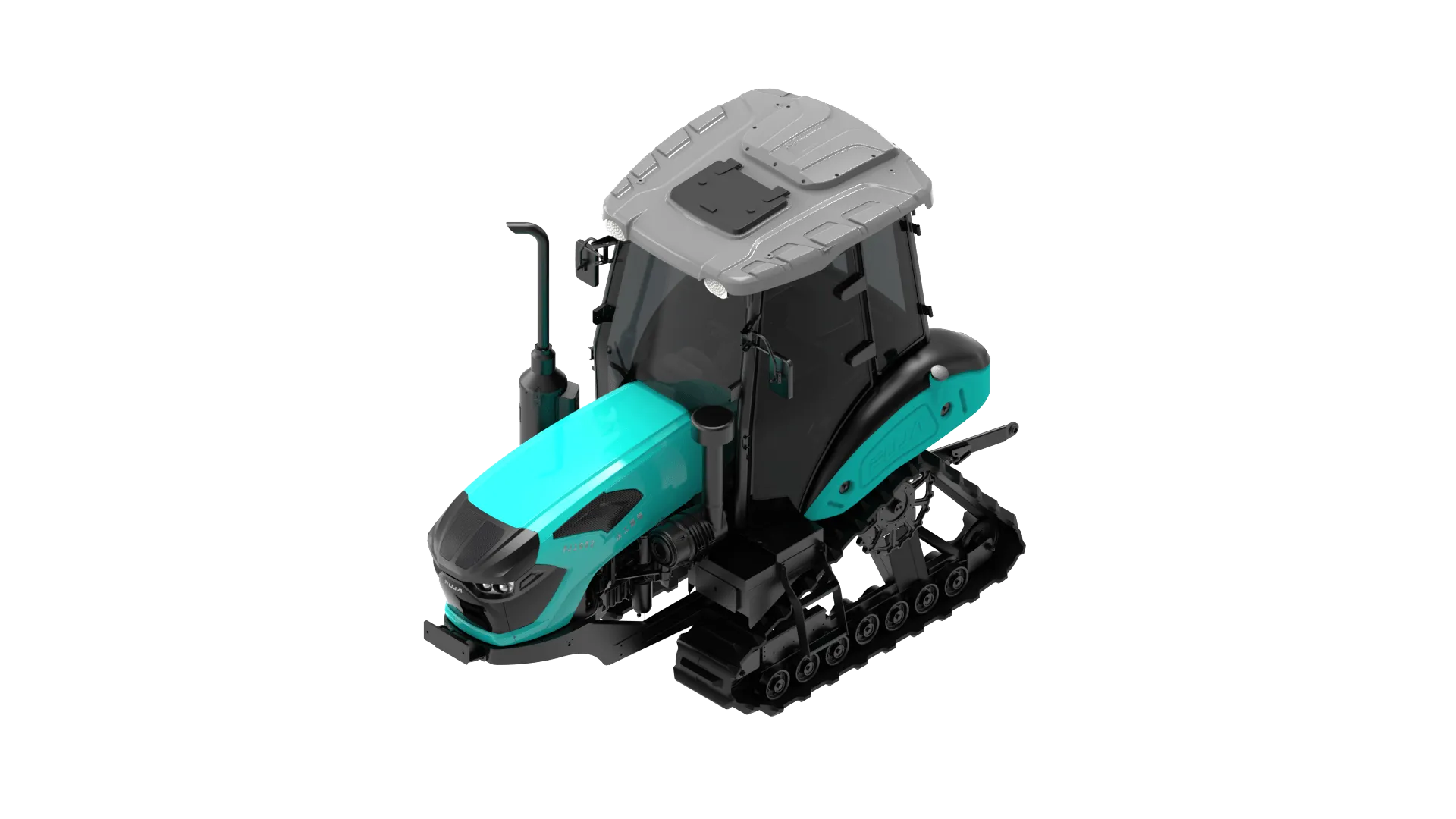
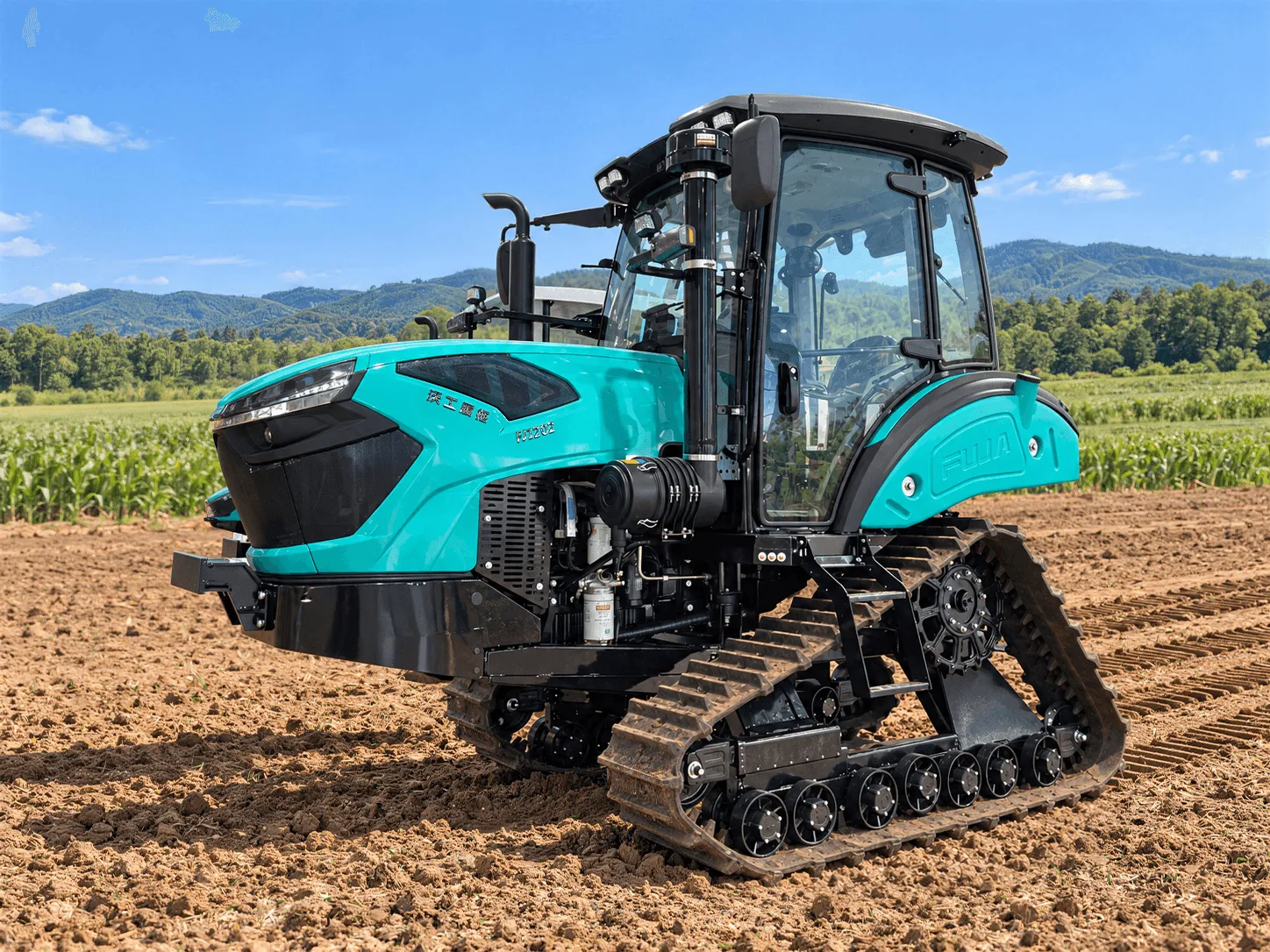
A tracked tractor uses driven sprockets to move continuous tracks around a supporting undercarriage. Rollers support the machine along the lower track run, while an idler and tensioning arrangement help maintain track engagement. This creates a different ground contact pattern from a conventional wheeled tractor. Track contact area helps explain why these machines are considered for softer surfaces. Nominal average ground pressure relates machine weight to the area supporting it, but pressure is not distributed evenly under every part of a moving track. Implements, carried loads and ground irregularities change that distribution. Traction also depends on the track surface engaging with the soil. A larger footprint cannot guarantee movement if the soil lacks sufficient strength. Turning behavior varies with the drive and steering arrangement, and some tracked systems can disturb the surface during tight turns. Agricultural Machinery Manufacturer & Supplier describes an intelligent R&D focus, but no undercarriage drawings or track specifications were provided. Track material, steering design and tensioning mechanism therefore remain model details to establish rather than assumed features.