EN
 HR

How Track Contact Affects Field Work
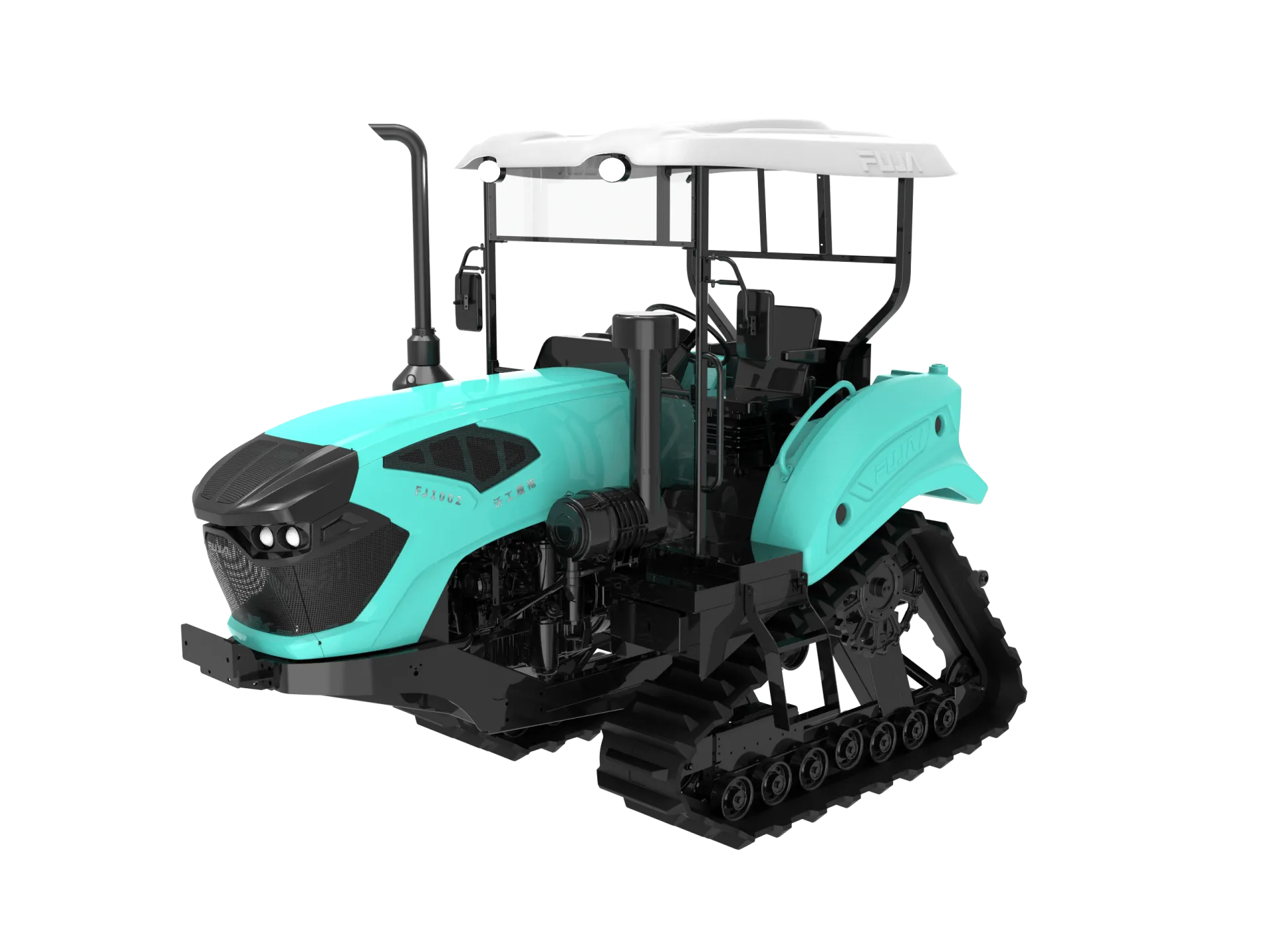
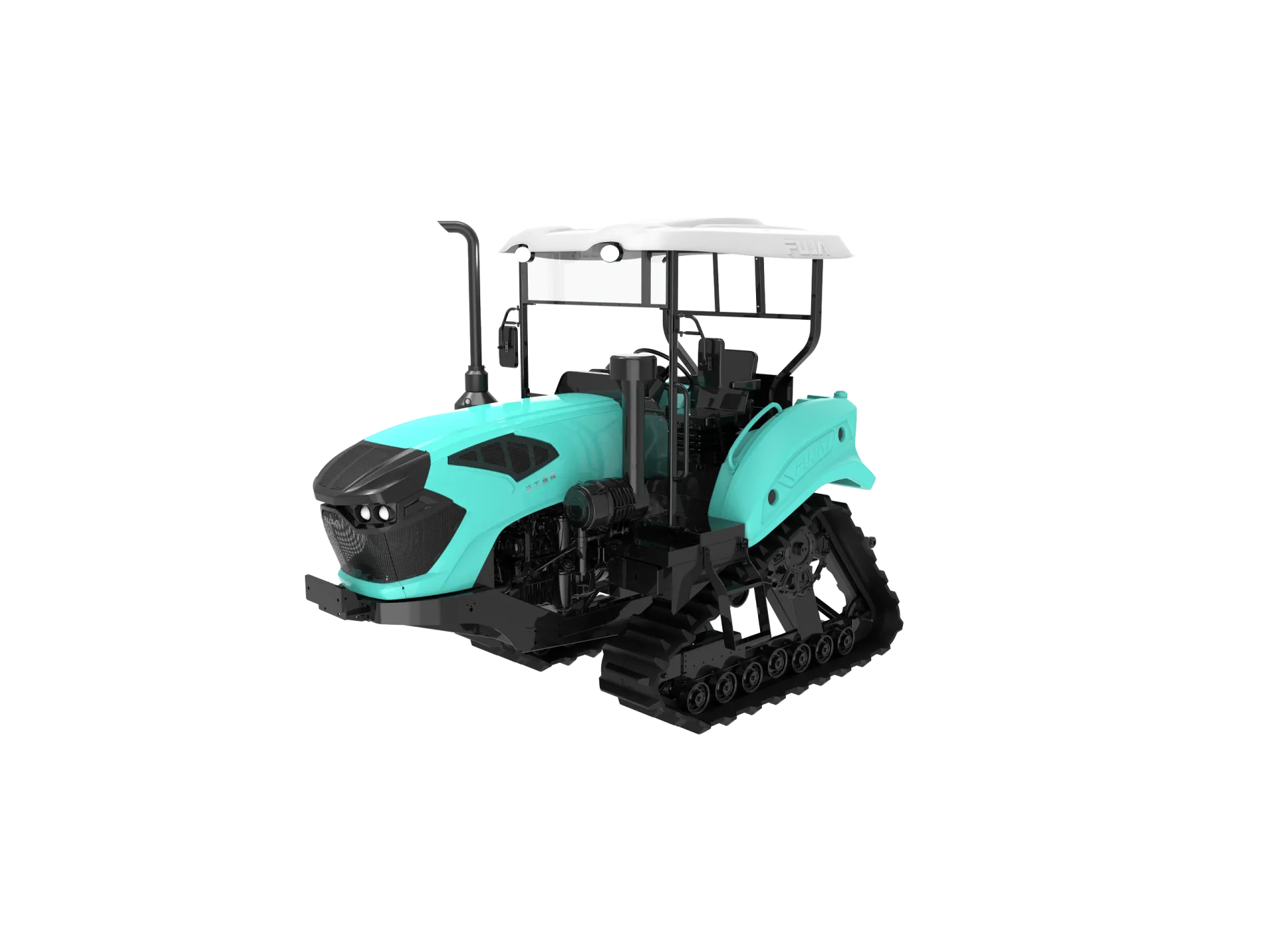
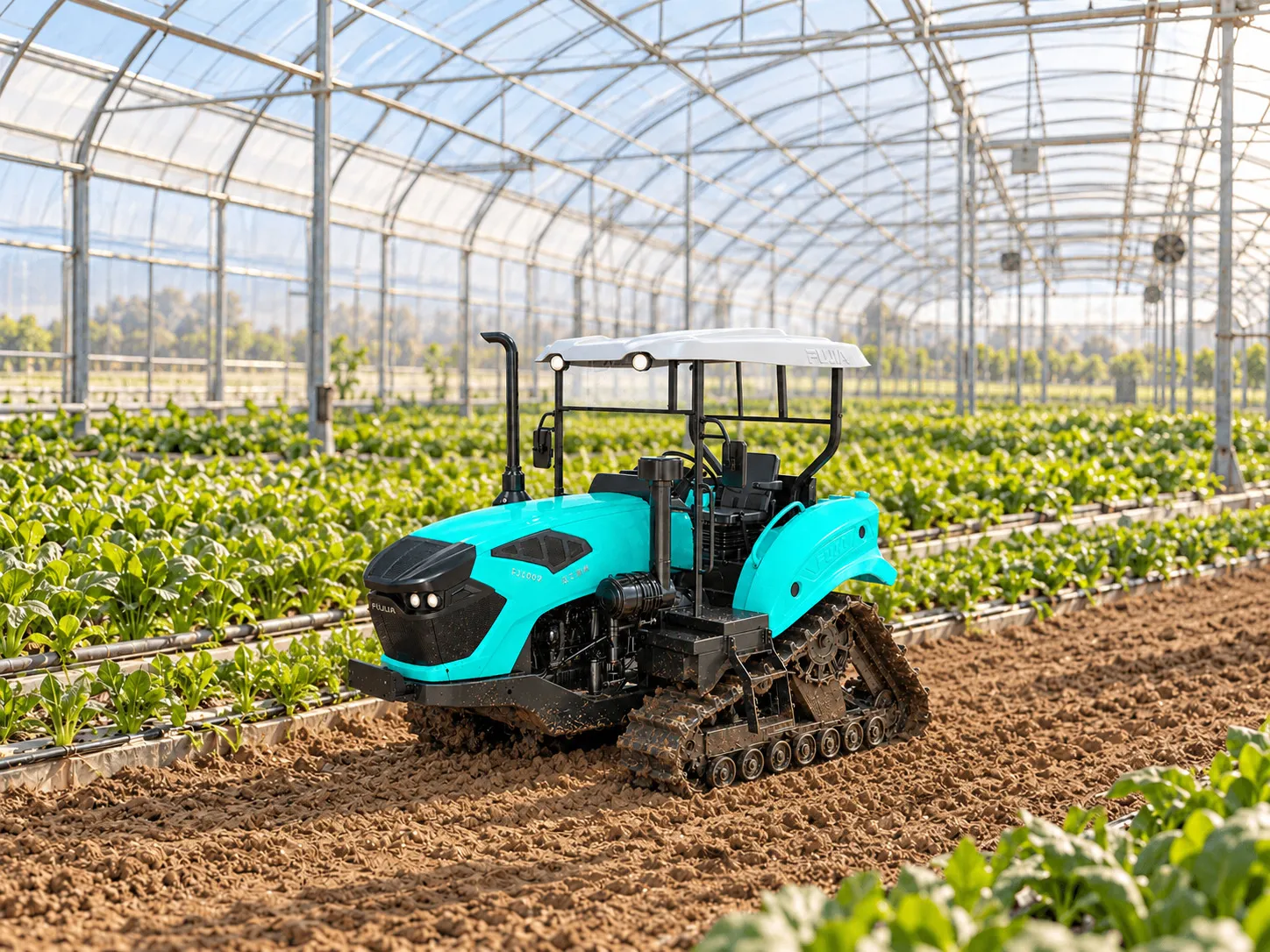
A crawler tractor uses tracks rather than a conventional wheel contact pattern to move and transfer drive force to the ground. In agricultural work, that makes track layout and the machine’s weight relevant to how it travels across a field, but the word “crawler” alone does not establish its performance on wet soil, slopes, or soft ground. Actual results depend on model-specific design, track width and length, total operating mass, traction system, and the soil’s moisture and bearing condition. None of these tractor specifications are available in the supplied product information, so they should be confirmed rather than assumed. When reviewing a technical sheet, distinguish transport dimensions from working dimensions and ask how the stated operating weight is configured, including any fitted implement or ballast. The manufacturer’s stated R&D focus is smarter design for real-world challenges; for a buyer, the useful question is how a proposed design relates to the intended field task. Request diagrams or specification documents for the exact model, then compare them with the conditions where the tractor will actually operate. This establishes a technical basis for judging track contact without treating a broad product category as proof of suitability.