Home » tracked multi-purpose platform

Tracked Multi-Purpose Platform for Agricultural Work

tracked multi-purpose platform

A tracked multi-purpose platform is a machine concept for moving equipment or carrying out work where a wheeled vehicle may not suit the ground or task. The exact capabilities depend on its design, payload, attachments and operating limits; those details have not been provided for this product. Agricultural machinery buyers considering a platform of this type should therefore begin with the work it must perform, the terrain it must cross and the tools it may need to carry. This page is intended for farms, agricultural contractors and equipment buyers evaluating a tracked platform for varied field operations. The manufacturer describes itself as an agricultural machinery supplier, with a 68,000 m2 smart manufacturing base, intelligent R&D and global service positioning. These details provide company context, but do not establish a specific platform specification or compatibility. Before discussing a purchase, confirm the intended use, ground conditions, load and attachment requirements with the supplier. That information will help determine whether the platform is suitable and what product data is still needed.

Technical Detail

Configured around process stability, mold life, and long-term uptime.

Agricultural Machinery Manufacturer & Supplier presents its high-end, innovation-focused agricultural machinery offering under the term tracked multi-purpose platform. No model sheet, technical drawing, operating manual or platform-specific performance data was supplied for this page. Consequently, payload, dimensions, travel speed, gradeability, power source, track design and compatible implements cannot be stated as verified product facts. Buyers should treat the product name as a category description until the supplier confirms the actual machine configuration. The available company information includes a 68,000 m2 smart manufacturing base, intelligent R&D, smart manufacturing and global service positioning. The brand also reports serving 150+ customers and lists CE certification. These are company-level details; the supplied information does not specify which product or configuration the CE certification covers, so buyers should request applicable documentation for the exact platform. A tracked multi-purpose platform may interest agricultural operations that need a carrier or base machine for work across changing field conditions, but suitability depends on the actual design and task. Before relying on it for a particular operation, ask for the model’s rated load, operating envelope, attachment interface, safety provisions and maintenance requirements. The supplier can then confirm whether the proposed application falls within the platform’s documented capabilities.

Crawler Multi-purpose Platform

What the Tracked Platform Category Means

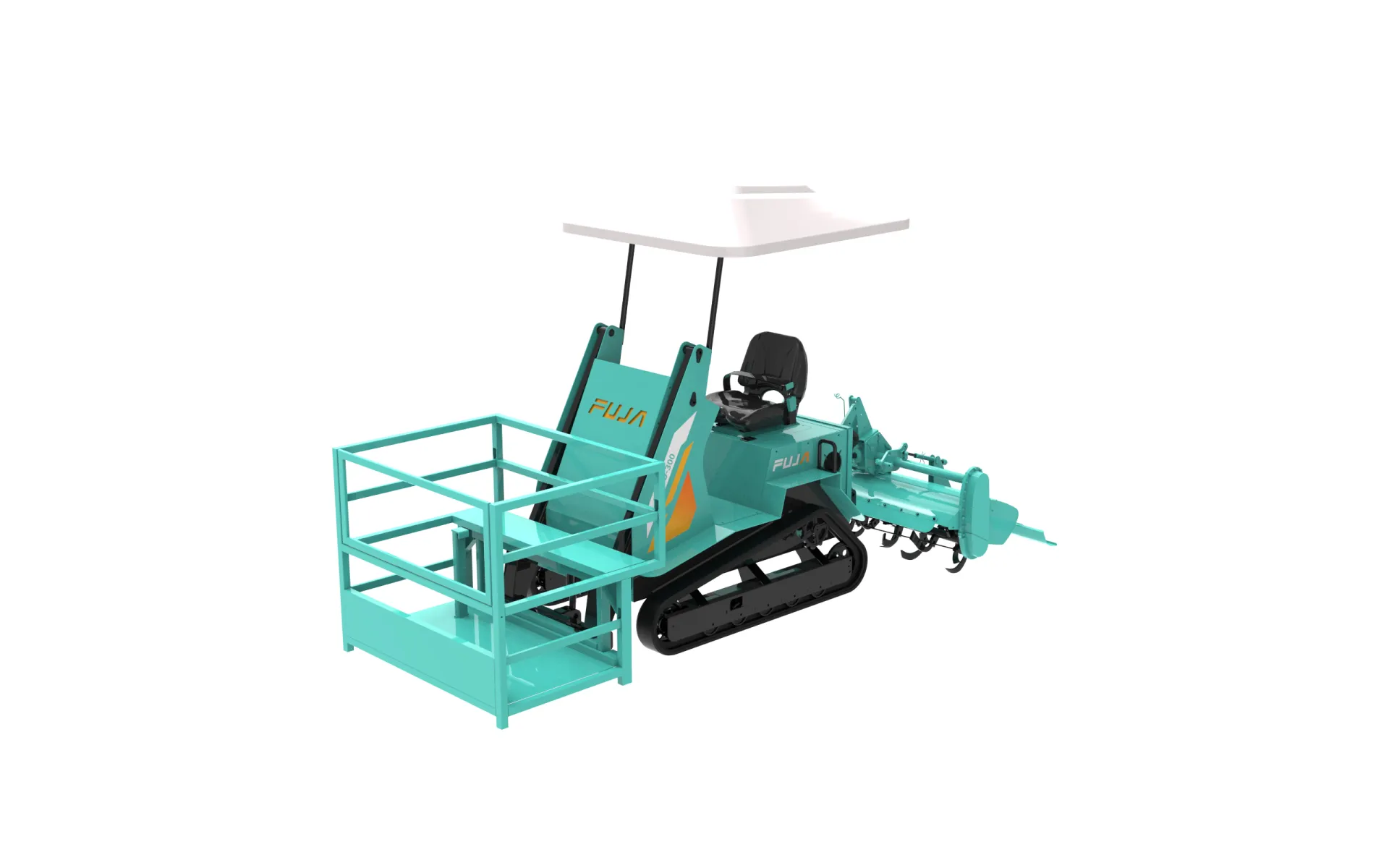
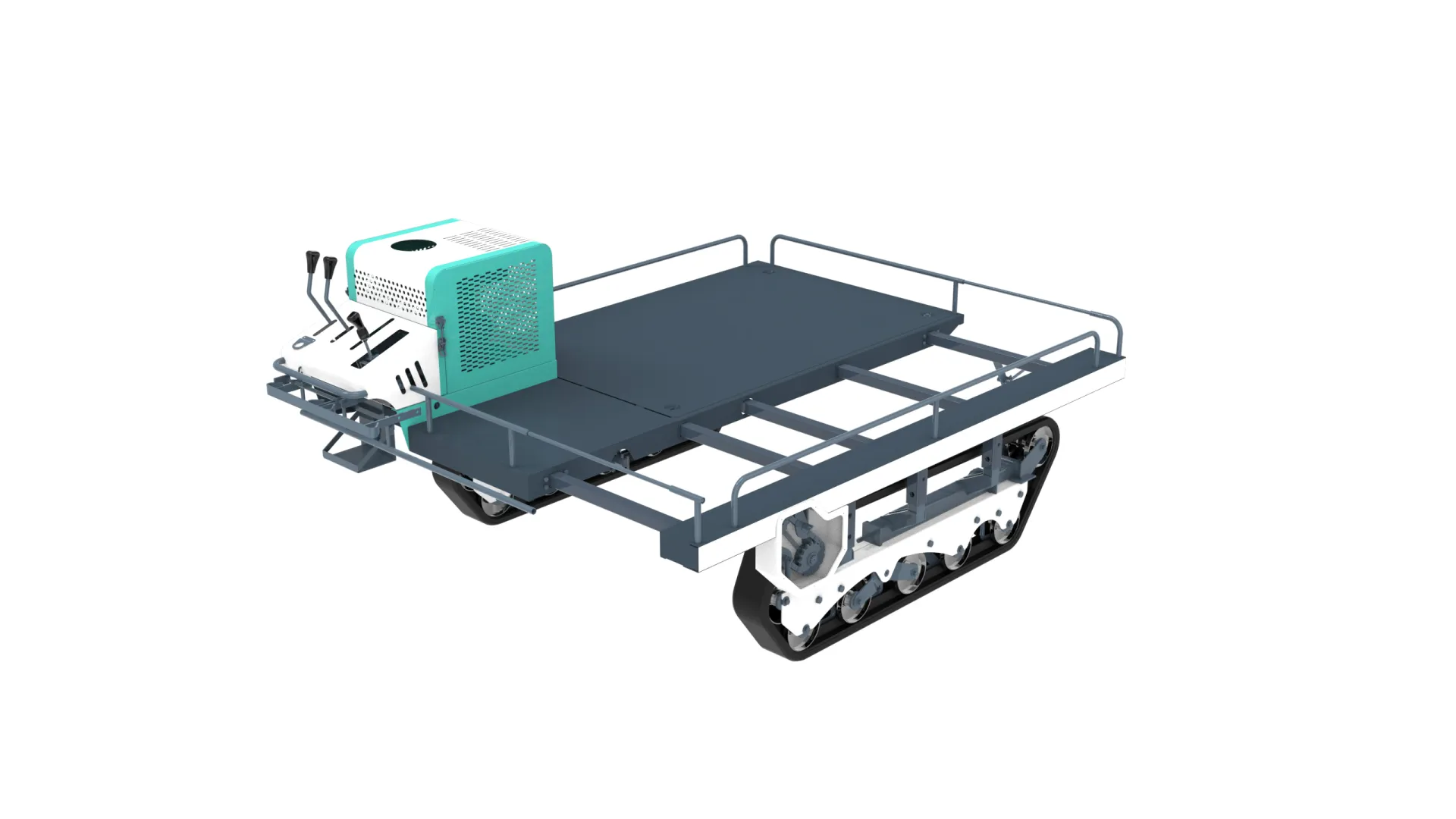
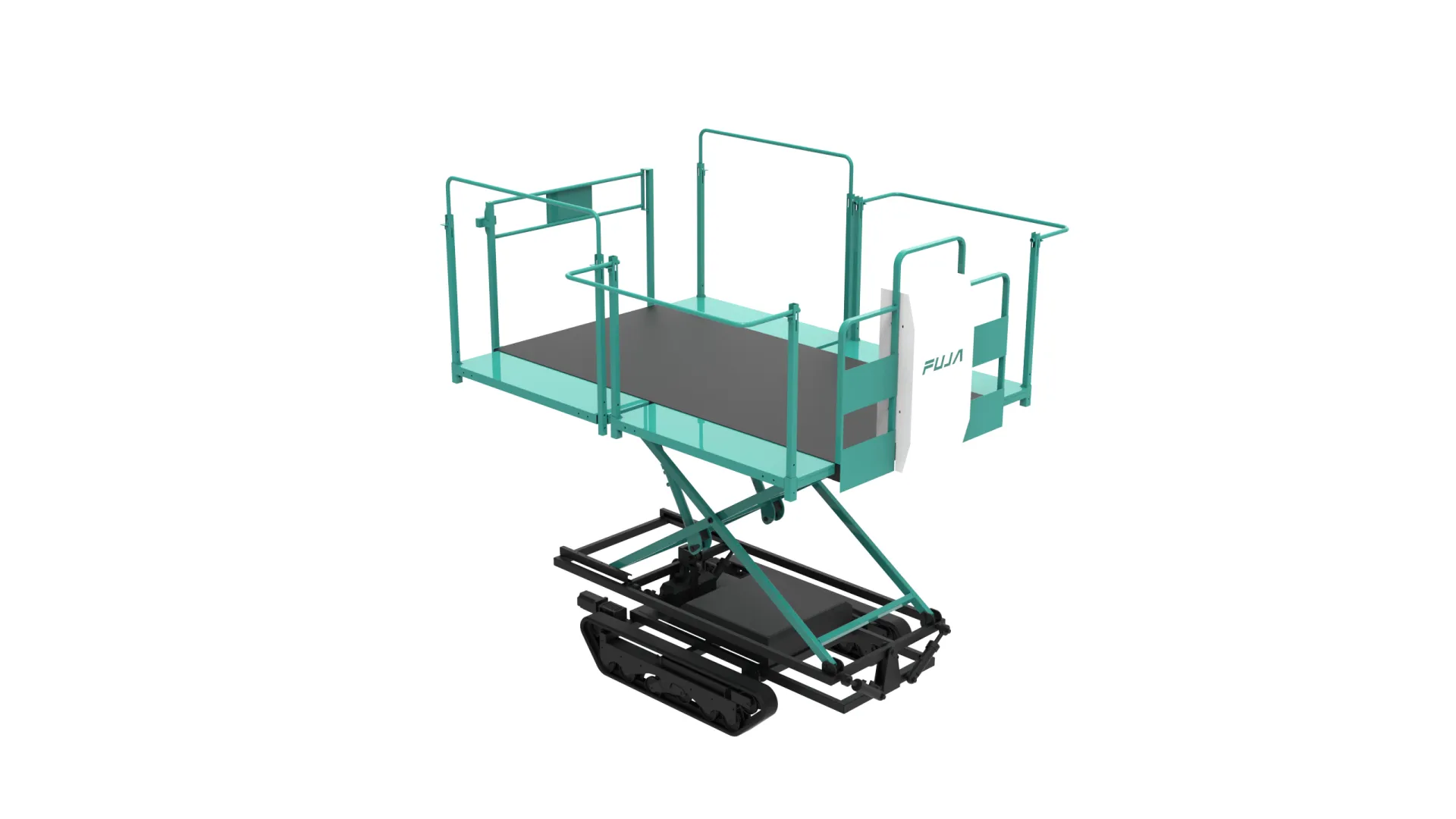
The phrase tracked multi-purpose platform describes a broad machine category, not a confirmed specification for a particular model. “Tracked” indicates a ground-contact system based on tracks rather than conventional wheels; “platform” suggests a base machine that may carry equipment or support work functions. The term “multi-purpose” alone does not establish which implements can be fitted, how they connect, or whether a machine is designed to carry people, materials or powered tools. Those distinctions matter in agriculture, where a carrier for field equipment has different requirements from a machine intended to perform a specific crop or maintenance task. No platform structure, track material, drive arrangement, control system or interface details were supplied for this product. Buyers should request a current product sheet and, where relevant, drawings showing the chassis, load area, attachment points and access for inspection. Ask the supplier to distinguish standard equipment from optional or application-specific components. This gives the engineering and purchasing teams a shared definition of the machine before they assess its use or compare it with alternatives.
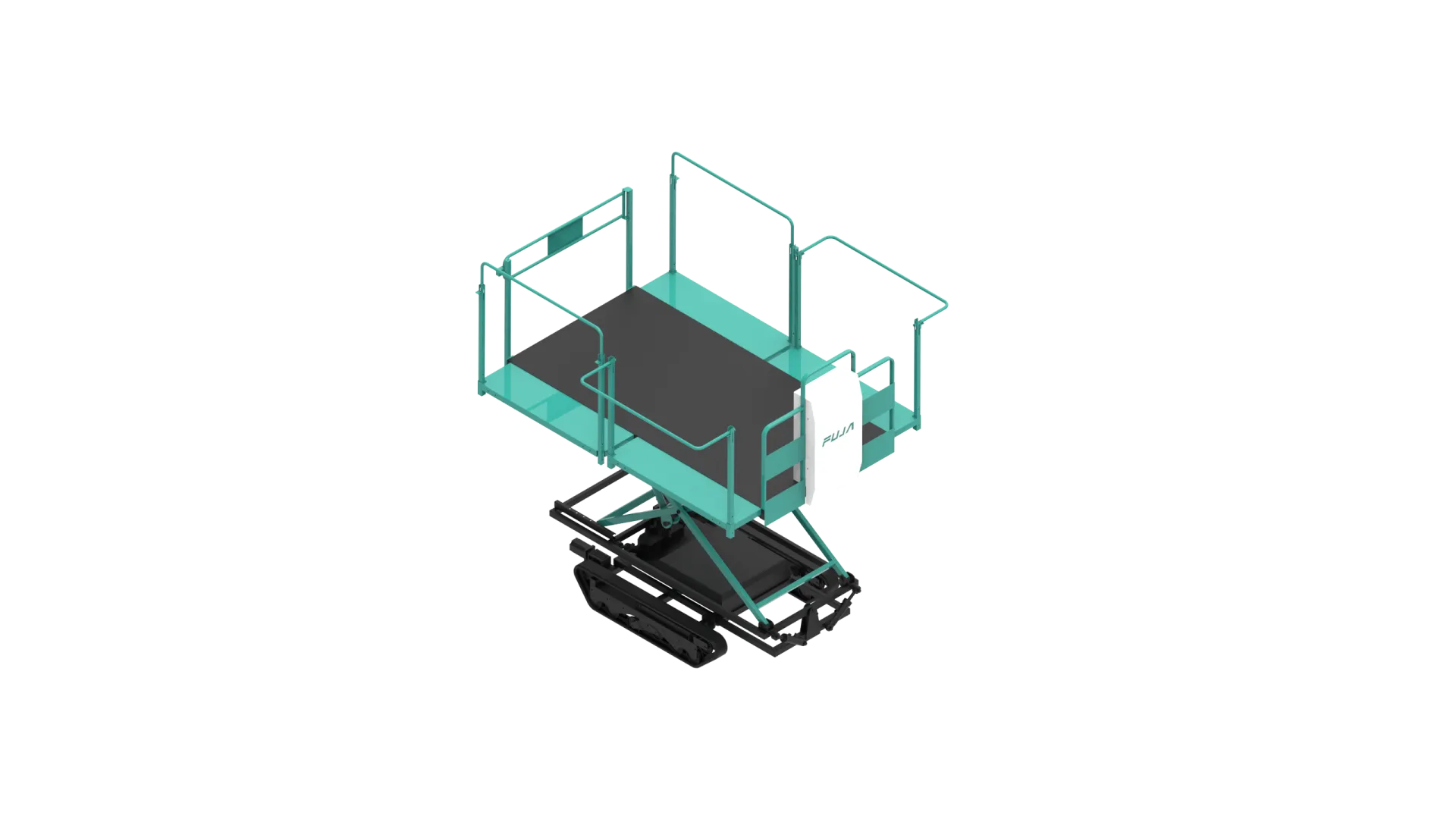

Crawler Multi-purpose Platform

Assessing Fit for Field Conditions

The right fit depends on the conditions the machine will encounter, not simply on the fact that it uses tracks. A buyer evaluating a tracked multi-purpose platform should describe the surface, slope, access width, turning space, weather exposure and expected work cycle. Include whether operation will involve soft or uneven ground, frequent stops, transport between fields, or contact with crops and obstacles. No verified ground-pressure, slope, clearance, speed or weather-protection data is available here, so do not assume the platform can work in a particular field condition based on its category name. Compare the supplier’s documented operating limits with the most demanding part of the planned route, including seasonal conditions. Also clarify the load and any forces created by mounted equipment; a tool’s weight and operating loads can affect stability and chassis suitability. If a task involves steep terrain, confined access, wet soil or sensitive crops, flag it early and ask for a written suitability response supported by model-specific information. Where limits remain unclear, treat the application as unconfirmed rather than relying on a general-purpose label.

Crawler Multi-purpose Platform

Information to Prepare Before Requesting a Quote

A useful inquiry gives the supplier enough detail to identify a relevant configuration without assuming that a particular option is available. State the agricultural task and explain whether the machine is expected to carry a load, support an implement or perform another function. Provide the estimated working load, the implement type and any interface or power requirements known to your team. Describe field surfaces, gradients, access constraints, operating hours and how the machine will be transported or stored. Ask for the exact model designation, current specification sheet, standard and optional equipment list, and documentation identifying which configuration the listed CE certification covers. Request confirmation of rated load, dimensions, operating limits, maintenance intervals and any attachment compatibility in writing; none of these platform-specific details were included in the information supplied for this page. If the supplier proposes a configuration, have your technical team compare it with the actual worksite and task requirements before procurement approval. This creates a practical basis for a technical review and a comparable quotation, without presuming price, availability, lead time or minimum order terms.

News

Industry updates

Products

Production modules

Why Choose Us

Agricultural Machinery Backed by Smart Manufacturing

The manufacturer positions itself as an agricultural machinery supplier with a 68,000 m2 smart manufacturing base and an intelligent R&D function. For buyers assessing a tracked multi-purpose platform, these company capabilities offer a starting point for discussing how product requirements are translated into a machine configuration. The brand describes its manufacturing approach as precision-focused, but no platform-specific inspection plan, production tolerance or test record was provided. Ask which checks apply to the proposed model and request supporting documents relevant to the intended use. The company also reports serving 150+ customers and identifies global service as part of its offer. These statements are useful context, not a substitute for confirming service coverage, parts support or response arrangements in the buyer’s region. CE certification is listed in the supplied brand information; because its scope is not specified, request the declaration or other applicable documentation for the exact product configuration under consideration. A clear technical exchange, model-specific evidence and written confirmation of support arrangements let procurement teams evaluate the manufacturer on verifiable information rather than broad product-category claims.

FAQ

Common technical questions

What should I compare when reviewing two tracked multi-purpose platform models?

Compare confirmed model data for rated load, overall dimensions, operating limits, track and drive design, control method, attachment interfaces and maintenance requirements. The information available here does not include those specifications, so request matching documents for both configurations before judging them.

Can this platform be used in orchards or narrow farm lanes?

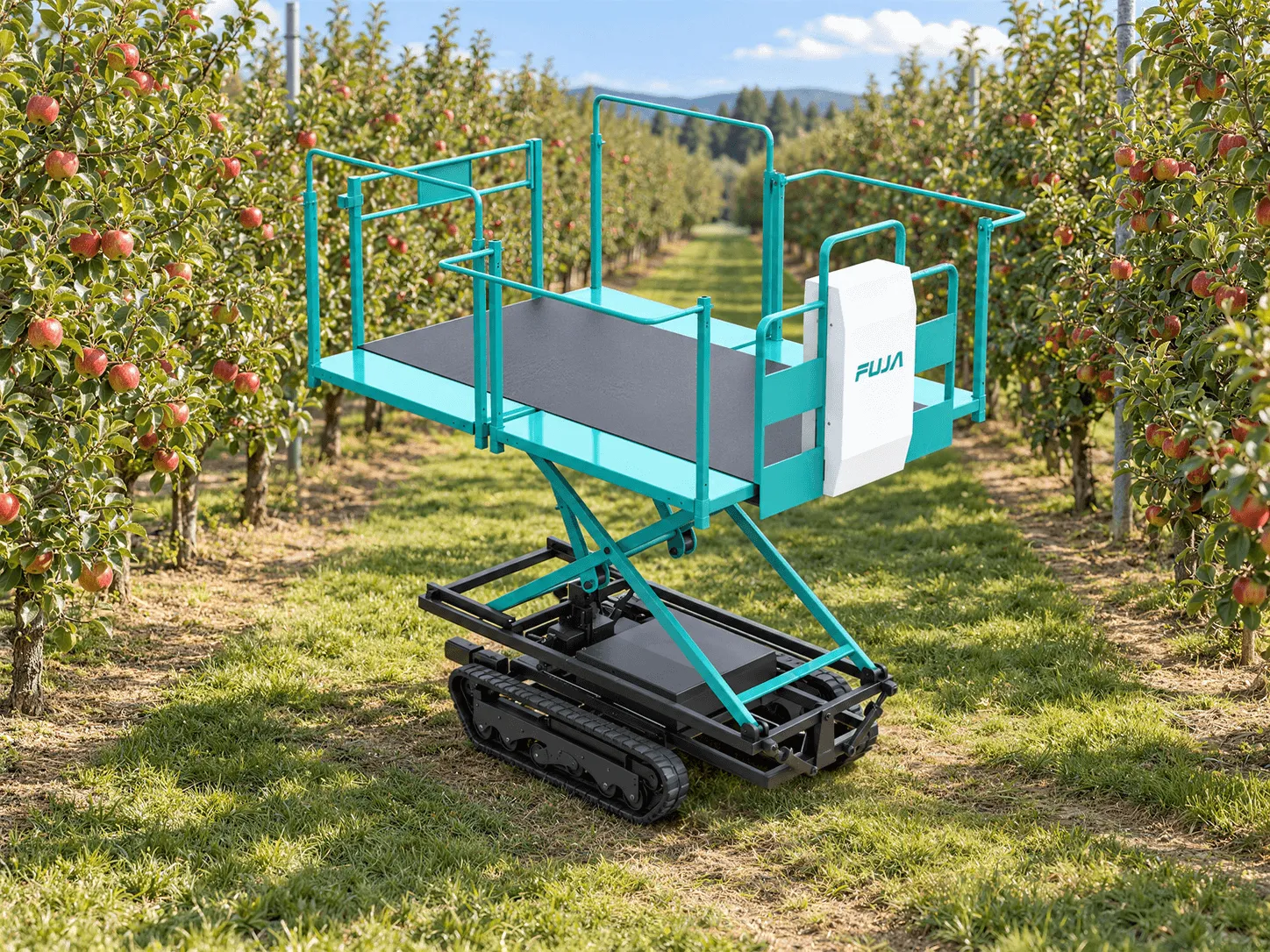
That depends on its dimensions, turning space, track layout, crop-clearance needs and any mounted equipment. No width, turning-radius or crop-protection details were supplied. Share lane measurements and the intended task with the supplier and ask for model-specific confirmation.

What documents should I ask for before placing an order?

Request the exact model specification, configuration and attachment list, operating and maintenance instructions, applicable CE documentation, and written confirmation of suitability for your stated task and terrain. Confirm that the documents match the configuration being quoted.

How do I check whether an attachment will work with the platform?

Provide the attachment model, weight, mounting details, operating loads and any power or control connections it needs. Ask the supplier to confirm compatibility in writing; the supplied information does not identify available attachments or interfaces.

Need a solution for your project?

Share your product type, target capacity, and application requirements. Our team can review the details and recommend a practical next step.

Contact Us