Home » Tracked Power Platform

Tracked Power Platform for Agricultural Work

Tracked Power Platform

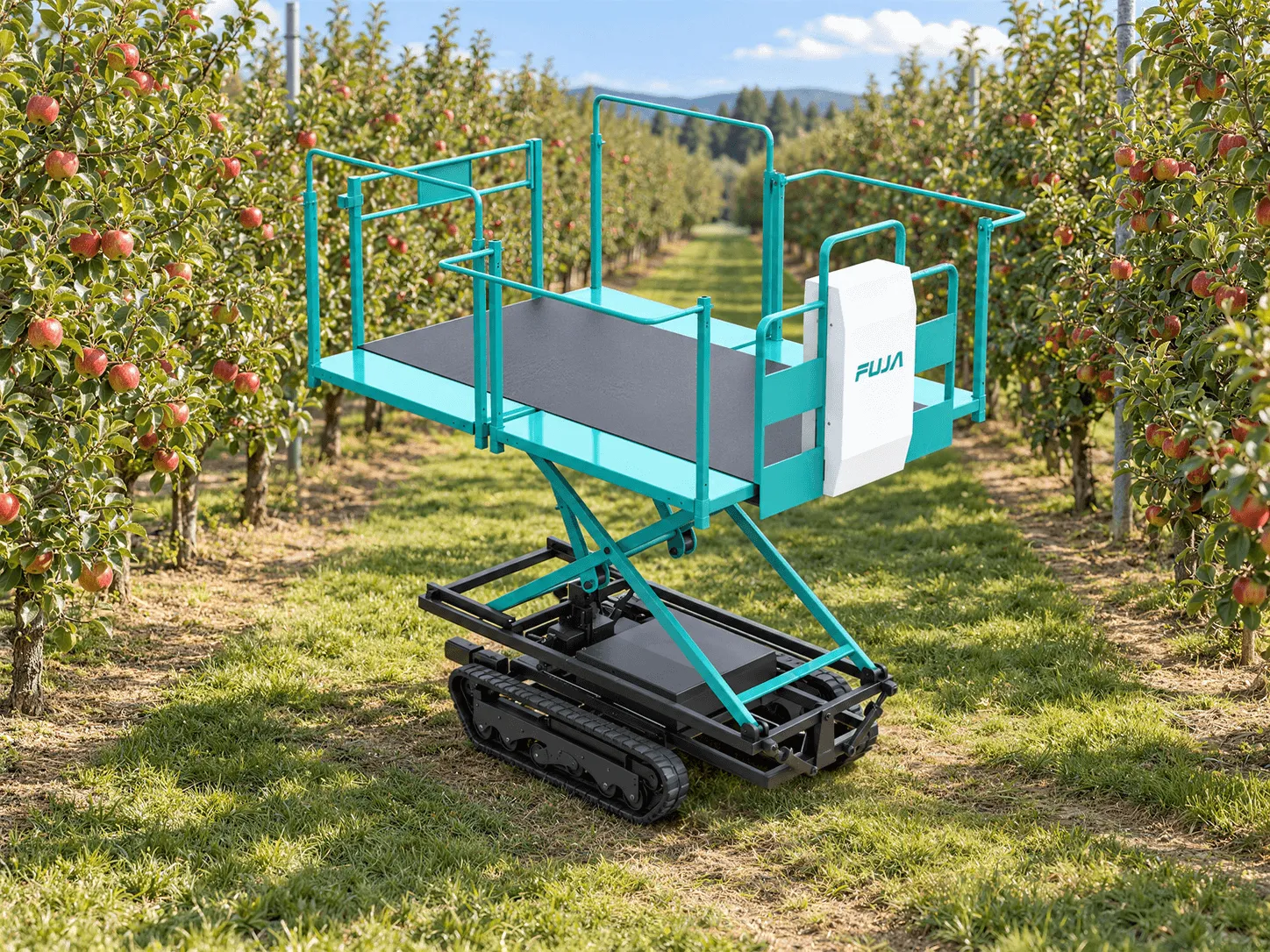
A tracked power platform is a machinery base that uses tracks rather than conventional wheels to move across working surfaces. For agricultural buyers, the term can describe different machine formats and capabilities, so the name alone does not confirm what implements it supports, how much load it carries, or which field conditions it can handle. This page is intended for farms, agricultural contractors, and equipment distributors assessing a tracked platform for a specific job. The manufacturer information provided identifies an agricultural machinery supplier with a high-end, innovation-led positioning, but does not include a product model, technical specification, or application list for this platform. That makes an early requirements check especially important. Before requesting a recommendation, define the terrain, soil condition, intended task, payload or implement needs, and any transport constraints. The manufacturer reports a 68,000 m2 smart manufacturing base, 150+ customers, intelligent R&D, smart manufacturing, global service, and CE certification; these are company-level details and do not establish the certification or capabilities of an unspecified platform model. Use the details below to frame a product inquiry and verify the exact configuration directly with the supplier.

Technical Detail

Configured around process stability, mold life, and long-term uptime.

The available information identifies the product only by the name “Tracked Power Platform.” In general, this term refers to a mobile machinery base that travels on tracks and may be designed to carry equipment or support agricultural work. The supplied materials do not state whether this particular platform is self-propelled, what steering or drive system it uses, or which implements it can operate. Those details need confirmation rather than assumption. The manufacturer is positioned as an agricultural machinery manufacturer and supplier, with a high-end, innovation-led brand direction. Its stated company resources include a 68,000 m2 smart manufacturing base, intelligent R&D described as addressing real-world challenges, and smart manufacturing focused on consistent production. It also reports serving 150+ customers and providing global service. These figures and statements describe the company, not verified performance data for this product. CE is listed among the brand’s certifications, but buyers should confirm whether the specific platform and its proposed configuration are covered by applicable CE documentation. No dimensions, power rating, operating speed, load capacity, track width, ground pressure, compatible attachments, or model range have been provided. Treat these as open technical questions. A product match depends on the work to be done and the machine configuration, not just the tracked undercarriage. Ask the supplier to identify the exact model and provide its current datasheet, operating limits, and applicable conformity documents before comparing it with other equipment.

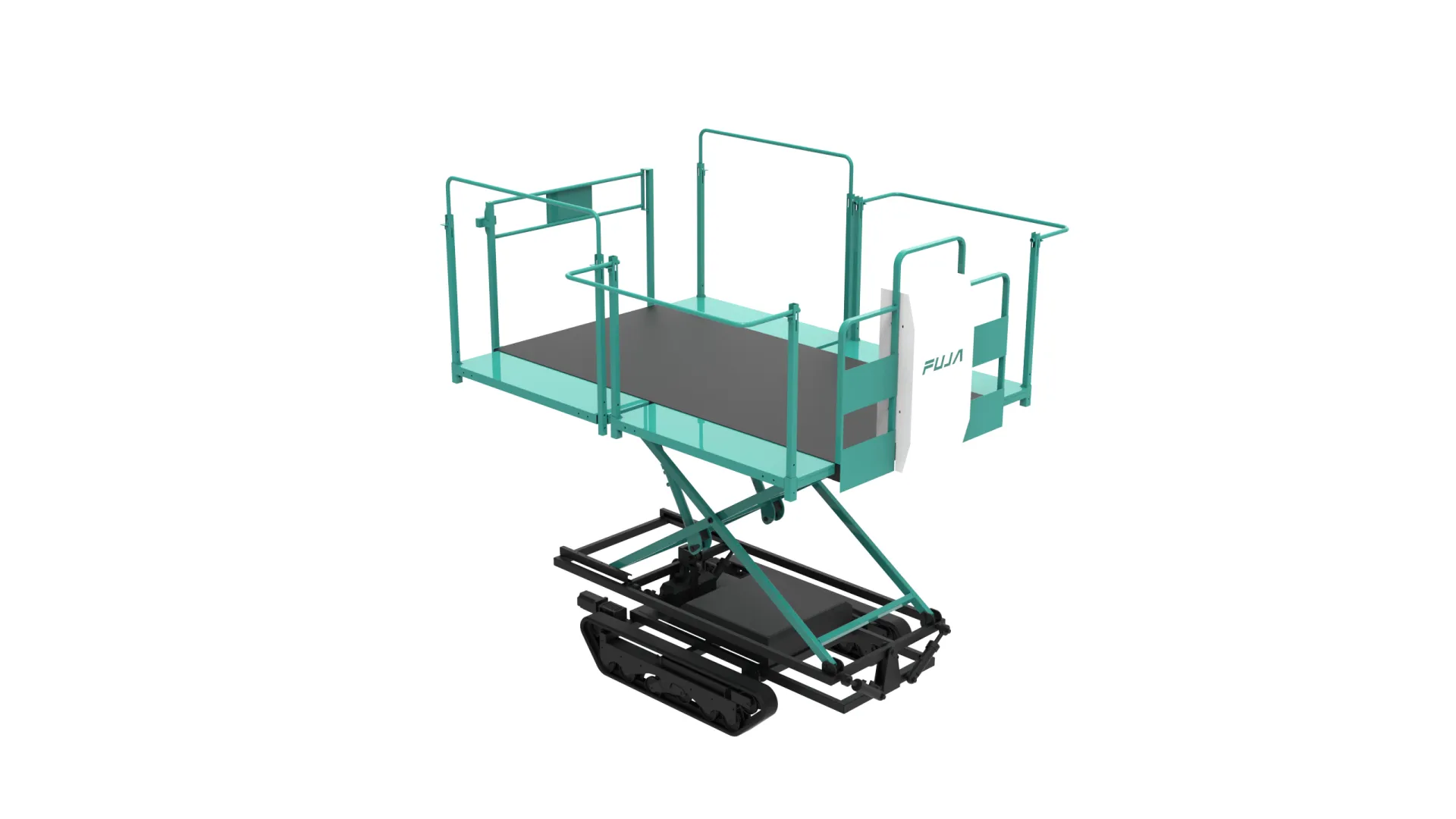
Crawler Multi-purpose Platform

What to Verify About the Platform Design

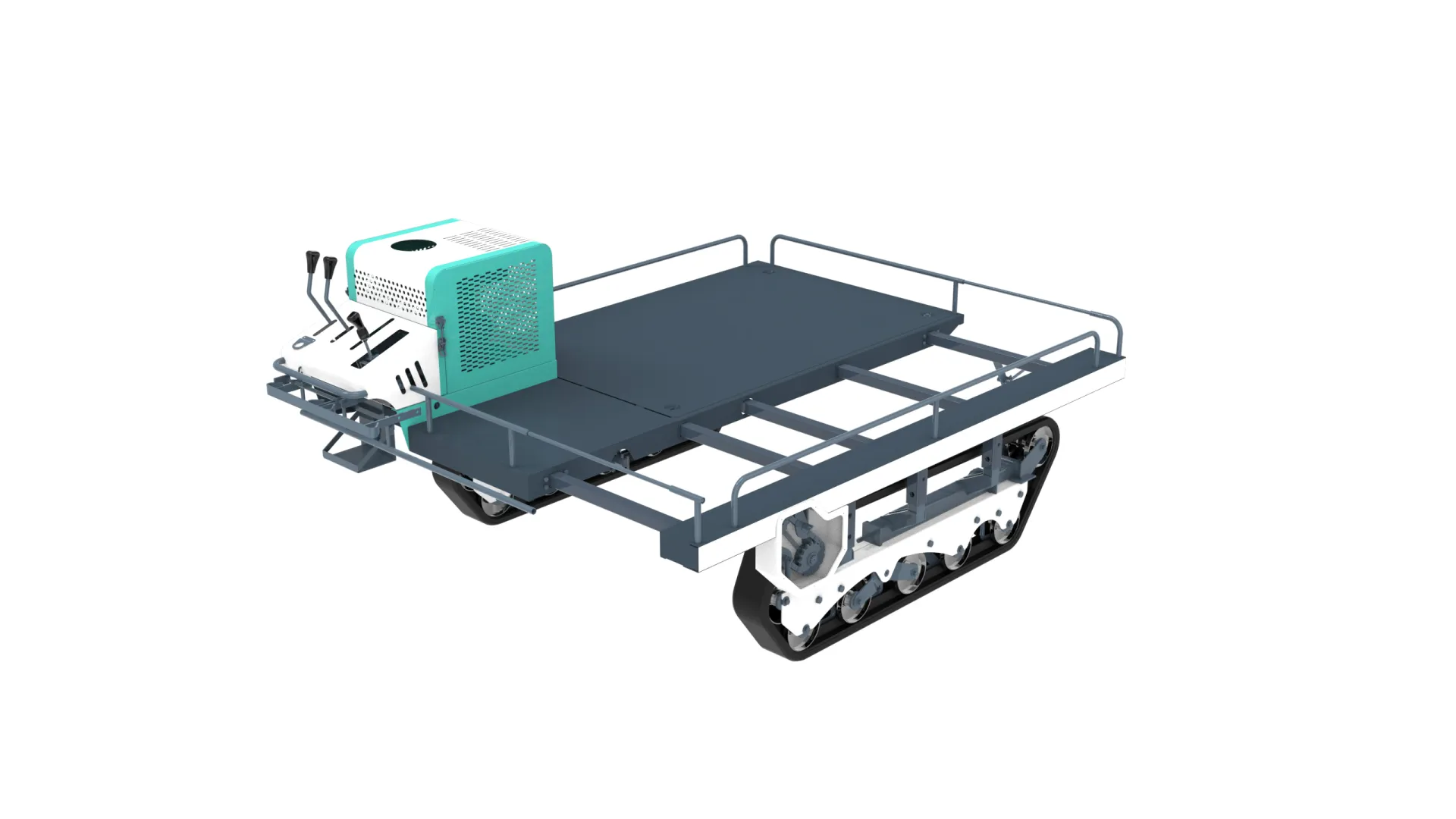
Tracks distribute machine weight over a contact area and provide continuous ground engagement; this general design can be relevant where wheeled access is difficult. It does not, by itself, prove that a platform will avoid soil compaction, climb a particular slope, or travel reliably in wet ground. Those outcomes depend on details such as machine mass, track dimensions and construction, drive arrangement, ground clearance, and the surface being crossed. None of these product-specific details is available in the supplied information. Buyers should therefore request a drawing or technical description of the actual tracked power platform, including its running gear and the way equipment or implements attach to the base. Ask whether the stated configuration includes the power unit, controls, operator station, and any working equipment, or whether these are separate options. Confirm how the platform is steered and controlled, and whether the manufacturer publishes limits for gradient, ground condition, and operating load. A clear explanation of the machine’s structure helps distinguish a complete working unit from a carrier chassis or platform that needs additional equipment before it can perform a task.
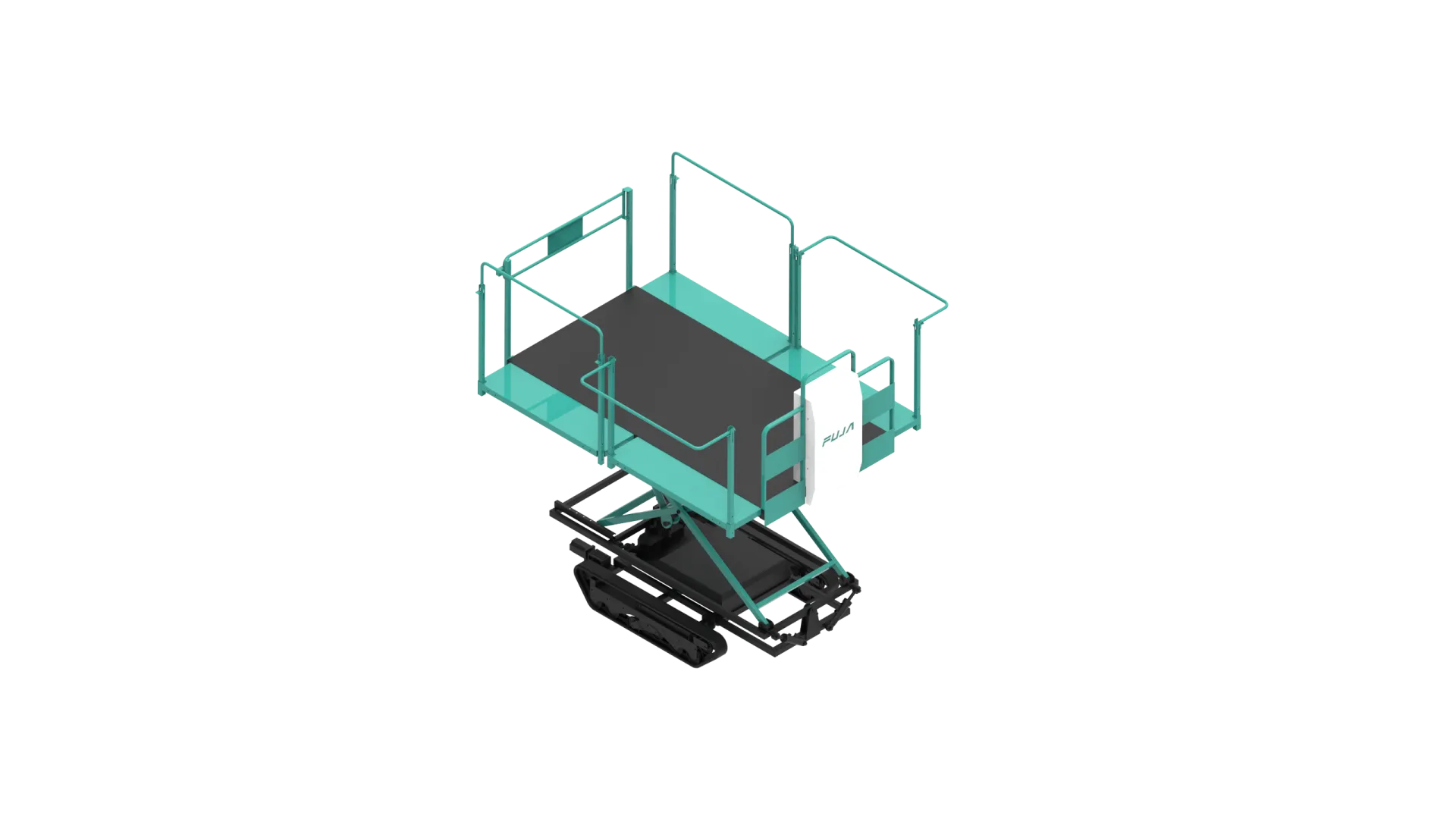

Crawler Multi-purpose Platform

Check the Working Conditions Before Assuming Fit

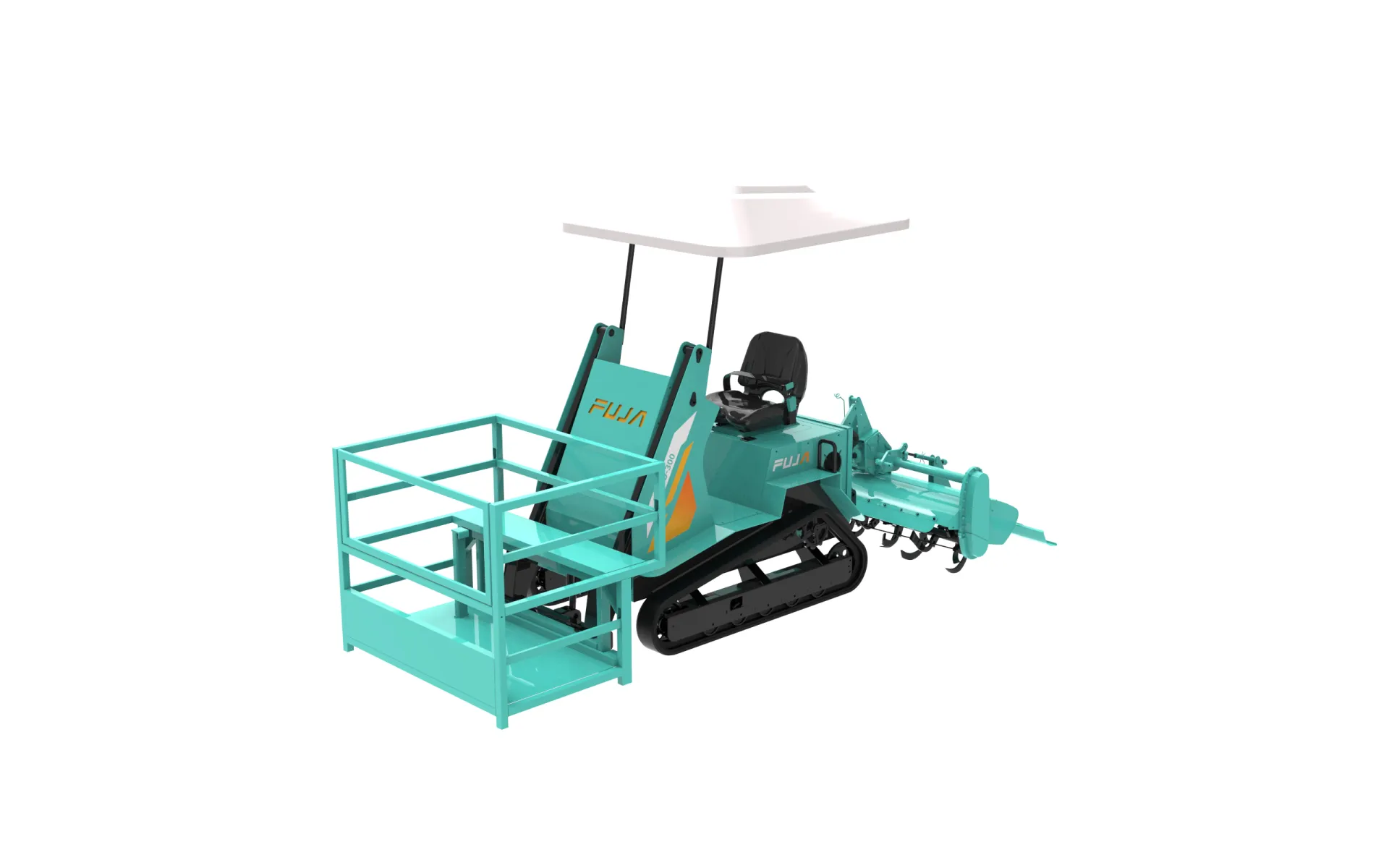
A tracked power platform may be considered for field operations where ground access, traction, or maneuverability matters, but the available information does not confirm a specific crop, task, or terrain capability for this product. Assess fit against the actual worksite rather than relying on the word “tracked.” Describe whether the machine will operate on prepared fields, soft or wet soil, slopes, headlands, farm tracks, or mixed surfaces, and explain seasonal changes that affect access. Then connect those conditions to the job: carrying materials, supporting a tool, or performing another operation. The supplier should confirm the platform’s operating limits and whether the intended equipment is compatible. Also consider the route between fields, turning space, ground clearance, and how the machine will be transported; a platform suitable for a work area may still be impractical to move between sites. Do not assume the tracks make every surface suitable or that an agricultural label guarantees compatibility with a particular crop system. If the manufacturer cannot provide relevant limits for the proposed configuration, treat terrain suitability as unverified and request a technical review before purchase.

Crawler Multi-purpose Platform

Prepare a Useful Product Inquiry

To get a meaningful recommendation, send the supplier a short operating brief rather than asking only for a brochure. Identify the task, location and terrain, expected working conditions, and any implement or payload you need the platform to support. Include dimensions or weight for the equipment where available, plus photographs or a simple layout of access routes if they help explain the site. Ask the manufacturer to identify the exact model and configuration that could address the job, then request the current datasheet and written confirmation of compatibility. The materials supplied here do not list models, options, attachments, capacity, or power ratings, so those details must come from the supplier. Include questions about operating limits, routine maintenance requirements, transport arrangements, and which components are included in the quoted configuration. Since CE is listed at company level, ask for the applicable declaration or documentation for the specific machine being offered and the destination market. The manufacturer reports global service, but the information does not define local coverage; confirm the support route and parts arrangements for your country before finalizing the purchase.

News

Industry updates

Products

Production modules

Why Choose Us

A Manufacturing Base With R&D and Global-Service Focus

The manufacturer presents itself as an agricultural machinery supplier with a high-end, innovation-led position. Its stated 68,000 m2 smart manufacturing base gives buyers a concrete point to explore when discussing production capability, while its intelligent R&D focus is described as designing for real-world challenges. The company also cites smart manufacturing as a way to build reliable performance and reports serving 150+ customers. These are useful starting points for a supplier assessment, but they are not substitutes for platform-specific evidence: ask how the tracked power platform is built, inspected, and documented, and request records that relate to the configuration under consideration. The brand lists CE certification, so confirm which product and market the documentation covers instead of assuming every machine is included. It also describes global service; clarify what support is available in your operating region, including the contact channel and parts process. For a high-value equipment purchase, a direct review of the intended task, technical documents, conformity paperwork, and support arrangements will show whether the supplier’s stated capabilities align with your requirements.

FAQ

Common technical questions

What information should I provide to get a recommendation for a tracked power platform?

Describe the task, terrain and seasonal conditions, required implement or payload, access constraints, and destination market. Ask the supplier to identify a specific model and configuration and provide its datasheet and compatibility confirmation.

Can this platform work in wet fields or on slopes?

The supplied product information does not specify wet-ground or slope limits. Request written operating limits for the exact configuration and explain the soil, gradient, and working conditions at your site before treating it as suitable.

Does CE certification apply to the tracked power platform?

CE is listed in the brand information, but no product-specific declaration was provided. Ask for the conformity documents applicable to the exact platform configuration and intended market.

How should I compare a tracked platform with a wheeled machine?

Compare the machines against the same task and site conditions. Request verified data for dimensions, load, power, ground contact, operating limits, implement compatibility, and transport; none of those product-specific figures is available here.

Need a solution for your project?

Share your product type, target capacity, and application requirements. Our team can review the details and recommend a practical next step.

Contact Us