

Home » tractor crawler in Philippines

Tractor Crawler in Philippines: Match Equipment to Your Land

tractor crawler in Philippines

A tractor crawler is an agricultural tractor that moves on continuous tracks rather than conventional wheels. For buyers in the Philippines, that distinction matters when fields are soft, uneven, or difficult to access with wheeled machinery. The right machine depends on the work it must perform, the ground conditions, and the implements it needs to operate. Agricultural Machinery Manufacturer & Supplier serves agricultural buyers with a stated focus on intelligent R&D, smart manufacturing, and global service. Its profile also lists a 68,000 m² smart manufacturing base, more than 150 customers, and CE certification; these details do not confirm a particular crawler model or its specifications. Before comparing machines, define the intended tasks and describe the land where they will run. Then confirm track design, operating dimensions, power, attachments, parts support, and applicable certification for the exact model. These details help determine whether a tractor crawler is a practical fit for a farm, plantation, or other agricultural operation in the Philippines.

Technical Detail

Configured around process stability, mold life, and long-term uptime.

A tractor crawler is a tracked agricultural tractor intended to move under its own power while carrying out farm work or operating compatible implements. The continuous track system is the defining feature: unlike a wheeled tractor, it distributes contact across a longer ground area. Actual traction, soil impact, turning behavior, and operating limits depend on the machine’s design and the ground, so buyers should verify model-specific data rather than assume every crawler suits every field. This product page is for Philippine farmers, plantation operators, agricultural contractors, and equipment distributors assessing tracked machinery for their work. The manufacturer identifies itself as an Agricultural Machinery Manufacturer & Supplier and describes a 68,000 m² smart manufacturing base, intelligent R&D, and smart manufacturing. It also lists more than 150 customers and CE certification. These are company-provided credentials, not a substitute for confirming the certification and specification of the tractor crawler being quoted. No model, engine output, track width, dimensions, implement list, or operating limits have been supplied here. For that reason, treat this page as an introduction to the product category, not a specification sheet. Request the current model documentation before making a purchasing decision, and compare stated capabilities with the actual soil, access routes, crop rows, and tasks at your site.

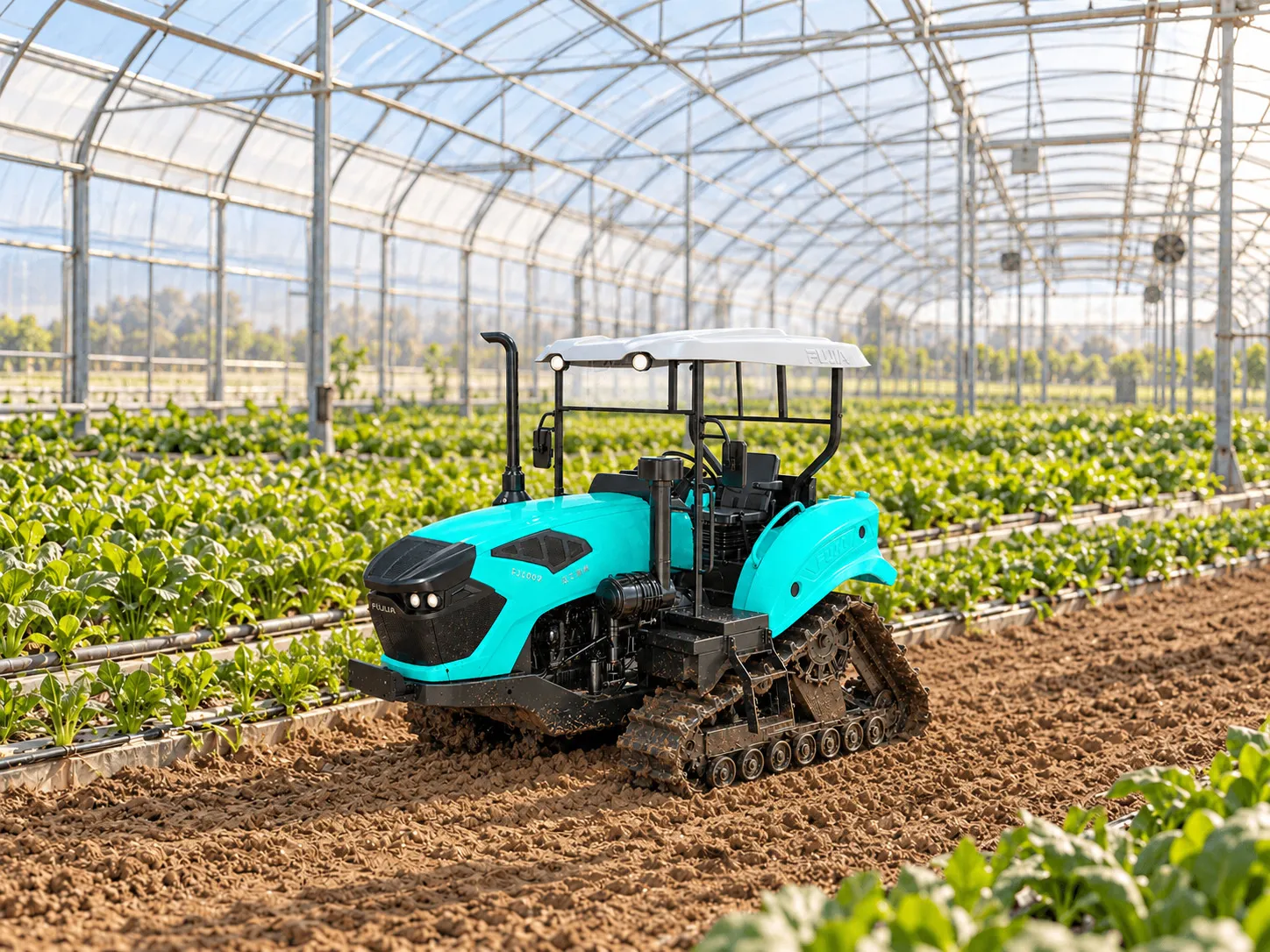
Intelligent Crawler Tractor

How a tracked tractor works in the field

A crawler tractor uses linked track assemblies to move instead of relying on separate tires. As the drive system turns the tracks, their contact with the ground supports the machine and enables it to travel across the field. In general, a longer ground-contact area can help spread the machine’s load, but the result depends on track dimensions, machine weight, soil moisture, and operating technique. Track layout and undercarriage components also affect turning, clearance, and maintenance needs. These are general characteristics of tracked machinery, not confirmed specifications for a particular model from Agricultural Machinery Manufacturer & Supplier. Its company profile describes intelligent R&D intended to address real-world challenges and smart manufacturing focused on consistent production; it does not identify a crawler design or explain its undercarriage. Ask for a technical drawing or product manual showing the track assembly, ground clearance, overall dimensions, and service points for the model under consideration. That information will make it easier to understand how the machine is built and what routine inspection involves. Avoid inferring track pressure, turning radius, or service intervals from the word “crawler” alone; those values must come from the manufacturer’s documentation.
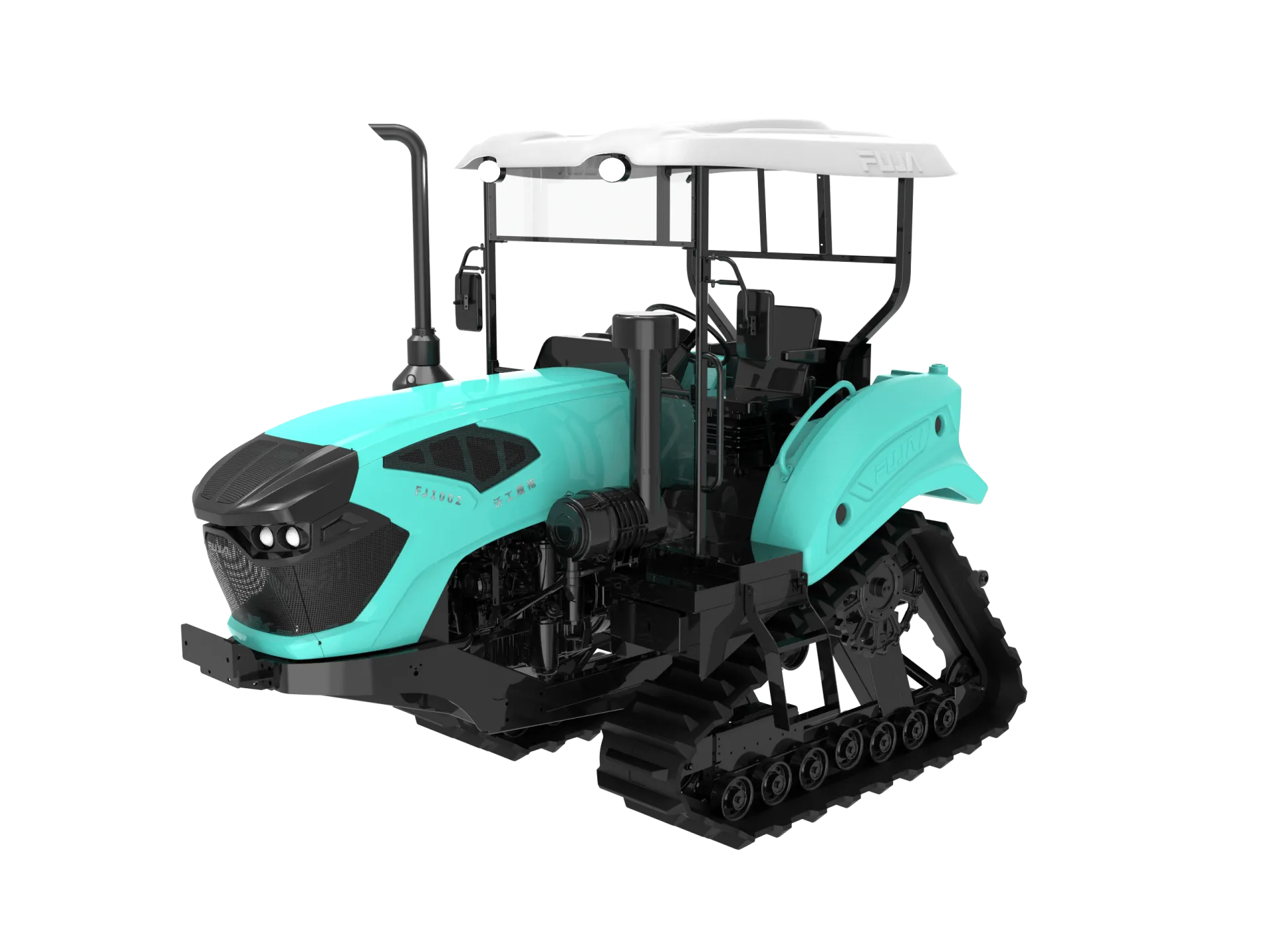

Intelligent Crawler Tractor

Check whether your Philippine site suits a crawler

Suitability starts with the worksite, not the product label. A crawler may be worth assessing where agricultural work involves soft or uneven ground, but the exact advantage depends on soil conditions and machine design. Describe whether the land is dry, wet, sloped, compacted, or seasonally flooded, and note narrow entrances, roads, bridges, and crop-row spacing. These details can reveal access or maneuvering constraints before a purchase. Also identify the main tasks: land preparation, transport, crop maintenance, or work with a specific implement. Do not assume a tractor crawler is suitable for all of them; confirm the approved operating conditions and implement compatibility for the exact model. The manufacturer states that it provides global service, but the available information does not specify a Philippine service location, response time, or parts inventory. Ask how support and replacement parts are handled for your location. A useful assessment is therefore based on three things: documented machine limits, the conditions at your site, and the support route available after delivery. If any of these are unclear, get written answers before treating the machine as a fit.

Intelligent Crawler Tractor

Prepare a focused crawler tractor inquiry

To get a useful recommendation, send the supplier a short operating brief rather than asking for a generic crawler price. Include your location in the Philippines, the work the tractor will perform, the type and condition of the ground, approximate access and crop-row constraints, and the implement or attachment you expect to use. Ask which current crawler models can perform those tasks and request the specification sheet, operating limits, dimensions, and compatible implements for each suggested configuration. Confirm the engine and track specifications from the actual documents; none are stated in the information available for this page. Request details of the warranty, routine maintenance requirements, spare-parts process, and support coverage for your area, without assuming these are included. The company profile lists a 68,000 m² smart manufacturing base, intelligent R&D, smart manufacturing, global service, more than 150 customers, and CE certification. Ask the supplier to clarify which of these apply to the specific machine and what documentation can be provided. This gives your team a practical basis for comparing proposals and helps prevent a category-level description from being mistaken for a confirmed model offer.

News

Industry updates

Products

Production modules

Why Choose Us

An established manufacturing profile, with model details to confirm

Agricultural Machinery Manufacturer & Supplier presents itself as a high-end agricultural machinery brand with a focus on innovation. Its stated 68,000 m² smart manufacturing base provides buyers with a concrete point to discuss production capability, while its intelligent R&D positioning is directed at practical operating challenges. The company also describes smart manufacturing as part of its approach to building reliable equipment and reports serving more than 150 customers. These statements offer context about the supplier, but they do not establish the performance, availability, or service coverage of a tractor crawler for a particular Philippine operation. The brand lists CE certification; buyers should request the relevant certificate and confirm its scope and applicability to the quoted model and destination. It also describes global service, so ask what support is actually available in your region, including maintenance guidance and parts arrangements. The strongest next step is a model-specific technical discussion: provide your field conditions and intended tasks, then request written specifications and supporting documents. That lets you assess the supplier’s stated manufacturing and service capabilities against evidence for the exact equipment being considered.

FAQ

Common technical questions

Is a tractor crawler the same as a standard wheeled farm tractor?

No. A crawler uses continuous tracks, while a standard farm tractor uses wheels. Their traction, maneuverability, ground contact, and maintenance needs differ by design. Compare the documented specifications for the machines and the conditions at your site.

What information should I provide to check suitability for my farm in the Philippines?

Describe the soil and seasonal conditions, slopes, field access, crop-row or turning constraints, intended tasks, and any implements you need to use. The supplier will also need your location to clarify what service and parts support can be provided there.

Can I attach my existing implements to a tractor crawler?

Do not assume compatibility. Provide the implement make and model, connection details, and intended use, then ask the supplier to confirm compatibility for the specific crawler configuration in writing.

What should I verify about CE certification before ordering?

Ask for the certificate and confirm the named manufacturer, product or model scope, and applicable requirements for your purchase. The brand profile lists CE certification, but the available information does not establish which crawler model or documentation it covers.

Need a solution for your project?

Share your product type, target capacity, and application requirements. Our team can review the details and recommend a practical next step.

Contact Us




