Home » small tracked tractor

Small Tracked Tractor for Compact Farm Operations

small tracked tractor

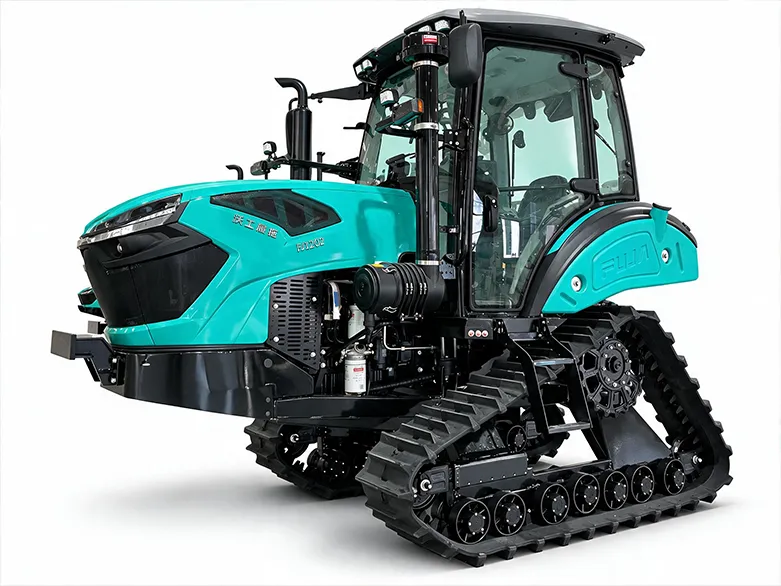
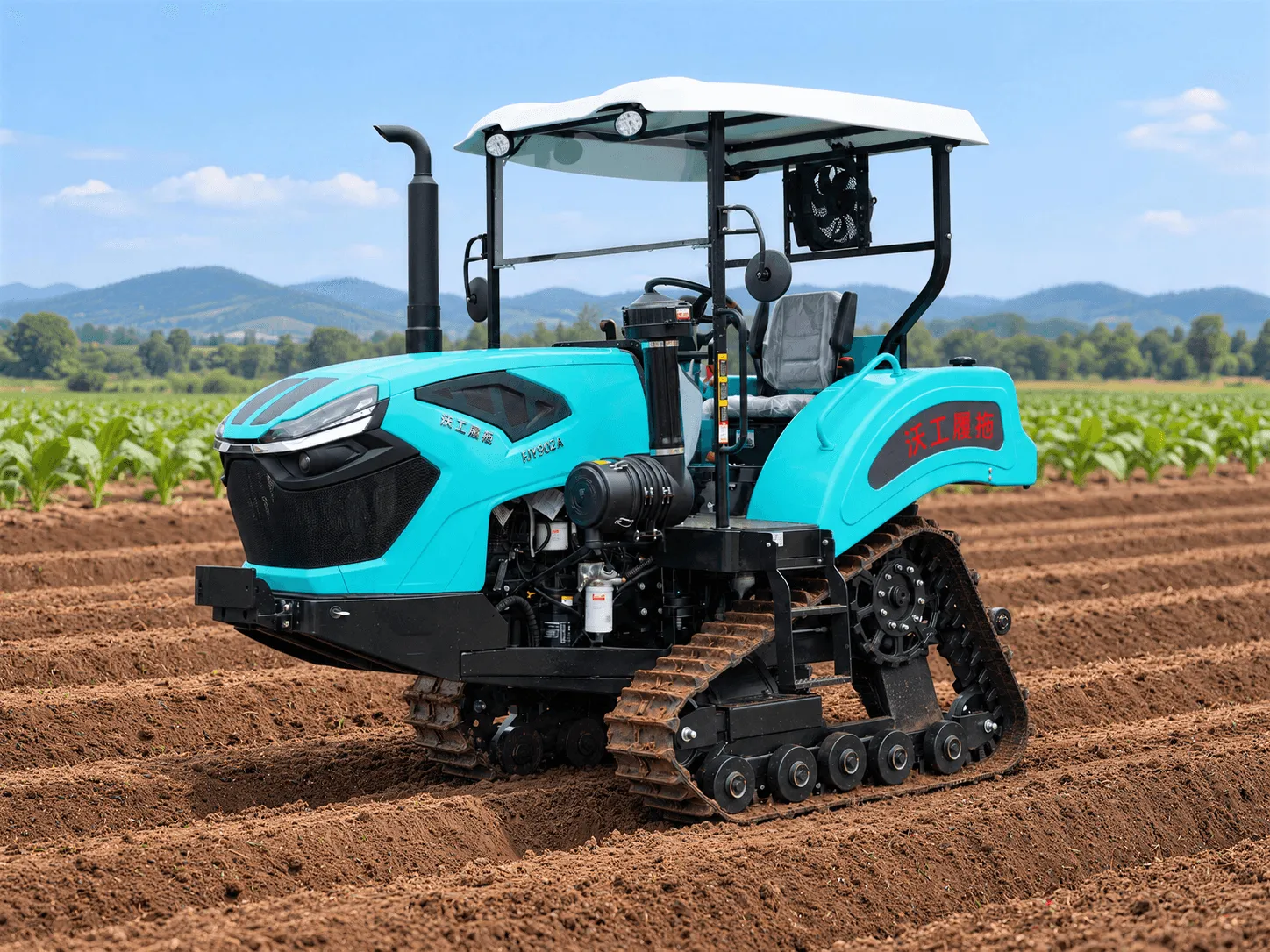
A small tracked tractor is a compact agricultural machine that uses continuous tracks instead of conventional wheels for propulsion. Buyers often consider this format when planning work on ground where traction, soil contact, or maneuverability may matter. The phrase alone, however, does not specify engine power, machine dimensions, track width, implement compatibility, or operating limits. Those details vary by model and should be confirmed before comparing products. This page is for farm operators, agricultural contractors, and equipment distributors assessing a tracked machine for defined field tasks. Suitability depends on the actual terrain, soil condition, slopes, access routes, workload, and attachments required; a tracked undercarriage is not a substitute for checking the manufacturer’s operating limits. The manufacturer behind this offering describes a high-end, innovation-focused operation with a 68,000 m² smart manufacturing base, intelligent R&D, and global service. To move from a general search to a useful product match, prepare your work requirements and ask the supplier to confirm the available model specifications, applicable documentation, and configuration options.

Technical Detail

Configured around process stability, mold life, and long-term uptime.

A small tracked tractor is a category of agricultural tractor distinguished by its track-based drive system and compact format. It may be relevant to buyers looking for a machine for farm work where a wheeled tractor’s footprint or traction characteristics need to be compared with a tracked alternative. The right match depends on the actual job: the machine must be compatible with the required implements and suited to the ground, access conditions, and operating pattern. No model-specific data has been supplied for this listing, so engine output, operating weight, track dimensions, speed, lifting capacity, and implement interfaces should not be assumed from the keyword. The manufacturer positions itself as a high-end agricultural machinery supplier, with a 68,000 m² smart manufacturing base and an intelligent R&D focus described as design for real-world challenges. Its stated manufacturing approach emphasizes precision builds and reliable performance. The company also reports serving more than 150 customers and providing global service; these are brand-level statements, not specifications or guarantees for a particular tractor. CE is listed among the brand’s certifications, but buyers should verify whether the exact model and proposed configuration are covered by applicable CE documentation. Before treating a small tracked tractor as a fit, confirm its technical sheet, intended applications, permitted operating conditions, available attachments, and compliance documents with the supplier.

Hilly and Mountainous Areas Crawler Tractor

How the Tracked Drive Changes the Machine

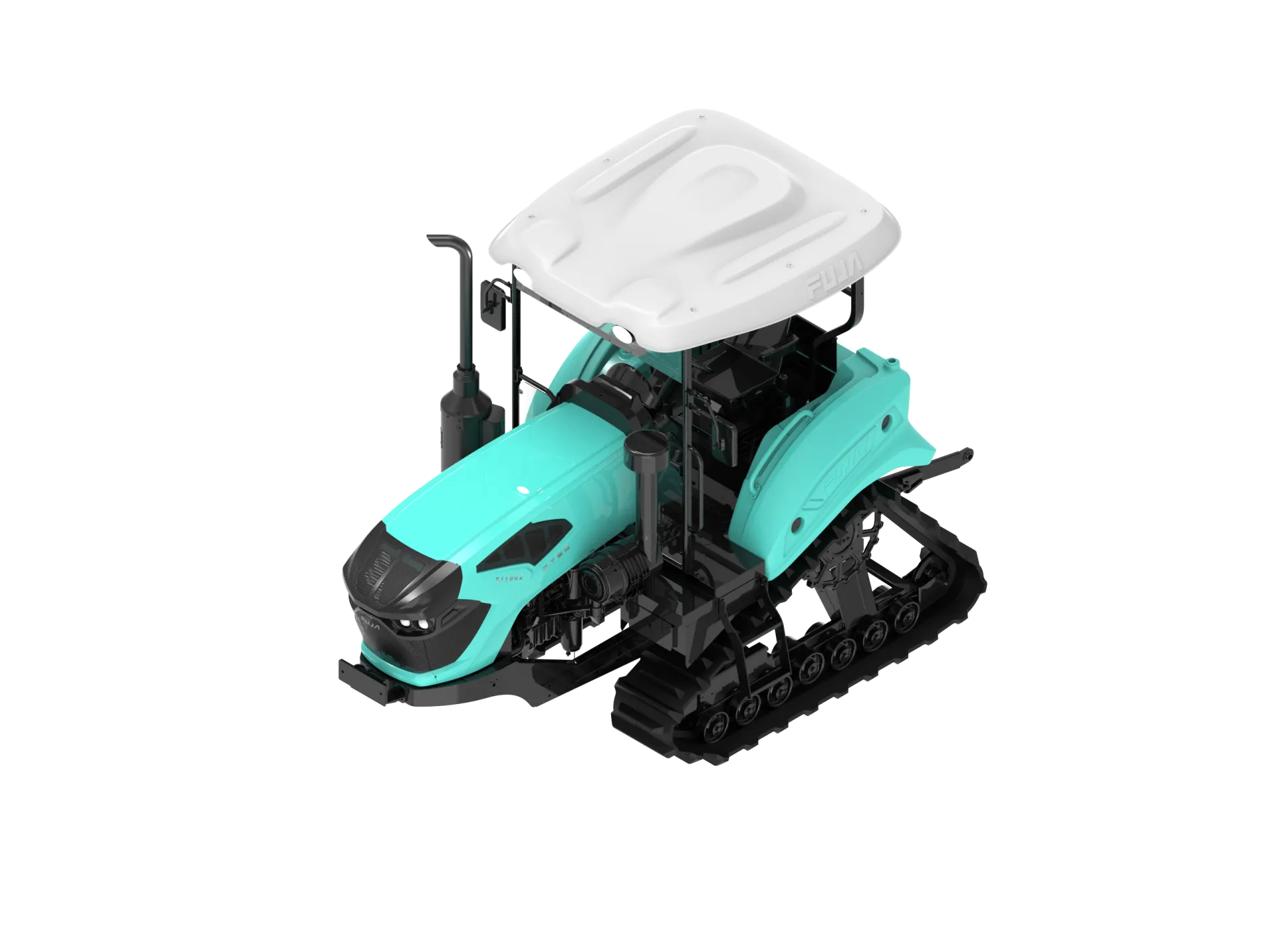
Unlike a wheeled tractor, a tracked tractor transfers drive through continuous tracks. That basic distinction affects how the machine contacts the ground and how it moves, but it does not by itself establish a particular level of traction, soil protection, or slope capability. Those outcomes depend on the track design, machine weight, dimensions, powertrain, and operating conditions, none of which are specified for this product listing. Buyers should therefore treat “small tracked tractor” as a product category, not a complete technical description. Request a model drawing or specification sheet showing the undercarriage layout and track dimensions, along with the manufacturer’s explanation of the drive system. Also ask which components are included in the quoted machine and which, if any, are optional. The supplier describes intelligent R&D intended to address real-world challenges, but that general capability does not confirm a particular design feature on an unspecified model. Reviewing model-specific information is the practical way to understand how the tractor is built and what the track configuration is intended to do.

Hilly and Mountainous Areas Crawler Tractor

Check the Ground and Work Before Judging Fit

A tracked format may be worth evaluating when field access, soil conditions, or the planned work make undercarriage choice an important part of the purchase. It is not automatically suitable for every farm or surface. Confirm the machine’s permitted operating conditions before using it on steep ground, soft or waterlogged soil, hard surfaces, narrow routes, or areas with obstacles. A compact label also does not guarantee that the tractor will fit through a gate or work between rows; verify overall dimensions and turning requirements for the specific model. Start with the task, then document the soil and terrain, slopes, access width, expected hours of use, and any seasonal changes in conditions. Compare these facts with the supplier’s stated limits and request clarification wherever the technical sheet is silent. If the tractor will run an implement, verify compatibility and operating requirements rather than assuming that a small machine can handle it. This assessment helps buyers distinguish a genuine application fit from a broad category match without relying on unverified performance claims.

Hilly and Mountainous Areas Crawler Tractor

Prepare a Useful Request for Model Details

A focused inquiry helps the supplier identify which small tracked tractor models, if any, match the intended work. Include the country of use, farm or worksite conditions, the main tasks, access constraints, and the implements you expect to use. Ask for the current model list and technical sheets, including dimensions, weight, engine information, track details, operating limits, and implement connections. These figures are not available in the supplied product information, so request them rather than using estimates. If attachments or other configurations are offered, ask which are confirmed compatible with each model and whether they change operating requirements. Request the applicable CE documentation for the exact model and configuration you are considering; the brand lists CE certification, but that alone does not establish coverage for every product. Before comparing quotations, make sure each supplier is responding to the same scope: tractor configuration, included equipment, documentation, and destination-market requirements. The manufacturer’s stated global service capability may be relevant to support planning, so ask what service resources and parts information apply in your region. Keep answers and documents together for a clear technical and procurement review.

News

Industry updates

Products

Production modules

Why Choose Us

An Innovation-Led Manufacturer for Tracked Tractor Inquiries

The manufacturer presents a combination of engineering, production, and international market experience that can support a considered equipment inquiry. Its 68,000 m² smart manufacturing base is a stated part of its production platform, while its intelligent R&D team is described as designing for practical operating challenges. The company also says its smart manufacturing approach focuses on precision builds and reliable performance. These are useful starting points for a buyer evaluating how a supplier approaches product development and production, but they do not replace model-level specifications or inspection requirements. The brand reports serving more than 150 customers and providing global service, which may be relevant to distributors and operators planning to purchase across borders. Ask the supplier what technical and service information is available for your destination and intended machine. CE appears in the provided brand credentials; confirm the specific documentation and product scope for the model under review. For a small tracked tractor, the strongest basis for confidence is a clear match between the supplier’s documentation, the intended work, and the configuration offered.

FAQ

Common technical questions

What should I compare between small tracked tractor models?

Compare verified specifications for engine output, operating weight, track dimensions, overall size, operating limits, and implement connections. The product information provided here does not include model-specific figures, so request the technical sheets before comparing.

Is a small tracked tractor suitable for steep or wet ground?

That depends on the exact model and the site conditions. Ask the supplier for written operating limits covering slope, soil, and surface conditions, and do not infer safe capability from the tracked design alone.

What information should I send when asking for a quotation?

Describe the tasks, terrain, access constraints, country of use, and any implements you need to run. Ask for the matching model’s specifications, available configuration details, applicable CE documents, and information about service support in your region.

How can I check whether an implement will work with the tractor?

Provide the implement’s model and technical requirements, then ask the supplier to confirm compatibility with the specific tractor configuration. Do not assume a connection or capacity based only on the machine being described as compact.

Need a solution for your project?

Share your product type, target capacity, and application requirements. Our team can review the details and recommend a practical next step.

Contact Us