

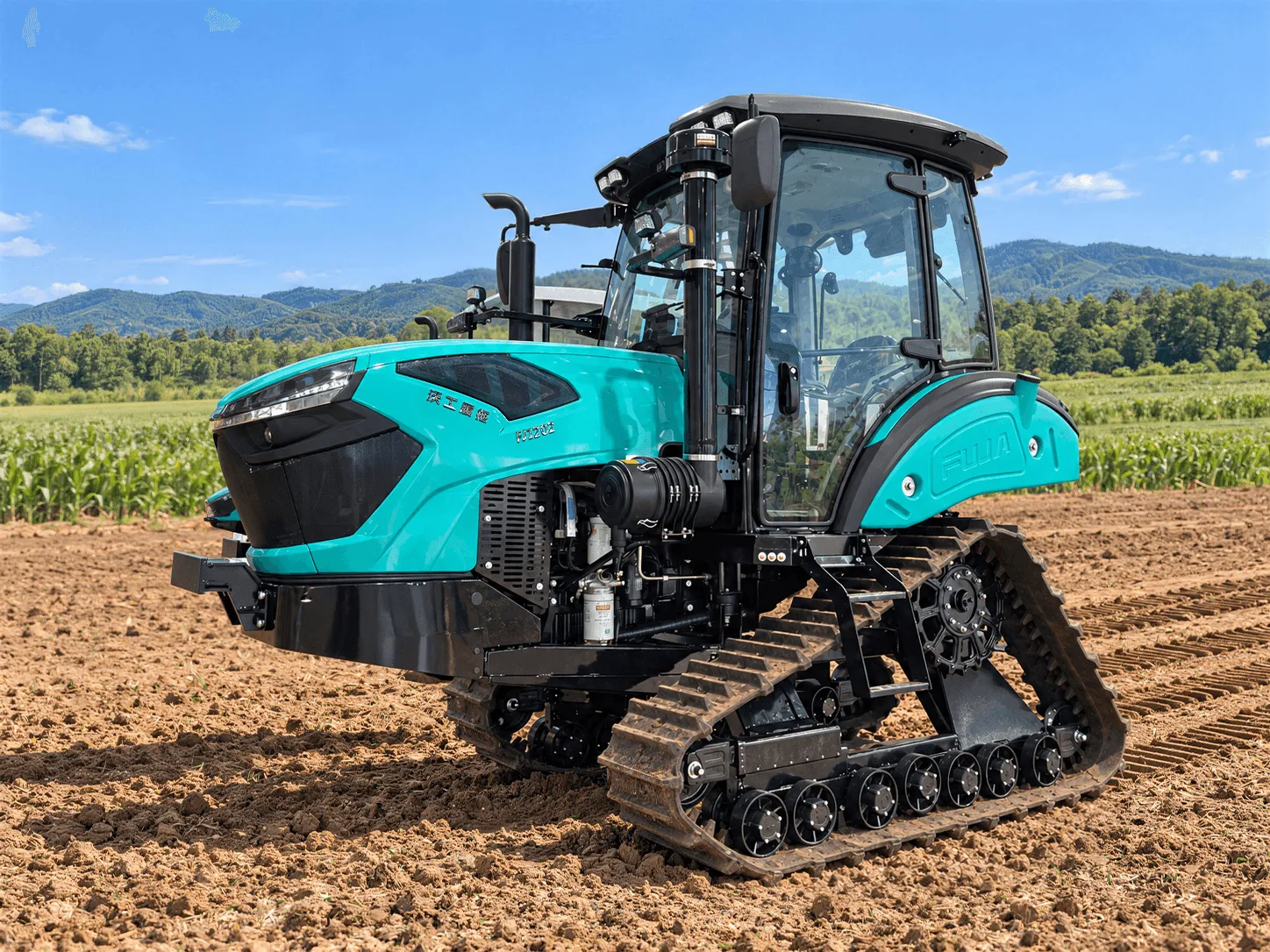
Home » farm track tractor supplier

Farm Track Tractor Supplier for Your Supplier Review

farm track tractor supplier

Choosing a farm track tractor supplier involves more than comparing a product name. Buyers need to establish what machinery a supplier actually offers, which documents apply to the product under review, and whether its manufacturing and support capabilities fit the project. The available company information identifies the business as an agricultural machinery manufacturer and supplier, with a 68,000 m2 smart manufacturing base, intelligent R&D, and global service positioning. It also reports work with 150+ customers and lists CE certification. No specific tractor model, track configuration, engine, dimensions, capacity, or test results have been provided here, so those details should be confirmed directly rather than assumed. This page gives procurement teams a practical starting point for deciding whether the supplier merits a closer review. Before requesting a quotation, share the intended work, operating conditions, destination market, and any required compliance documents. Then ask the supplier to connect each claim to the proposed machine and its supporting records. That evidence-led approach helps distinguish general company credentials from information relevant to your purchase.

Technical Detail

Configured around process stability, mold life, and long-term uptime.

For buyers searching for a farm track tractor supplier, the first useful distinction is between company-level claims and evidence tied to the machine being quoted. The company presents itself as an agricultural machinery manufacturer and supplier, highlighting a 68,000 m2 smart manufacturing base and intelligent R&D focused on practical design challenges. It also reports serving 150+ customers. These details offer context for an initial vendor screen, but they do not establish which tractor models are currently available or what specifications any model meets. The company lists CE certification. Because no certificate copy, model reference, or scope information is included in the available product materials, buyers should request the relevant documentation and confirm that it covers the specific machine and destination market. The same principle applies to claims about manufacturing capability: ask which production steps are performed at the stated base and what quality records can be shared for the quoted configuration. No product sheet was supplied for this page, so it would be misleading to publish track width, engine output, operating weight, attachments, or performance figures. Instead, use the inquiry stage to establish the actual product range and obtain a dated technical specification for the proposed tractor. A supplier is ready for further review when its company profile, model offer, compliance documents, and written responses can be checked against one another. The information provided supports an initial conversation, while the final assessment depends on model-specific evidence.

Heavy-Duty Farm Crawler Tractor

What to Verify About the Tractor Range

The available company information identifies the business as an agricultural machinery manufacturer and supplier, but it does not name a farm track tractor model or define a product range. That gap matters: “farm track tractor” can describe different machine configurations, and the search phrase alone does not establish what this supplier manufactures or can quote. Request a current product list and identify the exact model proposed for your work before comparing suppliers. For that model, ask for a technical data sheet showing the machine configuration and the specifications relevant to your application. Confirm how the track system is described, which attachments or options are available, and whether the quoted unit matches the document. If the supplier proposes a configuration for a particular task, request an explanation that connects the proposed features to your operating requirements. The company’s intelligent R&D positioning may be a useful topic for that discussion, but it is not a substitute for model-level data. Treat any missing specification as an open question, not as an implied capability. A clear, internally consistent model description gives procurement and engineering teams a concrete basis for deciding whether to continue evaluation.
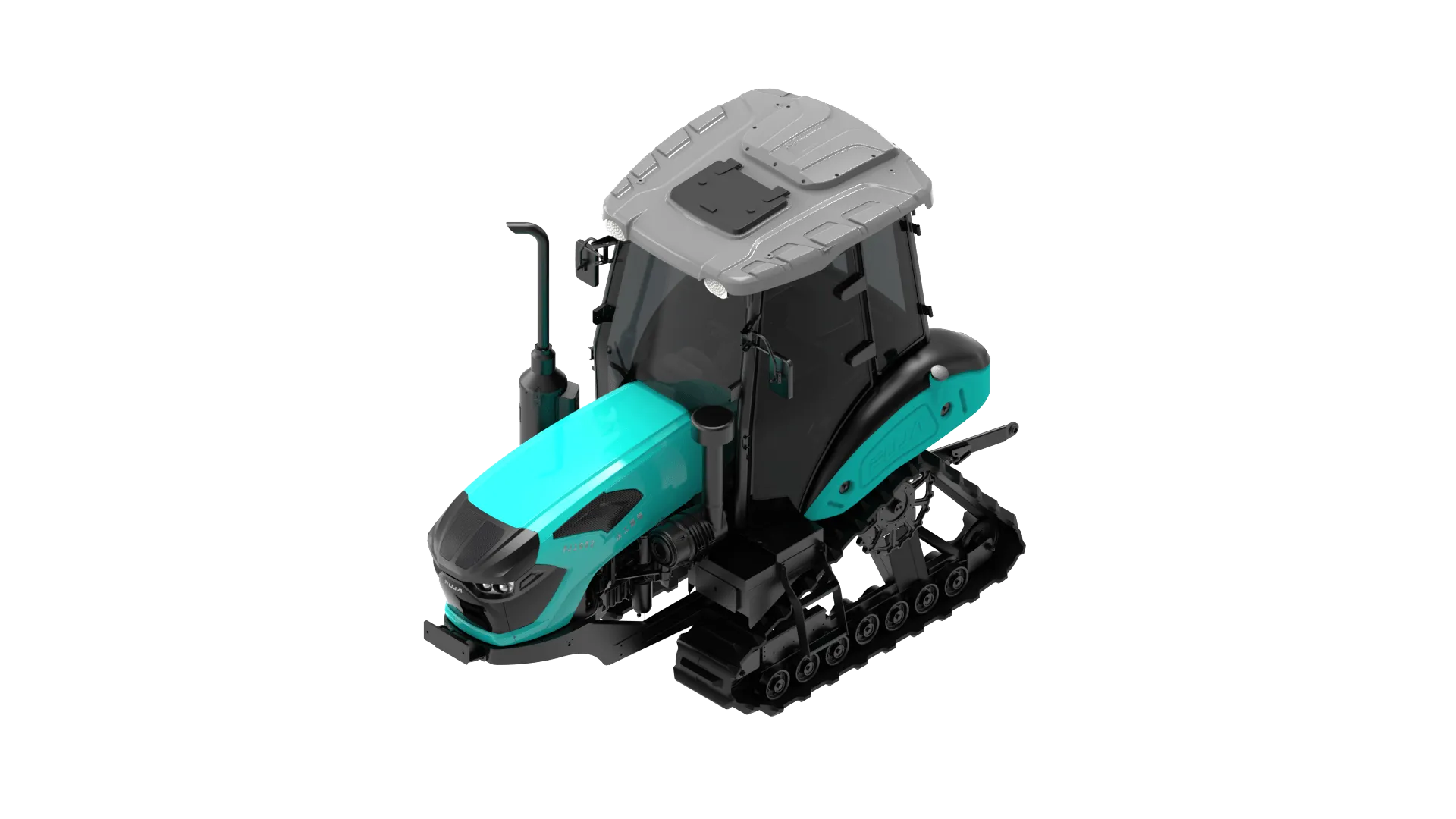

Heavy-Duty Farm Crawler Tractor

Check Whether Manufacturing Claims Fit Your Risk

A 68,000 m2 smart manufacturing base is a company-level credential. To judge its relevance to a farm track tractor purchase, ask the supplier to explain which manufacturing activities take place there and how the proposed machine moves through production. The available information does not identify specific equipment, process stages, inspection points, or production capacity, so these should be verified rather than inferred from the phrase “smart manufacturing.” For an initial supplier audit, request a process overview and the quality records available for the quoted model. Useful evidence may include inspection criteria, records linked to the unit or batch, and any applicable test documentation. Ask who is responsible for checks and when they occur; a process description is more meaningful when it identifies where a defect could be detected and how nonconforming work is handled. If a remote or on-site audit is possible, align the scope with your procurement requirements and the supplier’s available evidence. The company reports serving 150+ customers, which can support a follow-up discussion about its experience. It does not, by itself, establish experience with your market, application, or tractor configuration. Ask for relevant, non-confidential examples or references that the supplier is permitted to share, and evaluate the response alongside verifiable production and quality documents.

Heavy-Duty Farm Crawler Tractor

Prepare an Evidence-Based Supplier Inquiry

Before sending a request for quotation, assemble a short requirements brief: intended tasks, terrain and working conditions, expected operating pattern, destination country, and any required attachments or compliance documents. These details help the supplier identify whether it has a suitable farm track tractor to propose. Since no model specifications or customization limits were provided, ask the supplier to state what can be configured and what remains standard, then request the resulting configuration in writing. Use a document checklist to keep the review focused. Request the model-specific technical sheet, the CE documentation relevant to the proposed unit, available inspection or test records, and a written description of warranty and after-sales arrangements. For export orders, ask which shipping and customs documents the supplier can provide and how the machine is prepared for transport. The company’s global service positioning is worth clarifying in practical terms: ask what support channels apply in your destination market and what information or parts support may be available, without assuming a particular response time or local network. Compare answers across the same model and configuration. A supplier that responds clearly, identifies unavailable evidence, and distinguishes confirmed facts from items still to be checked is easier to advance through procurement review.

News

Industry updates

Products

Production modules

Why Choose Us

A Manufacturer Profile Buyers Can Put to the Test

The company’s stated profile gives buyers several concrete starting points for due diligence: it identifies itself as an agricultural machinery manufacturer and supplier, reports a 68,000 m2 smart manufacturing base, and describes an intelligent R&D function aimed at real-world design challenges. It also reports serving 150+ customers and positions its service as global. These are company-provided credentials, not independent proof of a particular tractor’s suitability, so the most useful next step is to ask for supporting documents tied to the model under consideration. The company lists CE certification, which may be relevant to a buyer’s compliance review. Request the certificate and its scope, then confirm the proposed machine is covered and that the documentation meets the requirements of the destination market. For manufacturing and quality assurance, ask what process and inspection evidence is available for the selected configuration. For service, establish the actual support arrangements relevant to your location rather than relying on a broad global-service statement. This evidence-first approach lets procurement teams assess the supplier on verifiable information: what it makes, how it documents quality, which compliance records apply, and how it handles support. If the responses align with your requirements, the supplier may merit the next stage of technical review or a formal inquiry.

FAQ

Common technical questions

Does the company currently offer a farm track tractor model?

The information available identifies the business as an agricultural machinery manufacturer and supplier but does not list a specific farm track tractor. Ask for its current model range and a technical data sheet for the unit it can quote.

What should I request to verify the CE claim for a tractor?

Ask for the CE documentation applicable to the exact proposed model and configuration, including its scope. Confirm the document is relevant to your destination market; the company-level statement alone does not establish coverage for a particular machine.

What details should I include when asking for a quotation?

Describe the work, terrain, operating conditions, destination country, required attachments, and any compliance needs. Ask the supplier to identify the proposed model and configuration in writing, and to list the technical and inspection documents available for it.

Can I assess the supplier without visiting its manufacturing base?

You can begin with a document-based review. Request a manufacturing process overview, model-related quality or inspection records, and applicable compliance documents. The company reports a 68,000 m2 smart manufacturing base, but specific processes and records need to be confirmed directly.

Need a solution for your project?

Share your product type, target capacity, and application requirements. Our team can review the details and recommend a practical next step.

Contact Us




