EN
 HR

How Track Layout Affects Field Mobility
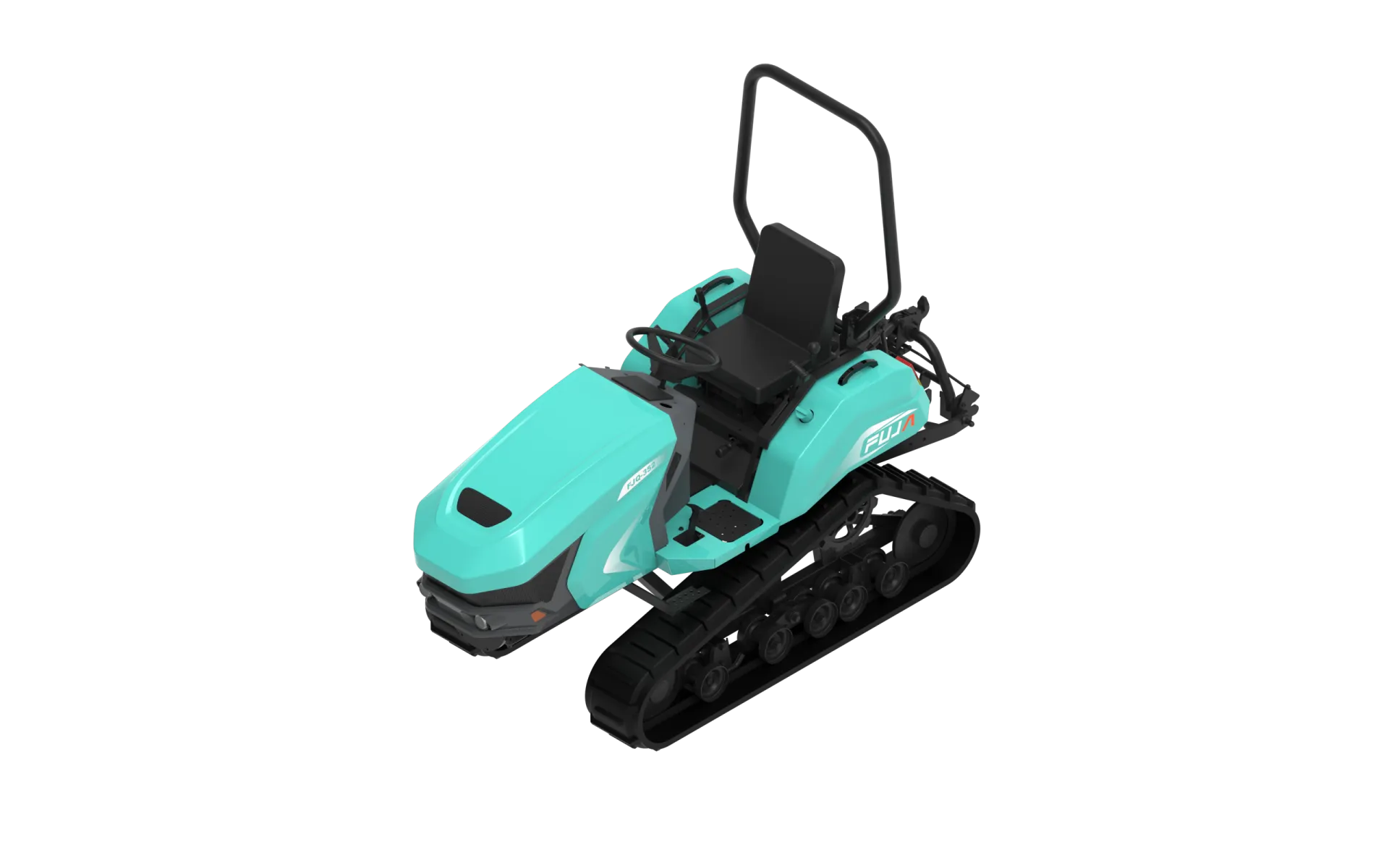
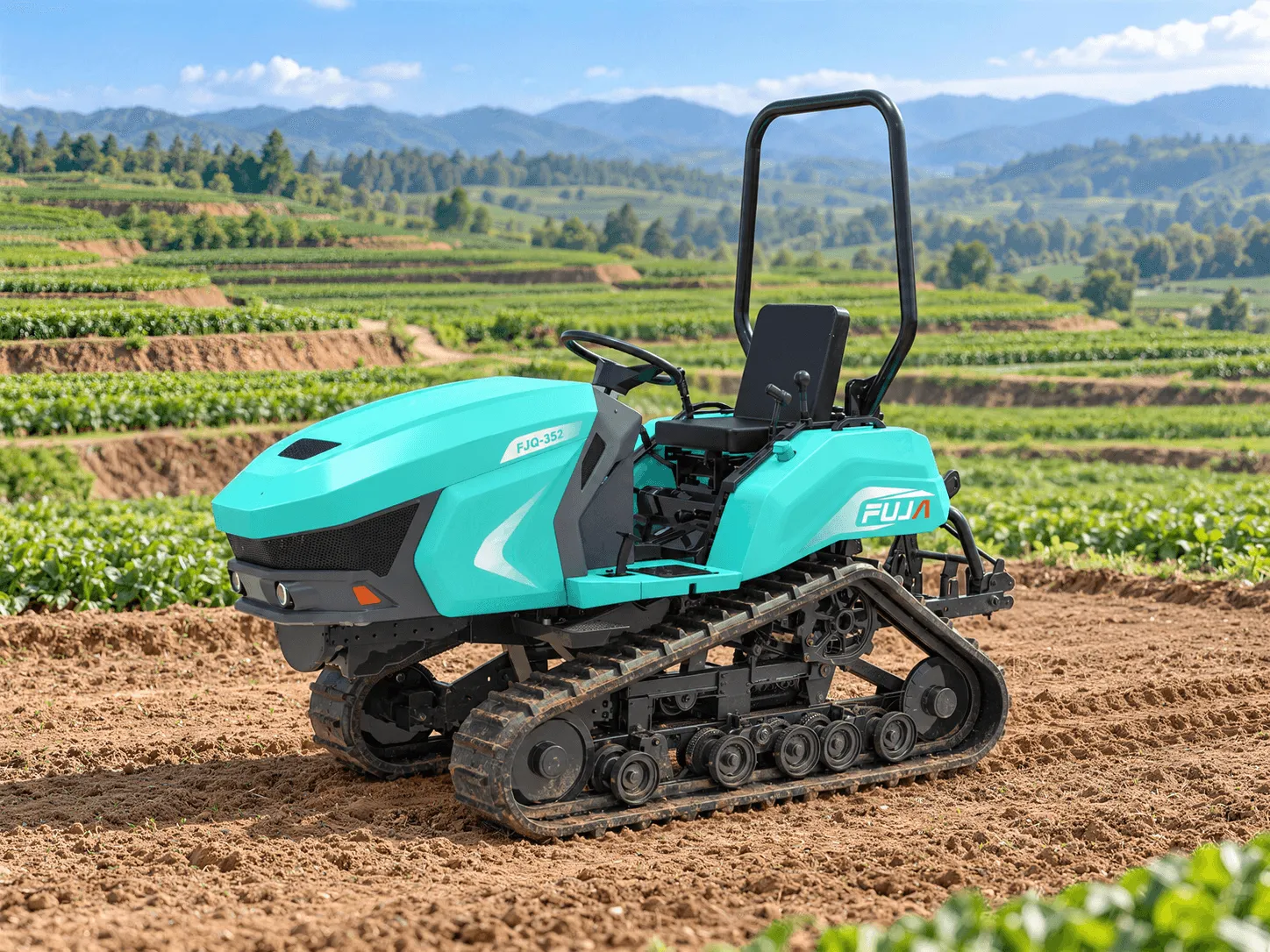
Tracks spread a machine’s contact with the ground across a longer footprint than a typical tire contact patch. That basic difference is why buyers may consider a tracked tractor when assessing traction or ground disturbance on agricultural sites. It does not, by itself, prove that a particular tractor will prevent compaction, travel on soft soil, or work safely on a slope; those outcomes depend on machine weight, track design, soil condition, operating method, and manufacturer limits. The supplier profile identifies an intelligent R&D function described as designing for real-world challenges, but it provides no track construction details or performance test results for a tractor model. Ask for a drawing or specification that shows the track assembly and relevant dimensions, along with the machine’s operating weight and stated terrain limits. If the work involves turning in confined areas, transporting the tractor, or changing between field surfaces, ask how the documented layout affects those tasks. This helps distinguish a general explanation of tracked mobility from evidence about the machine being offered. Use the manufacturer’s model-specific documentation to verify any claim about traction, ground pressure, or surface suitability.