

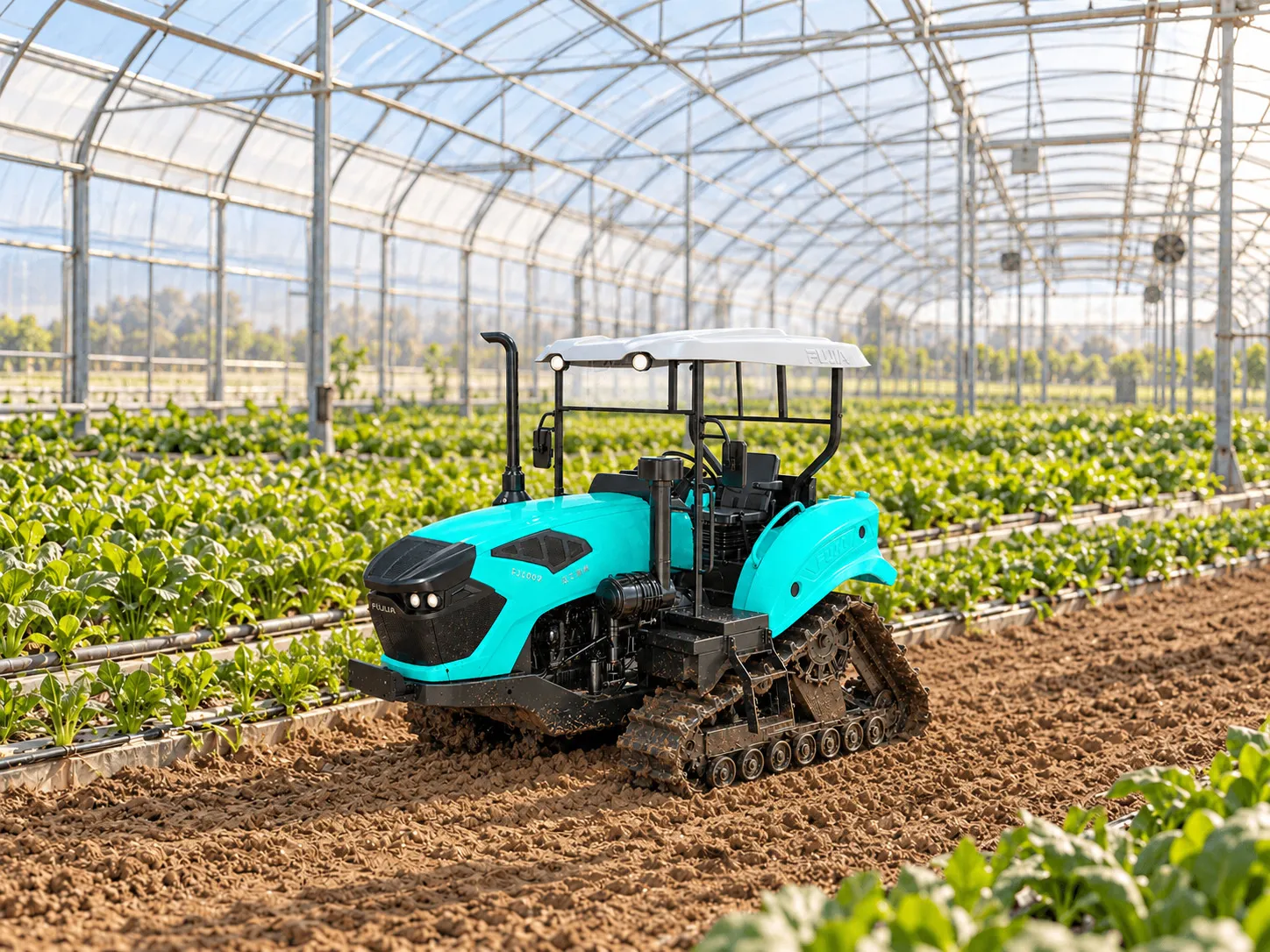
Home » small tracked tractor manufacturer

Small Tracked Tractor Manufacturer for Supplier Review

small tracked tractor manufacturer

Choosing a small tracked tractor manufacturer starts with confirming what the supplier actually builds, not with assuming that every factory listing represents the same machine range. This page is for buyers deciding whether an agricultural machinery supplier merits a closer review. The available company information identifies a 68,000 m2 smart manufacturing base, intelligent R&D, smart manufacturing, global service, more than 150 customers, and CE certification. It does not provide tractor models, dimensions, engine options, track specifications, production capacity, or test records. Those gaps matter: they should be resolved through product documents and a direct technical discussion before comparing quotations. Use the information here as an initial screening framework rather than a product specification. Ask the manufacturer to confirm the exact small tracked tractor configuration available, provide documents that match that configuration, and clarify which services apply in your destination market. A supplier that can answer those questions with traceable, consistent records is in a stronger position to enter your formal evaluation.

Technical Detail

Configured around process stability, mold life, and long-term uptime.

The supplier presents itself as an agricultural machinery manufacturer and supplier, with a 68,000 m2 smart manufacturing base and an intelligent R&D function. These are relevant starting points for a buyer assessing whether a small tracked tractor manufacturer has an established production and product-development operation. However, the supplied company information does not identify specific tractor models, factory equipment, manufacturing steps, annual output, or inspection checkpoints. Do not treat the site area alone as proof of capacity for a particular machine or order. The company also cites more than 150 customers and lists CE certification. Before using either point in a supplier assessment, request supporting details: what customer or product scope the figure represents, and which product, model, and legal entity are covered by the CE documentation. The manufacturer describes its approach as smart manufacturing intended to support reliable performance, but no test methods or performance data were provided. Ask for product-specific drawings, operating specifications, inspection records, and applicable declarations before comparing the tractor with alternatives. This keeps the initial review grounded in evidence rather than broad company claims. If the documents align with the machine offered and your market requirements, the supplier may merit a deeper technical and commercial assessment.

Intelligent Crawler Tractor

What to Verify About the Manufacturing Base

A 68,000 m2 smart manufacturing base is the clearest facility detail provided by the company, but the figure does not describe how a small tracked tractor moves from design to finished inspection. For supplier screening, ask which stages take place at this site and which components or processes are handled by outside partners. The supplier also identifies intelligent R&D and smart manufacturing as capabilities. Request a product-specific drawing or specification revision and ask how engineering changes are approved and communicated to production. During a remote or in-person review, compare the process described by the supplier with the records it can share for the tractor under discussion. Useful evidence may include a manufacturing flow, equipment list relevant to the product, and examples of inspection records, if available. These items have not been supplied in the current company information, so their availability should be confirmed rather than assumed. The aim is to understand whether the factory’s stated capabilities connect to the offered machine and its production records. A clear explanation tied to documents gives a more useful basis for review than facility size or general claims alone.
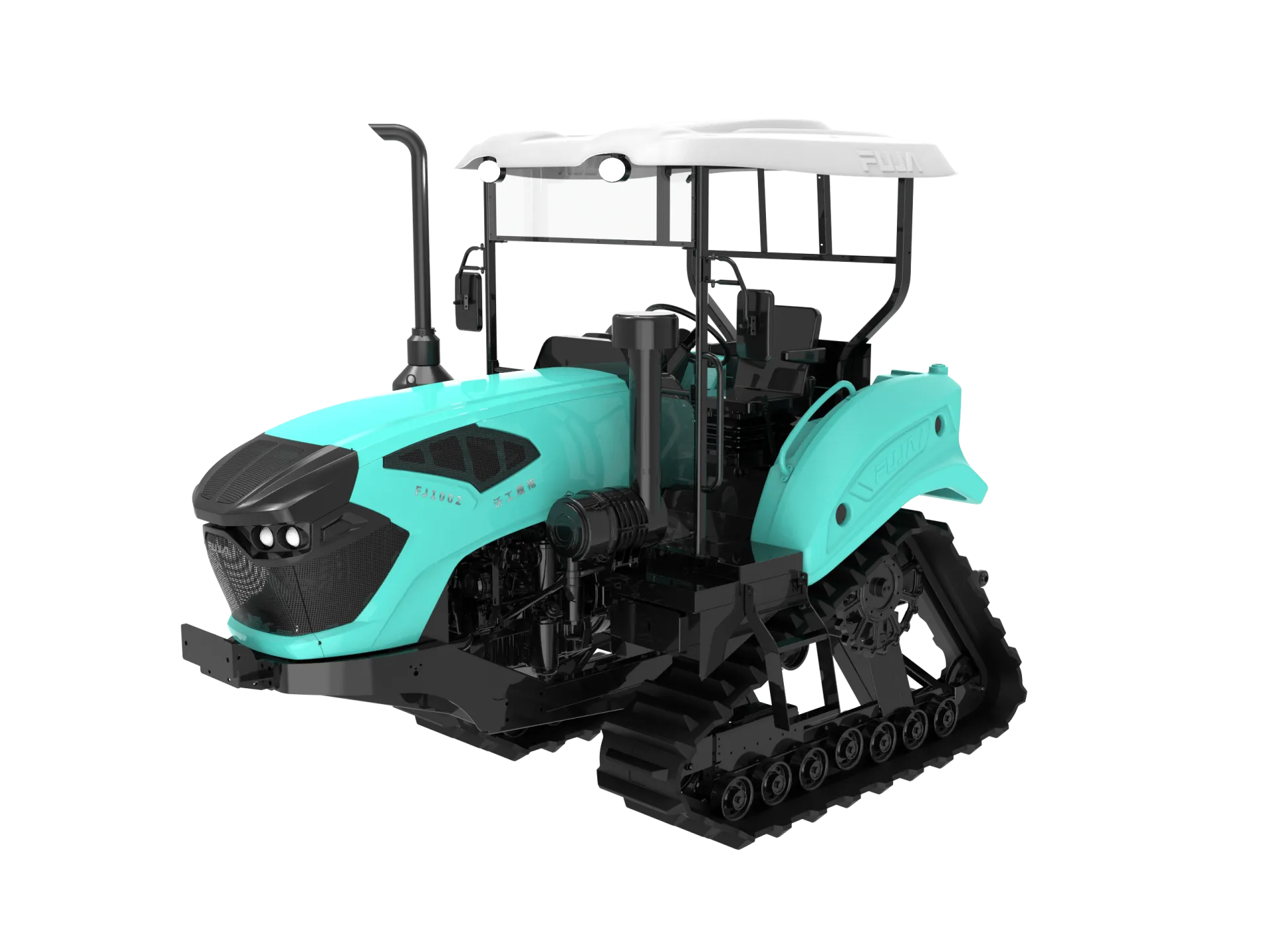

Intelligent Crawler Tractor

Check Whether the Supplier Fits Your Market

A supplier can be a plausible candidate yet still be unsuitable for a specific destination or operating environment. The company lists CE certification, but the supplied information does not state which product or model it covers, nor does it include a declaration or test documentation. Ask for the relevant documents for the exact tractor configuration and confirm that the named manufacturer and product match the offer. Separately assess the machine against your own application requirements. The available information contains no track dimensions, ground-pressure data, engine details, implement compatibility, operating limits, or environmental ratings, so suitability for soft ground, slopes, confined plots, or a particular implement cannot be established from this page. Prepare your own operating conditions and ask the manufacturer to respond against each one with a document or a clear technical explanation. Treat unanswered requirements as open risks, not as implied capabilities. This approach helps distinguish a general agricultural machinery supplier from one able to substantiate a fit for your use case and compliance process.

Intelligent Crawler Tractor

Prepare a Focused Supplier Inquiry

To move from initial screening to a useful technical review, send the manufacturer a concise request tied to the machine and market you have in mind. Identify the intended application, destination country, required implements, terrain, and any operating constraints. Ask the supplier to confirm which small tracked tractor models it currently offers and provide the latest specification sheet, drawings, available configuration options, and applicable CE documents. Request sample quality-control or final-inspection records for the proposed model, along with an explanation of how product changes are tracked. The company cites global service, but does not specify service locations, spare-parts arrangements, or response terms. Ask what support is available in your region and request the relevant written details. If export is involved, confirm which export documents and packaging information the supplier can provide for your shipment; no specific process or terms have been supplied here. Compare the answers for completeness and consistency across the quotation, technical files, and compliance documents before deciding whether to proceed to a factory audit or commercial negotiation.

News

Industry updates

Products

Production modules

Why Choose Us

A Manufacturer Profile Buyers Can Put to the Test

The company’s stated profile gives buyers several concrete points to investigate: a 68,000 m2 smart manufacturing base, an intelligent R&D function, and experience serving more than 150 customers. It also identifies global service and lists CE certification. These details may support a deeper supplier review, but they are not a substitute for model-level evidence. Ask the company to connect each claim to the small tracked tractor being quoted: identify the relevant production location, provide technical and inspection records, explain the scope of the certification, and clarify what global service means in your market. The brand describes its R&D as focused on real-world challenges and its manufacturing approach as designed for reliable performance; buyers can assess those claims by checking revision control, documented inspections, and consistency between product files and the offered configuration. No specific customer references, service commitments, or performance results were supplied, so none should be assumed. A responsive, document-led answer gives procurement teams a practical basis for deciding whether to continue with an audit, request samples or demonstrations, or close the review.

FAQ

Common technical questions

What specifications should I compare between small tracked tractors?

Compare verified specifications for the exact models, including dimensions, engine details, track measurements, operating limits, and implement compatibility where relevant. None of these figures were supplied here, so request current model documents rather than relying on generic product descriptions.

Can this manufacturer confirm that a tractor is suitable for my field conditions?

Ask the supplier to assess your terrain, soil conditions, slopes, intended workload, and implements against the specific model’s documented limits. The available company information does not establish suitability for any particular field condition.

What should I check before accepting a tractor shipment?

Agree on the model and configuration in writing, then match the delivered machine and its identification details to the approved specification and applicable compliance documents. Confirm in advance which inspection records, export documents, and packaging details the supplier can provide.

Need a solution for your project?

Share your product type, target capacity, and application requirements. Our team can review the details and recommend a practical next step.

Contact Us




