EN
 HR

How a Tracked Tractor Moves and Supports Its Load
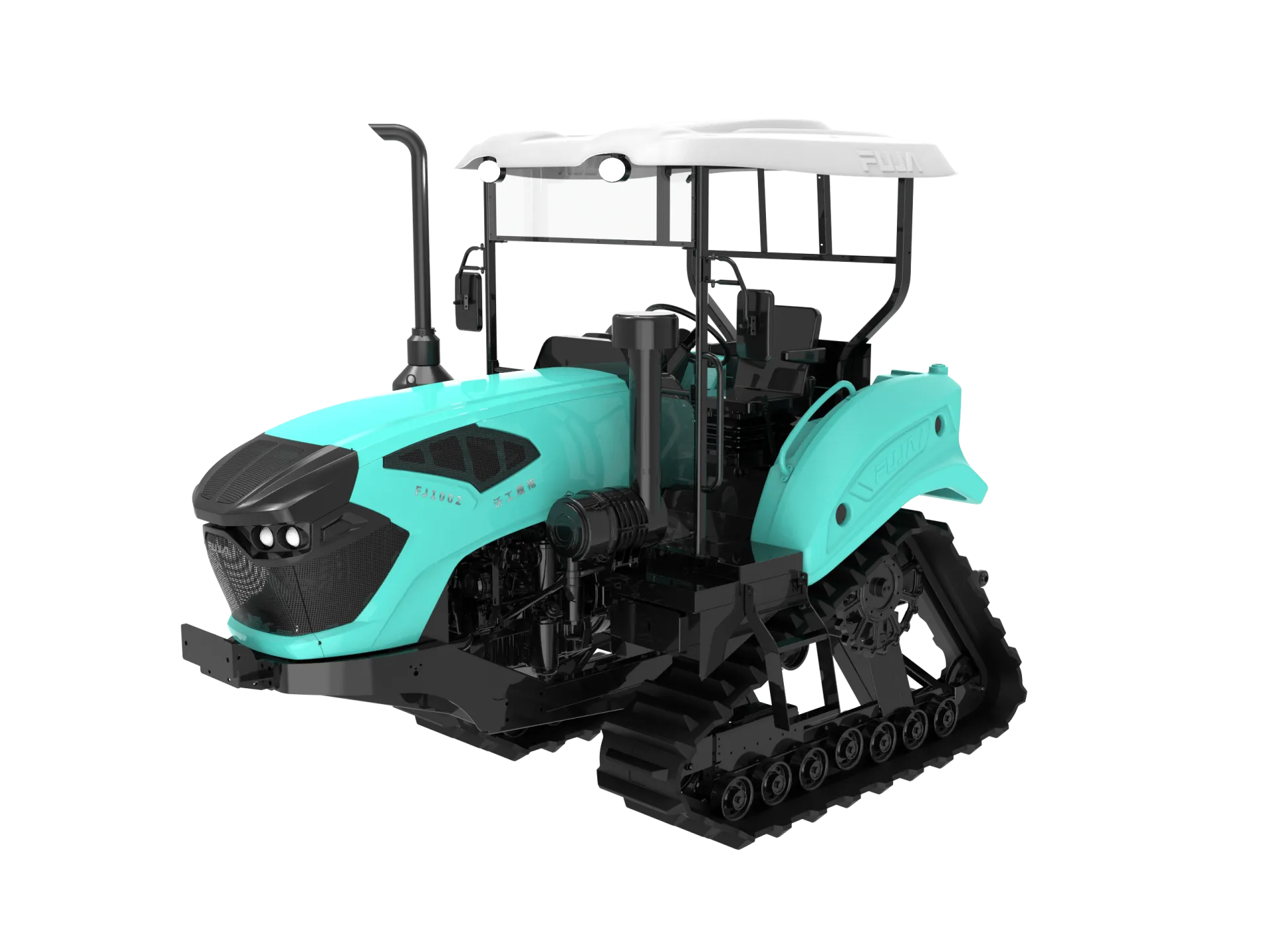
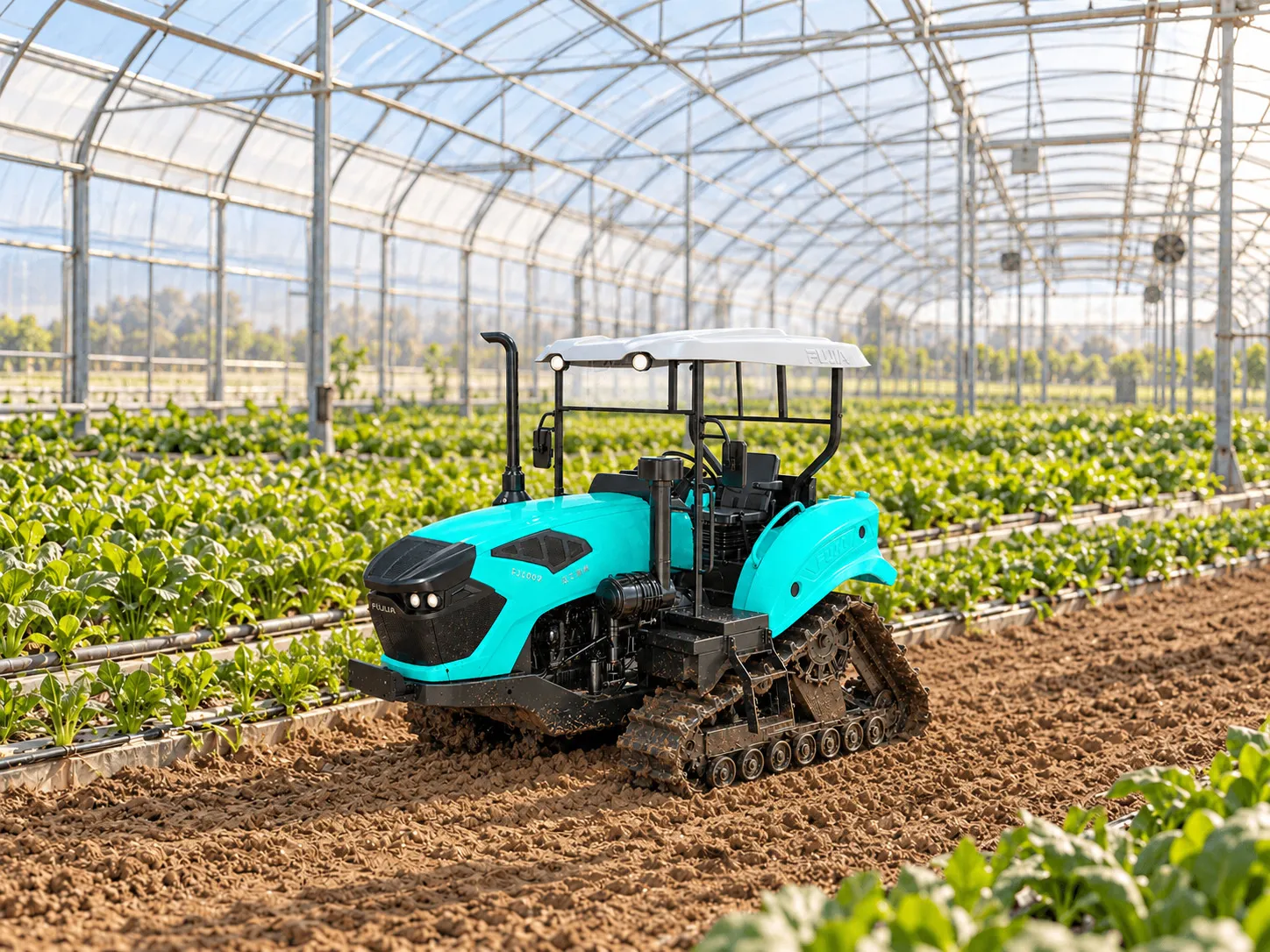
A tracked tractor transfers drive force to continuous tracks that run around components in the undercarriage. As the tracks move against the ground, they propel the machine. Their contact area also distributes the tractor's weight across the surface beneath it. Track width, contact length and machine weight all influence average ground pressure; the soil itself and any attached equipment affect the result in practice. The undercarriage must support the machine while allowing the track to move around its running components. Steering arrangements vary by design, so the way a tractor turns should be confirmed for the specific model. Turning can disturb some surfaces even where the machine's weight is spread over a relatively large area. A track does not guarantee traction on every soil or eliminate the risk of compaction. Moisture, soil strength and loading all matter. Agricultural Machinery Manufacturer & Supplier identifies intelligent R&D as part of its approach to machinery design, but no undercarriage details have been supplied for a particular tractor. A model drawing or technical sheet is therefore needed to understand its track construction, steering system and maintenance points.