

Home » small tracked tractors in Thailand

Small Tracked Tractors in Thailand for Farm Operations

small tracked tractors in Thailand

Small tracked tractors in Thailand may suit farms where narrow access, uneven ground, or soft soil makes maneuvering a wheeled machine difficult. The term describes compact tractors that travel on tracks rather than conventional wheels; the exact machine size, track design, power, and available attachments depend on the model. This page is for Thai growers, farm operators, and machinery distributors assessing whether a tracked tractor fits their work. No model specifications or product configurations have been provided, so capacity, dimensions, speed, and compatible implements cannot be confirmed here. Start by describing the crops and tasks involved, the width of the narrowest route, typical slope and soil conditions, and whether the machine must work between rows or move across public roads. Agricultural Machinery Manufacturer & Supplier presents its capabilities through a 68,000 m2 smart manufacturing base, intelligent R&D, and smart manufacturing. The brand also reports serving 150+ customers and identifies CE certification. These are company-level details, not confirmation of a particular tractor model's specifications or approval status. With your operating requirements, the supplier can help establish which product details need verification before you compare or request a quotation.

Technical Detail

Configured around process stability, mold life, and long-term uptime.

A small tracked tractor is an agricultural machine that uses continuous tracks for ground contact and propulsion instead of a standard wheel arrangement. Buyers researching small tracked tractors in Thailand are usually comparing a compact machine category for farm work, but “small” is not a standardized size or performance specification. Since no product sheet, model number, engine data, dimensions, or implement list is available for this page, those details must be confirmed directly before treating any machine as suitable for a particular task. Agricultural Machinery Manufacturer & Supplier describes a 68,000 m2 smart manufacturing base, intelligent R&D, and smart manufacturing focused on precision production. The company also cites a customer base of 150+ and CE certification. These statements describe the supplier; they do not establish the specifications, available configurations, or certification status of an individual tractor. For a meaningful product comparison, request the exact model designation and its technical documentation. Check operating mass, overall width and height, engine or power rating, track dimensions, rated capacity where relevant, and the manufacturer’s stated operating limits. Confirm which implements or attachments are compatible and whether they are included or optional. For Thai conditions, explain the intended crop, soil, slope, row spacing, and access constraints so the supplier can respond against a defined use case. Treat suitability as unconfirmed until the model data and configuration are matched to those requirements.

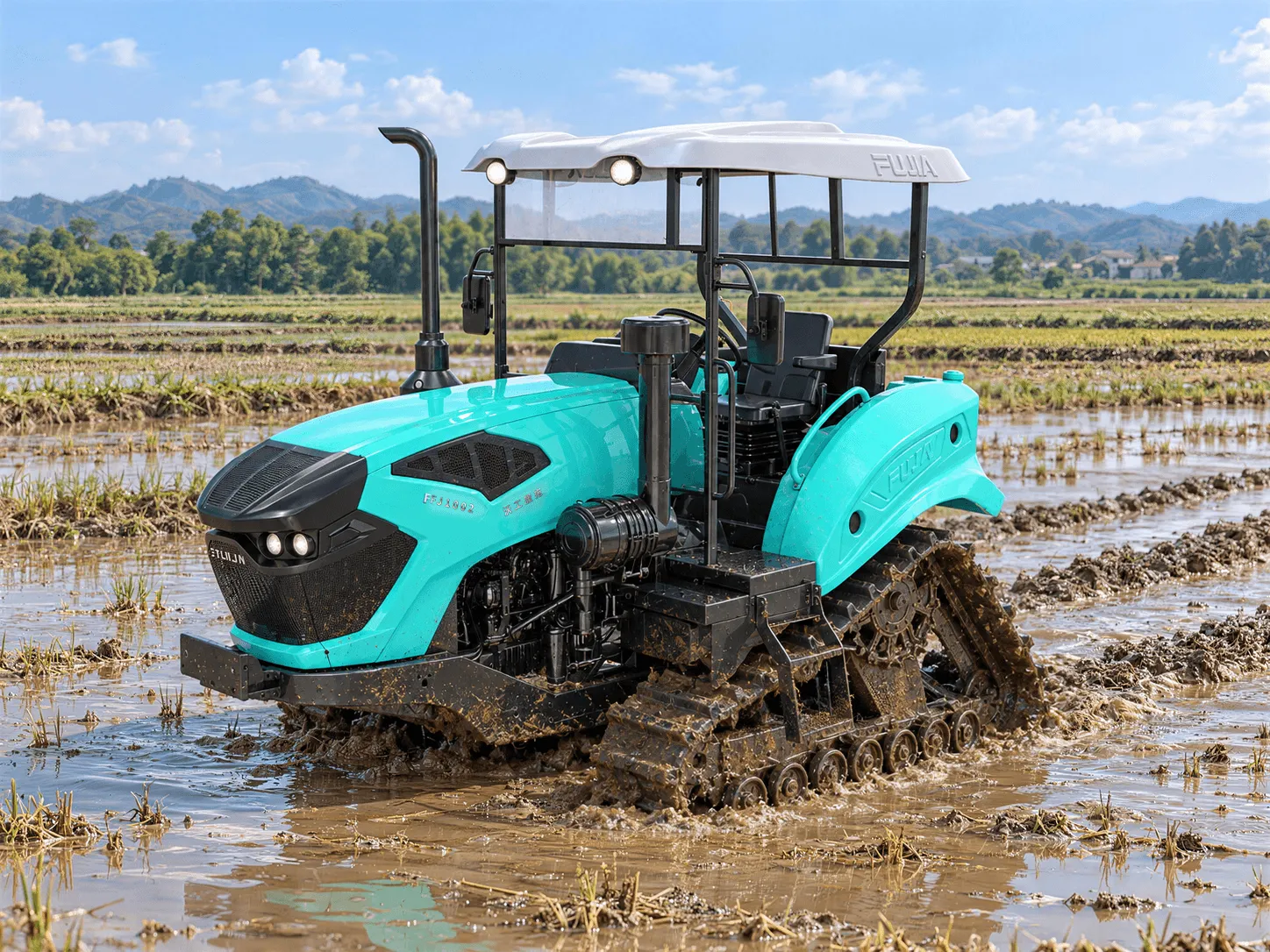
Paddy Field Crawler Tractor

How Track Drive Changes Ground Contact

Unlike a wheeled tractor, a tracked tractor moves through a track assembly that circulates around its running gear. The broad contact area associated with tracks can be useful where a farm operator wants to consider traction and ground pressure, but the result depends on the actual track width, machine mass, track design, soil, and operating conditions. Those specifications are not available for the tractors referenced on this page, so no traction, flotation, or soil-compaction performance can be promised. Buyers should also distinguish the drive system from the tractor’s working equipment: tracks provide mobility, while the power take-off, hitch, hydraulic outlets, and attachment interfaces determine which tasks the machine can perform. These details vary by model and must be checked in its documentation. Agricultural Machinery Manufacturer & Supplier identifies intelligent R&D as a company capability, describing design work for real-world challenges. For a specific tracked tractor, ask for a layout or specification sheet showing the running gear and the interfaces provided. That will clarify what is known about the machine itself, rather than relying on general assumptions about tracked equipment.
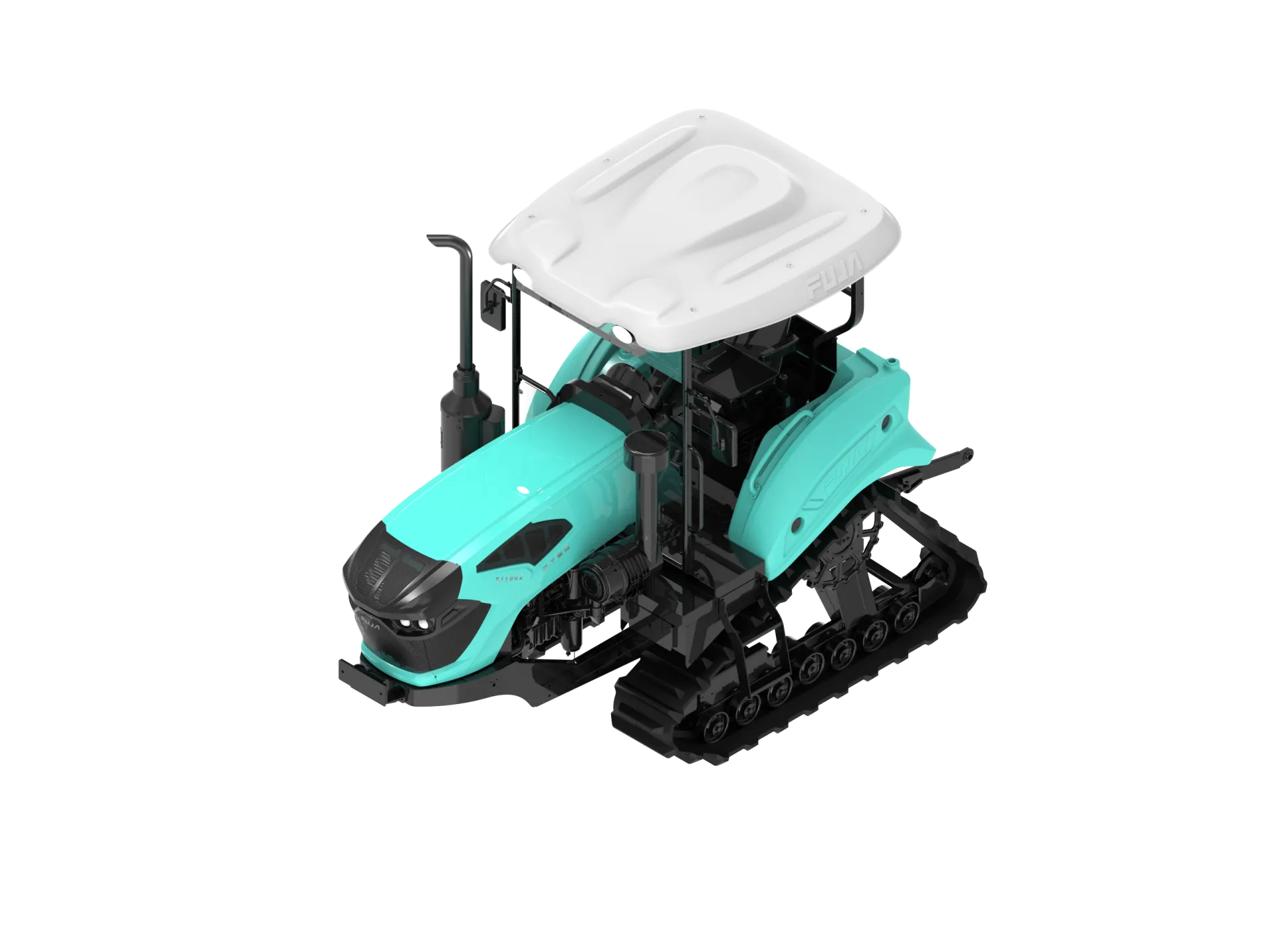

Paddy Field Crawler Tractor

Check Farm Conditions Before Assuming Fit

A tracked machine is not automatically suitable for every Thai farm. The relevant test is whether its verified dimensions, operating limits, and implement arrangement match the worksite. Measure the narrowest gateway and crop-row clearance, note the steepest routine slope, and describe whether the soil is firm, loose, wet, or seasonally waterlogged. Also identify turning space, transport access, and the tasks expected during the same work cycle. A narrow machine may help with access, but no width or turning-radius data has been supplied here; confirm these values for the exact model. Likewise, do not infer that a tractor is suitable for paddy fields, orchards, hillsides, or wet ground from the word “tracked.” Ask the supplier to confirm permitted gradients and ground conditions, along with any restrictions on continuous operation or transport. The manufacturer reports serving 150+ customers, but no Thailand-specific application reference or crop case has been supplied. Use your own site measurements and task list as the decision basis, and request written confirmation against them before proceeding.

Paddy Field Crawler Tractor

Prepare a Useful Tractor Inquiry

Before requesting a recommendation or quotation, send the supplier enough information to identify a suitable model and disclose any gaps. Include your location in Thailand, crop and farm layout, primary tasks, soil and slope conditions, narrowest access width, and whether the machine needs to move between separate sites. List the implements you intend to use, including their make and model if already selected, and state whether you require the tractor alone or a configured package. Ask for the tractor’s exact model designation, technical datasheet, operating dimensions and mass, power rating, track details, attachment interfaces, and compatible implement list. Request confirmation of which items are standard and which are optional; no accessory or configuration options are documented here. The supplier describes intelligent R&D and precision-focused smart manufacturing, but those capabilities do not replace model-specific evidence. Ask for the applicable CE documentation for the exact product and intended configuration, rather than assuming that a company-level certification statement covers every model. A clear written response lets your team compare the offered machine with site requirements and identify missing information before making a purchasing decision.

News

Industry updates

Products

Production modules

Why Choose Us

Manufacturing and R&D Backed by Global Service

Agricultural Machinery Manufacturer & Supplier positions its offer around an established manufacturing base and product development, rather than presenting unverified tractor specifications on this page. The company reports a 68,000 m2 smart manufacturing base and describes intelligent R&D as a way to address real operating challenges. It also identifies smart manufacturing and precision builds as part of its production approach. For buyers, these statements provide context about the supplier’s stated capabilities, but they are not a substitute for inspection records, technical documentation, or confirmation of a particular model’s performance. The brand reports serving 150+ customers and describes global service intended to support farmers in different markets. No named Thai customer cases, local service arrangements, or response-time commitments have been provided, so confirm the support process for your location directly. CE certification is listed among the brand credentials; request the relevant documentation for the specific tractor and configuration under consideration. When contacting the company, share your farm conditions and requested tasks, then ask for model-level specifications and written confirmation of compatibility. This makes the supplier’s manufacturing and R&D context useful while keeping the purchasing decision grounded in verifiable product information.

FAQ

Common technical questions

What specifications should I compare between small tracked tractors?

Compare the exact model’s power rating, operating mass, overall dimensions, track details, implement interfaces, and stated operating limits. No model specifications are supplied here, so request the technical datasheet before comparing machines.

Are small tracked tractors suitable for Thai rice fields or wet ground?

That depends on the particular tractor’s design and the field conditions. The available information does not confirm a model for paddy or wet-ground use. Ask the supplier to verify the permitted soil and water conditions, slope limits, and operating restrictions for the exact model.

What should I measure before asking for a tractor recommendation?

Measure the narrowest entrance and crop-row clearance, note slopes and turning space, and describe seasonal soil conditions. Include the tasks and implements you expect to use so the supplier can check dimensions and compatibility against your site.

Does the brand’s CE certification confirm that every tractor model is CE certified?

Not by itself. CE certification is listed as a brand credential, but no model-specific documentation was provided. Request the applicable declaration or supporting documents for the exact tractor and configuration you intend to purchase.

Need a solution for your project?

Share your product type, target capacity, and application requirements. Our team can review the details and recommend a practical next step.

Contact Us




