EN
 HR

How Tracks Carry Weight and Produce Traction
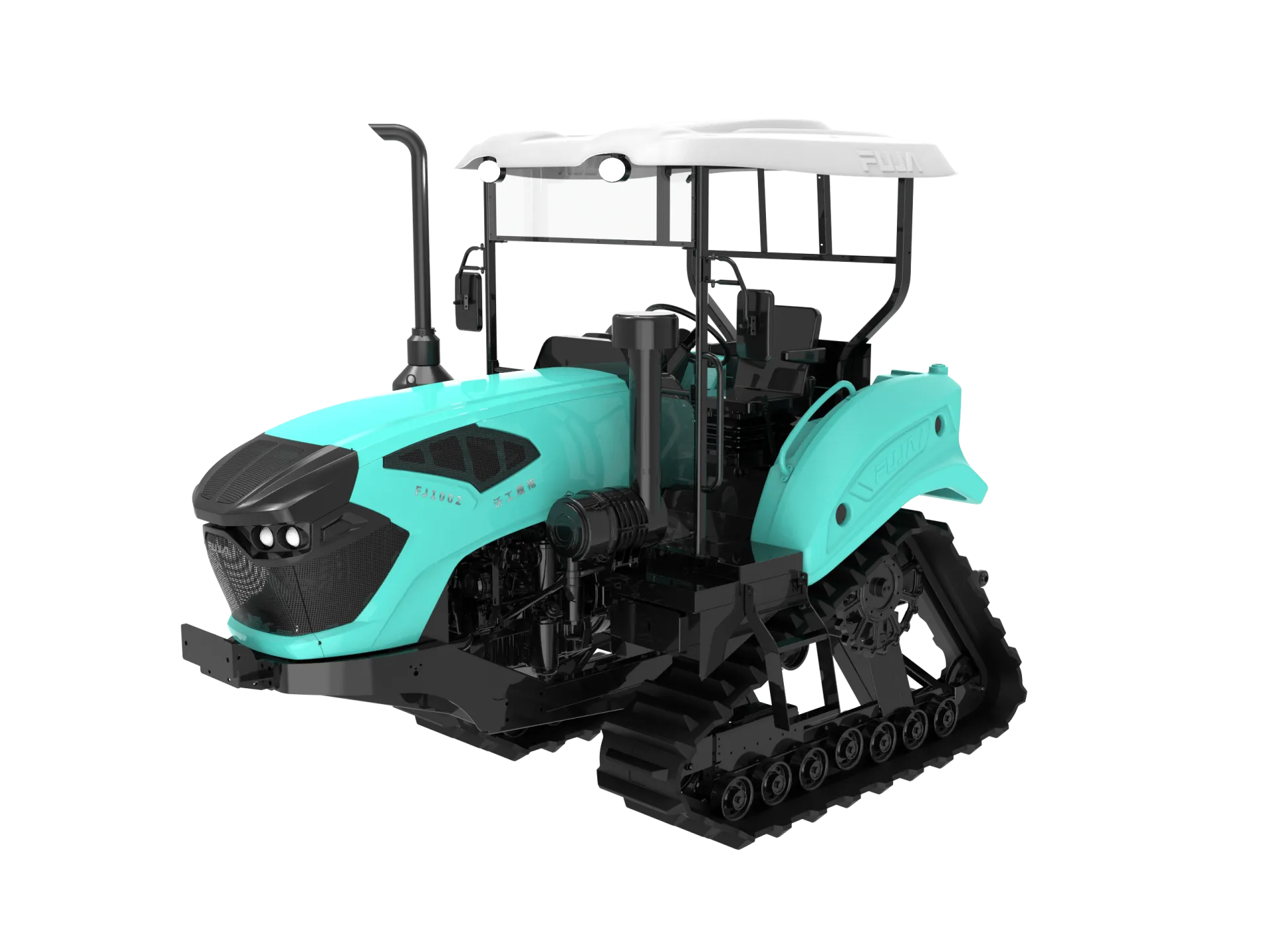
A tracked tractor transfers engine power through its drivetrain to tracks running around supporting wheels and sprockets. The contact between the tracks and the ground produces the force that moves the machine. Compared with tyres, a track system can distribute load over a larger contact area, depending on its dimensions and construction. Ground pressure is related to machine weight and effective contact area. Adding an implement or carrying a load changes the total weight and its distribution. A small overall size therefore does not automatically mean low ground pressure, and tracks do not guarantee that a machine will avoid sinking. Steering behaviour also depends on the drivetrain. Tracked machines commonly turn by creating a speed difference between the two sides; tight turns can disturb the soil or damage an established surface. The exact steering arrangement for this supplier's tractors has not been provided. Agricultural Machinery Manufacturer & Supplier identifies intelligent R&D as part of its approach. For the buyer, the useful technical evidence would be a model drawing and an explanation of the track, drivetrain and steering layout. These details make the machine's operating behaviour easier to understand.