Home » small tracked tractors factory

Small Tracked Tractors Factory for Supplier Review

small tracked tractors factory

Choosing a small tracked tractors factory starts with confirming what the supplier actually builds and what evidence it can provide. Agricultural Machinery Manufacturer & Supplier presents itself as a high-end agricultural machinery brand, with a 68,000 m² smart manufacturing base and more than 150 customers. Those figures offer a starting point for supplier screening, but they do not establish which tracked tractor models are currently available or what specifications can be supplied. Ask for the current product range, configuration details, and supporting documents before comparing proposals. The brand also lists CE certification, intelligent R&D, smart manufacturing, and global service as part of its positioning. For a purchasing team, the next step is to check how these claims relate to the specific machine and destination market under consideration. This page sets out the information to confirm before moving into a technical review or inquiry, without assuming unprovided tractor specifications, factory processes, or delivery terms.

Technical Detail

Configured around process stability, mold life, and long-term uptime.

For buyers evaluating a small tracked tractors factory, supplier claims need to be tied to the exact product and transaction. Agricultural Machinery Manufacturer & Supplier identifies itself as a high-end agricultural machinery manufacturer and supplier. Its stated manufacturing base covers 68,000 m², and the brand reports serving more than 150 customers. These company-level details can help buyers decide whether to begin due diligence, but they are not substitutes for model-specific evidence. The available information does not specify tracked tractor models, engine options, dimensions, operating capacity, factory equipment, or production lead times, so these should be requested rather than inferred. The brand lists CE certification. Before treating this as relevant to a purchase, ask which product or product family the certificate covers, whether its scope matches the proposed configuration, and what compliance documents can be provided for the intended destination. A certificate mention alone does not confirm every machine is covered or meets all local requirements. Ask the supplier to identify the legal manufacturer and provide applicable records for review. A practical first-stage decision is therefore based on verifiable fit: a documented product match, clear answers about certification scope, and a defined point of contact for technical questions. The 68,000 m² base and customer footprint provide context; a buyer should still assess the specific tractor, its documentation, and the supplier’s ability to support the planned transaction before shortlisting the factory.

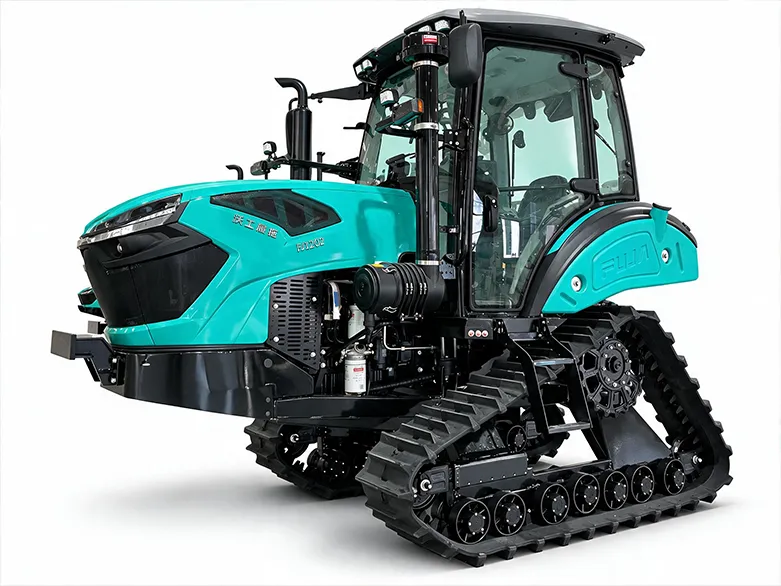
Intelligent Crawler Tractor

What to Verify About the Factory’s Manufacturing Process

The supplier describes its operation as smart manufacturing and states that it has a 68,000 m² manufacturing base. The available information does not name production lines, machinery, assembly stages, or inspection procedures. For a supplier review, treat “smart manufacturing” as a description to clarify, not as proof of a particular process. Ask the factory to explain how a small tracked tractor moves from component sourcing through assembly and final inspection, and which steps are recorded against an individual unit or production batch. Useful evidence may include a process overview, sample inspection records, equipment details relevant to the proposed product, and a description of how nonconforming parts are handled. Confirm whether the records can be linked to the exact model and configuration under discussion. If the supplier cannot share internal documents, ask what alternative evidence it can provide during a remote or in-person review. These questions help distinguish a general facility claim from a process that is documented for the machine you intend to buy. Do not assume that a large manufacturing base or the term “smart” guarantees any particular level of automation or quality control.

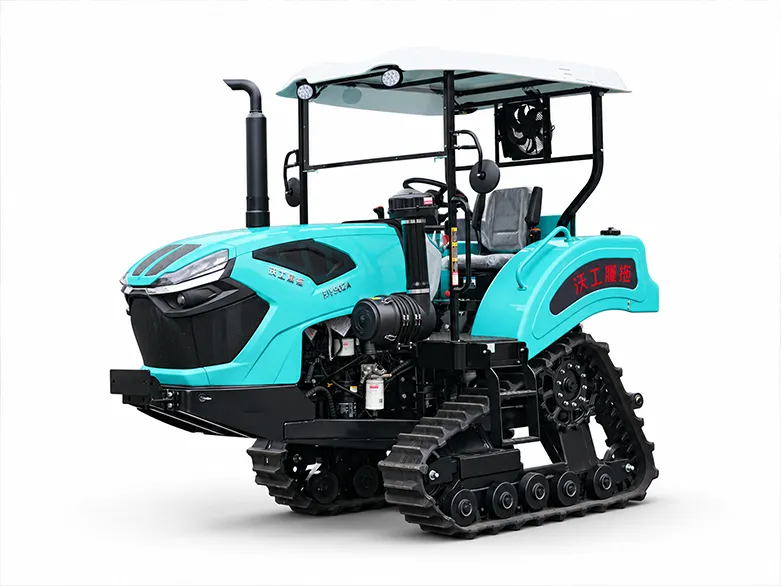
Intelligent Crawler Tractor

How to Assess Fit Before Advancing the Supplier

A factory may be a plausible supplier and still not fit a particular project. The information currently available does not define the tracked tractor range, operating conditions, or supported configurations. Before progressing, compare the supplier’s written product information with the work the machine must perform. Confirm the intended terrain and task with your engineering or operations team, then ask the supplier to identify a model that it can document for those conditions. Request the applicable operating limits and technical specifications in writing; do not rely on a general product description to establish suitability. Check whether the proposed unit’s configuration is consistent across the quotation, technical sheet, certificate documents, and any product images or drawings. Resolve differences before discussing final terms. Where the machine will operate under unusual conditions, explain those conditions and ask the supplier to state any limitations or assumptions behind its recommendation. If answers are incomplete, treat the gap as an open technical risk rather than filling it with assumed capability. This evaluation gives buyers a defensible basis to decide whether the supplier merits a deeper technical review, while avoiding a premature commitment based only on factory scale or broad brand claims.

Intelligent Crawler Tractor

Prepare a Clear Inquiry for a Tracked Tractor

Once the supplier appears relevant, make the next exchange specific enough to produce a useful response. Identify the application, destination market, expected operating conditions, and any required machine configuration. Ask the factory to confirm whether it offers a matching small tracked tractor and to send the model name, current specification sheet, configuration options, and applicable CE documentation. The supplier’s published information does not identify models or available customizations, so request confirmation rather than assuming a particular option can be supplied. For an efficient technical review, keep questions tied to evidence: which documents describe the proposed unit, which certificate applies to it, and what information is needed to assess the configuration. If you are comparing suppliers, use the same request for each one so that differences in scope and documentation are visible. You can also ask who will handle technical questions and what support is available for the destination market; the brand states that it provides global service, but the available details do not define specific service channels or terms. Keep unresolved items on a written list and close them before placing an order.

News

Industry updates

Products

Production modules

Why Choose Us

A Supplier Profile Built for Structured Due Diligence

Agricultural Machinery Manufacturer & Supplier presents a substantial manufacturing footprint, with a stated 68,000 m² smart manufacturing base, and reports serving more than 150 customers. For procurement teams, these are useful context for deciding whether to open a supplier review, while the proposed tractor and its records remain the basis for approval. The company also describes an intelligent R&D function focused on practical challenges and a smart manufacturing approach intended to support consistent production. Buyers can ask for product-specific evidence to understand how those capabilities apply to the machine under review. The brand lists CE certification and describes global service support. Since no certificate scope, export documentation package, or service terms were provided here, buyers should request the relevant documents and confirm applicability to their market and configuration. That direct verification helps prevent broad company-level statements from being mistaken for transaction-specific commitments. With more than 150 customers reported, the supplier has a customer base to reference during qualification; any requested references or case details should be confirmed directly with the company. A clear review process lets both sides establish product fit, document coverage, and support expectations before moving toward a purchase decision.

FAQ

Common technical questions

Which small tracked tractor models does the factory offer?

The available information does not list models or specifications. Request the current product catalog and ask the supplier to identify which tracked tractor models it can document for your application.

Does the listed CE certification cover the tractor configuration I am considering?

That cannot be confirmed from the general certification claim alone. Ask for the certificate and supporting documents, then verify the product scope and configuration against your destination-market requirements.

What should I send with an inquiry to get a useful technical response?

Include the intended application, destination market, operating conditions, and any required configuration. Ask for the matching model’s specification sheet and applicable compliance documents; confirm any details that are not stated in writing.

Need a solution for your project?

Share your product type, target capacity, and application requirements. Our team can review the details and recommend a practical next step.

Contact Us