Home » track tractors

Track Tractors for Challenging Farm Conditions

track tractors

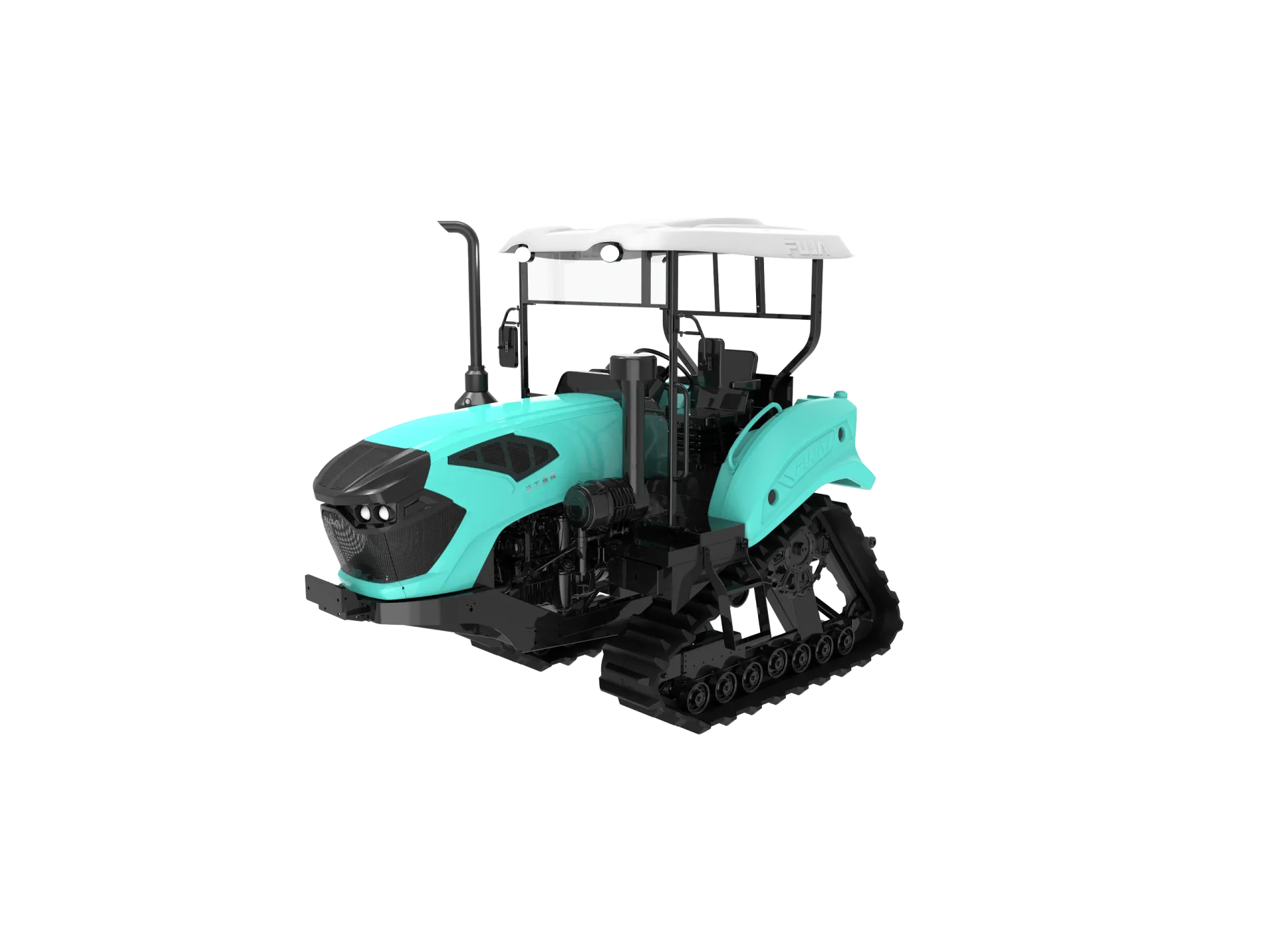
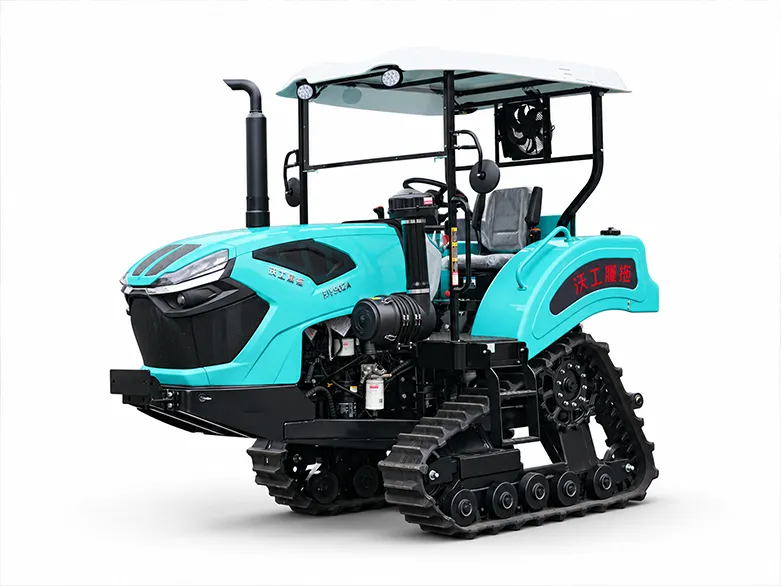
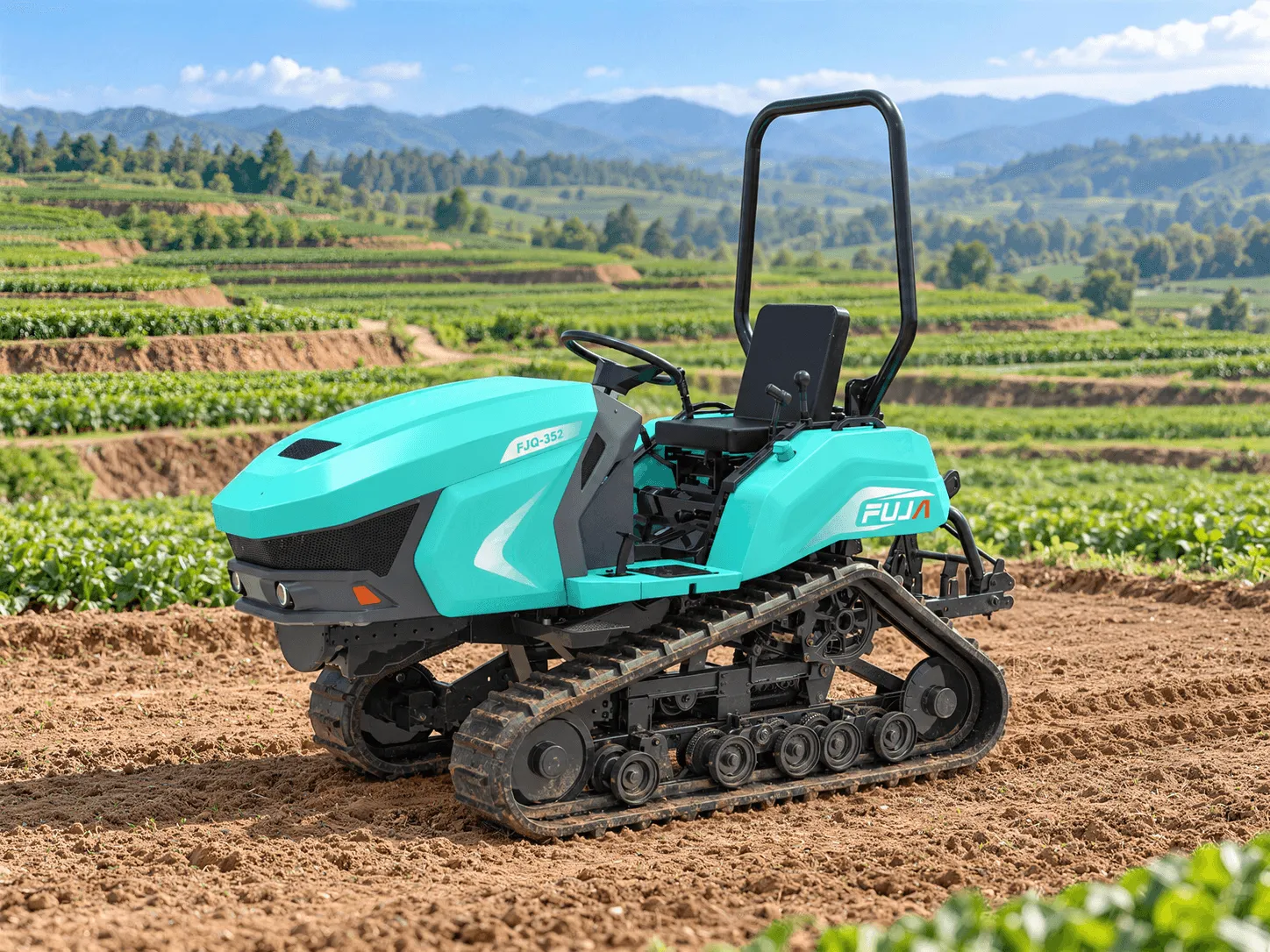
Track tractors are agricultural tractors that use continuous tracks instead of conventional wheels for propulsion. Buyers typically consider them when field conditions, traction needs, or ground-contact requirements make a wheeled tractor less suitable. They may be relevant to farms and agricultural contractors working on soft or uneven ground, but the right choice depends on the actual soil, slope, workload, transport route, and implements involved. These factors cannot be confirmed from the product information currently available, so this page does not assign a power rating, track width, operating speed, or model range. Agricultural Machinery Manufacturer & Supplier presents its manufacturing base as a 68,000 m2 smart manufacturing facility, with intelligent R&D and global service as part of its stated capabilities. For buyers comparing track tractors, the practical next step is to confirm whether a tracked configuration is offered for the intended application, then provide operating conditions and required tasks for a technical discussion. This helps establish whether the product category fits the job before comparing specifications or preparing a quotation request.

Technical Detail

Configured around process stability, mold life, and long-term uptime.

A track tractor is a farm machine that transfers engine power to the ground through a track system rather than a conventional tire-and-wheel arrangement. The track assembly and its contact with the ground are central to how the tractor moves; however, details such as track construction, dimensions, powertrain, controls, and available models have not been provided for this product. Buyers should therefore treat track tractors as a product category under consideration, not as a confirmed specification for a particular machine from this supplier. Agricultural Machinery Manufacturer & Supplier identifies a 68,000 m2 smart manufacturing base and an intelligent R&D function focused on practical design challenges. It also states that smart manufacturing supports production quality. These are company-level details, not published track tractor specifications. The brand lists CE among its certifications, but the supplied information does not identify the certified product or applicable declaration, so buyers should verify documentation for the exact model. Track tractors may suit agricultural work where traction and ground conditions are important, but suitability depends on the machine configuration and worksite. No verified engine output, operating weight, track dimensions, implement compatibility, or service limits are available here. Before treating any model as suitable, request its technical sheet and confirm that its stated capabilities match the intended field tasks and operating conditions.

Mini Crawler Tractor

How Track Tractors Differ in Ground Contact

The defining feature of a track tractor is its continuous track system, which replaces the separate tire contact points found on a wheeled tractor. As the drive system moves the track around its running components, the tractor advances along the track’s contact with the ground. This basic layout is why buyers often investigate tracked machines for traction-sensitive field work. It does not, by itself, prove that a particular tractor will reduce soil impact or perform better in every condition; ground pressure and traction depend on machine weight, track dimensions, track design, soil moisture, and operating practice. The available supplier information does not specify the running gear or technical design of a particular track tractor. Agricultural Machinery Manufacturer & Supplier describes an intelligent R&D function intended to address real-world design challenges, but no track-system drawings or component data have been supplied. Ask for a technical diagram or product sheet before comparing track layouts. Useful details include track type, width, drive arrangement, undercarriage components, and the manufacturer’s operating guidance. With those facts, a buyer can understand how the machine is built instead of relying on the word “tracked” as a complete description.
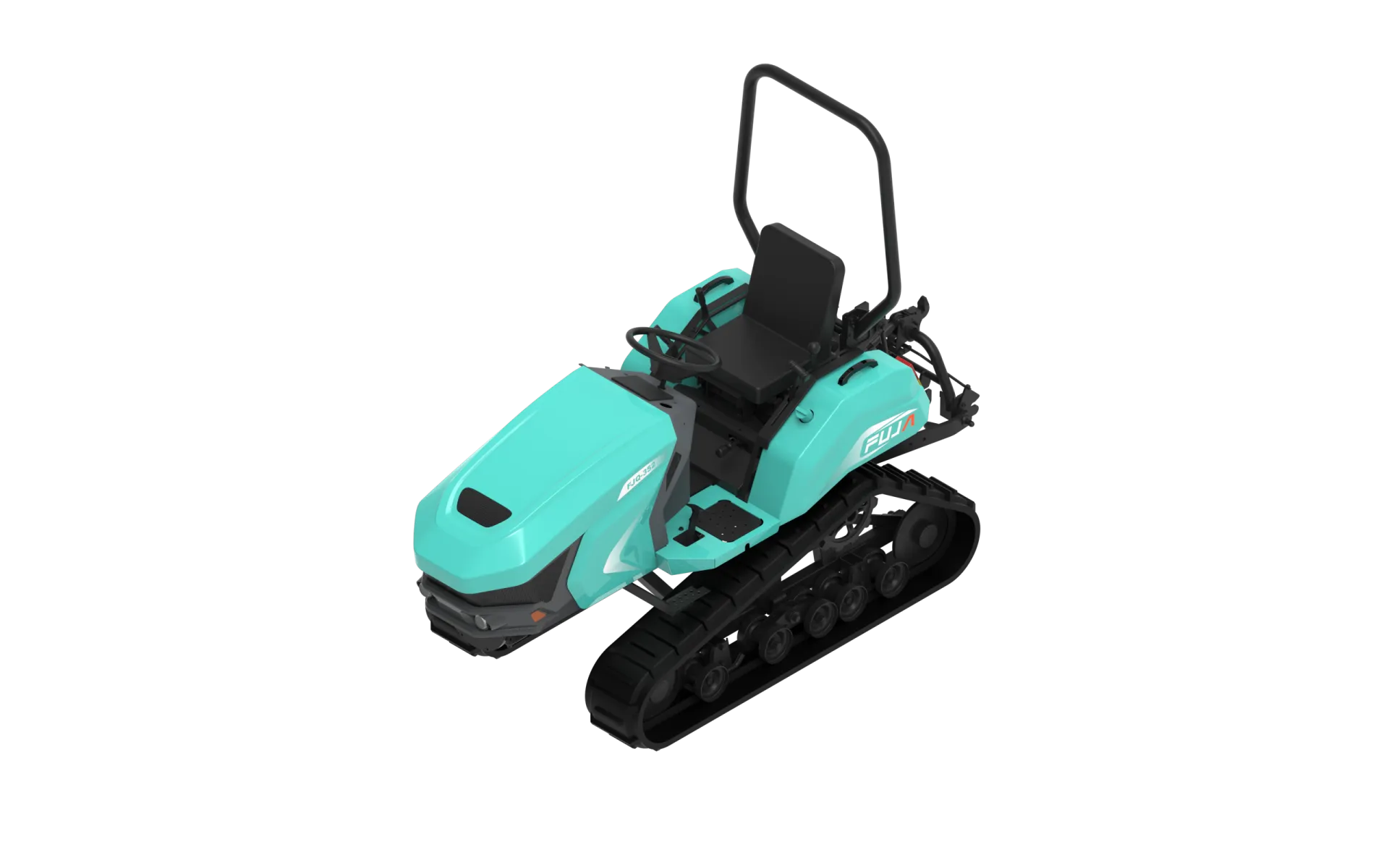

Mini Crawler Tractor

Check the Field Conditions Before Assuming Fit

A track tractor may be worth assessing where fields are soft, uneven, or otherwise difficult for the farm’s existing wheeled equipment. That is a starting point for evaluation, not a guarantee of suitability. Slope, soil type and moisture, field access, turning space, seasonal conditions, and the time spent on roads can all affect whether a tracked machine is appropriate. The intended work matters too: cultivation, towing, and other tasks place different demands on the tractor and its attachments. No application limits, operating envelope, or confirmed model specifications have been provided for this supplier’s track tractors. Before shortlisting a machine, describe the fields and tasks in concrete terms, including typical ground conditions, gradients if relevant, hours of use, and whether the tractor must travel between sites. Ask the supplier to compare those conditions with the model’s documented operating limits and any transport restrictions. The company states that it serves customers globally, but this does not establish local road-use rules, dealer coverage, or regulatory approval for a specific market. Verify those requirements separately before making an equipment decision.

Mini Crawler Tractor

Prepare a Useful Track Tractor Inquiry

A focused inquiry helps determine whether the supplier can offer a track tractor for the job and what information is needed to assess it. Start with the application and location: describe the main tasks, soil and terrain, seasonal operating conditions, and whether the machine will work only in fields or also travel on roads. List the implements or attachments to be used, including their type and any known connection or power requirements. If you already have a tractor to replace or compare, provide its model and the tasks it handles; do not assume that its ratings transfer directly to a tracked machine. Request the available model list, technical data sheets, track-system details, implement compatibility information, operating limits, and any applicable CE documentation for the exact model. Agricultural Machinery Manufacturer & Supplier reports a 68,000 m2 smart manufacturing base and 150+ customers, but the supplied information does not state track tractor model availability, prices, minimum order quantities, or delivery schedules. Ask the supplier to confirm these points directly rather than relying on general company figures. This information gives both sides a concrete basis for a configuration and quotation discussion.

News

Industry updates

Products

Production modules

Why Choose Us

A Manufacturing Partner With Stated R&D and Global Reach

Agricultural Machinery Manufacturer & Supplier describes a 68,000 m2 smart manufacturing base, an intelligent R&D function, and a smart manufacturing approach focused on reliable production. For a buyer investigating track tractors, those company capabilities provide a starting point for due diligence, but they do not replace model-level evidence. Request the actual machine specifications, production quality information relevant to the product, and confirmation that the requested configuration is available. The brand also reports serving more than 150 customers and offers global service as part of its positioning. Buyers should clarify what support is available in their destination country, including technical communication, parts arrangements, and the process for resolving equipment questions; no specific response times or local service network details were provided. CE is listed among the brand’s certifications. Ask for the declaration and supporting documents that apply to the exact tractor and market, since the supplied material does not identify the covered products. This approach connects the company’s stated manufacturing and service capabilities to verifiable information, helping procurement teams assess fit, documentation, and support before proceeding.

FAQ

Common technical questions

What information should I provide to get a track tractor recommendation?

Describe the main jobs, field conditions, slopes if relevant, annual or seasonal use pattern, and any implements you expect to run. Include your operating country and whether road travel is required. The supplier can then confirm whether a suitable model is available and identify the specifications needed for comparison.

Can I use a track tractor on soft or wet fields?

It may be considered for such conditions, but suitability depends on the specific machine and the soil. Ask for documented operating guidance and limits for the model, and explain how wet or soft the fields become. The product information provided here does not establish a particular tractor’s performance in those conditions.

How do I compare a track tractor with a wheeled tractor?

Compare machines against the same tasks and field conditions. Request verified data for each model, including operating weight, traction-related design details, dimensions, implement compatibility, and any operating restrictions. No model-level figures are available in the supplied information, so a numerical comparison would need to wait for the technical sheets.

What should I check before operating a track tractor for the first time?

Use the model’s operator manual and follow its instructions for pre-operation checks, track inspection, controls, attachments, and safe operation. Confirm that operators are trained for the specific machine. A manual or operating procedure for a particular track tractor was not included in the available product information, so request it from the supplier.

Need a solution for your project?

Share your product type, target capacity, and application requirements. Our team can review the details and recommend a practical next step.

Contact Us