EN
 HR

How Tracked Tractor Designs Put Power to the Ground
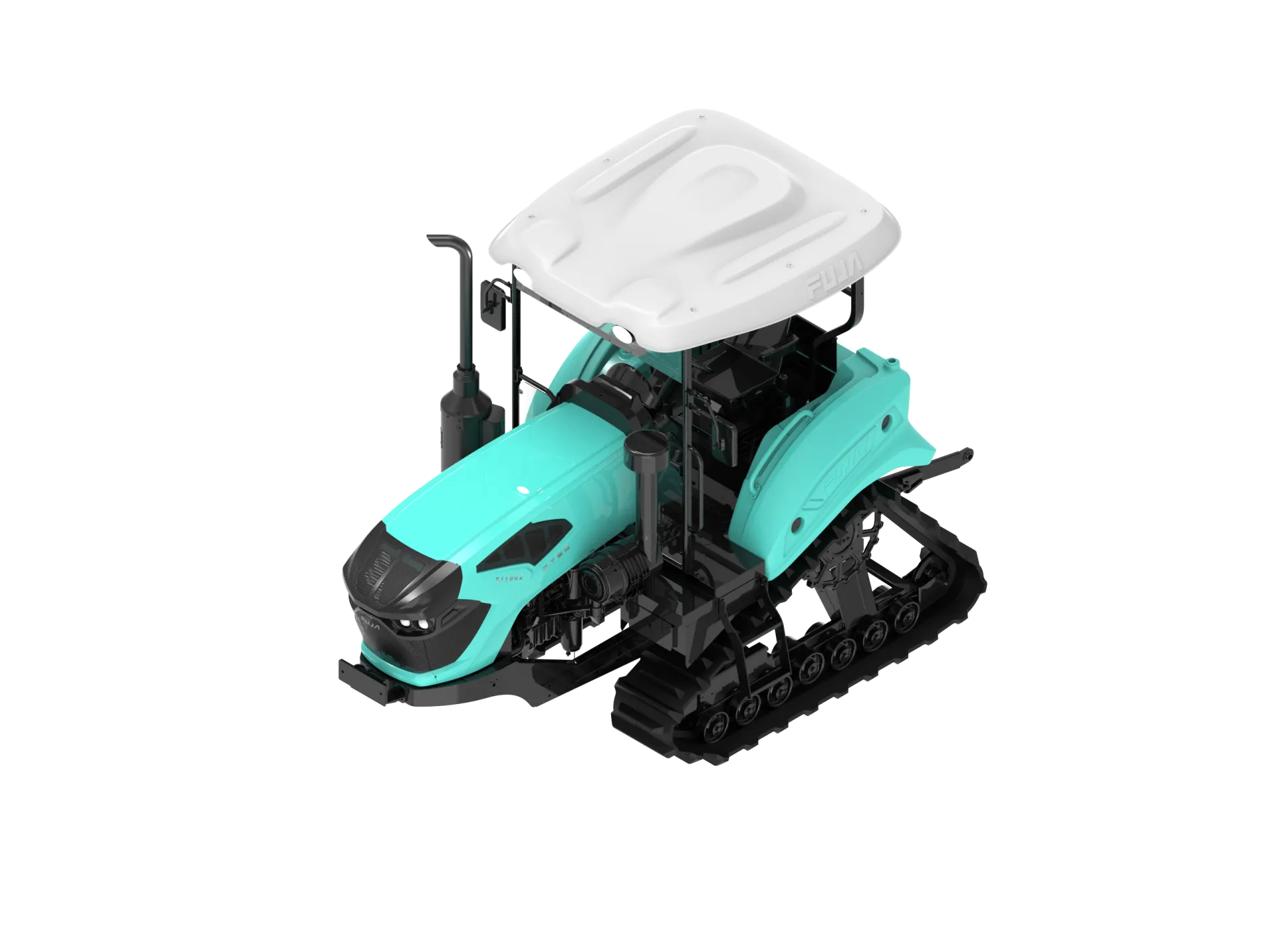
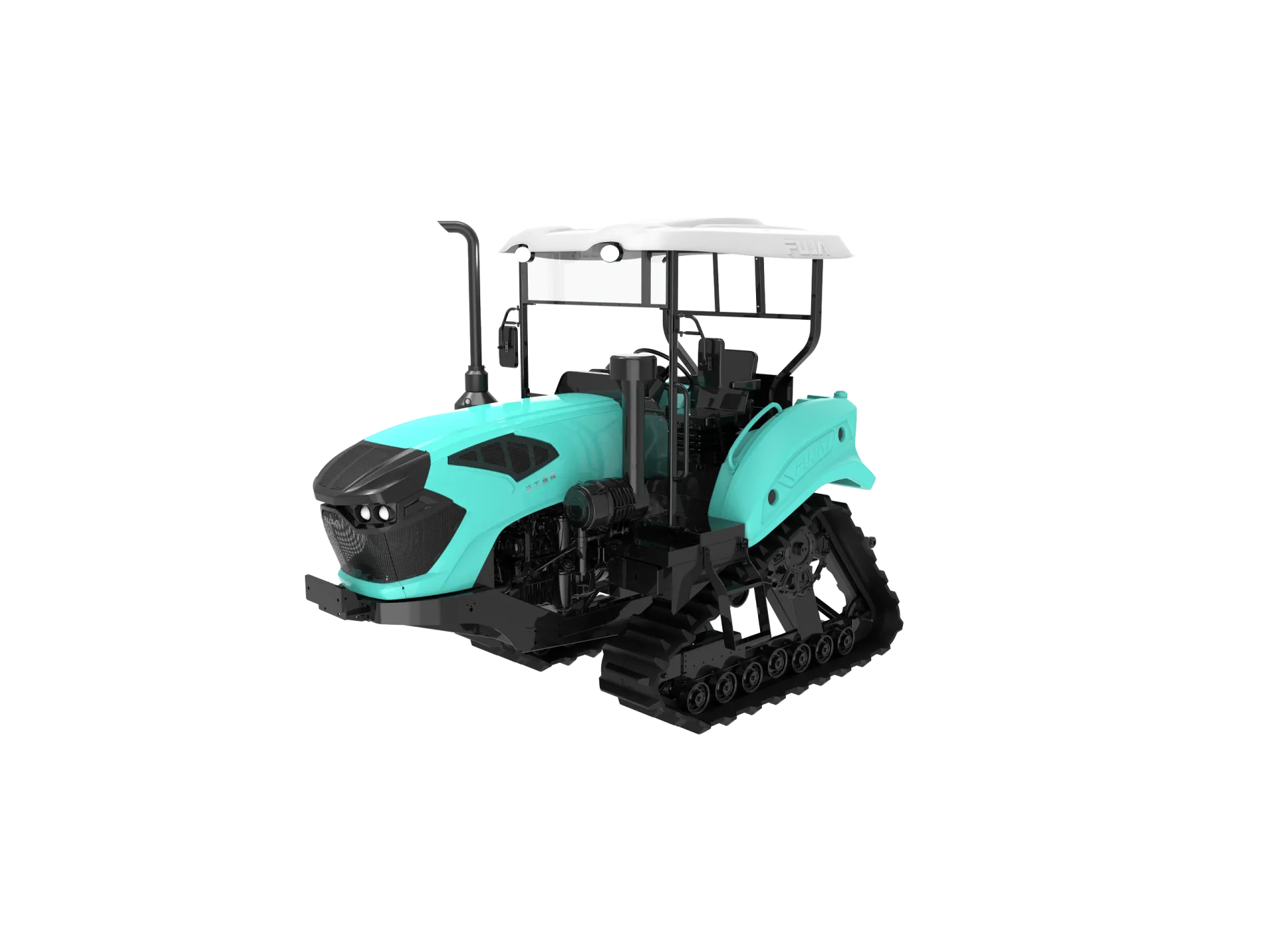
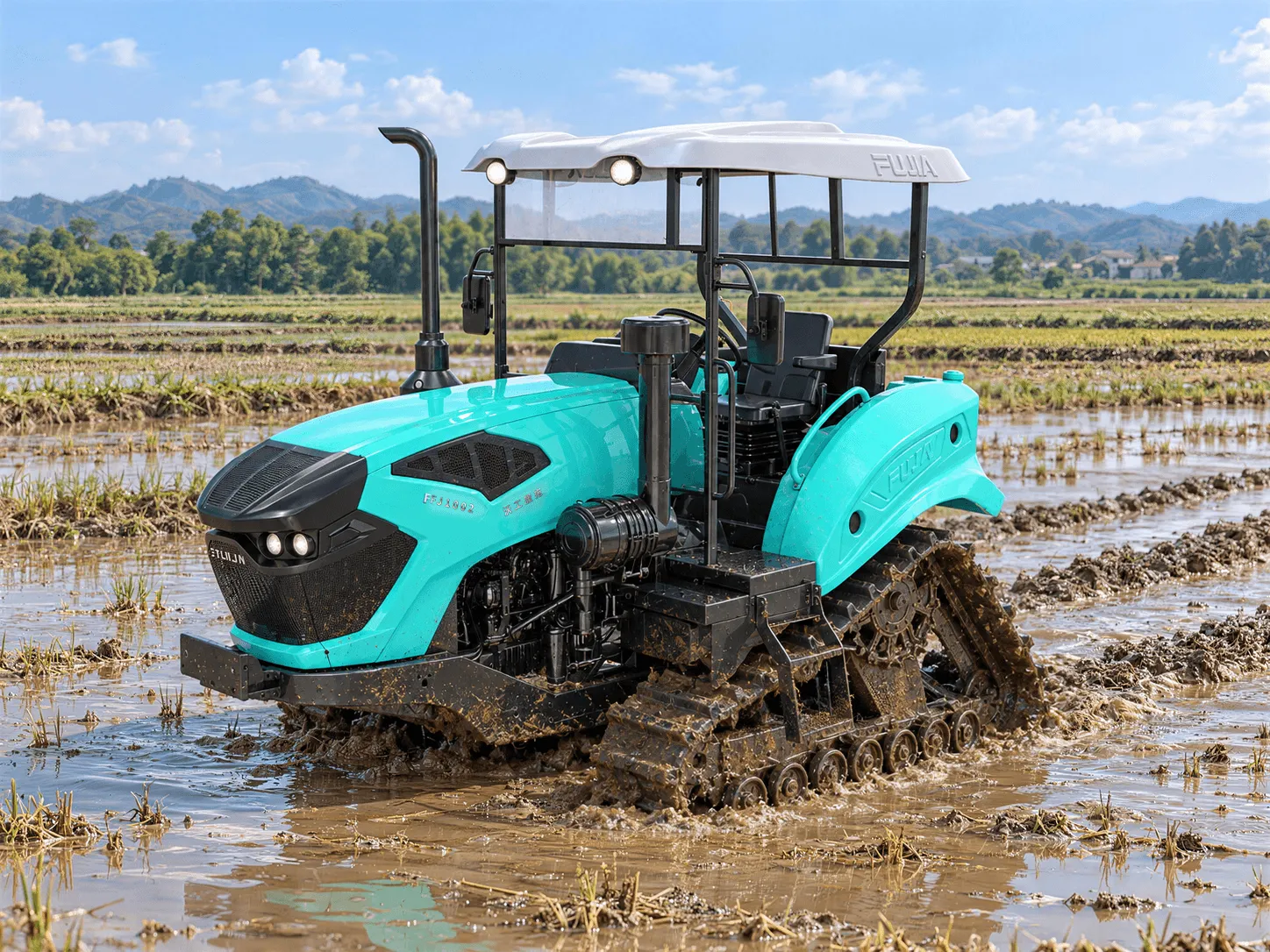
A tracked tractor moves through a continuous track belt, which is supported and guided by components such as drive wheels, idlers, and rollers. The track spreads the machine’s load over a longer contact area than a typical tire footprint. This can help maintain traction and reduce local ground loading in some conditions, but it does not guarantee lower soil impact in every field; machine weight, track width, soil moisture, speed, and turning practice all matter. Buyers should also distinguish between a purpose-built tracked tractor and a wheeled tractor carrying track units. Their frames, steering systems, undercarriage layouts, and maintenance requirements may differ. Conversion systems must be approved for the specific base tractor and should not be assumed compatible solely because the size appears suitable. No structural drawing or track-system specification is available for the product referenced here. Ask for the manufacturer’s configuration sheet, including track construction, undercarriage arrangement, service points, and any limitations on road travel or implement use. This information explains what the machine is and how its design relates to field traction without relying on unverified performance figures.