EN
 HR


How tracked running gear affects field operation
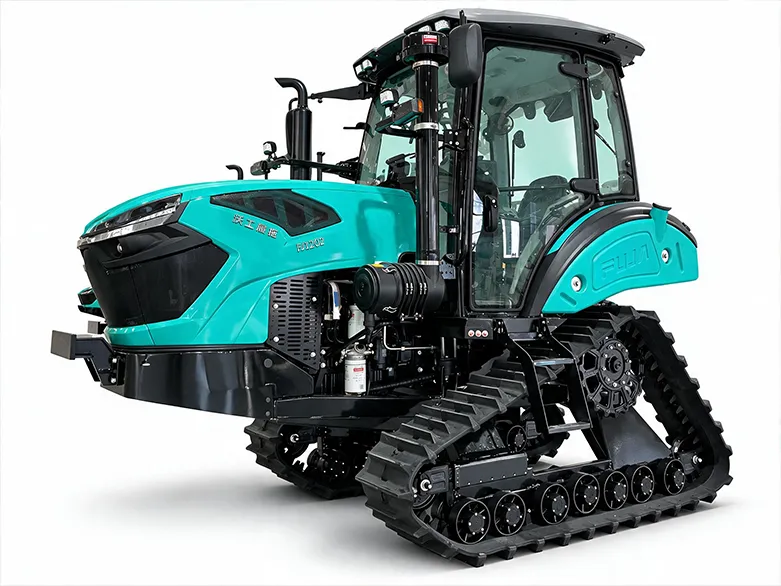
A track tractor moves through linked track assemblies rather than relying on individual tires for contact with the ground. The track system, drive components, chassis, and powertrain work together to transfer engine output into forward movement. In practice, the benefit or trade-off depends on the design and operating conditions; the word “tracked” alone does not establish traction, soil pressure, turning behavior, or travel speed. Those values must come from the technical documentation for the exact model. When reviewing a proposed machine, ask whether the quoted configuration uses steel or rubber tracks, what track dimensions are offered, and whether the manufacturer specifies operating limits for each option. Also clarify how the tractor steers and turns, as tracked layouts can differ from wheeled tractors in maneuvering characteristics and surface impact. The available brand information describes intelligent R&D and smart manufacturing, but it does not explain a particular tractor’s track design or components. Request a labeled specification sheet or technical drawing if the running gear is important to your evaluation. This lets your engineering or farm team assess the actual configuration instead of relying on general assumptions about tracked machines.