EN
 HR

How Tracks Change Field Contact and Traction
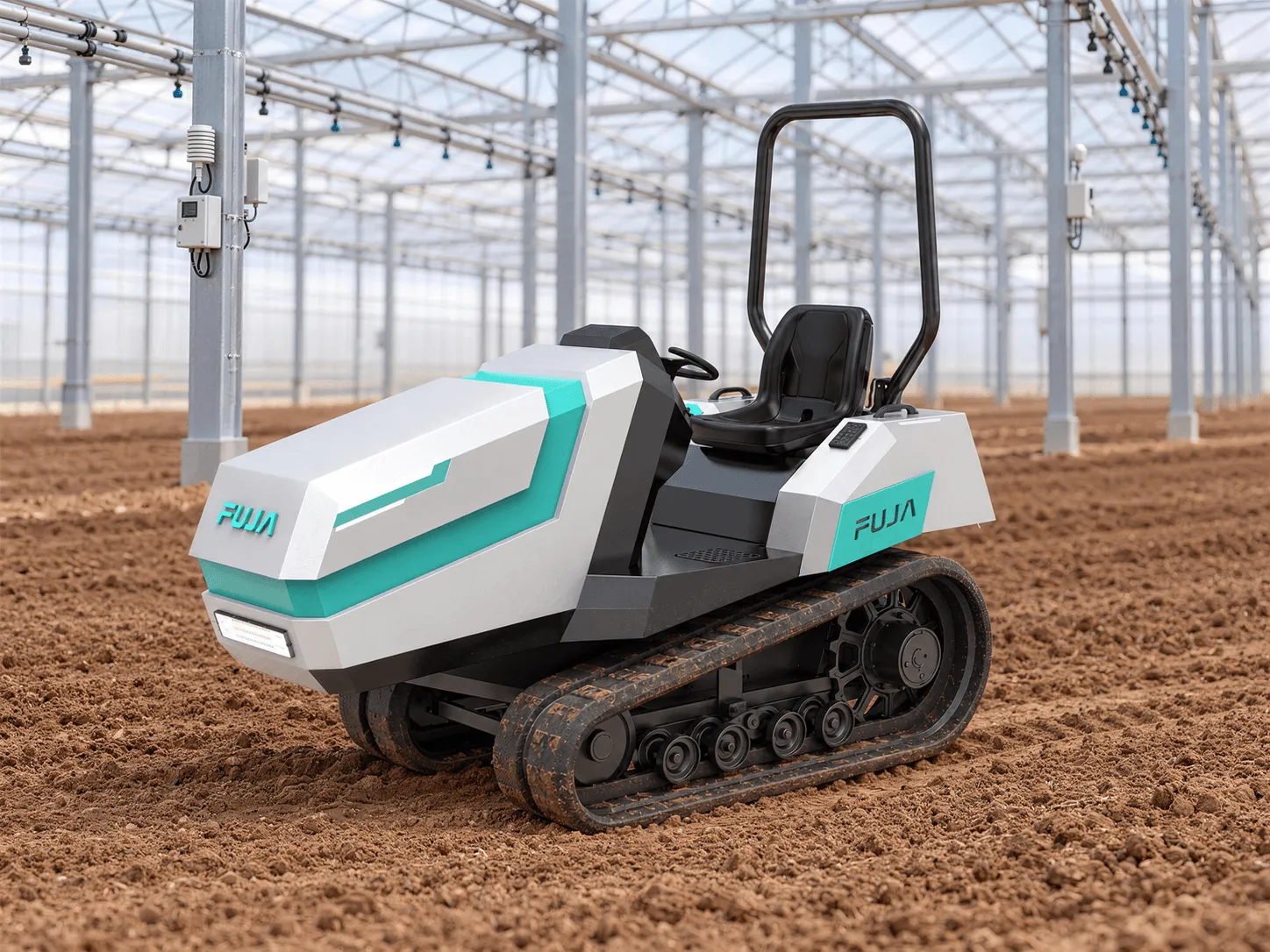
A crawler tractor moves on continuous tracks rather than relying on individual tires. This changes how the machine contacts the ground: its weight is carried over the track footprint, while track engagement helps it move across surfaces that may offer limited tire traction. In agriculture, that can make tracked equipment worth assessing for soft or uneven plots, but it does not make every crawler tractor suitable for every field. Soil strength varies with moisture, compaction, and recent weather, and a loaded tractor behaves differently from one travelling without an implement. Steering method and turning space also matter because repeated turns can disturb the soil or crop rows. The product information supplied for Agricultural Machinery Manufacturer & Supplier does not identify a track design, chassis layout, or specific crawler tractor model. Buyers should therefore use the mechanism as a starting point, not as proof of a particular performance level. Ask for drawings or technical documentation showing the proposed machine’s contact arrangement and operating limits. Then relate those details to the fields where it will work, including headlands and access routes. This gives the farm team a clear basis for discussing traction and soil contact without assuming unverified specifications.