Home » small track tractors

Small Track Tractors for Challenging Farm Sites

small track tractors

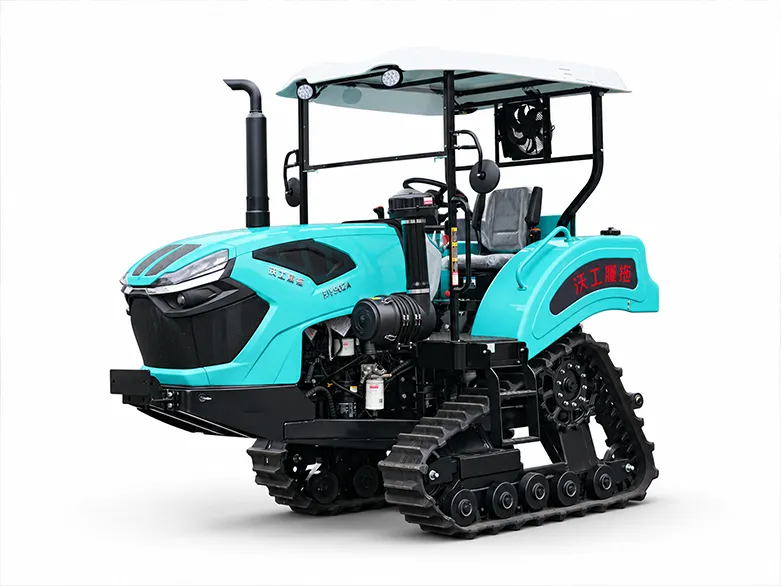
Small track tractors are compact agricultural machines designed to travel on tracks rather than relying on conventional wheels. Buyers often consider them when farm work involves narrow access, soft ground, slopes, or other conditions where traction and ground contact matter. Their suitability depends on the machine’s actual dimensions, power, track design, attachments, and the terrain it will encounter; none of those product specifications were provided here, so they should be confirmed before comparing models. Agricultural Machinery Manufacturer & Supplier presents a high-end, innovation-led manufacturing profile, with a 68,000 m2 smart manufacturing base and an intelligent R&D focus on practical agricultural challenges. The company also reports serving more than 150 customers and lists CE among its certifications; confirm which product models and configurations that certification covers. For a useful first discussion, identify the crops or tasks involved, the narrowest access point, ground conditions, slope, and any implements you need to operate. Those details help establish whether a small track tractor is a reasonable fit and what technical information to request next.

Technical Detail

Configured around process stability, mold life, and long-term uptime.

A small track tractor is a tracked agricultural vehicle intended for farm work where a compact machine and tracked running gear may be relevant. Its precise capabilities cannot be determined from the information available: no engine rating, operating weight, dimensions, track width, ground-pressure figure, turning radius, or implement compatibility has been supplied. These details should not be assumed from the product category alone. Agricultural Machinery Manufacturer & Supplier describes its operation as a high-end manufacturing business with a 68,000 m2 smart manufacturing base. The company identifies intelligent R&D as a way to address real-world challenges and smart manufacturing as part of its approach to building reliable performance. It also reports serving 150+ customers. These are brand-level details, not specifications for a particular tractor model. The company lists CE certification, but buyers should verify the relevant certificate, product scope, and configuration for the unit under consideration. A small track tractor may interest growers, farm operators, and agricultural contractors who need to assess a compact tracked platform for their work. Before treating it as suitable, compare documented machine specifications with site access, soil conditions, slopes, work duration, and the implements required. Ask the supplier for the model’s technical sheet, available configurations, operating limits, and confirmation of applicable compliance documents. This creates a fact-based starting point for evaluating the machine without relying on unverified claims.

Paddy Field Crawler Tractor

How Track Configuration Affects Farm Use

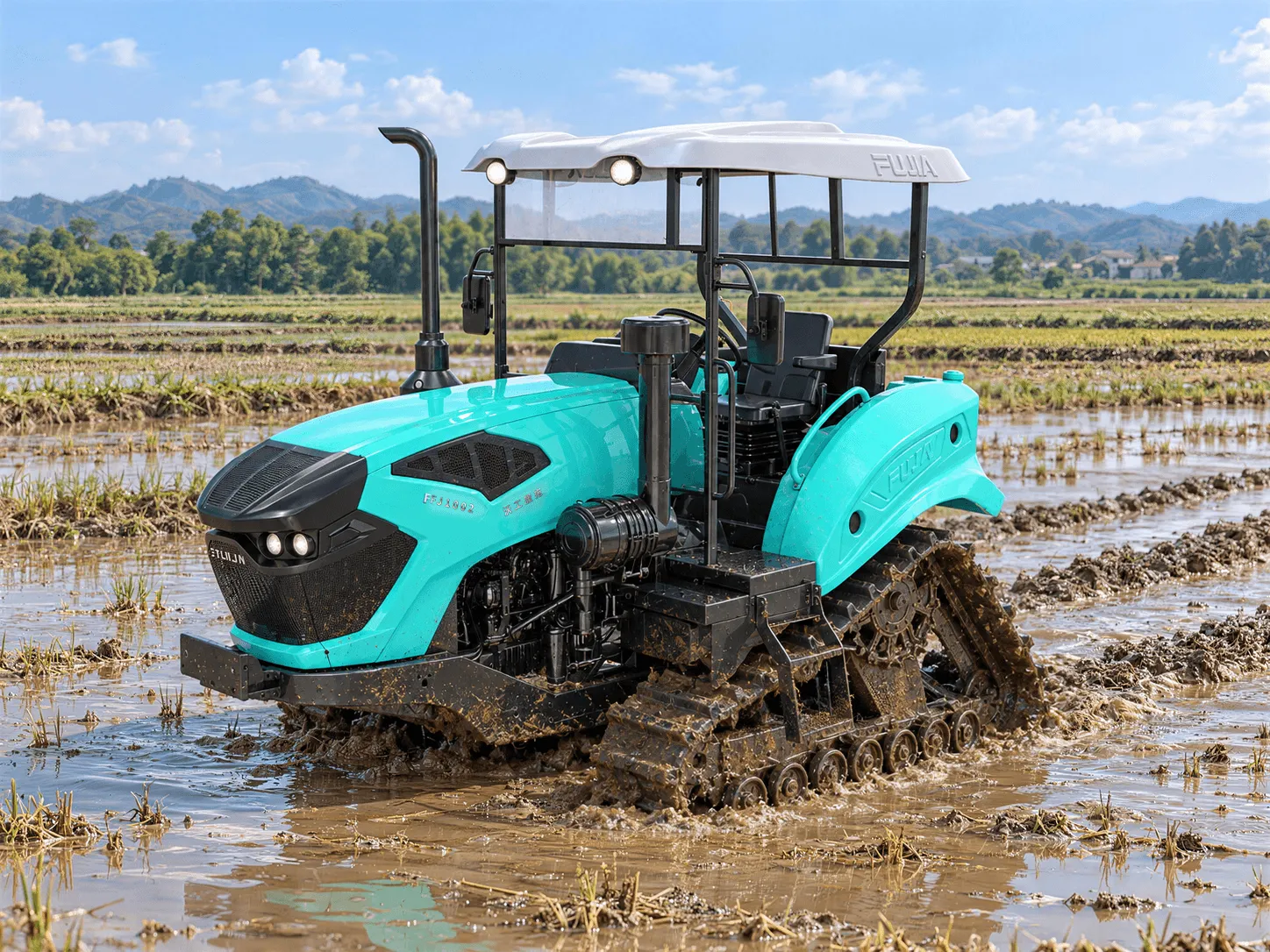
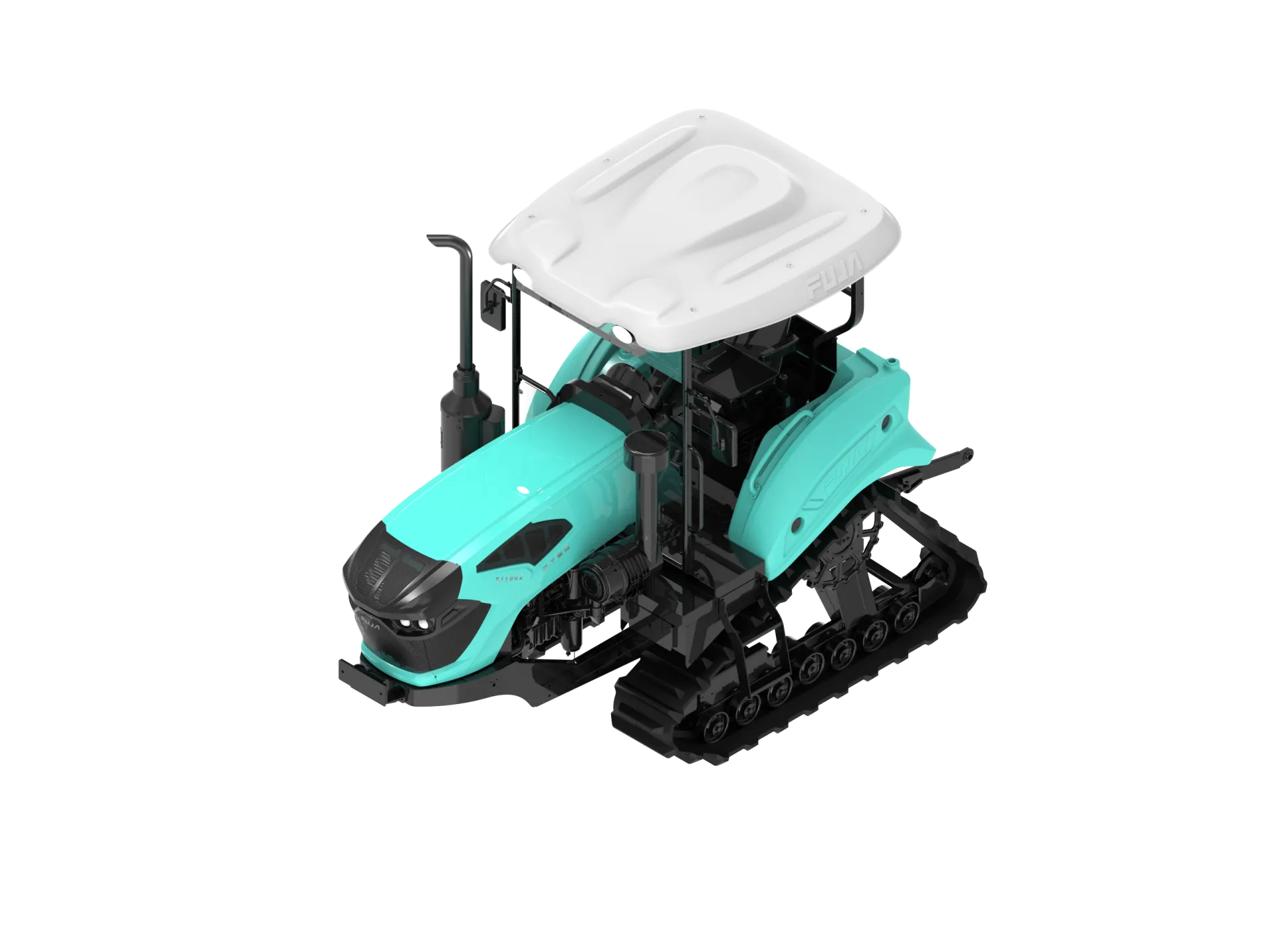
The defining feature of a small track tractor is its tracked running gear. Tracks distribute the machine’s contact with the ground differently from a conventional wheeled layout, which is why buyers often investigate tracked equipment for soft or uneven terrain. That general principle does not establish how a particular tractor will perform: results depend on factors such as track width and material, machine weight, tread design, soil moisture, slope, and operator technique. No track dimensions or ground-pressure data are available for this product, so request them rather than inferring performance from the word “track.” Also confirm how the tractor steers, what its turning method requires, and whether the track assembly has maintenance requirements relevant to your site. The manufacturer describes intelligent R&D as focused on real-world challenges, but no specific mechanism or track design has been documented here. Ask for a product diagram or technical sheet showing the undercarriage and identify which components are adjustable or replaceable, if any. Understanding these details helps distinguish the broad idea of tracked mobility from the verified design of the model you may purchase.

Paddy Field Crawler Tractor

Check Terrain and Access Before Assuming Fit

A tracked layout can make a small tractor worth evaluating for ground or access conditions that are difficult for some wheeled machines, but suitability is site-specific. Start with the narrowest gate, shed entrance, or row spacing the tractor must pass through, then compare that measurement with the machine’s published overall width and turning dimensions. For wet or soft areas, ask for operating guidance and any available ground-contact data; soil condition and load can change how a machine behaves. On slopes, request the manufacturer’s stated operating limits and safety instructions rather than estimating a safe angle. Consider whether the work involves headland turns, frequent transport between fields, or hard surfaces, since these can affect track wear and maneuverability. The manufacturer’s materials provide no dimensions, slope limits, transport details, or operating restrictions for a specific small track tractor. Its 68,000 m2 smart manufacturing base is company information, not evidence that a model meets a particular site requirement. Treat a mismatch in width, terrain limits, or transport arrangements as a reason to pause and obtain written technical clarification before purchase.

Paddy Field Crawler Tractor

Prepare a Useful Tractor Inquiry

To move from general interest to a model discussion, send the supplier a short description of the job and ask for evidence tied to the exact configuration. Include the intended tasks, crop or working area, soil conditions, slope, access width, expected hours of use, and the implement types you expect to connect. Request the model name, technical sheet, engine and machine specifications, overall dimensions, track details, operating limits, and a list of available attachments. Ask which configurations are available and whether any requested implement requires a particular connection or power interface. If CE compliance matters for your destination market, request the certificate and confirm that it applies to the model and configuration being quoted; the brand information alone does not establish that scope. The supplier reports serving 150+ customers, but no specific delivery, warranty, or parts terms are provided here, so request those in writing as part of the commercial discussion. This information lets both sides check technical fit before price, shipping, and purchasing terms are evaluated. Do not treat a category name or a general brand claim as a substitute for model-specific documentation.

News

Industry updates

Products

Production modules

Why Choose Us

A Manufacturing Partner Focused on Practical Farm Needs

Agricultural Machinery Manufacturer & Supplier positions itself as a high-end agricultural machinery business with a 68,000 m2 smart manufacturing base. For buyers assessing small track tractors, that scale is relevant as company context, but it does not replace verification of the specific model’s build, performance, or support arrangements. The brand also identifies intelligent R&D as a way to address real-world challenges, giving buyers a clear subject for technical discussions about terrain, access, and intended work. Its stated smart manufacturing approach emphasizes precision in production; ask what quality checks and documentation apply to the tractor configuration you are considering. The company reports more than 150 customers, which offers a broad signal of market activity without identifying individual projects or proving suitability for a particular farm. CE is listed among the brand’s certifications, so request the applicable certificate and confirm its scope before relying on it for procurement or market compliance. For a serious evaluation, combine these company-level credentials with model-specific specifications, written operating limits, compliance documents, and clear commercial terms. That keeps the decision grounded in verifiable information.

FAQ

Common technical questions

How do small track tractors differ from small wheeled tractors?

They use tracked rather than wheeled running gear, which changes how the machine contacts the ground and how it turns. The practical difference depends on the specific design and site conditions. Compare documented dimensions, track or tire details, operating limits, and maintenance guidance for the models you are considering.

Can a small track tractor work in a narrow orchard or vineyard?

It may be worth evaluating where access is restricted, but the available information does not include a tractor’s width or turning dimensions. Measure row spacing and access points, then request the exact model dimensions and turning information before deciding.

What information should I provide to get a suitable model recommendation?

Share the tasks, terrain and soil conditions, slope, narrowest access point, expected use, and implements you plan to operate. Ask the supplier to match those requirements against a named model’s technical sheet and stated operating limits.

What should I inspect before operating a tracked tractor?

Use the operating and maintenance instructions for the exact model. Confirm the track system’s inspection points, tension or adjustment procedure if applicable, and any restrictions for slopes or hard surfaces with the supplier; those details were not provided for this product.

Need a solution for your project?

Share your product type, target capacity, and application requirements. Our team can review the details and recommend a practical next step.

Contact Us