EN
 HR

How a Compact Tracked Tractor Moves
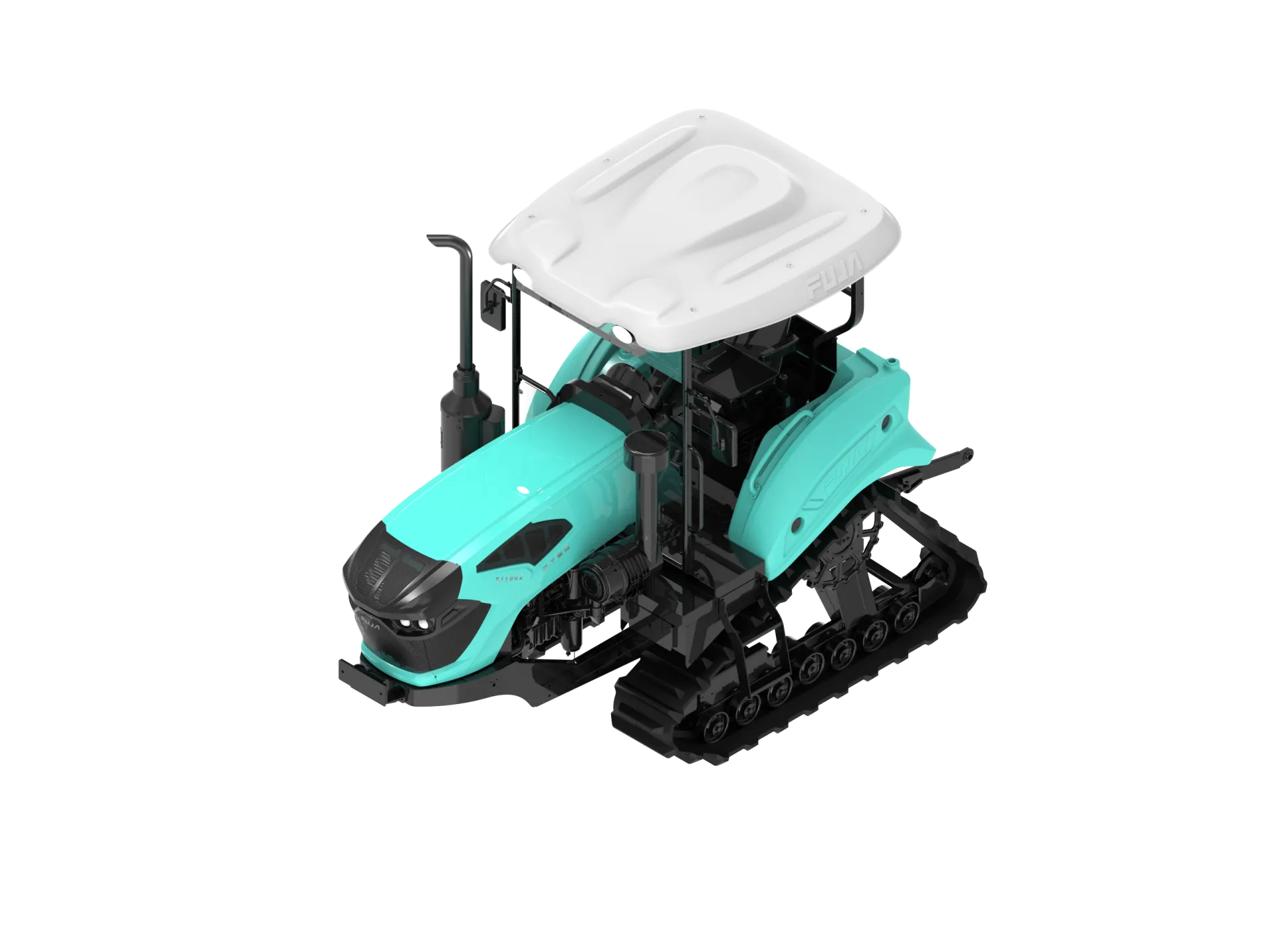
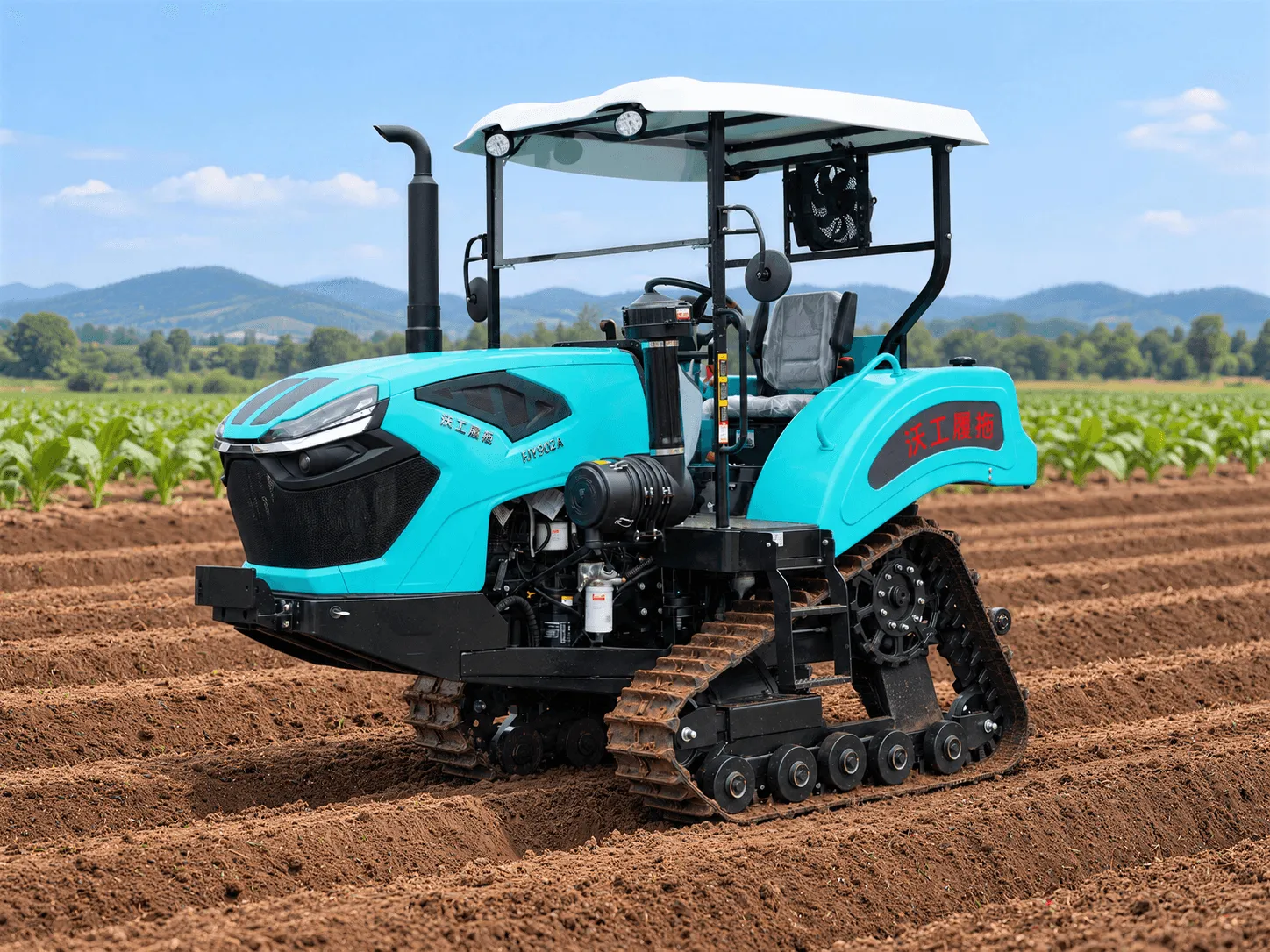
Unlike a wheeled tractor, a tracked machine transfers drive through tracks running around wheels or rollers. That arrangement creates a continuous ground-contact surface, while the exact track path, undercarriage layout, and steering method depend on the model. The product information available for Agricultural Machinery Manufacturer & Supplier does not identify a particular undercarriage or explain whether a tractor uses rubber or metal tracks, so buyers should not assume either construction. These distinctions affect ground interaction, wear, turning behavior, and maintenance. The machine’s full configuration also matters: track width and length, total operating width, weight distribution, and drive system all shape how it behaves in a field. Ask the supplier for a diagram or technical description of the proposed model, along with its operating weight and track specifications. If the tractor is intended for narrow access, compare its stated overall width with the actual route and working rows. If it must turn frequently, ask how steering is controlled and what operating guidance applies. Understanding the mechanism helps buyers interpret the specification sheet rather than treating “tracked” as a complete performance claim.