Home » Rice Seedling Sowing Machine

Rice Seedling Sowing Machine for Rice Nurseries

Rice Seedling Sowing Machine

A Rice Seedling Sowing Machine is designed to support the sowing stage of rice seedling production, where seeds are placed into nursery trays or other growing media before transplanting. It is relevant to rice farms, seedling nurseries, agricultural contractors, and machinery dealers evaluating equipment for a repeatable nursery workflow. The right machine depends on practical details that are not specified in the available product information, including tray dimensions, sowing method, capacity, power requirements, and the type of growing medium used. Buyers should therefore treat this page as an introduction to the product category, not as a confirmed specification sheet. Agricultural Machinery Manufacturer & Supplier describes its approach as high-end and innovation-led, with a 68,000 m2 SMART MANUFACTURING BASE, intelligent R&D, smart manufacturing, and global service positioning. Before comparing configurations, define the nursery process the machine must fit and confirm those operating details with the supplier. That gives both sides a clear basis for discussing suitability without assuming unverified features.

Technical Detail

Configured around process stability, mold life, and long-term uptime.

A Rice Seedling Sowing Machine serves a specific point in rice production: nursery preparation before seedlings are transplanted to the field. For buyers, the purchase is less about the product name alone and more about whether the machine can fit the nursery’s existing tray, medium, labor, and handling routines. The information provided for this page does not include a model number, output rate, dimensions, seed-rate range, drive system, or included accessories. These details should be requested and verified before making a technical comparison or preparing a purchase specification. Agricultural Machinery Manufacturer & Supplier presents a high-end, innovation-focused brand position. Its stated manufacturing base covers 68,000 m2 and is described as smart manufacturing, while its stated capabilities include intelligent R&D and precision-oriented production. The brand also cites 150+ customers and global service support; these are company-level statements, not machine-specific performance data. CE is listed among the brand credentials, but buyers should confirm whether the specific machine configuration they are considering has applicable CE documentation. For a nursery operator, the immediate task is to establish compatibility with the current production line. Confirm the tray format and nursery method first, then request the machine’s verified technical sheet and configuration details. This keeps evaluation grounded in documented requirements rather than assumptions based on a category label.

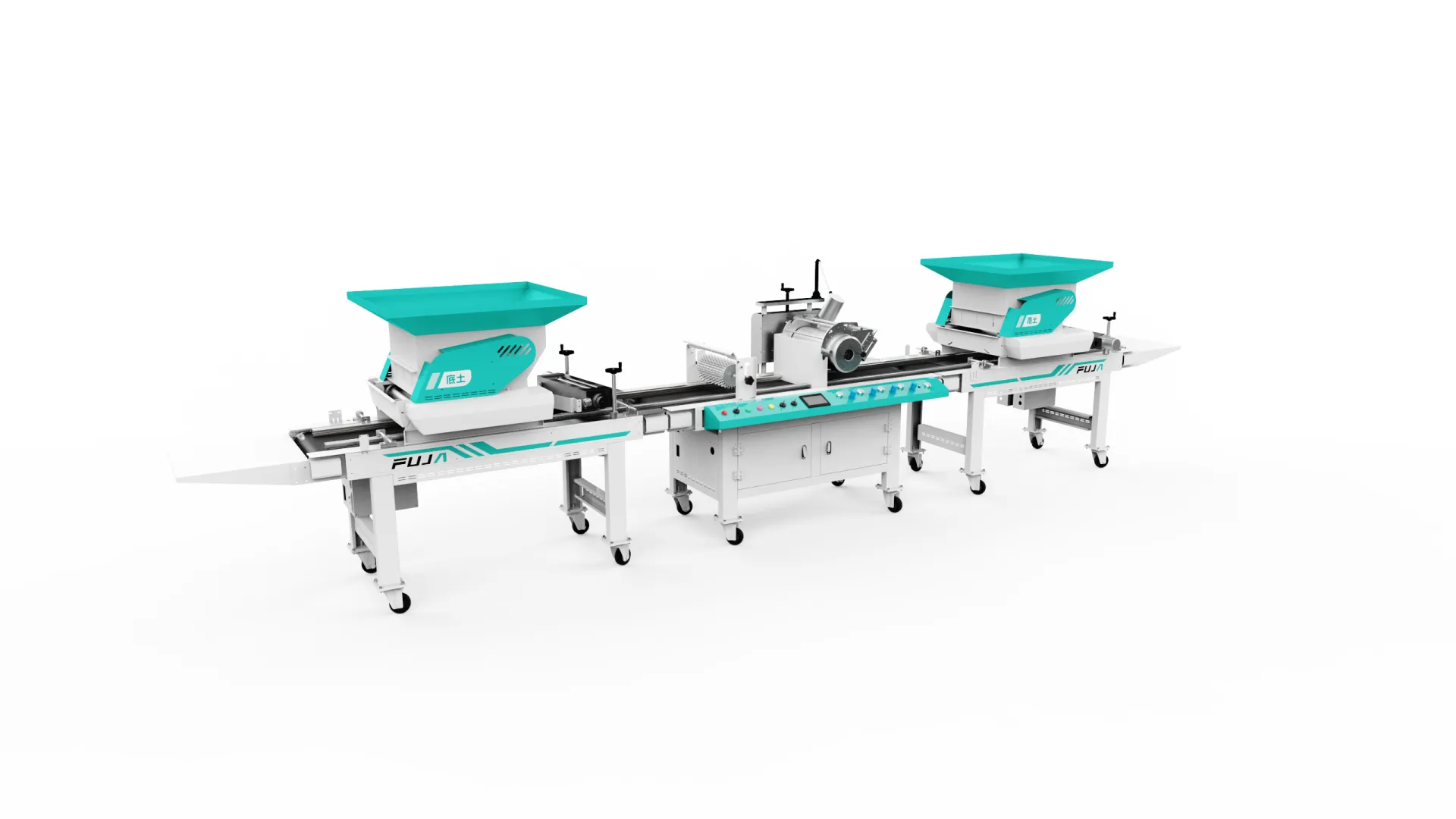
Vegetable Seeding and Sowing Line

What the Sowing Machine Does in a Rice Nursery

Rice seedling production begins before field transplanting. A Rice Seedling Sowing Machine is equipment intended to assist with sowing rice seed during this nursery stage, typically as part of a workflow that prepares trays or another specified growing format. The exact mechanism can vary by machine design. Since no product drawing, operating description, or model specification has been supplied here, it would be inaccurate to state whether this machine meters seed mechanically, uses a particular distributor, handles soil in a defined sequence, or includes tray conveying. Buyers can still use the category purpose to map the process: identify how trays or growing units are prepared, where seed is introduced, and what happens immediately before and after sowing. Then ask the supplier for a machine layout or process description that confirms those steps for the offered model. Agricultural Machinery Manufacturer & Supplier identifies intelligent R&D as one of its capabilities, describing it as design work aimed at real-world challenges. For a technical discussion, request a clear explanation of the offered machine’s sowing sequence and component layout. That information will help the nursery team understand how the equipment is intended to fit into its workflow without relying on unconfirmed assumptions.
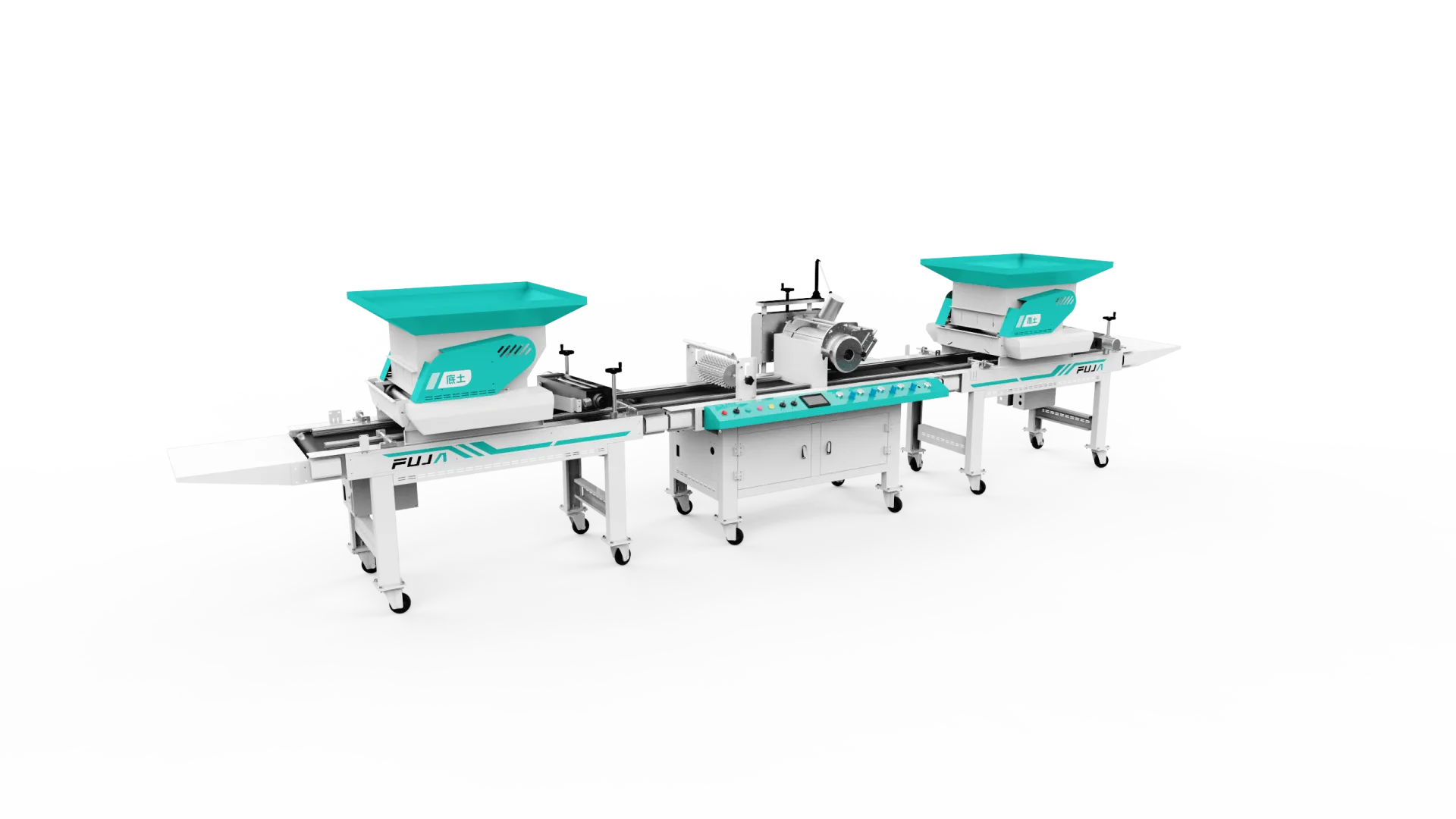

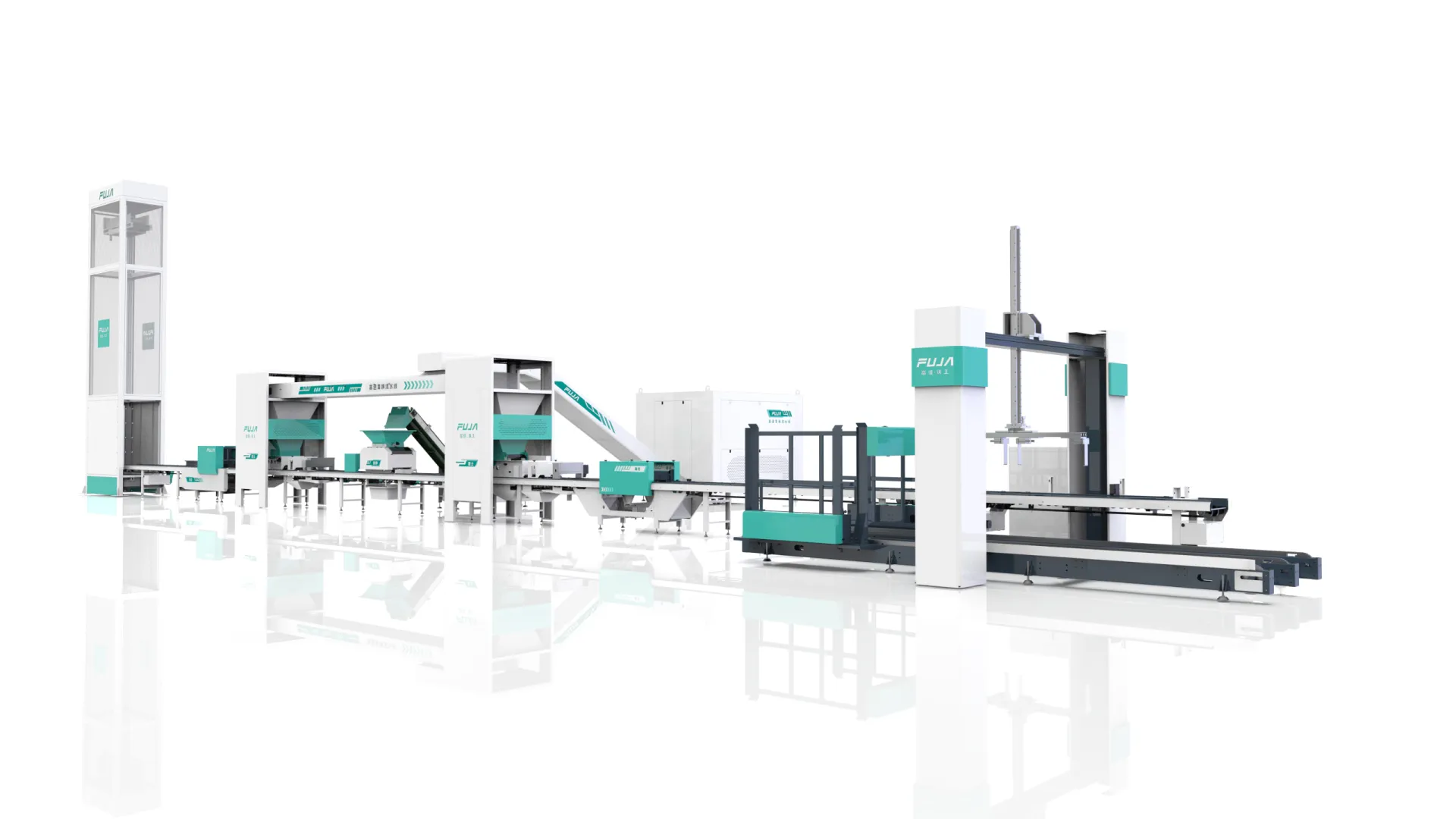
Vegetable Seeding and Sowing Line

Check Whether It Fits Your Nursery Conditions

Suitability depends on the nursery setup, not simply on the fact that the crop is rice. Before assessing a Rice Seedling Sowing Machine, document the tray or growing format in use, the dimensions and handling method, the growing medium, seed preparation practice, and the available space around the sowing line. These are evaluation points, not confirmed compatibility claims for a particular model. A machine may require different arrangements depending on how trays are fed, filled, moved, or collected, so ask the supplier to confirm each interface against your actual process. Also clarify the intended operating environment, available power source, staffing pattern, and the daily sowing schedule you need to support. No capacity, power, footprint, or environmental limits are provided in the current product information; do not infer them from the product name. If the nursery uses non-standard trays or a locally specific workflow, provide samples, drawings, or measurements for review before treating the machine as suitable. The brand describes precision-oriented smart manufacturing, but that company positioning does not establish compatibility with a particular nursery. A sound fit assessment should end with written confirmation of the accepted tray format, operating conditions, and any limitations for the configuration being quoted.

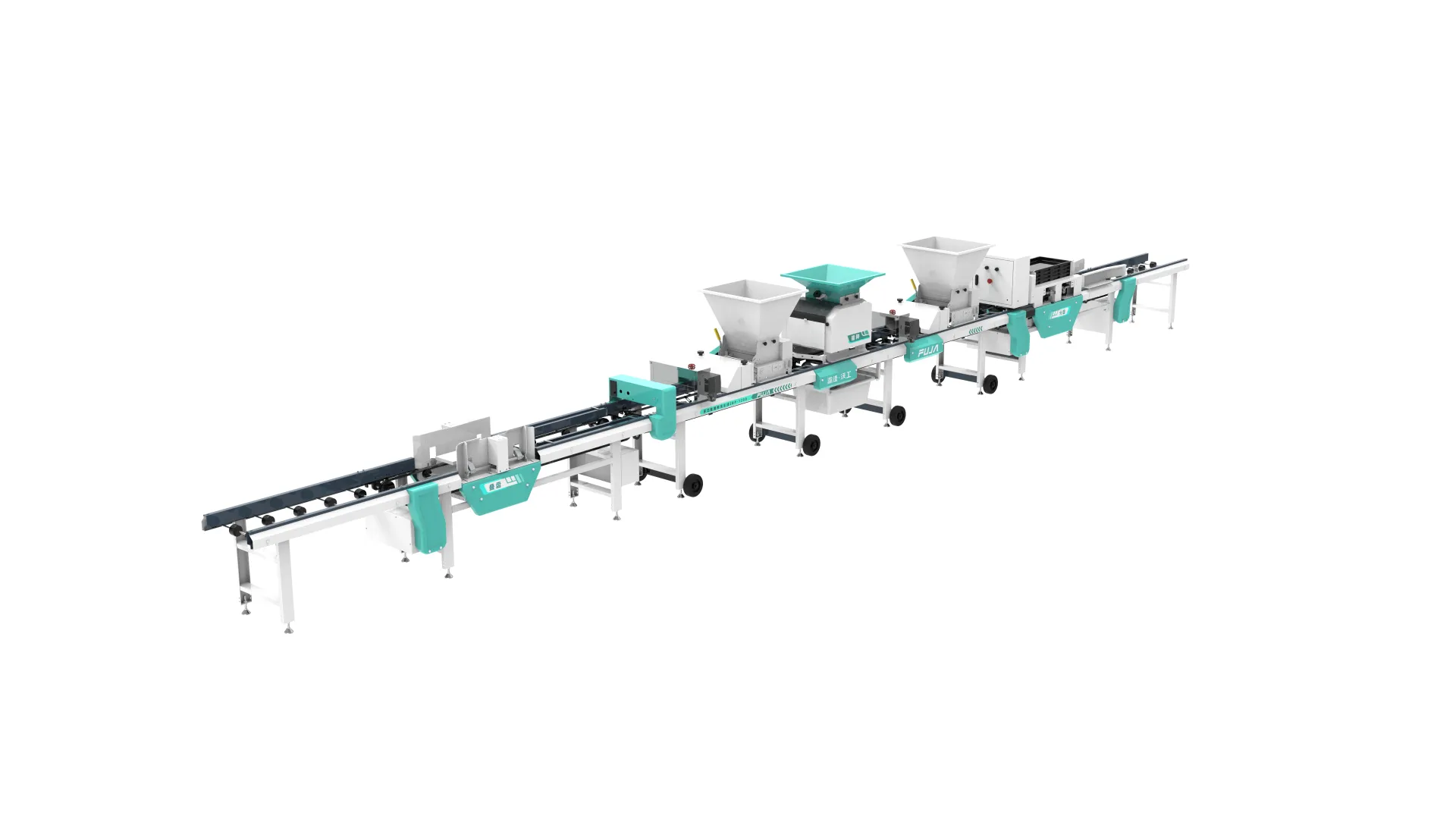
Vegetable Seeding and Sowing Line

Prepare a Clear Request for a Machine Quote

To move from initial interest to a useful quotation, send the supplier the information needed to identify a workable configuration. Start with the crop and nursery method, then provide tray dimensions or a tray sample, the growing medium, seed preparation details, and the steps you expect the machine to perform. Include the available power supply, installation space, preferred level of automation if known, and the output target your operation is working toward. These are questions for configuration review, not specifications that can be assumed for the available machine. Ask for the proposed model name, technical sheet, process description, included and optional components, power and space requirements, and any operating limits. If CE documentation matters for your market or installation, request documents for the exact model and configuration rather than relying on a general brand reference. Agricultural Machinery Manufacturer & Supplier states that it has a 68,000 m2 smart manufacturing base, intelligent R&D, and global service positioning. For practical follow-up, ask which technical documents and service arrangements apply to your destination and machine. A concise, documented request helps the supplier respond against your real nursery conditions and makes later comparisons between proposals more meaningful.

News

Industry updates

Products

Production modules

Why Choose Us

A Manufacturing Partner with R&D and Global-Service Positioning

Agricultural Machinery Manufacturer & Supplier presents a high-end, innovation-led profile built around a 68,000 m2 SMART MANUFACTURING BASE, intelligent R&D, and smart manufacturing. For buyers assessing a Rice Seedling Sowing Machine, these stated capabilities provide a starting point for questions about design review, production controls, and how a proposed configuration is documented. The company describes its R&D as focused on practical challenges and its manufacturing approach as precision-oriented; ask for the technical records that relate specifically to the model under consideration. The brand also cites 150+ customers and global service support. Those statements indicate company-level experience and service positioning, but do not by themselves confirm local coverage or a particular response commitment. Confirm what support is available in your destination market, what documents accompany the machine, and how installation or operating questions are handled. CE is listed as a brand credential. Because certification can depend on the exact product and configuration, request applicable documentation for the equipment being quoted. This approach lets a buyer evaluate the manufacturer’s stated strengths while keeping the final decision tied to verifiable machine-level information.

FAQ

Common technical questions

What information should I provide to check whether the machine suits my nursery trays?

Send the tray dimensions or a sample, along with your growing medium and a brief description of how trays move through the nursery. Ask the supplier to confirm compatibility for the specific model; no tray range is provided in the available information.

Can this machine be used in a small rice nursery as well as a commercial operation?

The product category is relevant to rice seedling nurseries, but the suitable scale cannot be confirmed without verified capacity and operating requirements. Share your target production schedule and available space, then request the model’s documented output and installation needs.

What should I compare when reviewing two sowing machine proposals?

Compare verified specifications for output, tray compatibility, power, footprint, sowing process, included components, and operating limits. The current product information does not provide those values, so ask each supplier to document them for the quoted configuration.

Does the listed CE credential confirm that this specific machine is CE compliant?

Not by itself. CE is listed among the brand credentials, but the information provided does not confirm documentation for a particular machine. Request applicable CE documents for the exact model and configuration intended for purchase.

Need a solution for your project?

Share your product type, target capacity, and application requirements. Our team can review the details and recommend a practical next step.

Contact Us