Home » High-speed Seedling Sowing Line

High-speed Seedling Sowing Line for Commercial Growers

High-speed Seedling Sowing Line

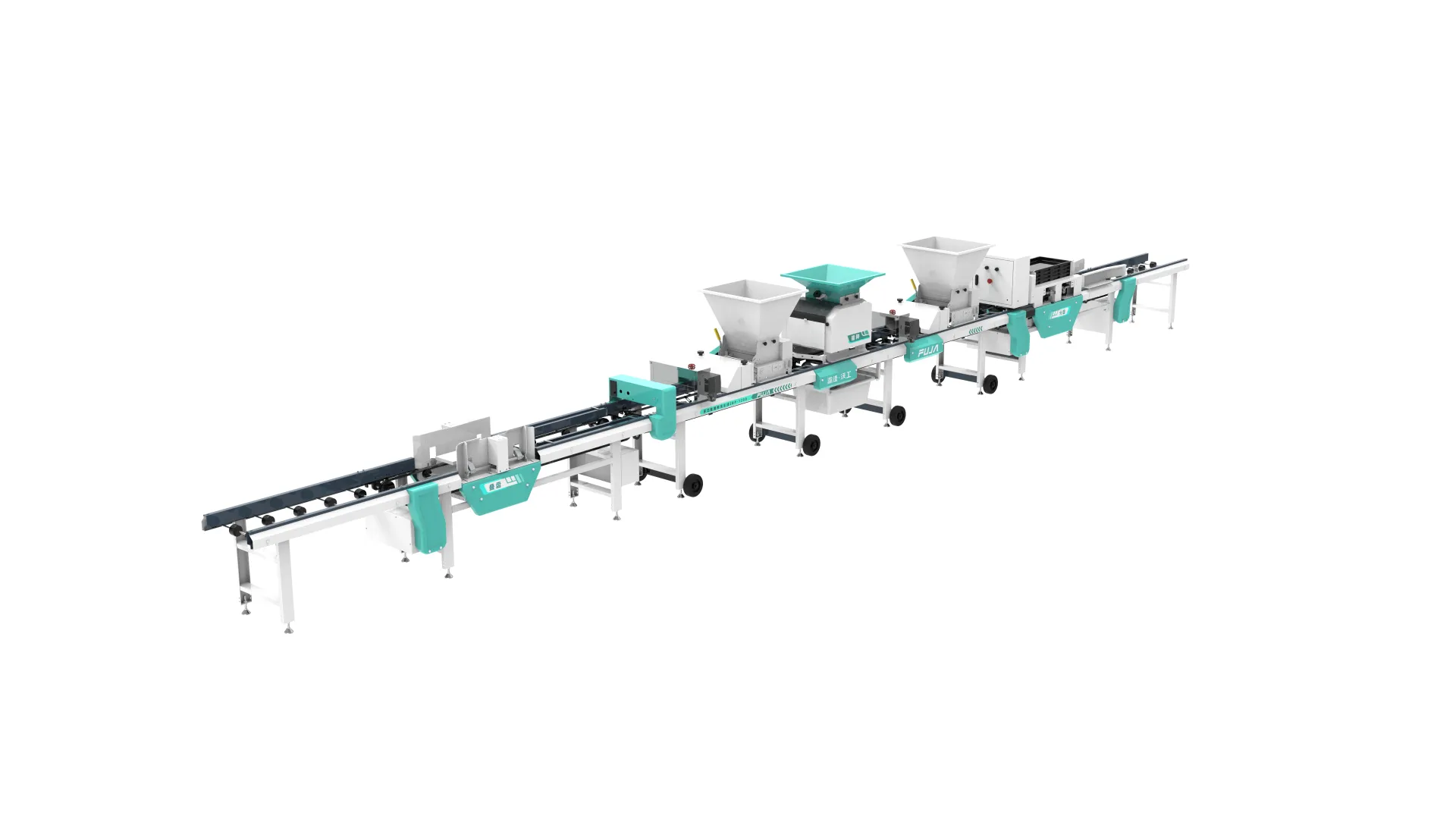
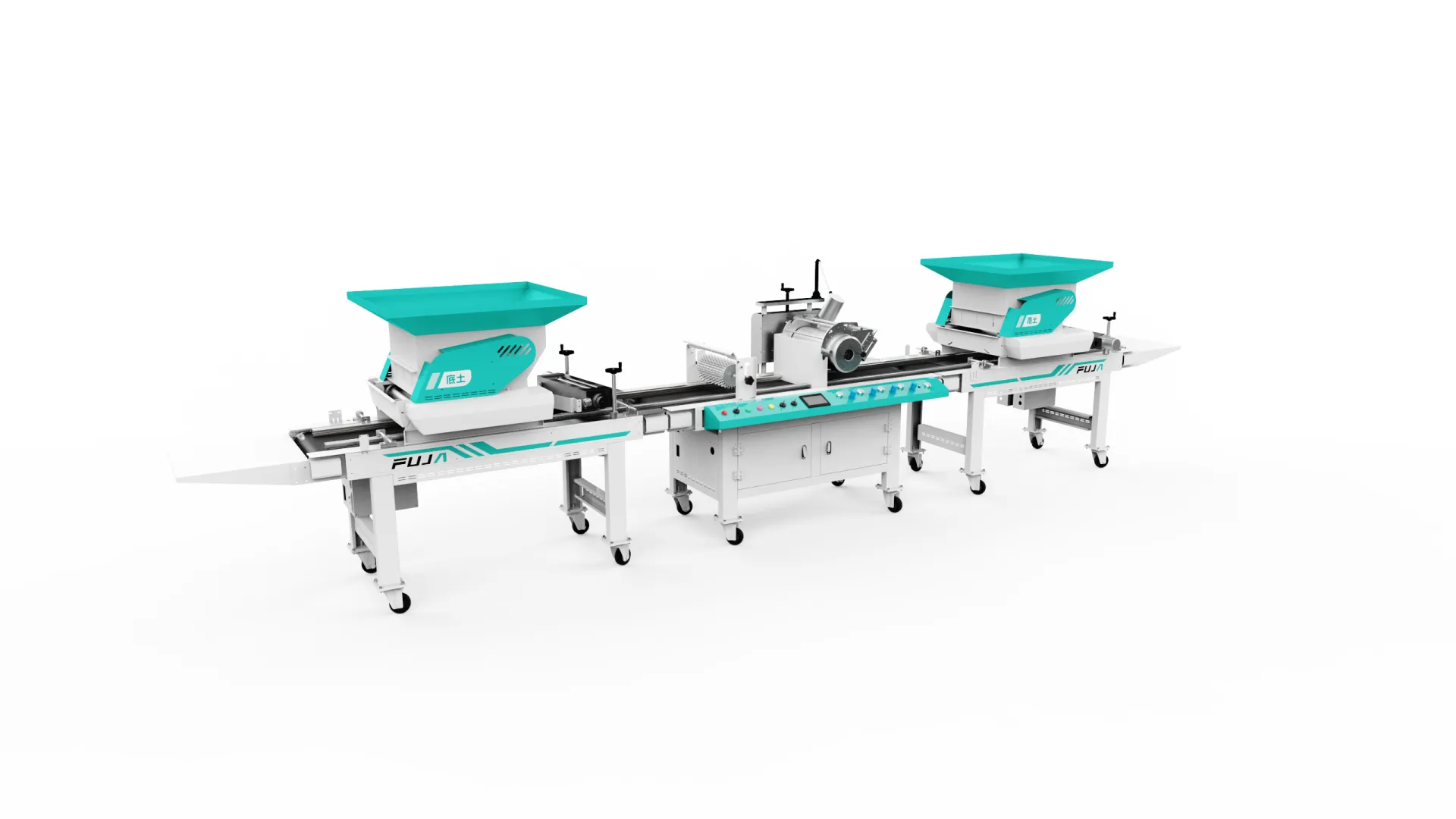
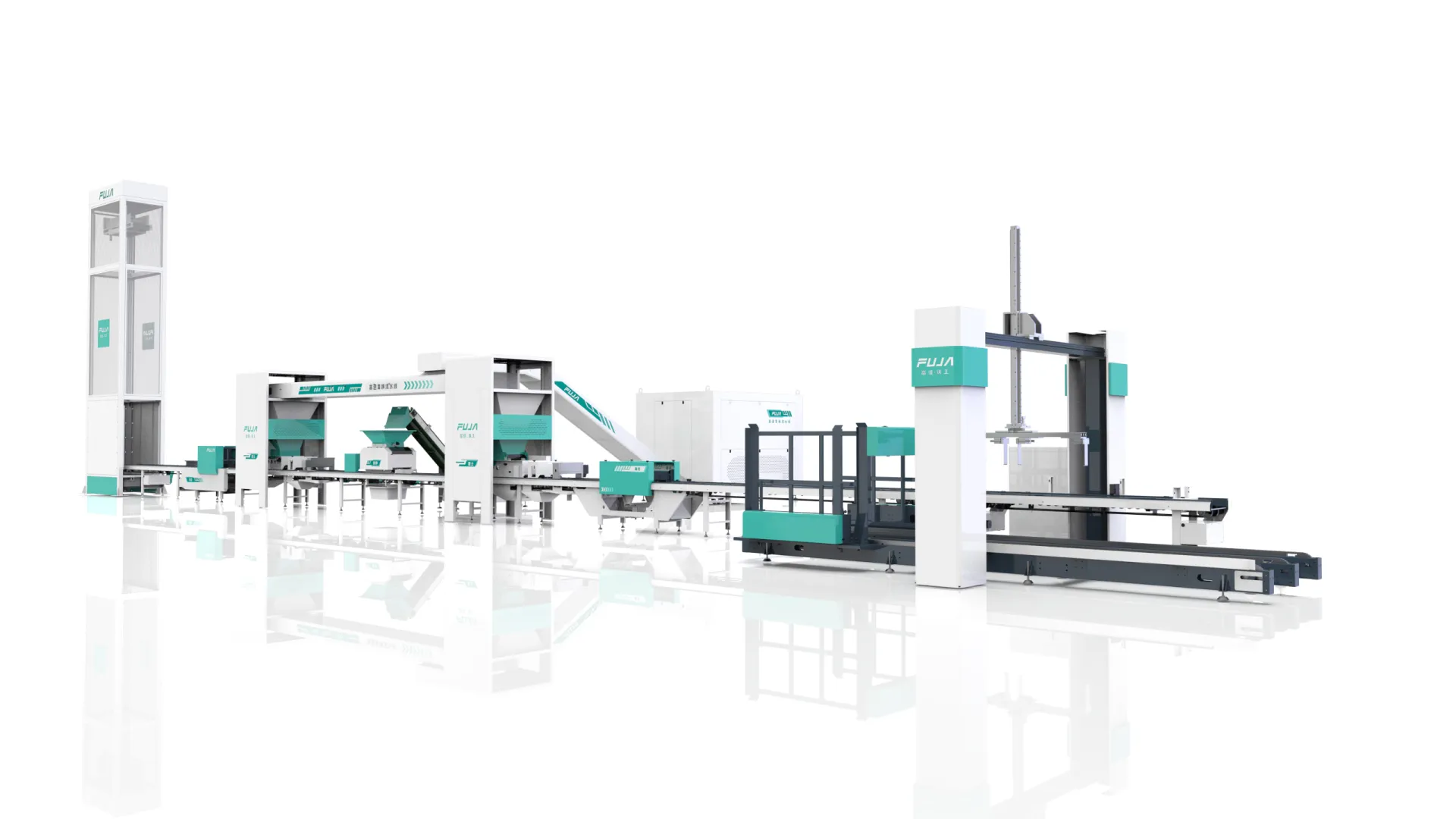
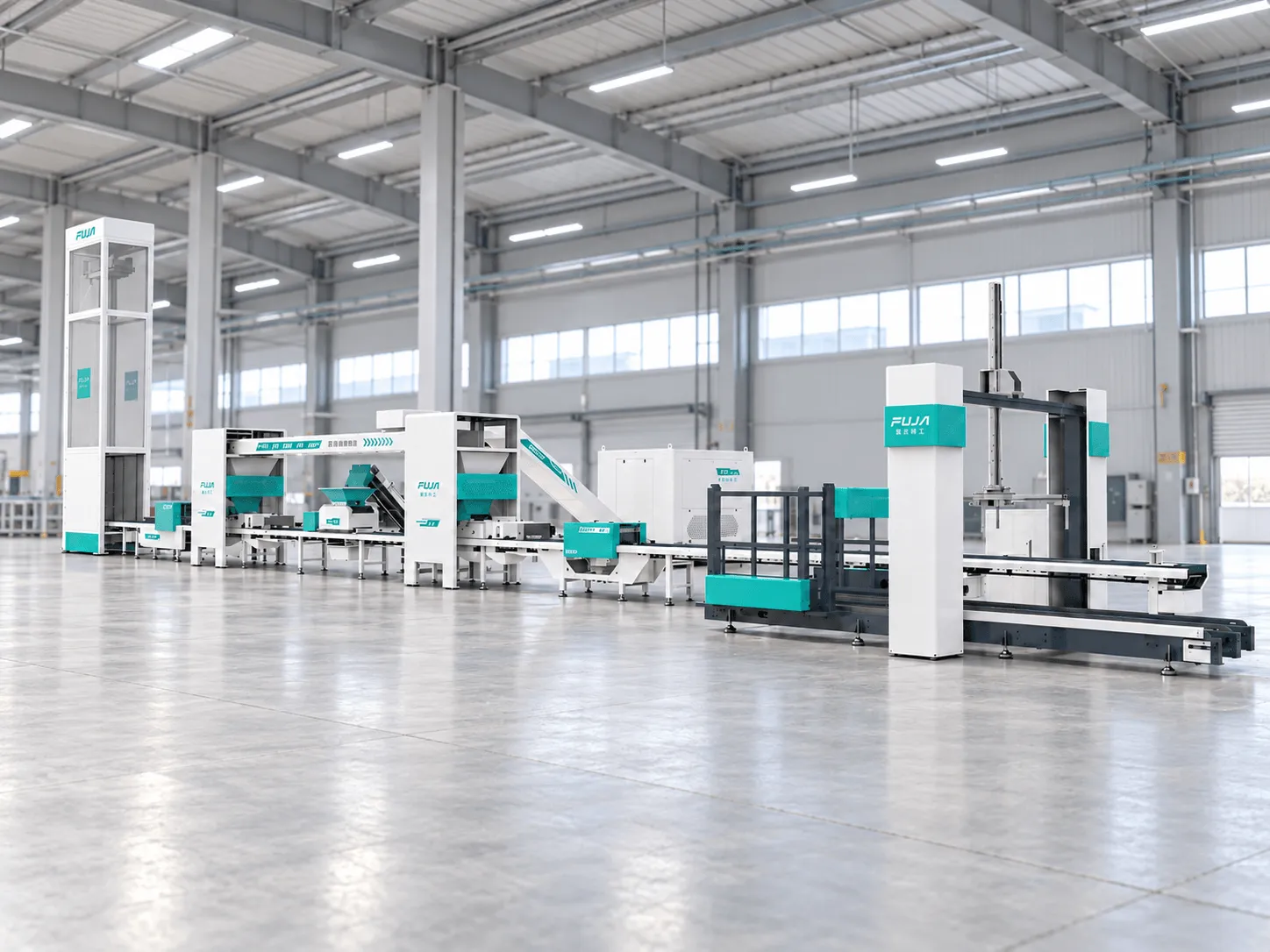
A High-speed Seedling Sowing Line is a production-line category for sowing seeds into trays used to raise seedlings. It is intended for commercial growers, nurseries, and agricultural businesses evaluating a more organized sowing operation. The name alone does not establish a particular output rate, tray format, crop range, or level of automation, and no product specification sheet has been provided here. Those details matter: a line suitable for one seed size or tray arrangement may not suit another. Agrimachinery is an Agricultural Machinery Manufacturer & Supplier with a stated 68,000 m2 smart manufacturing base and more than 150 customers. Its stated focus includes intelligent R&D, smart manufacturing, and global service. For a useful first discussion, identify the crops you sow, the seedling trays in use, your operating conditions, and the production capacity you need. The next step is to confirm which line configuration, if any, matches those requirements, and to verify the specifications and CE documentation for the offered model before purchase.

Technical Detail

Configured around process stability, mold life, and long-term uptime.

A High-speed Seedling Sowing Line is equipment intended to support seed placement in seedling trays as part of a commercial nursery or crop-production workflow. Buyers typically considering this product category include plant nurseries, greenhouse operators, and growers who sow seedlings at a scale where a dedicated line may fit their production process. The exact sowing mechanism, line layout, compatible seed types, tray dimensions, and rated output cannot be confirmed from the information supplied, so none should be assumed from the product name alone. Agrimachinery presents itself as an Agricultural Machinery Manufacturer & Supplier and states that it operates a 68,000 m2 smart manufacturing base. The company also reports serving more than 150 customers and describes its approach through intelligent R&D, smart manufacturing, and global service. These are company-provided credentials, not specifications for a particular sowing line. The brand lists CE among its certifications; buyers should confirm whether the certificate applies to the precise model and configuration being offered, and request the relevant documentation. This page is an initial product-category overview rather than a model datasheet. Before comparing equipment, establish the required tray format, seed and crop range, desired operating rate, and the work stages the line must cover. Ask Agrimachinery to confirm these points against an actual model specification. That keeps the purchase discussion grounded in your production needs instead of relying on assumptions implied by “high-speed.”

High-speed Seedling Sowing Line

What a Sowing Line Specification Needs to Explain

The product name indicates a line for sowing seeds into seedling trays, but it does not reveal how seeds are metered or placed, which other stages are integrated, or how trays move through the equipment. Those distinctions define what a particular line actually does. For example, buyers need to know whether the offered configuration covers sowing alone or includes additional operations; no such configuration details are available in the supplied product information. Request a process description or layout drawing for the exact model under consideration. It should identify the working sequence, the operator’s role, the tray path, and any included or optional equipment. Ask how seed handling is intended to work for the crops you grow, since seed size and shape can affect the suitability of a sowing method. Also request documented rated output and the conditions used to state it. “High-speed” is not a numerical performance specification and should not be treated as one. Agrimachinery describes its R&D as focused on practical challenges, but the specific design and operating mechanism still need to be confirmed for the proposed line. A clear explanation of the process lets your team assess how the equipment would fit into its existing nursery workflow.
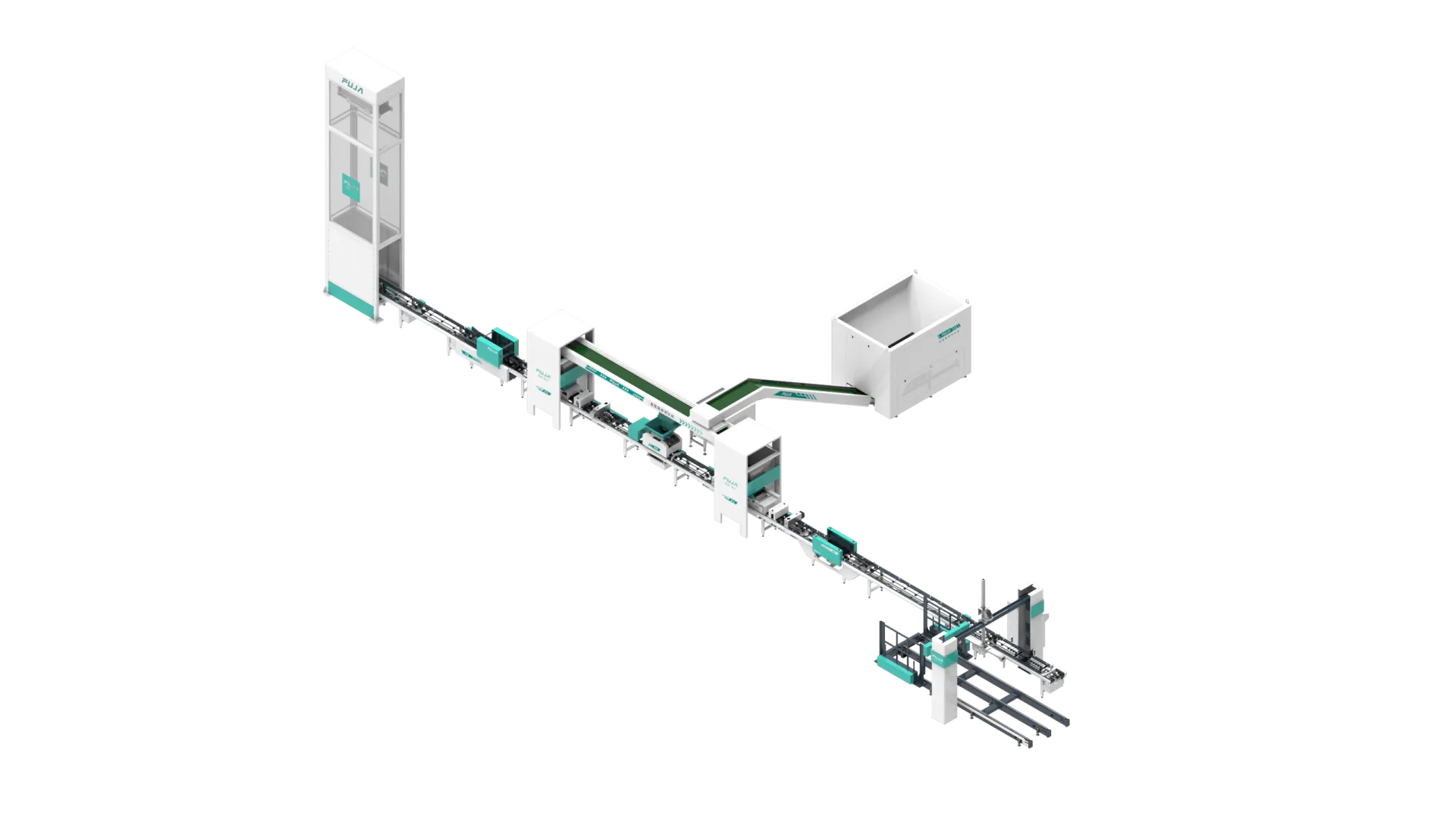

High-speed Seedling Sowing Line

Check the Line Against Your Crop and Operating Conditions

Whether a High-speed Seedling Sowing Line suits a nursery depends on the work it must handle, not the product label. Start by listing the crops and seed types you sow, the tray formats and cell patterns in use, and the range of production volumes across the season. Then establish the conditions in the intended work area, including available floor space, power supply, staffing, and how trays are supplied and removed. The supplied information does not state which crops, trays, or operating environments a specific Agrimachinery model supports, so confirm compatibility directly before evaluating fit. A mismatch can create practical costs even when a machine’s stated rate appears attractive. If the line cannot handle your trays or seed types, operators may need workarounds or separate processes; if its documented output exceeds what upstream or downstream operations can support, the wider workflow may remain the constraint. Ask the supplier to distinguish tested compatibility from possible adaptation, and to identify any operating limits or assumptions. Agrimachinery reports a smart manufacturing base and more than 150 customers, but those company facts do not establish a particular model’s crop range or site requirements. Use a written, model-specific response to judge fit for your actual production conditions.

High-speed Seedling Sowing Line

Prepare a Model-Specific Request Before Buying

To move from product interest to a useful quotation discussion, send Agrimachinery the information needed to identify a suitable configuration. Include your crop list and seed types, tray dimensions and cell arrangement, target sowing volume, expected operating schedule, and the stages you want the line to perform. Add photographs or drawings of trays and the planned installation area if available. State your site’s power and space constraints rather than assuming a standard installation will fit. No model options, accessories, prices, minimum order quantities, or delivery times have been provided, so request confirmation instead of relying on general expectations. Ask the supplier to respond with the proposed model and configuration, a specification sheet, rated output and its test conditions, compatible seed and tray details, utility requirements, and any excluded equipment or process steps. Request the applicable CE documentation for that exact configuration, since the brand lists CE but the scope has not been specified here. Agrimachinery describes global service as one of its strengths; ask what support applies in your destination country and have the response documented. This checklist gives procurement, production, and technical teams a common basis for comparing the offer with the intended workflow before making a commitment.

News

Industry updates

Products

Production modules

Why Choose Us

Agrimachinery Combines Manufacturing Scale with Practical R&D

Agrimachinery identifies itself as an Agricultural Machinery Manufacturer & Supplier and describes a 68,000 m2 smart manufacturing base. For buyers assessing a sowing line, that stated manufacturing footprint provides context for supplier capability, while the actual build scope, quality checks, and production arrangements should still be confirmed for the model quoted. The company also reports more than 150 customers; this is a general company figure, not evidence of a specific installation or performance result for this product. Its stated intelligent R&D focus is aimed at real-world challenges, which gives buyers a relevant point to explore: share crop, tray, and workflow requirements and ask how the proposed design addresses them. Agrimachinery also describes global service supporting farmers in different markets. Before ordering, clarify what technical assistance is available for your location, how installation and operator guidance are handled, and how service requests are managed. The brand lists CE certification, but buyers should verify certificate scope and applicability to the exact line and configuration. These points make a grounded supplier evaluation possible without assuming undocumented specifications, service commitments, or product approvals.

FAQ

Common technical questions

How should I interpret “high-speed” when comparing sowing lines?

Treat it as a product description, not a verified rate. Request the proposed model’s documented output and the conditions behind that figure, including tray format, seed type, and operating setup.

Can the line sow different crops and seedling tray formats?

That depends on the specific model and configuration. Send the supplier your crop and seed list plus tray dimensions and cell layout, and request written compatibility details before ordering.

What should I check at the installation site before requesting a proposal?

Record available floor space, power supply, tray flow, and how the line will connect with adjacent work stages. Ask Agrimachinery to confirm the quoted model’s utility and layout requirements; these details are not specified in the information provided.

Does the listed CE certification cover the sowing line I plan to buy?

The brand lists CE, but the supplied information does not identify the certificate or its scope. Request documentation that names the exact model and configuration being offered.

Need a solution for your project?

Share your product type, target capacity, and application requirements. Our team can review the details and recommend a practical next step.

Contact Us