Home » Vegetable Seeding and Sowing Line manufacturer

Vegetable Seeding and Sowing Line Manufacturer for B2B Buyers

Vegetable Seeding and Sowing Line manufacturer

Choosing a vegetable seeding and sowing line manufacturer takes more than comparing product descriptions. Buyers need to establish whether a supplier can explain its manufacturing capabilities, provide relevant documentation, and assess a project before recommending a configuration. Agricultural Machinery Manufacturer & Supplier presents itself as an innovation-focused agricultural machinery company, with a 68,000 m² smart manufacturing base, intelligent R&D, and experience serving more than 150 customers. The company also states that it holds CE certification. These details provide a starting point for supplier screening, but they do not by themselves establish the scope, capacity, or suitability of a specific seeding line. Before moving to a formal inquiry, buyers should request the applicable product range, technical documentation, and evidence relevant to their intended crop and production process. This page sets out practical questions for that initial review. It distinguishes stated company information from details that still need confirmation, so procurement teams can decide what to verify before arranging a technical discussion or supplier audit.

Technical Detail

Configured around process stability, mold life, and long-term uptime.

Agricultural Machinery Manufacturer & Supplier positions its work around intelligent R&D and smart manufacturing, with a stated 68,000 m² manufacturing base. For buyers evaluating a vegetable seeding and sowing line manufacturer, this is relevant as an indication of the company’s manufacturing footprint, but it does not establish which line models, crop capabilities, or automation options are currently available. Confirm those details directly against your project requirements. The company describes its R&D approach as designing for real-world challenges and its manufacturing approach as focused on precision. These are useful topics for a technical review: ask how the proposed equipment is configured, what production and inspection records can be shared, and which performance claims apply to the exact model under consideration. The brand also reports serving more than 150 customers and identifies CE certification. Request the applicable certificate and verify that its scope and product identification correspond to the equipment being quoted; do not assume a company-level reference automatically covers every configuration. Since no product specifications or line catalog were provided here, capacity, compatible seed types, dimensions, and operating requirements must be confirmed by the supplier. A credible initial assessment should connect each claim to evidence, such as model-specific documentation, inspection records, or a technical explanation. This gives purchasing and engineering teams a concrete basis for deciding whether to proceed to an inquiry or a fuller supplier review.

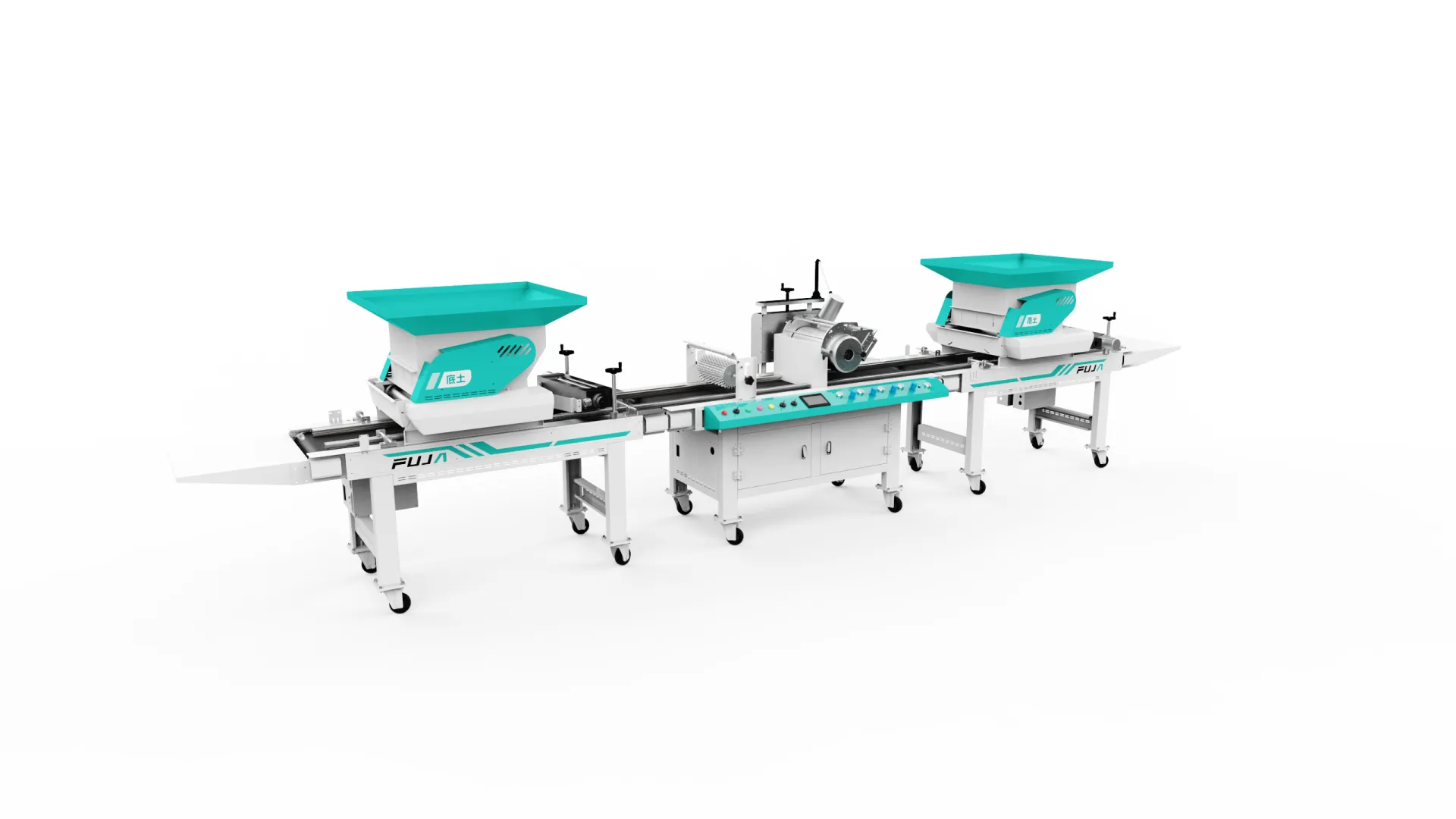
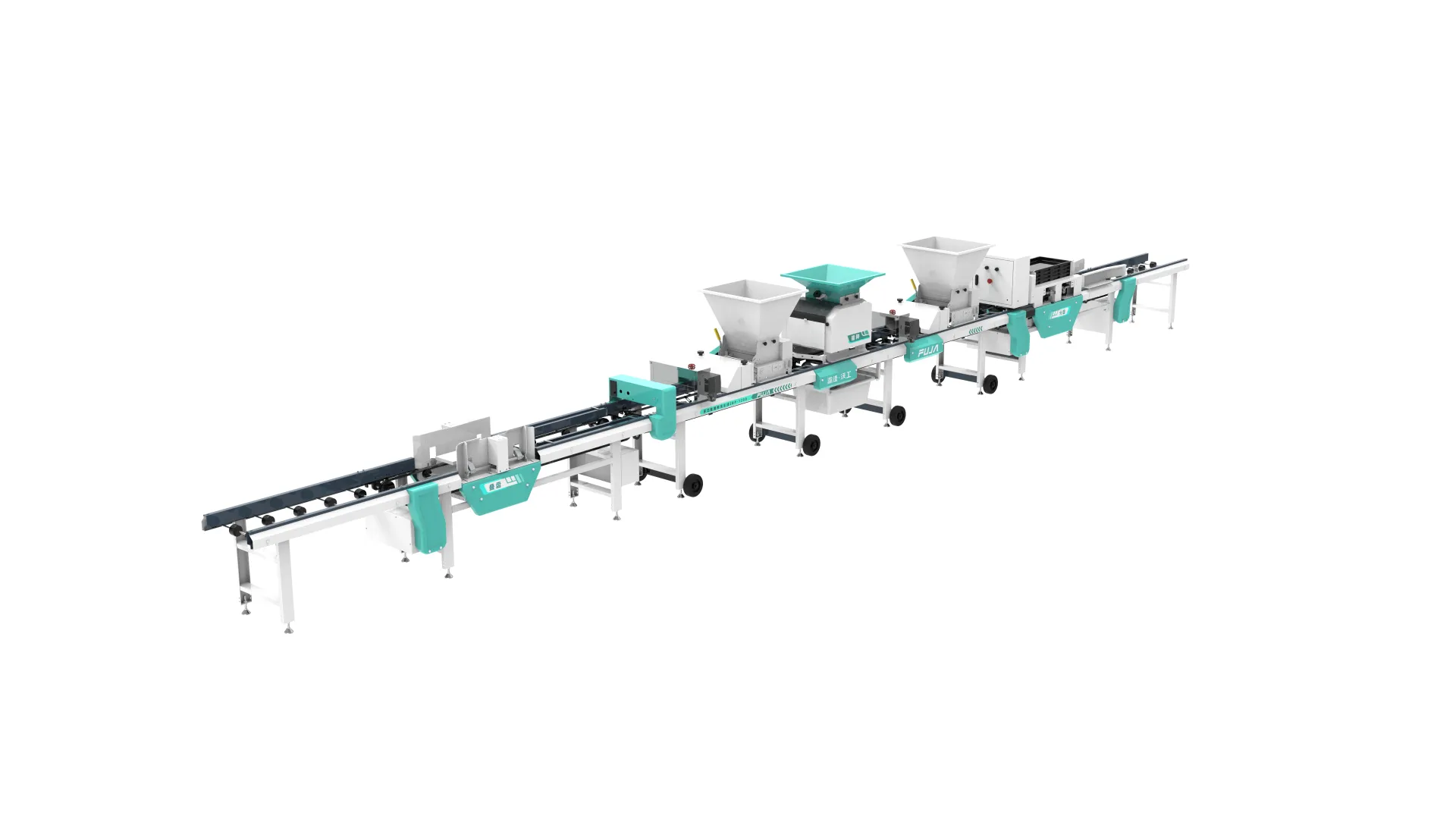
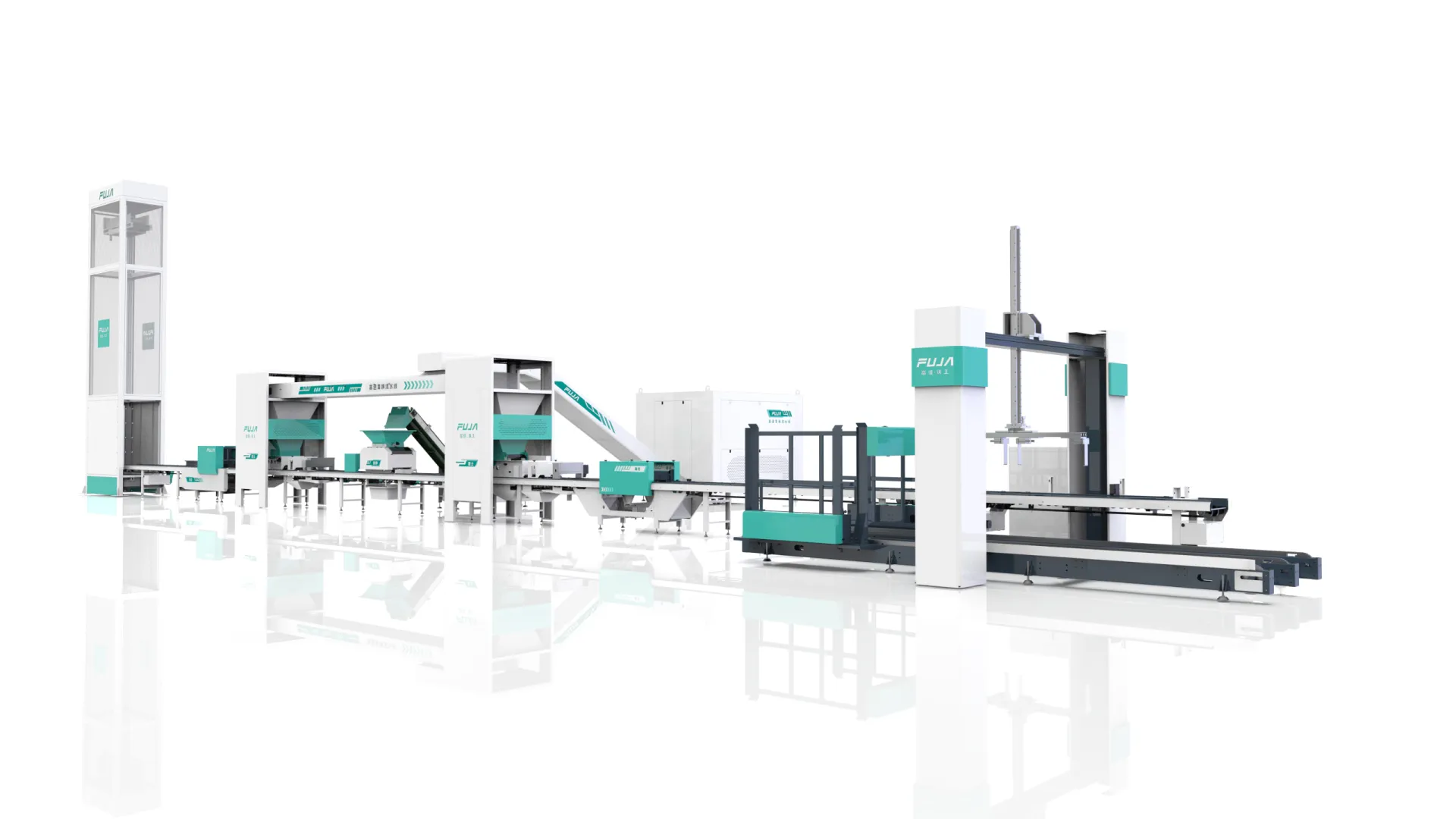
Vegetable Seeding and Sowing Line

What to Confirm About the Line’s Product Scope

A supplier’s company profile cannot tell you whether a particular vegetable seeding and sowing line matches your crop, seed, and production method. The available brand information describes intelligent R&D and agricultural machinery manufacturing, but does not specify line models, supported crops, seed-size ranges, metering systems, or throughput. Treat these as open technical questions rather than assumed capabilities. Start by asking the manufacturer for its current product catalog and the model-specific technical sheet for the line under consideration. Then request a written explanation of the intended process, including which stages are included in the quoted scope and which are separate equipment or customer-supplied operations. If your operation handles multiple crops or seed batches, provide those details and ask the supplier to identify any known configuration limits. Where a capability depends on seed shape, coating, tray format, or another process condition, ask how that dependency is assessed. A useful response should name the proposed model or configuration and explain its stated application, rather than relying only on general claims about smart manufacturing. Until those documents are reviewed, do not infer crop compatibility or production performance from the company’s manufacturing footprint or customer count.
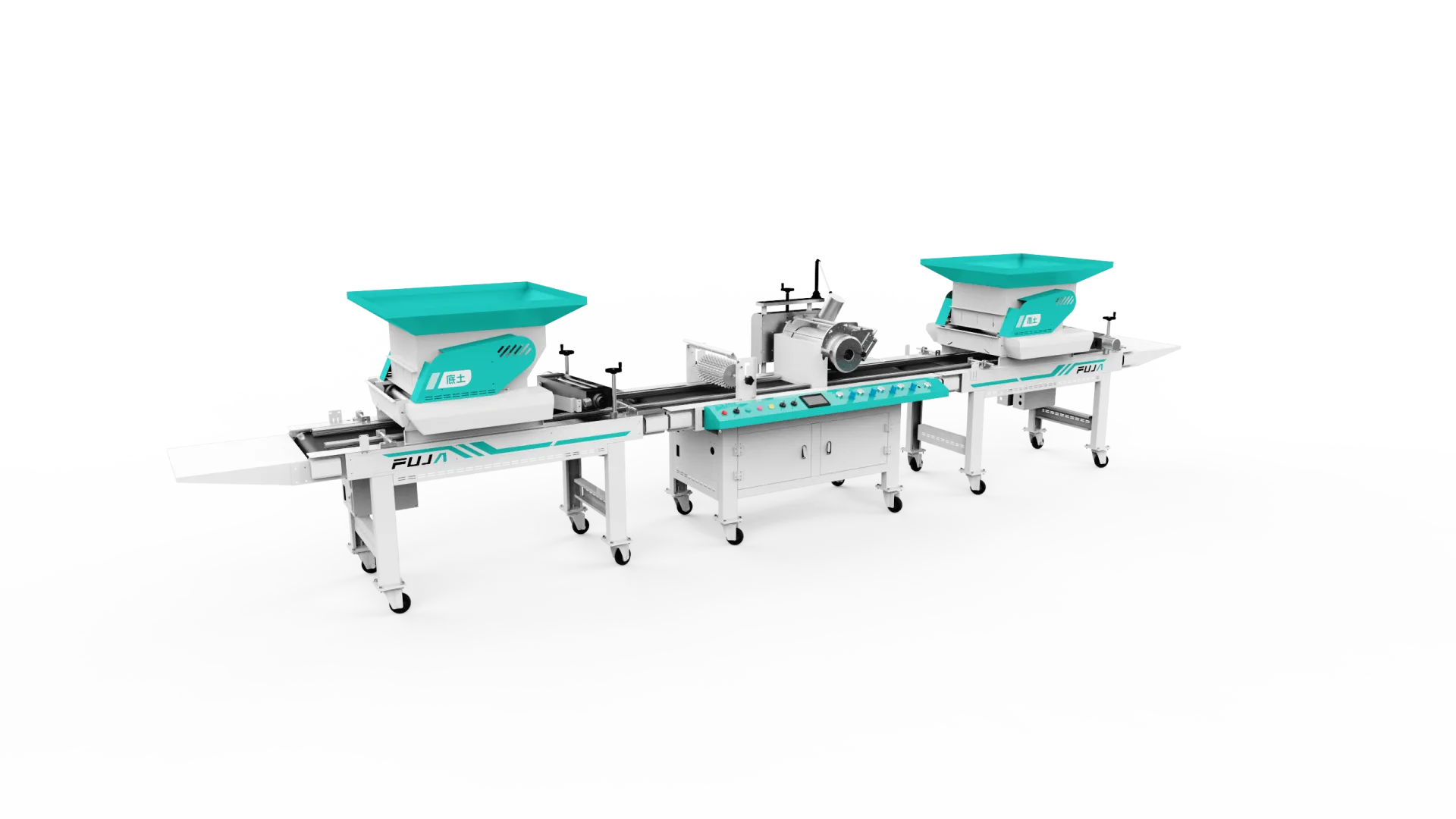

Vegetable Seeding and Sowing Line

Supplier Review: Evidence to Request Before Qualification

Use a structured review to determine whether the manufacturer is ready for a more detailed procurement assessment. The company states that it operates a 68,000 m² smart manufacturing base and serves more than 150 customers. These are company-provided profile details; ask what evidence or facility information can be shared to support your internal review. For the production process, request a description of the steps relevant to the proposed line and ask which quality checks are recorded at each stage. For inspection, ask whether model-specific test reports, inspection records, or acceptance documentation are available, and clarify what each document covers. The available information does not identify production equipment, inspection checkpoints, or test procedures, so those details need direct confirmation. Ask for the CE certificate applicable to the equipment being discussed and verify the model identification, scope, and issuing details against your compliance requirements. If an on-site or remote supplier audit is part of your process, send an agenda covering manufacturing, quality records, product traceability, and document control. A supplier that can respond with relevant, consistent evidence is easier to assess than one relying on broad claims alone. Keep unresolved items on a qualification list and decide whether they are prerequisites for quotation, sample testing, or a formal audit.

Vegetable Seeding and Sowing Line

Prepare a Focused Technical Inquiry

A useful inquiry gives the manufacturer enough context to identify the right technical discussion without assuming that a standard configuration will fit. Include the crop or crops involved, seed characteristics known to your team, the production process you want the line to support, and any site or integration constraints. Attach drawings or process notes if they are available, and distinguish firm requirements from preferences. Because no product specifications were provided in the company information available here, ask the supplier to confirm which line models are relevant and to return model-specific documentation rather than estimated figures without a stated basis. Request a written scope showing included equipment, optional items, and any interfaces or operations outside the supplier’s responsibility. Also ask which performance or compatibility points need testing with your actual seed or materials. If compliance review is required, identify the certificates and technical documents your organization needs and ask the supplier to confirm which are available for the proposed configuration. This information helps both sides identify gaps before a quotation is treated as a confirmed solution. After reviewing the response, procurement and engineering teams can decide whether to proceed with a technical meeting, request further evidence, or pause qualification pending answers.

News

Industry updates

Products

Production modules

Why Choose Us

A Manufacturer Profile Buyers Can Put Through Review

Agricultural Machinery Manufacturer & Supplier presents several concrete starting points for supplier qualification: a stated 68,000 m² smart manufacturing base, intelligent R&D, more than 150 customers, and CE certification. Its stated R&D focus is practical design for real-world challenges, while its manufacturing positioning emphasizes precision. These points may be relevant to buyers seeking a supplier with both design and production functions, but each should be assessed against the equipment and project in question. Ask the company to connect its R&D and manufacturing claims to the vegetable seeding and sowing line under review, and to provide documents that procurement, engineering, and compliance teams can evaluate. The stated customer count offers context, not proof of experience with a particular crop or operating environment; ask for relevant, shareable application information if that is important to your approval process. Likewise, request the CE documentation applicable to the quoted model and confirm its scope. This evidence-led approach lets buyers judge the manufacturer on verifiable fit, documentation, and responsiveness rather than profile statements alone. If the supplier can address those questions with consistent technical and compliance materials, your team can make a better-informed decision about advancing to an audit or formal inquiry.

FAQ

Common technical questions

What specifications should I compare between vegetable seeding and sowing line offers?

Compare only model-specific, documented values that matter to your process, such as stated capacity, supported seed conditions, line configuration, and included equipment. The information provided for this manufacturer does not include these specifications, so request technical sheets for the exact models being quoted before comparing offers.

Can this manufacturer supply a line for my specific vegetable crop?

That cannot be confirmed from the available company information. Send the crop and seed details to the supplier and ask it to identify a suitable model, explain any limitations, and state whether compatibility needs to be verified using your seed or materials.

What should we ask for when reviewing the CE certification?

Request the certificate and related documentation for the specific equipment configuration under consideration. Check that the product or model identification and certificate scope match the proposed line, then have your compliance team assess whether the documents meet your market and project requirements.

What information should we send before requesting a quotation?

Provide your crop and seed details, required process scope, site or integration constraints, and any documentation requirements. Ask the supplier to identify the relevant model, list what is included or excluded, and flag technical points that still need confirmation. This helps prevent a preliminary quote from being mistaken for a validated configuration.

Need a solution for your project?

Share your product type, target capacity, and application requirements. Our team can review the details and recommend a practical next step.

Contact Us