

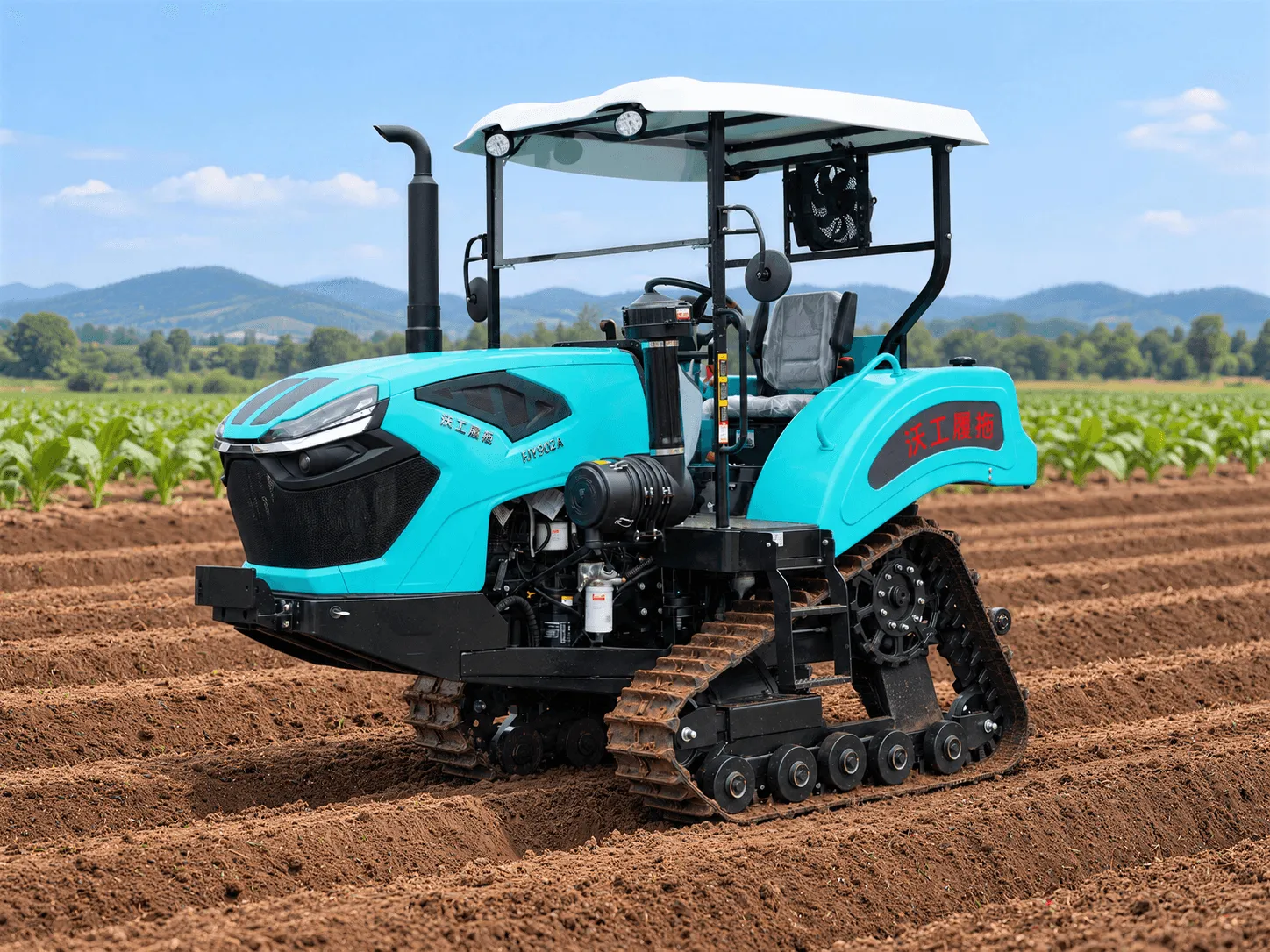
Home » farm track tractor in Philippines

Farm Track Tractor in Philippines for Your Farm

farm track tractor in Philippines

A farm track tractor in Philippines is a product search that needs a closer look at the actual machine and the work it must perform. Buyers may be comparing tractors for field preparation, movement around farm plots, or other agricultural tasks, but the right fit depends on terrain, soil, workload, and the equipment used with the tractor. No tractor model, engine rating, track dimensions, or attachment list has been provided here, so specifications should be confirmed directly rather than assumed from the search term. Agricultural Machinery Manufacturer & Supplier presents itself as a high-end, innovation-focused manufacturer, with a 68,000 m2 smart manufacturing base and a stated customer base of more than 150. These company details provide context for a supplier discussion, but they do not establish the capabilities of a particular tractor. Before shortlisting a machine, describe the farm conditions and intended tasks, then request the model-specific specifications, configuration options, and supporting documents. This gives both sides a practical basis for checking suitability before a purchase decision.

Technical Detail

Configured around process stability, mold life, and long-term uptime.

The phrase “farm track tractor” can refer to a tracked agricultural tractor, but the exact machine meant by this listing needs confirmation with the supplier. Tracks may be considered where buyers want a tractor configuration suited to their land and working conditions; they do not, by themselves, establish traction, ground pressure, power, or performance. No product sheet or model data has been supplied for this page, so details such as engine output, operating weight, track type, dimensions, transmission, and compatible implements cannot be stated as facts. Agricultural Machinery Manufacturer & Supplier describes its position as high-end and innovation-focused, and identifies a 68,000 m2 smart manufacturing base, intelligent R&D, smart manufacturing, and global service as company strengths. These are supplier-level statements, not specifications for an individual tractor. The brand also lists CE certification, but buyers should verify which model and components are covered by the relevant conformity documents before relying on that information for import or operation. For a purchase in the Philippines, begin by matching the proposed tractor to the work and site conditions, then request a written specification sheet and the available configuration details. A useful supplier response should identify the exact model and clarify which figures and documents apply to that configuration. This keeps comparisons grounded in verifiable information rather than assumptions drawn from the product name.

Hilly and Mountainous Areas Crawler Tractor

What to Confirm About the Tracked Tractor Design

A tracked tractor uses continuous tracks in place of conventional wheels, but that description alone is not enough to establish how a specific machine is built or how it will behave. Track material, width, undercarriage layout, drive system, ground clearance, and operating mass can all affect suitability. None of those details is available for the tractor associated with this page, so buyers should ask for a model drawing or technical sheet rather than infer the design from the word “track.” Also clarify whether the machine is supplied as a complete tractor or whether the listing refers to a particular chassis or configuration. Ask the manufacturer to identify the engine and transmission arrangement, steering method, track construction, and any standard equipment included in the quoted model. If the tractor is expected to work with implements, request confirmation of the attachment interface and any relevant hydraulic or power take-off information. Agricultural Machinery Manufacturer & Supplier cites intelligent R&D as part of its company profile, but that statement does not specify the design features of a particular model. Model-specific documentation is the useful evidence: it lets a buyer understand the machine’s structure before assessing whether it matches the farm’s needs.
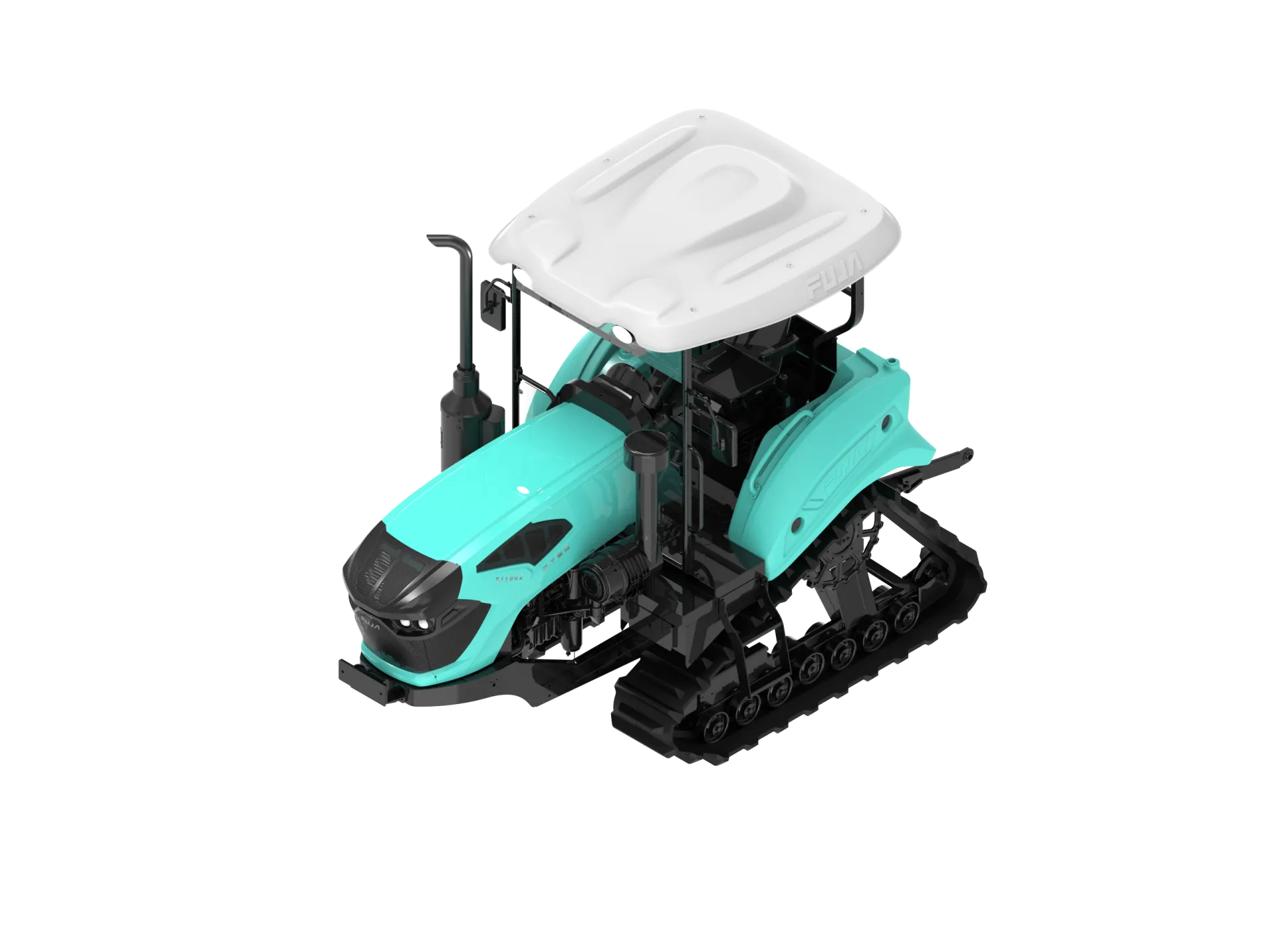

Hilly and Mountainous Areas Crawler Tractor

Check Philippine Field Conditions Before Assessing Fit

Suitability depends on the actual worksite, not simply on whether a tractor is tracked. A buyer evaluating a farm track tractor in the Philippines should describe the soil condition, slope, wet-season access, field size, turning space, and the tasks the machine will perform. These details help the supplier assess whether a proposed configuration is appropriate; they do not guarantee that it will work in every condition. For example, soft ground, narrow paths, sharp turns, and transport between separate plots can create different demands. Ask for the machine’s verified operating weight, track dimensions, ground clearance, and operating limits, then compare them with the site. Confirm whether the intended work is cultivation, hauling, land preparation, or another task, and identify the implements involved. No rated capacity, traction figure, slope limit, or Philippine application record is available in the provided information, so none should be assumed. Agricultural Machinery Manufacturer & Supplier describes global service as a company strength, but prospective buyers should ask what support applies to their location and selected model. A clear description of the farm and operating conditions gives the supplier a concrete basis to flag limitations and identify any information still needed.

Hilly and Mountainous Areas Crawler Tractor

Prepare a Model-Specific Request for Quote

Before requesting a quote, send the supplier enough detail to identify a suitable machine without assuming that a particular model or configuration is available. State the intended tasks, approximate working area, soil and terrain conditions, access constraints, and expected operating hours if known. List any implements you plan to use and provide their relevant connection or power requirements where available. Then ask Agricultural Machinery Manufacturer & Supplier to confirm the proposed model name, full technical specification, standard equipment, available options, and the exact documents supplied with that configuration. Request written confirmation of engine output, dimensions, operating weight, track details, transmission, and any hydraulic or power take-off specifications relevant to your work. Ask separately for model-specific CE documentation if conformity is required for your transaction; the brand’s stated certification should not be treated as proof that every tractor configuration is covered. The company profile mentions a 68,000 m2 smart manufacturing base and more than 150 customers, but these facts do not replace a model datasheet or a defined quotation. Compare supplier responses using the same technical checklist, and resolve missing figures before evaluating the offer. This makes the next step actionable while avoiding unsupported assumptions about price, availability, or delivery.

News

Industry updates

Products

Production modules

Why Choose Us

A Manufacturing Partner With an Innovation Focus

Agricultural Machinery Manufacturer & Supplier presents itself as a high-end agricultural machinery brand built around intelligent R&D and smart manufacturing. Its stated 68,000 m2 manufacturing base gives prospective buyers a specific company-level point to discuss when asking how production and quality controls relate to the tractor they are considering. The supplier also reports serving more than 150 customers, while describing global service as part of its support approach. Those statements provide background for a supplier assessment, but they are not a substitute for references relevant to the buyer’s market, model documentation, or a clear explanation of after-sales arrangements in the Philippines. The brand lists CE certification; buyers should request the applicable certificate and verify its scope against the exact machine and configuration. For a practical evaluation, ask who handles technical questions, what documentation is available, and what support process applies after purchase. The manufacturer’s innovation positioning may be relevant to buyers seeking an established machinery supplier, but the decision should rest on verified product specifications and written answers to operational questions. A direct discussion of the farm’s requirements can help establish whether the supplier can propose a configuration that merits further review.

FAQ

Common technical questions

What information should I send to get a suitable tractor recommendation?

Describe the work, soil and terrain, field access, expected implements, and any transport constraints. Ask the supplier to recommend a specific model and confirm the supporting specifications in writing.

Can I use a tracked tractor on wet or soft fields in the Philippines?

Possibly, but suitability depends on the machine’s verified track design, operating weight, ground conditions, and task. Ask for those model-specific details and discuss the farm conditions with the supplier before deciding.

How should I compare track width and tractor weight between models?

Compare figures from the same type of technical document and configuration. Consider track width and operating weight alongside the soil, access routes, turning space, and work being done; the provided information contains no model figures for direct comparison.

What should I check when receiving the tractor?

Match the delivered model and configuration to the order and specification sheet. Check the supplied documents, included equipment, and visible condition, and raise any discrepancy with the supplier before putting the machine to work.

Need a solution for your project?

Share your product type, target capacity, and application requirements. Our team can review the details and recommend a practical next step.

Contact Us




