EN
 HR

How Tracks Transfer Load and Produce Traction
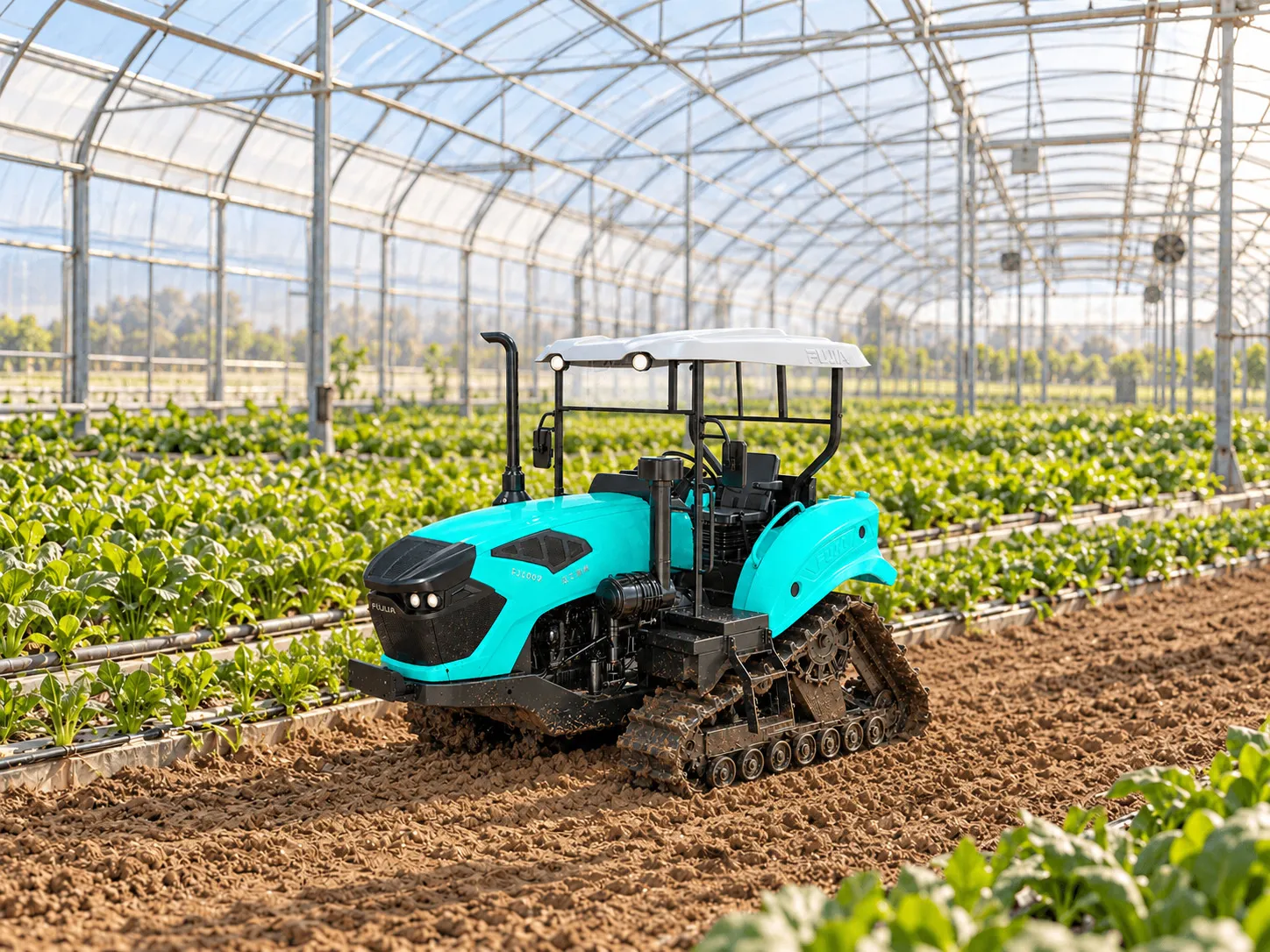
A tracked tractor carries its weight through track assemblies rather than individual tire contact patches. As the drive system moves the tracks, contact with the ground produces the force that propels the machine. Depending on the design and operating conditions, a larger contact area can reduce average ground pressure compared with a wheeled machine of similar weight. That relationship does not make every tracked tractor suitable for saturated soil. Total operating mass and the effective contact area both matter. Traction also depends on soil strength and the track's contact surface. Steering arrangements vary: some tracked machines turn by creating a speed difference between the two sides, which can disturb the surface during tight turns. The supplied information from Agricultural Machinery Manufacturer & Supplier describes intelligent research and development but does not identify a drivetrain, steering system or track material. These principles therefore explain the product category; they are not specifications for an offered model. Likewise, the word small describes relative size without defining width, weight or engine output.