

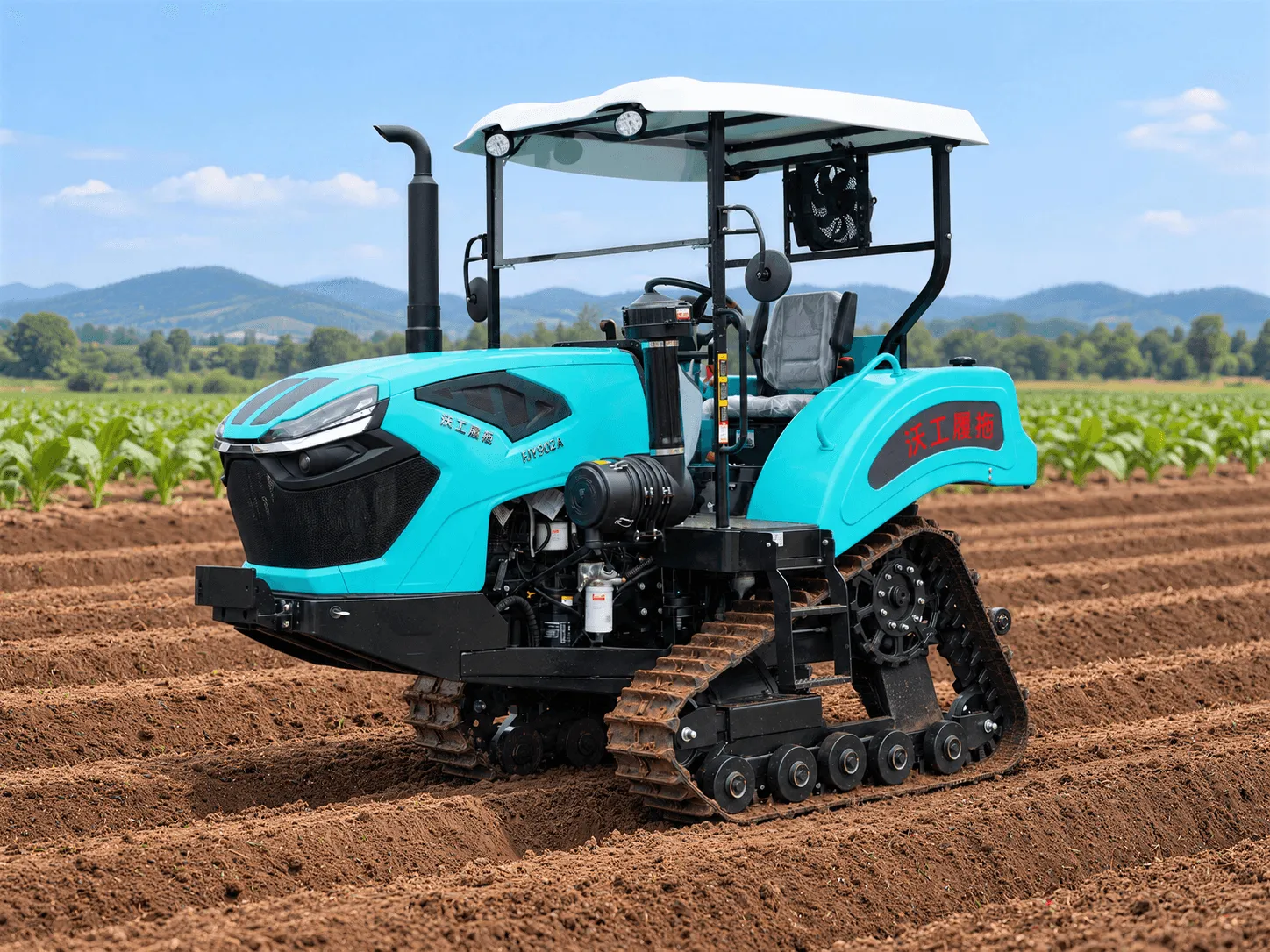
Home » track tractors in Philippines

Track Tractors in Philippines for Challenging Terrain

track tractors in Philippines

Track tractors in Philippines refers to agricultural tractors that use continuous tracks instead of conventional wheels. The track system spreads the machine’s weight across a longer ground-contact area, which can help reduce soil pressure and improve traction where fields are soft or uneven. These machines may interest farms and agricultural contractors working in wet plots, sloping ground or areas where wheeled equipment has difficulty maintaining grip. Suitability still depends on the actual field conditions, crop layout and tasks: a tractor designed for broad field work may not fit narrow access routes or delicate crop rows. The manufacturer information provided describes a high-end agricultural machinery supplier with a 68,000 m2 smart manufacturing base, intelligent R&D and a global service focus. It does not specify a track-tractor model, engine, dimensions, track type or implement compatibility, so those details should be confirmed before comparing offers. For an initial discussion, identify the crops, soil and seasonal moisture conditions, working area and intended implements. This gives the supplier a practical basis for checking whether a tracked configuration is available and appropriate for your operation in the Philippines.

Technical Detail

Configured around process stability, mold life, and long-term uptime.

A track tractor is an agricultural power unit that moves on tracks rather than tires. Its intended value is traction and a broader ground-contact footprint, which can be useful when field access or soil conditions make wheeled operation difficult. For buyers in the Philippines, the term may cover very different machine sizes and configurations; the keyword alone does not identify a specific model or capability. The available brand profile presents an Agricultural Machinery Manufacturer & Supplier positioned in the high-end segment, with a 68,000 m2 smart manufacturing base, an intelligent R&D team and a stated focus on precision manufacturing. The company also reports serving 150+ customers and lists CE among its certifications. These are brand-level details, not specifications for a particular track tractor. No product sheet was provided, so engine output, operating weight, track width, ground clearance, turning dimensions, fuel use and compatible implements cannot be stated or assumed. Buyers should request the model’s technical documentation and clarify which specifications apply to the proposed machine. This distinction matters when assessing whether a unit can move through local farm access, work between crop rows or carry the equipment required for a planned task. Confirming the exact machine and its documented configuration is the first step toward a meaningful comparison.

Hilly and Mountainous Areas Crawler Tractor

How a Tracked Tractor Gains Ground Contact

A tracked tractor replaces the usual tire contact patches with track assemblies that run along the ground. Because the contact area can extend over a greater length, the machine’s load is distributed differently from that of a typical wheeled tractor. The track layout also provides a continuous surface for transmitting drive force to the soil. In practical terms, these design features are why buyers consider tracked machines for ground where traction and soil disturbance are concerns. They do not, by themselves, establish how a particular tractor will perform: track material, width, machine weight, drive design and operating setup all affect the result. None of these model-level details is included in the supplied product information. The manufacturer describes intelligent R&D as part of its approach, with the stated aim of addressing real-world challenges through smarter design. Ask for an assembly drawing or product specification sheet for the exact model under consideration. That documentation should identify the track configuration and explain any operating limits. Understanding these components helps a buyer discuss field suitability with the supplier without treating the word “tracked” as a complete performance specification.
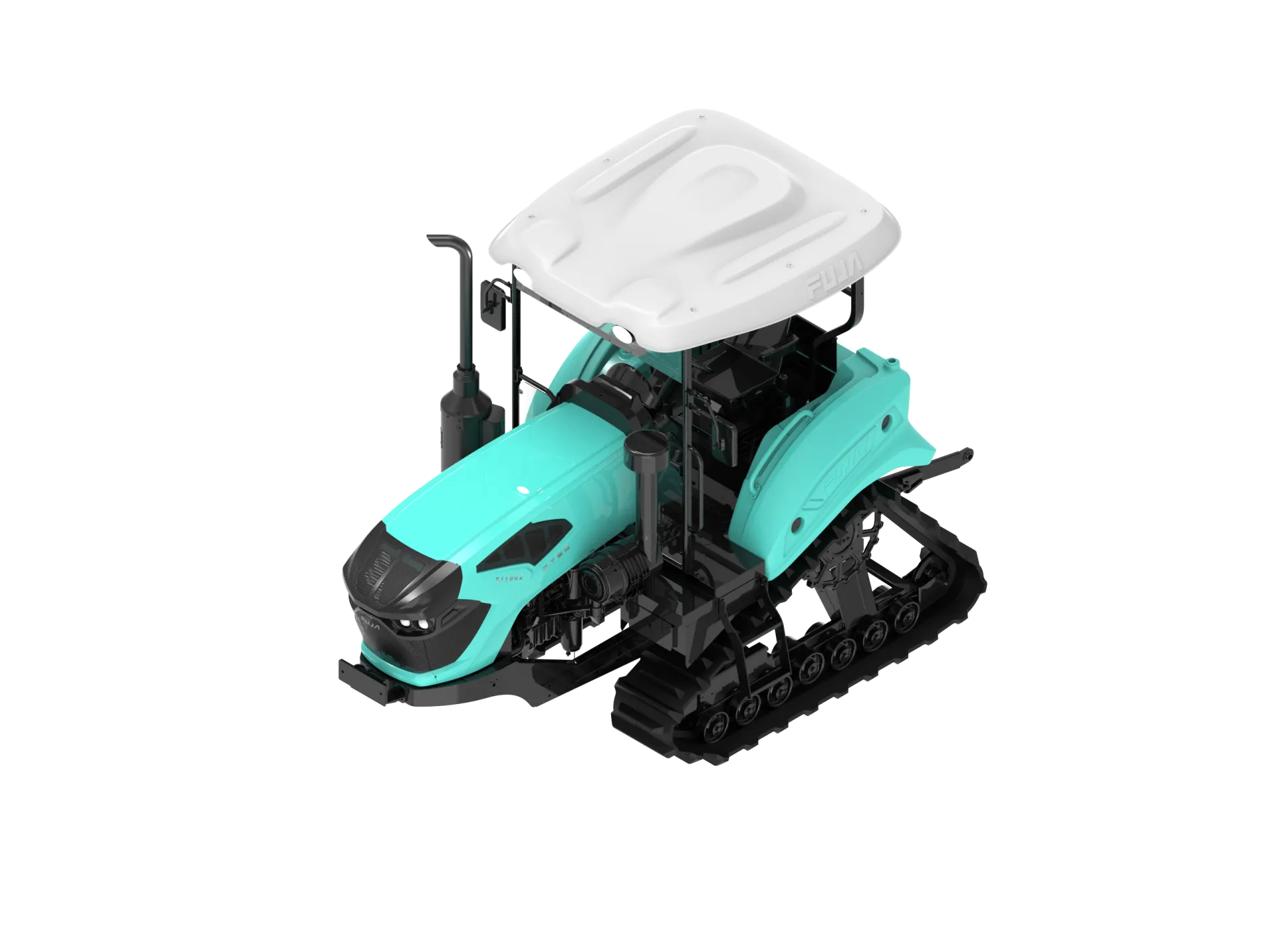

Hilly and Mountainous Areas Crawler Tractor

Check Field Conditions Before Assuming Fit

A tracked machine may be worth assessing when fields are soft, uneven or difficult to reach with wheeled equipment, but conditions vary widely across farms in the Philippines. Soil type, rainfall, slope, drainage, field entrances and crop spacing can all affect whether a particular tractor is usable. The decisive question is not simply whether tracks provide traction; it is whether the proposed machine’s dimensions and operating characteristics match the farm’s actual routes and work areas. For narrow rows or small plots, overall width and turning space may be limiting. On slopes or wet ground, the supplier should clarify the operating guidance for the exact model rather than relying on general claims about tracks. The available brand information does not state a tractor’s width, turning radius, grade capability or soil-pressure figure. Before treating a model as suitable, share representative field conditions and ask the manufacturer to respond against documented specifications. The supplier’s global service positioning may be relevant to overseas buyers, but local service coverage, parts availability and support arrangements should be confirmed directly for the Philippines.

Hilly and Mountainous Areas Crawler Tractor

Prepare a Useful Track Tractor Inquiry

A focused inquiry helps the supplier determine whether it can offer a track tractor for the intended work. Start with the farm location and describe the main tasks, crops, soil condition, wet-season access, slope and available turning space. Include any transport or storage constraints, since machine dimensions can affect delivery to the field and day-to-day use. List the implements you expect to operate and ask the supplier to confirm compatibility for the exact model; do not infer implement capacity from the tractor category. Request the technical data sheet, overall dimensions, operating weight, engine information, track details, stated operating limits and applicable documentation. Ask which specifications are standard and which depend on configuration. The company profile lists a 68,000 m2 smart manufacturing base and intelligent R&D, but does not identify available tractor models, attachments or custom options. If the proposed machine is intended for the Philippine market, also clarify the documentation supplied and how service or parts questions are handled. This information gives both sides a sound basis for discussing configuration without assuming an unlisted specification, price or delivery commitment.

News

Industry updates

Products

Production modules

Why Choose Us

High-End Machinery Backed by Smart Manufacturing

The manufacturer’s stated capabilities offer buyers a concrete starting point for supplier evaluation. Its 68,000 m2 smart manufacturing base signals an established production operation, while its intelligent R&D team is described as working on smarter designs for real-world challenges. The company also states that precision manufacturing supports reliable performance, a relevant consideration when comparing agricultural machinery intended for demanding field conditions. Its profile reports more than 150 customers and describes a global service focus for farmers. These points are brand claims rather than proof of the specifications or support arrangements for an individual track tractor, so buyers should connect them to the model being quoted. CE is listed among the company’s certifications; ask which product and documentation it applies to before treating it as confirmation for a particular machine or destination requirement. For a Philippine inquiry, request the tractor’s technical file and clarify the available service contact, parts process and applicable compliance documents. That keeps the discussion grounded in the supplier’s stated manufacturing and R&D strengths while leaving model-specific and market-specific facts to be verified.

FAQ

Common technical questions

What should I compare between two track tractor offers?

Compare the documented engine and operating specifications, overall dimensions, operating weight, track configuration, stated operating limits and confirmed implement compatibility. Ask suppliers to identify which figures apply to the exact model and configuration, since none of these tractor-specific figures was provided in the available brand information.

Can a track tractor work in wet Philippine fields?

It may be a candidate for wet or soft ground, but suitability depends on the model and the field. Share soil and drainage conditions, seasonal access, slope and crop layout with the supplier, then ask for documented operating guidance. Tracks alone do not confirm that a machine can safely or effectively work in a particular field.

What information should I send to get a relevant quotation?

Provide the intended tasks, crops, field conditions, access and turning constraints, desired implements, operating location and any transport limits. Request a model-specific specification sheet and clarify the configuration and documentation included. Price, delivery terms and availability need to be confirmed directly with the supplier.

Does the listed CE certification confirm a track tractor is approved for use in the Philippines?

The supplied brand profile lists CE but does not identify which products or documents it covers. Ask for the CE documentation for the exact tractor configuration and check applicable Philippine import and operating requirements with the relevant authorities or your import partner.

Need a solution for your project?

Share your product type, target capacity, and application requirements. Our team can review the details and recommend a practical next step.

Contact Us




