

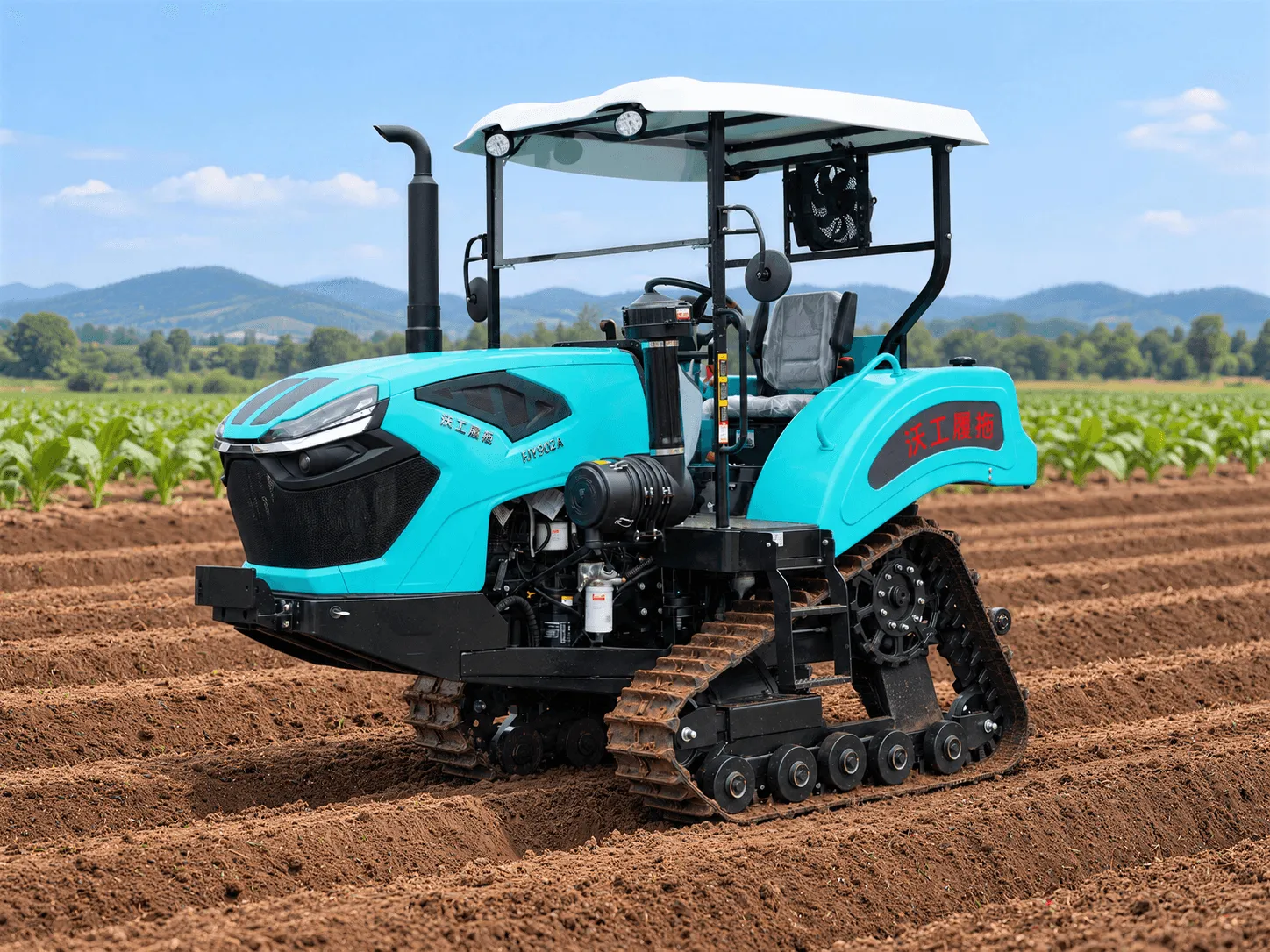
Home » crawler tractors in Argentina for agriculture

Crawler Tractors in Argentina for Agriculture

crawler tractors in Argentina for agriculture

Argentina’s agricultural operations range from extensive grain fields to uneven ground and farms with changing soil conditions. A crawler tractor may suit work where track-based traction and lower ground pressure are useful, but that does not make it the right choice for every farm or task. The match depends on the soil, field layout, workload, implements, and how the machine will be transported and maintained. This page addresses crawler tractors in Argentina for agriculture from that practical perspective. The manufacturer describes a 68,000 m² smart manufacturing base, intelligent R&D, global service, and a customer base of more than 150. However, no specific crawler tractor model, operating specifications, or available configurations were provided. Buyers should therefore treat suitability as a technical discussion, not as a confirmed product claim. Before comparing equipment, identify the work to be done, the ground conditions during the working season, and the implements involved. Those details help determine whether a crawler configuration warrants further evaluation and what information to request from the supplier.

Technical Detail

Configured around process stability, mold life, and long-term uptime.

For buyers evaluating crawler tractors in Argentina for agriculture, the first question is whether track-based mobility fits the work rather than simply the name of the machine. Agricultural tasks on soft or variable ground can place different demands on traction and soil contact than routine travel on firm surfaces. A crawler tractor may be worth assessing for field operations where those conditions matter, provided its configuration and capacity match the job. No product datasheet, engine output, operating weight, track dimensions, implement compatibility, or model range was supplied for this page. Those specifications must be confirmed with the manufacturer before making a performance comparison or treating any application as approved. The manufacturer positions itself as an agricultural machinery manufacturer and supplier, with a 68,000 m² smart manufacturing base and an intelligent R&D function focused on practical design challenges. It also reports serving more than 150 customers and identifies CE certification as part of its credentials; buyers should confirm which product and documentation the certification covers. For Argentina-bound procurement, request the exact model documentation and assess the proposed machine against the farm’s soil, crop operations, workload, and transport needs. This keeps the discussion grounded in verifiable equipment details rather than assumptions based on the crawler category alone.

Hilly and Mountainous Areas Crawler Tractor

How Field Conditions Affect Crawler Tractor Suitability

Crawler tractors use continuous tracks instead of conventional wheels, distributing the machine’s contact with the ground along the track surface. That layout can be relevant when agricultural work takes place on ground where traction and soil contact require close consideration. It does not guarantee that a machine will avoid compaction, move effectively in every soil, or perform a particular task; those outcomes depend on the machine’s actual weight, track design, operating conditions, and setup. In Argentina, field conditions can differ substantially between farms and even between seasons, so a general country-level recommendation would be unreliable. Consider where the tractor will work, whether the ground is firm, loose, or seasonally soft, and whether headlands, access routes, or farm roads impose different constraints from the field itself. The manufacturer’s intelligent R&D positioning describes design work aimed at real-world challenges, but no track geometry or soil-pressure data is available here. Ask for technical documentation tied to the proposed model, then compare it with observed field conditions. This distinguishes a potentially relevant crawler layout from a verified fit for a specific farm operation.
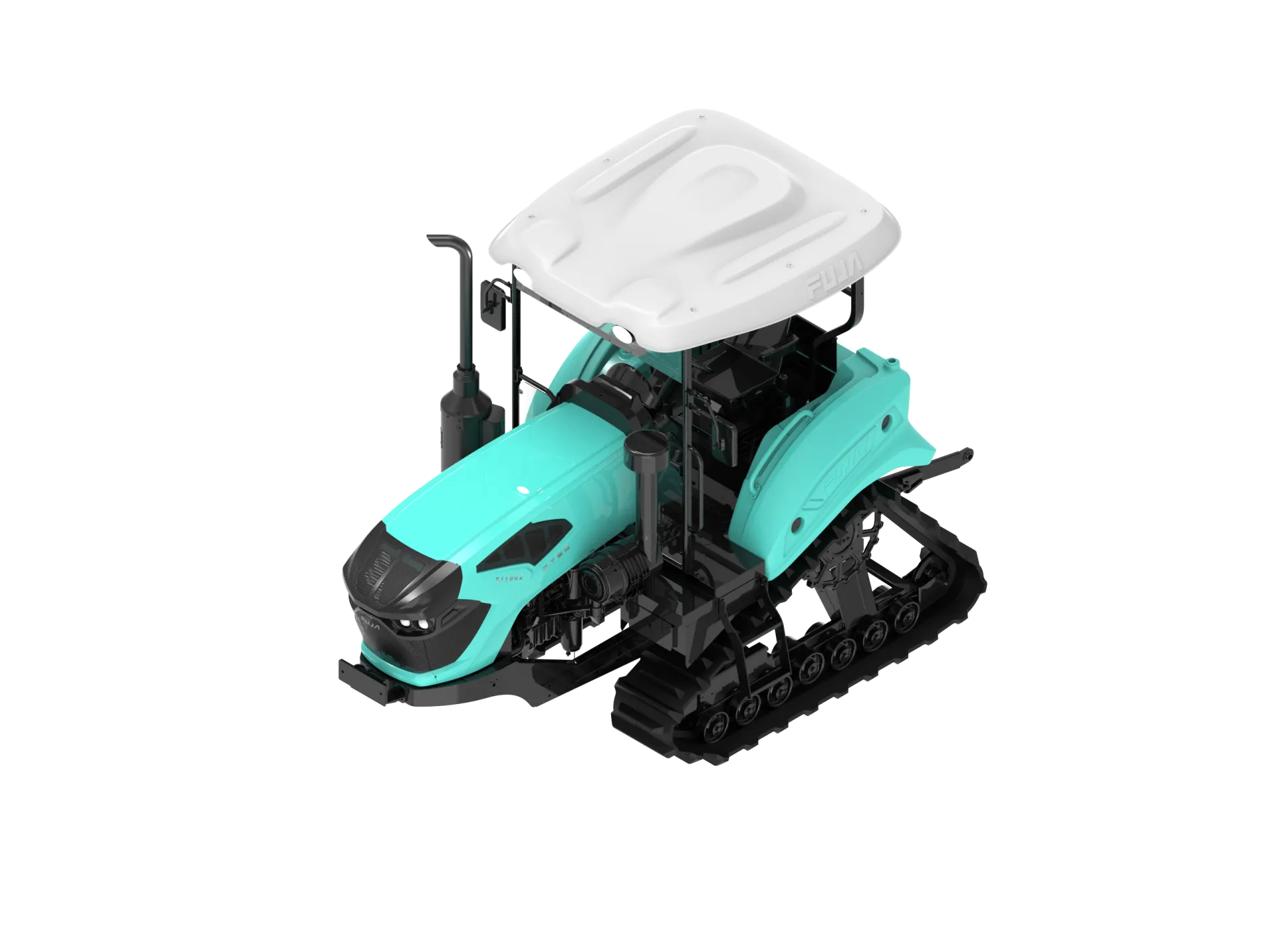

Hilly and Mountainous Areas Crawler Tractor

Check Workload and Risks Before Committing

Suitability depends on the work the tractor must perform, not only on whether the field is rough or soft. Establish the expected workload, hours of use, seasonal intensity, field access, and the implements or loads involved. Then ask the supplier to confirm that the proposed machine is rated for those demands. No operating capacity, power rating, drawbar data, implement limits, or duty-cycle information was supplied for the manufacturer’s crawler tractor offering, so none should be assumed. A mismatch can create practical problems: an underspecified machine may struggle with the intended workload, while a configuration poorly matched to the site may add operating or maintenance burdens without solving the field problem. Also consider the distance and route between fields, because a machine suited to working conditions may still require a separate transport plan. The manufacturer cites precision manufacturing and a smart production base, but those general capabilities do not replace model-specific evidence. Base the assessment on written specifications and the actual task. If a supplier cannot confirm compatibility for the stated workload and implement, treat that as an unresolved risk rather than relying on broad category claims.

Hilly and Mountainous Areas Crawler Tractor

Prepare a Focused Specification Request

Before requesting a proposal, send the supplier a short, factual description of the operation. Include the agricultural tasks, expected workload, soil and terrain observations, field access constraints, and any implements or attachments that must be used. Ask which crawler tractor models are currently available and request a datasheet for each proposed configuration. The document should identify the machine’s operating specifications, track details, approved implement interfaces, operating limits, maintenance requirements, and transport considerations. These details have not been provided in the source information, so they need confirmation rather than estimation. Ask the supplier to explain how the proposed configuration addresses your stated conditions and to identify any limitations that could affect use. The manufacturer describes an intelligent R&D team and global service support; confirm what technical assistance and documentation apply to your market and chosen model. Its stated CE certification should also be checked against the exact product and supplied certificate. This approach gives an Argentine farm buyer a clear basis for comparing proposals and leaves fewer unresolved questions before purchase.

News

Industry updates

Products

Production modules

Why Choose Us

A Manufacturing and R&D Partner for Agricultural Equipment

The manufacturer presents itself as an agricultural machinery manufacturer and supplier with a 68,000 m² smart manufacturing base. For buyers considering equipment for demanding field work, that production focus provides a concrete starting point for discussing manufacturing processes and product documentation. Its stated intelligent R&D function is directed toward design challenges in real operating conditions, which is relevant when a buyer needs to explain terrain, workload, and implement requirements rather than request a generic machine. The company also reports serving more than 150 customers and offers global service support. These are company-provided credentials, not a guarantee of a specific local service arrangement; confirm support coverage, technical contacts, and parts procedures for the intended destination before placing an order. CE is listed among the company’s certifications, but the buyer should verify that the certificate applies to the exact model and configuration under consideration. Since no crawler tractor specifications were supplied, the strongest next step is a technical exchange based on a written application brief and model-specific evidence. That lets procurement teams assess the manufacturer’s stated capabilities against the requirements of their Argentine operation.

FAQ

Common technical questions

What crawler tractor specifications should I compare with a wheeled tractor?

Compare the exact machines on operating weight, power, track or tire configuration, implement compatibility, transport requirements, and maintenance needs. No model-level data was provided here, so request verified figures for the specific crawler tractor and wheeled alternative rather than assuming one is more capable.

Could a crawler tractor work on a farm with both soft fields and firm access roads?

Possibly, but the answer depends on the proposed model, the amount of travel on firm surfaces, and the farm’s transport arrangements. Describe both field and road conditions to the supplier and ask for documented operating limits and recommendations for the specific configuration.

What maintenance information should I request before buying?

Ask for the model-specific maintenance schedule, inspection points for the tracks and undercarriage, service procedures, and requirements for routine consumables. These details are not available in the supplied product information, so confirm them in writing for the machine being quoted.

How can I check whether the stated CE certification applies to the tractor I am considering?

Request the certificate and supporting documentation, then verify that the product identification and configuration match the proposed machine. The company lists CE certification, but the available information does not identify covered models or certificate scope.

Need a solution for your project?

Share your product type, target capacity, and application requirements. Our team can review the details and recommend a practical next step.

Contact Us




