Home » Paddy Field Tractor

Paddy Field Tractor for Wet-Field Operations

Paddy Field Tractor

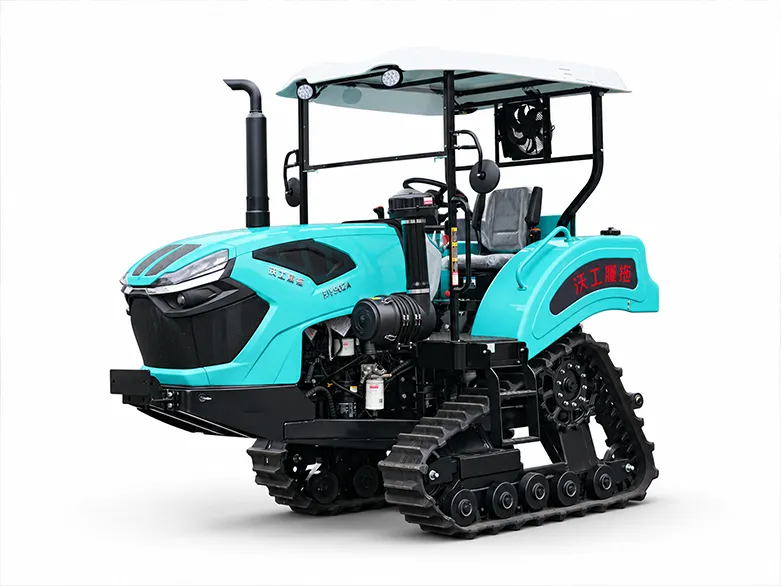
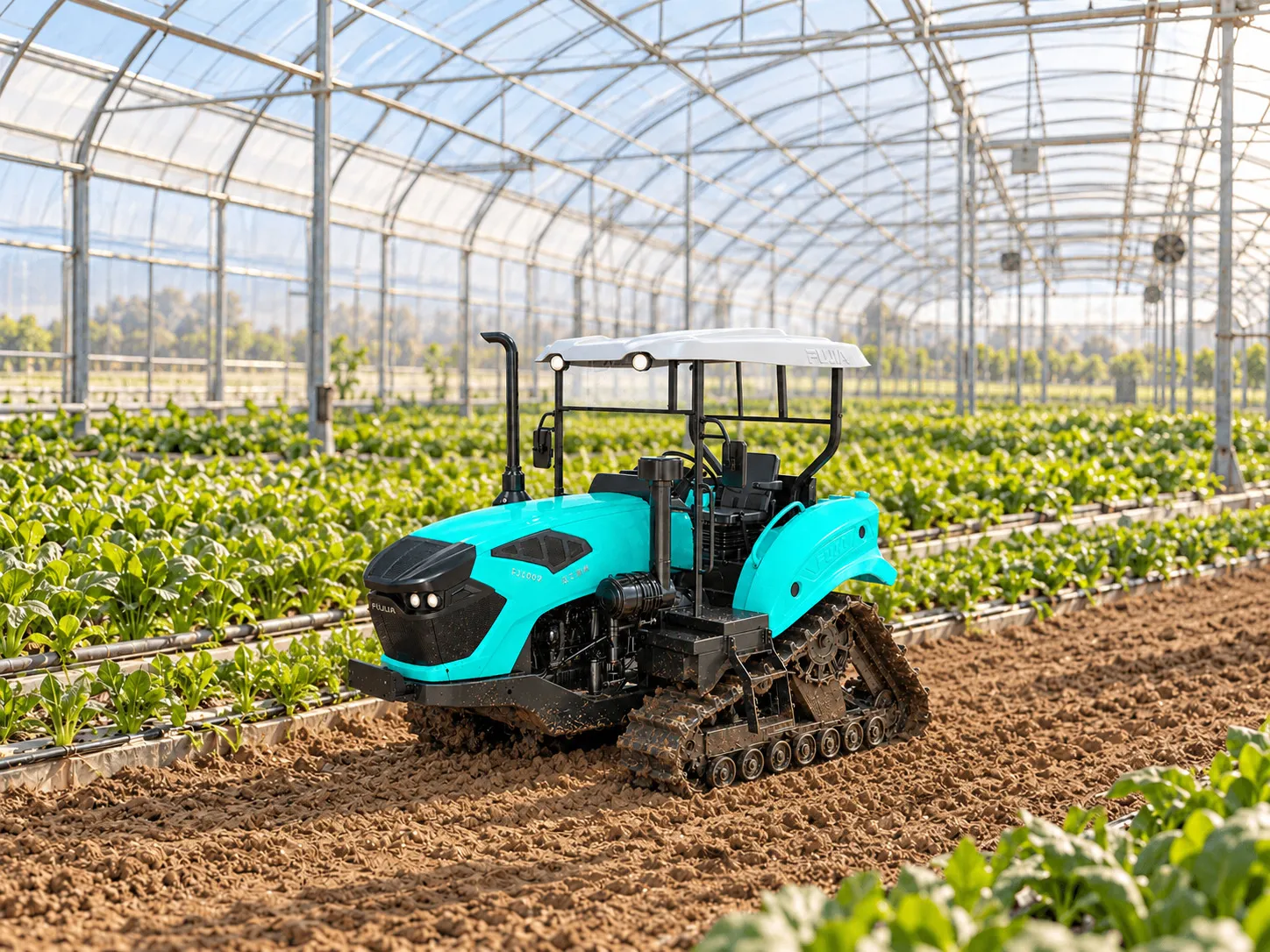
A paddy field tractor is an agricultural tractor intended for work in rice-growing areas, where wet soil and field conditions can affect traction and maneuverability. It may suit rice farms, agricultural contractors, and machinery distributors evaluating equipment for paddy cultivation. The right machine depends on more than the crop: field size, soil and water conditions, access routes, planned implements, and local operating requirements all matter. No tractor model, power rating, dimensions, transmission, or attachment details have been provided for this page, so those specifications should not be assumed. Agricultural Machinery Manufacturer & Supplier presents itself as a premium, innovation-focused supplier, with a 68,000 m2 smart manufacturing base, intelligent R&D, and global service positioning. Those company details provide context, but do not confirm the specification of any particular paddy field tractor. Before discussing a suitable option, prepare the basic details of your fields and intended work. Then ask the supplier to confirm the available model data, compatibility, applicable certification, and operating limits in writing. This helps keep a product enquiry grounded in the conditions the tractor will actually face.

Technical Detail

Configured around process stability, mold life, and long-term uptime.

Paddy Field Tractor refers to a tractor intended for agricultural work in rice paddies and other wet-field settings. Buyers typically include rice growers, farm operators, agricultural contractors, and machinery distributors assessing equipment for field preparation or related operations. The exact tasks and suitable configuration depend on the tractor model and the implements it can use; no model-specific product information has been supplied here. Agricultural Machinery Manufacturer & Supplier describes its position as premium and innovation-focused. The company reports a 68,000 m2 smart manufacturing base and highlights intelligent R&D and smart manufacturing. These are company-level details, not confirmed specifications for a particular tractor. The brand also cites a customer base of 150+; this statement does not establish that those customers purchased paddy field tractors. CE is listed among the brand's certifications, but buyers should confirm whether CE documentation applies to the exact tractor model and intended market. For a product comparison, request the model’s technical data sheet and verify engine output, dimensions, operating weight, ground clearance, transmission, turning performance, and implement connection details where applicable. None of these product parameters is available in the supplied information. Also ask for documented limits on wet-soil use and any restrictions on water depth or terrain. Treat a listing as an initial introduction, not a substitute for model-specific specifications and confirmation of suitability for your farm.

Intelligent Crawler Tractor

How a Tractor Supports Paddy-Field Work

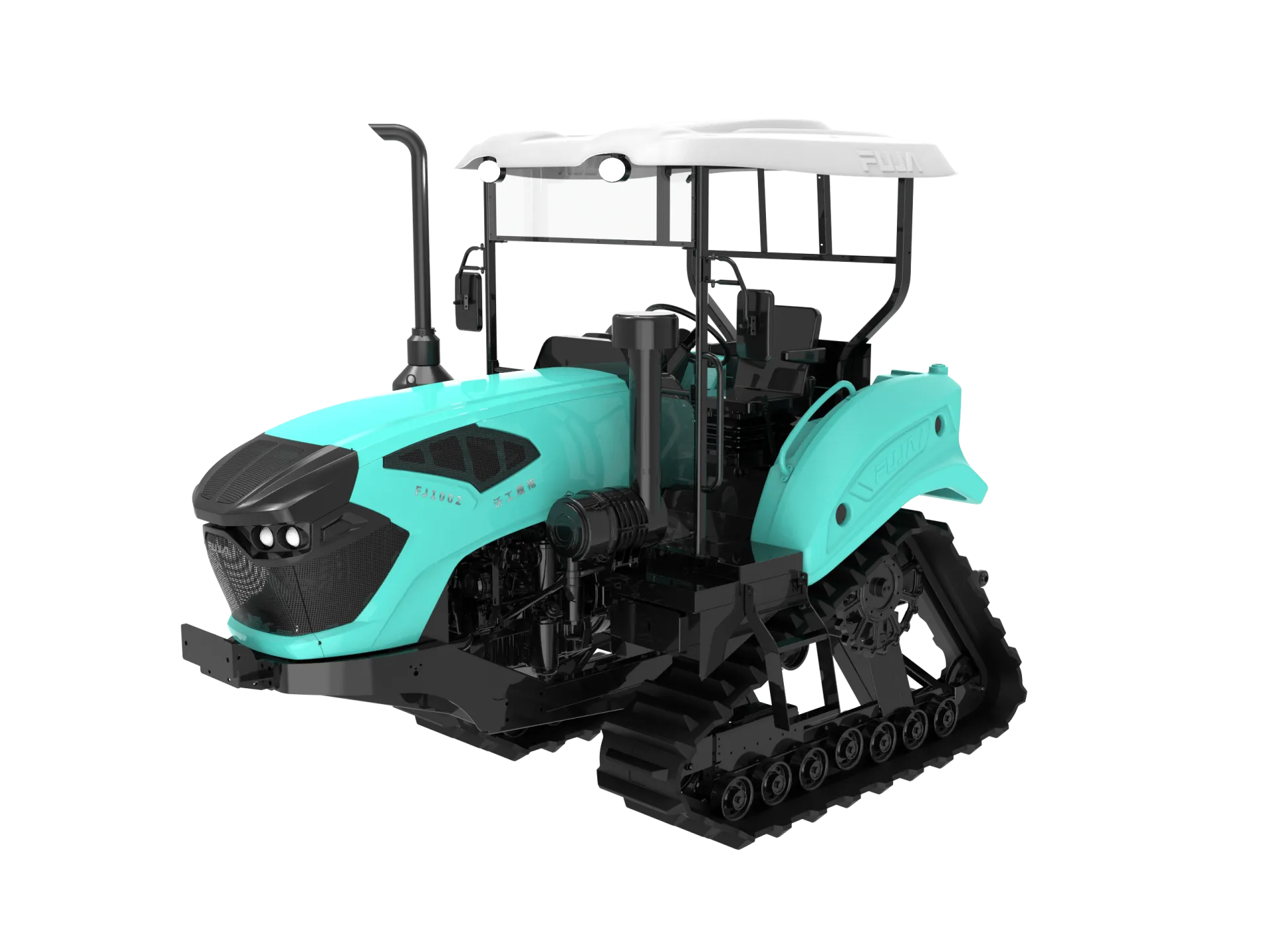
A tractor supplies power and movement for agricultural tasks, while the work performed depends on the implements and connections available for the specific model. In paddy cultivation, buyers may be considering field preparation or other operations, but the supplied information does not confirm which tasks this product can perform or which implements it supports. Do not assume that a general-purpose tractor configuration is suitable for saturated soil simply because it is described as a paddy field tractor. When reviewing a proposed machine, ask how power is delivered to implements and what connection points are provided. Request the relevant documentation for the model, including any stated power take-off details, hitch type, hydraulic capacity, and compatible implements, if those features are fitted. Agricultural Machinery Manufacturer & Supplier cites intelligent R&D and smart manufacturing as company strengths; these statements do not specify the tractor’s mechanical design. A drawing, technical sheet, and implement compatibility list can establish what the machine is built to do. Without those documents, treat claims about structure or operating capability as unverified and ask the supplier to clarify them before comparing models.

Intelligent Crawler Tractor

Check Field Conditions Before Assessing Fit

Wet-field suitability depends on the actual ground and operating conditions, not just the product name. Before evaluating a paddy field tractor, consider whether the soil is firm, soft, or deeply saturated; whether fields are level or uneven; how water is managed; and whether the tractor must travel on narrow banks or between plots. These factors affect the traction and clearance a job may require, but no traction, ground-clearance, or water-depth limits are available for a specific model here. Use your field conditions as questions for the supplier rather than making assumptions from general tractor terminology. Describe typical soil and water conditions, the steepest or softest sections, access constraints, and the work cycle. Ask for the manufacturer’s documented operating limits and whether the proposed configuration is intended for those conditions. The manufacturer states it has a 68,000 m2 smart manufacturing base, but that facility description does not verify a tractor’s field performance. If the model’s limits cannot be documented, suitability remains uncertain. Confirm the information against your local operating environment before treating a machine as appropriate for routine paddy work.

Intelligent Crawler Tractor

Prepare a Model-Specific Enquiry

A useful enquiry gives the supplier enough information to identify a relevant model without presuming that a particular configuration exists. Start with your country and market requirements, the number and size of fields, soil and water conditions, intended tasks, annual operating pattern, and the implements you expect to use. Include access limitations such as narrow field entrances or transport routes if these affect the machine’s dimensions. Ask Agricultural Machinery Manufacturer & Supplier to respond with the exact model designation and its technical data sheet. Request confirmed engine and transmission details, operating dimensions and weight, ground clearance, implement interfaces, and any stated limits for wet-field use. Ask which attachments or configurations are available for that model, rather than assuming they are included. The brand lists CE among its certifications; request the relevant model-specific documentation and check that it matches your destination market and intended use. The company also cites 150+ customers, but this does not establish model availability or a particular delivery arrangement. Keep the enquiry focused on verifiable product documents and written confirmation of suitability before moving to commercial discussions.

News

Industry updates

Products

Production modules

Why Choose Us

A Manufacturer Profile Built Around Smart Production

Agricultural Machinery Manufacturer & Supplier presents a premium, innovation-focused profile supported by several company-level claims. It reports a 68,000 m2 smart manufacturing base and describes its manufacturing approach as precision-oriented. For a machinery buyer, these details provide a reason to ask how production controls and final inspection are documented for the specific tractor under consideration; they are not a substitute for inspection records or model specifications. The company also highlights intelligent R&D directed at practical challenges. Buyers can use that stated focus to discuss field conditions and ask whether a proposed configuration addresses them, while requesting evidence in the form of technical documents rather than relying on broad claims. The supplier describes global service support and reports 150+ customers. Neither statement defines the support available in a particular country, so confirm service channels, parts arrangements, and local support contacts for your market before purchase. CE is listed as a brand certification; confirm the exact certificate and its applicability to the selected model and destination. These checks turn the company profile into concrete questions for a purchasing review without assuming unprovided product or service commitments.

FAQ

Common technical questions

What specifications should I compare between paddy field tractor models?

Compare the same documented items for each model, including engine output, transmission, dimensions, weight, ground clearance, turning performance, and implement connections where provided. No model-specific figures are available here, so ask for technical sheets rather than comparing unverified listings.

Can a paddy field tractor work in deeply flooded fields?

That cannot be confirmed from the product information provided. Ask the supplier for the selected model’s stated water-depth and soil-condition limits, and describe your field conditions before relying on it for flooded operations.

What information should I send when requesting a quotation?

Include your destination country, intended tasks, field and soil conditions, expected implements, access constraints, and any local compliance requirements. Ask the supplier to identify the exact model and provide its specifications and applicable certification documents. No price, lead time, or minimum order quantity has been provided.

Does the brand’s CE certification confirm that every paddy field tractor is CE-certified?

No. The brand lists CE, but the information does not identify a certified tractor model or provide a certificate. Request documentation for the exact model and verify that it applies to your market and intended use.

Need a solution for your project?

Share your product type, target capacity, and application requirements. Our team can review the details and recommend a practical next step.

Contact Us