Home » Rice Seeding Machine factory

Rice Seeding Machine Factory for Supplier Review

Rice Seeding Machine factory

Choosing a Rice Seeding Machine factory involves more than comparing a product name. Buyers need to establish what the supplier actually manufactures, which documents apply to the products under review, and whether the production and support arrangements fit their procurement process. Agricultural Machinery Manufacturer & Supplier positions its operation around a 68,000 m² smart manufacturing base, intelligent R&D, and global service. The company also reports serving 150+ customers and lists CE certification among its credentials. These points provide a starting place for due diligence, not a substitute for checking model-specific records. No product specifications or rice seeding machine range details have been provided here, so buyers should confirm available models and their technical scope directly. Before requesting a quotation, share the intended application and destination market, then ask for relevant product documents and confirmation of certification scope. This lets your team decide whether the factory merits a deeper technical review or a supplier audit without relying on assumptions about equipment, capacity, or compliance.

Technical Detail

Configured around process stability, mold life, and long-term uptime.

Agricultural Machinery Manufacturer & Supplier presents itself as a high-end agricultural machinery supplier with a 68,000 m² smart manufacturing base. Its stated strengths include intelligent R&D, smart manufacturing, and global service; the company also reports serving 150+ customers. For buyers searching for a Rice Seeding Machine factory, these are useful company-level indicators, but they do not confirm a particular seeder model, production line, or manufacturing capability. No product file was supplied, so machine types, working widths, planting rates, compatible seed varieties, and available configurations remain to be verified with the supplier. The brand lists CE certification, but buyers should request the certificate and confirm that its scope covers the exact product and configuration under consideration. A practical initial review can establish the legal supplier identity, the actual product range, and which technical and compliance documents are available for the intended market. Ask for current product specifications, operating instructions, and any applicable inspection records before comparing offers. This evidence-based approach helps procurement teams distinguish general corporate claims from records tied to the equipment they may purchase, and decide whether to proceed to technical discussion or a formal supplier assessment.

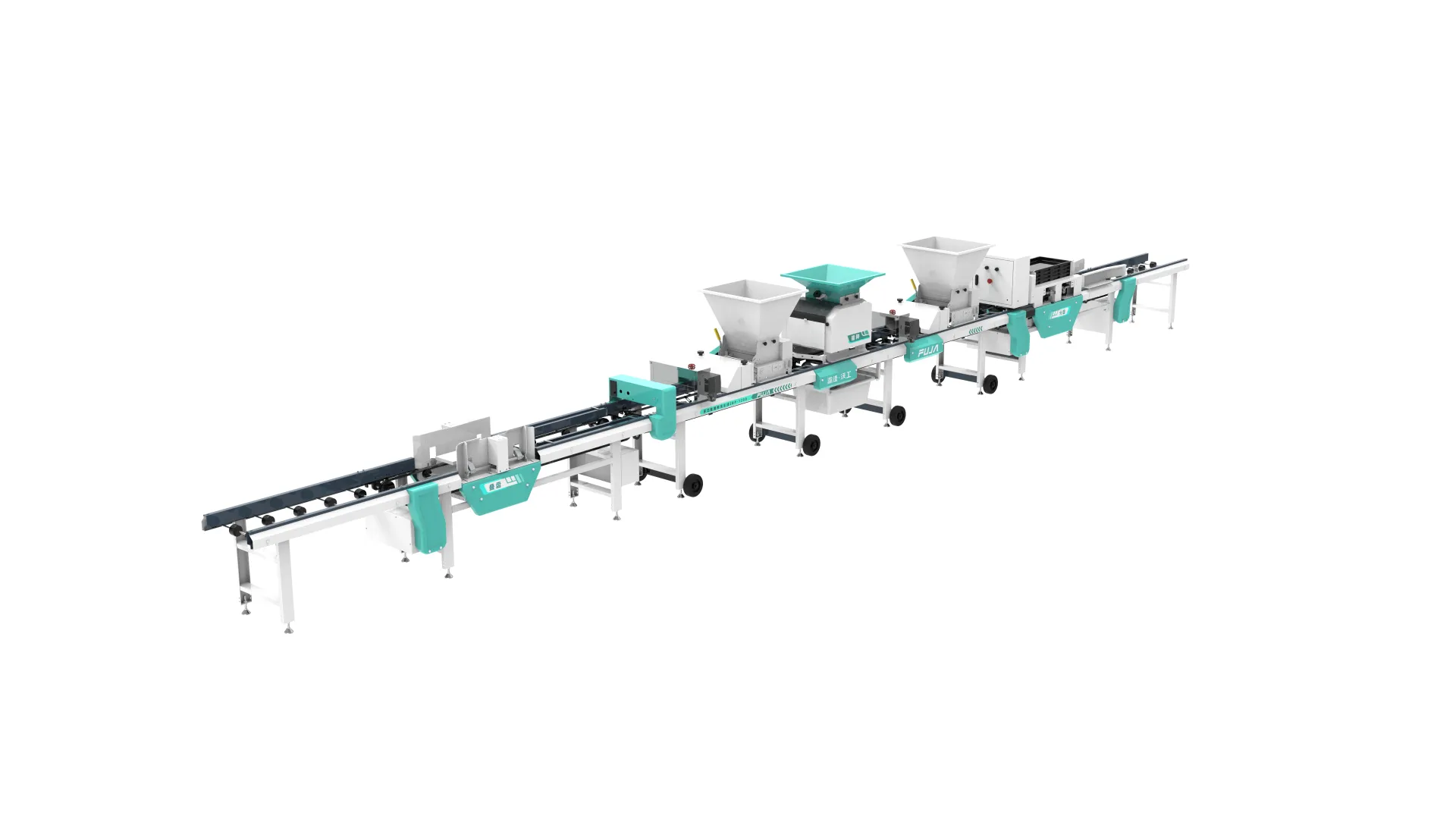
High-speed Seedling Sowing Line

What to Verify About the Factory’s Manufacturing Setup

The company describes its 68,000 m² base as a smart manufacturing facility and identifies precision builds as part of its manufacturing approach. Those statements do not, by themselves, show which production operations are performed in-house or whether a specific rice seeding machine is made at that site. For an initial factory review, ask the supplier to map the process for the model being discussed: which steps are done internally, which components are sourced externally, and how assemblies are identified during production. Request a current process overview or a remote or in-person walkthrough if your purchasing procedure requires one. Where production equipment is relevant to your assessment, ask for a description or evidence tied to the operation rather than relying on general facility imagery. The purpose is to connect the stated smart-manufacturing base to the product in your scope. If a process, machine, or production stage cannot be documented, record that as an open verification item instead of assuming it is covered by the company profile.
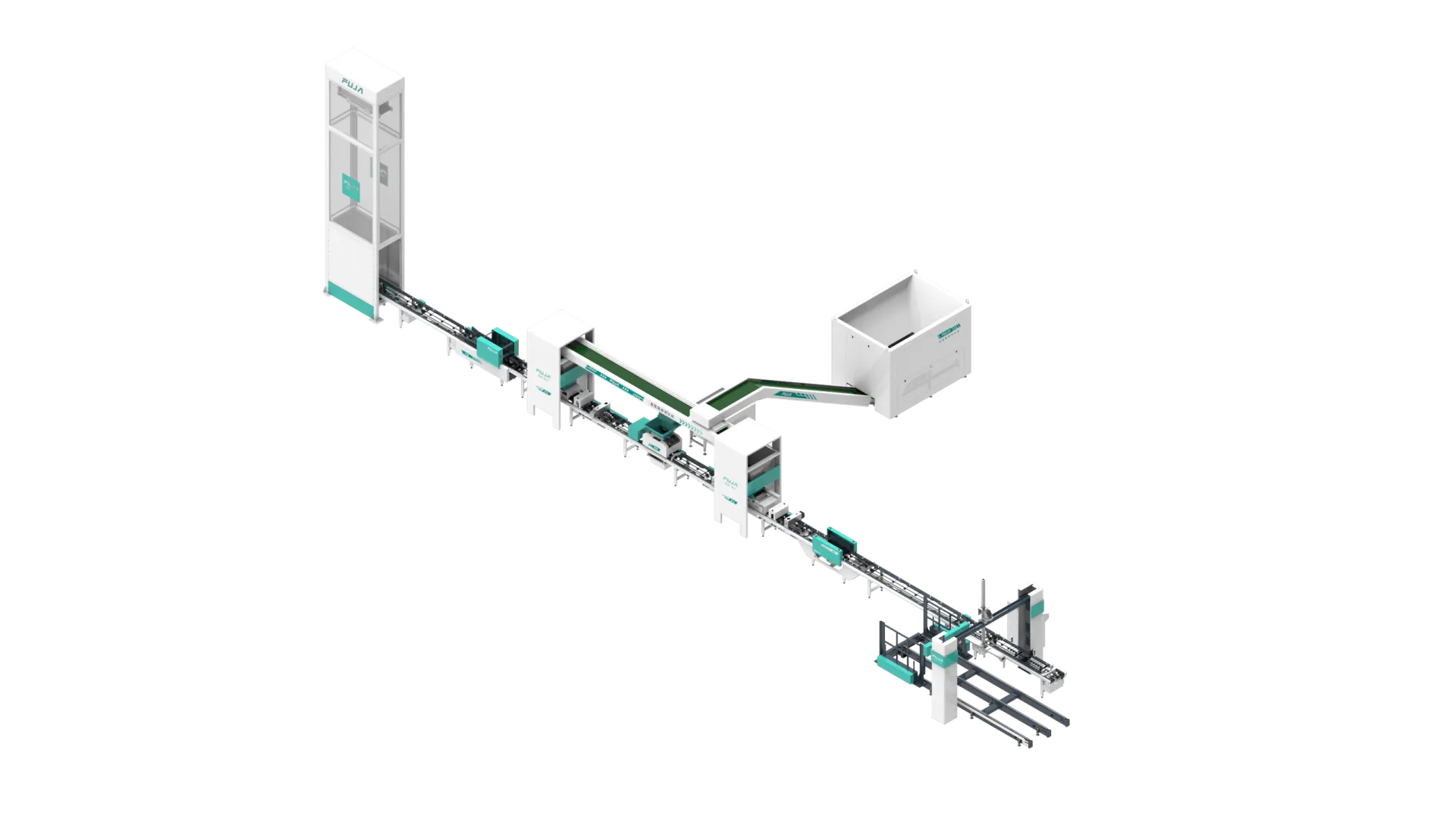

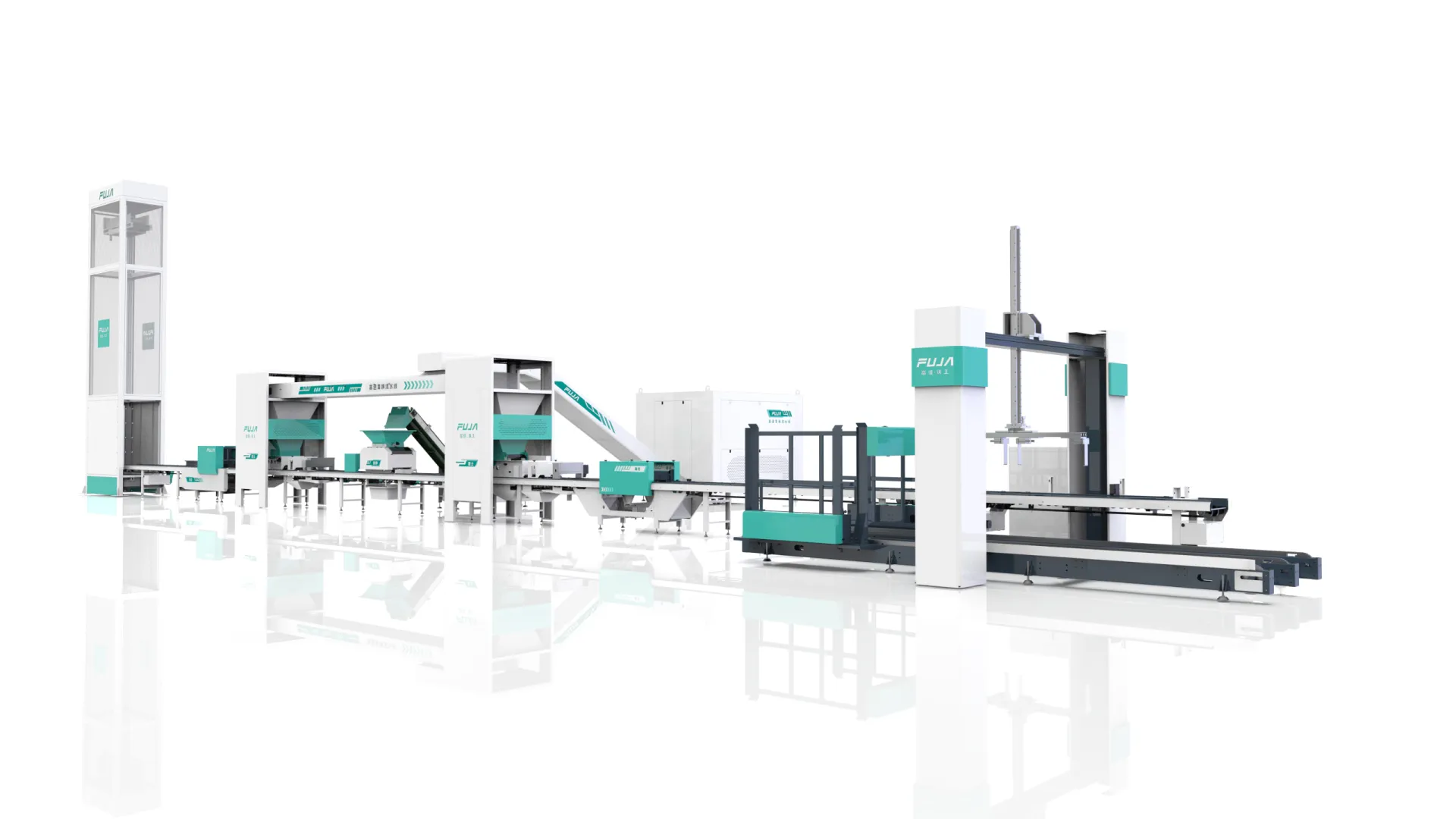
High-speed Seedling Sowing Line

Check Product Fit Before Starting a Supplier Audit

A supplier audit is more useful when the product and intended operating conditions are defined first. Since no rice seeding machine specifications were provided, the factory’s fit cannot be determined from the company profile alone. Clarify where the machine will operate, what planting method and field conditions are expected, and what tractor, power, or transport constraints apply, if relevant to your operation. Then ask the supplier to confirm in writing which offered model addresses those conditions and to identify any limitations. Compare the response with the technical documents rather than relying on a broad product description. This step can expose a mismatch early, such as an unconfirmed field condition or an interface requirement that has not been discussed. The brand’s intelligent R&D positioning may be a useful topic for technical discussion, but it does not establish that a requested feature is available. Treat unverified capabilities as questions for the engineering team, and proceed to a deeper audit only when the proposed equipment and its intended use are clearly aligned.

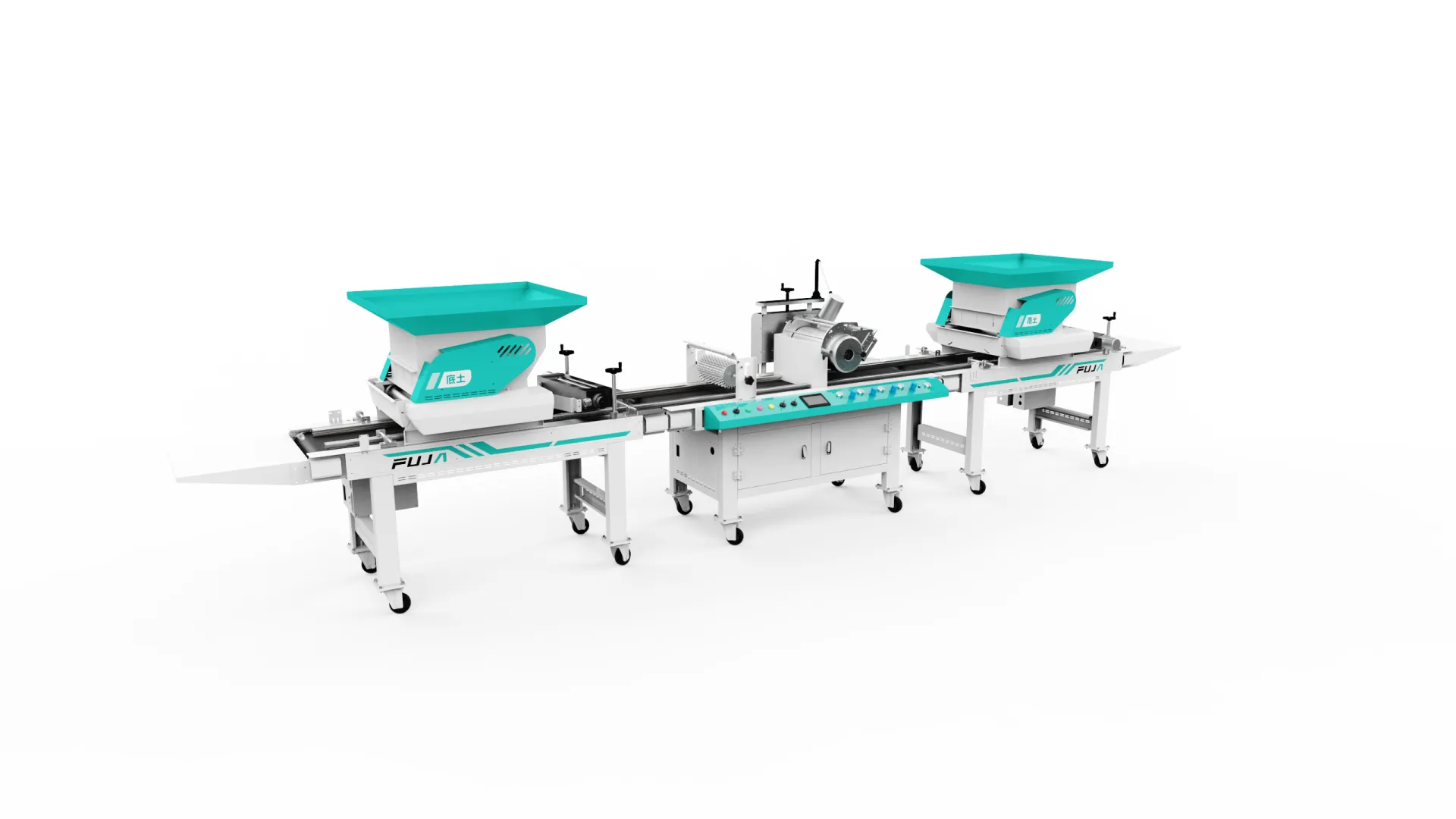
High-speed Seedling Sowing Line

Prepare a Focused Factory Inquiry

To make a first inquiry actionable, send the supplier a concise review brief rather than requesting a general catalog alone. Identify the intended application, destination country, expected machine configuration if known, and the documents your company needs for technical and compliance review. Ask for the rice seeding machine product range currently available, a model-specific specification sheet, operating documentation, and confirmation of whether CE documentation applies to the offered model. The company lists CE certification, but the certificate and its scope should be checked against the product and configuration under consideration. If supplier qualification includes factory verification, also request the process information and quality records relevant to that machine. State whether your team expects a document review, video meeting, or site audit; no particular audit format or service commitment has been confirmed in the supplied information. Once the documents arrive, log missing items and route technical questions to the appropriate reviewer. This gives procurement a clear basis for deciding whether to request a quotation or pause for further evidence.

News

Industry updates

Products

Production modules

Why Choose Us

A Manufacturing Platform to Assess With Product-Level Evidence

Agricultural Machinery Manufacturer & Supplier brings several company-level points that may justify continued evaluation: a stated 68,000 m² smart manufacturing base, an intelligent R&D focus, a smart manufacturing approach, and reported experience with 150+ customers. The company also identifies global service as part of its positioning and lists CE certification. For buyers, these claims can frame a useful supplier conversation, but the decision should rest on evidence tied to the rice seeding machine being sourced. Ask the team to connect its manufacturing and R&D capabilities to the model in scope, and to provide applicable technical and compliance documents. Confirm the certification holder, product coverage, and configuration rather than assuming a company-level reference applies to every machine. The supplied information does not specify export markets, after-sales terms, production capacity, or delivery commitments, so those points should be confirmed directly for your project. This makes the company a candidate for further review while keeping the qualification decision grounded in documents, technical fit, and the needs of your purchasing process.

FAQ

Common technical questions

Does the listed CE certification cover every rice seeding machine model?

That cannot be confirmed from the information provided. Ask for the certificate and verify its holder, validity, product scope, and whether the exact model and configuration you are considering are covered.

What should we send before requesting a model recommendation?

Describe the intended field conditions, planting requirements, destination market, and any equipment or transport constraints relevant to your operation. Ask the supplier to identify a suitable available model and support the recommendation with its current specifications.

Can we review quality inspection records before placing an order?

The supplied company information does not specify which inspection records are available. Include the records your team requires in the initial inquiry and ask which documents can be provided for the proposed machine and production lot.

What should an overseas buyer confirm about packaging and export documents?

Ask the supplier to confirm the packaging method and the export documents available for your destination and transaction. These details are not specified in the supplied information, so agree on the required documents before finalizing procurement.

Need a solution for your project?

Share your product type, target capacity, and application requirements. Our team can review the details and recommend a practical next step.

Contact Us