

Home » crawler tractor in Philippines for agriculture

Crawler Tractor in Philippines for Agriculture

crawler tractor in Philippines for agriculture

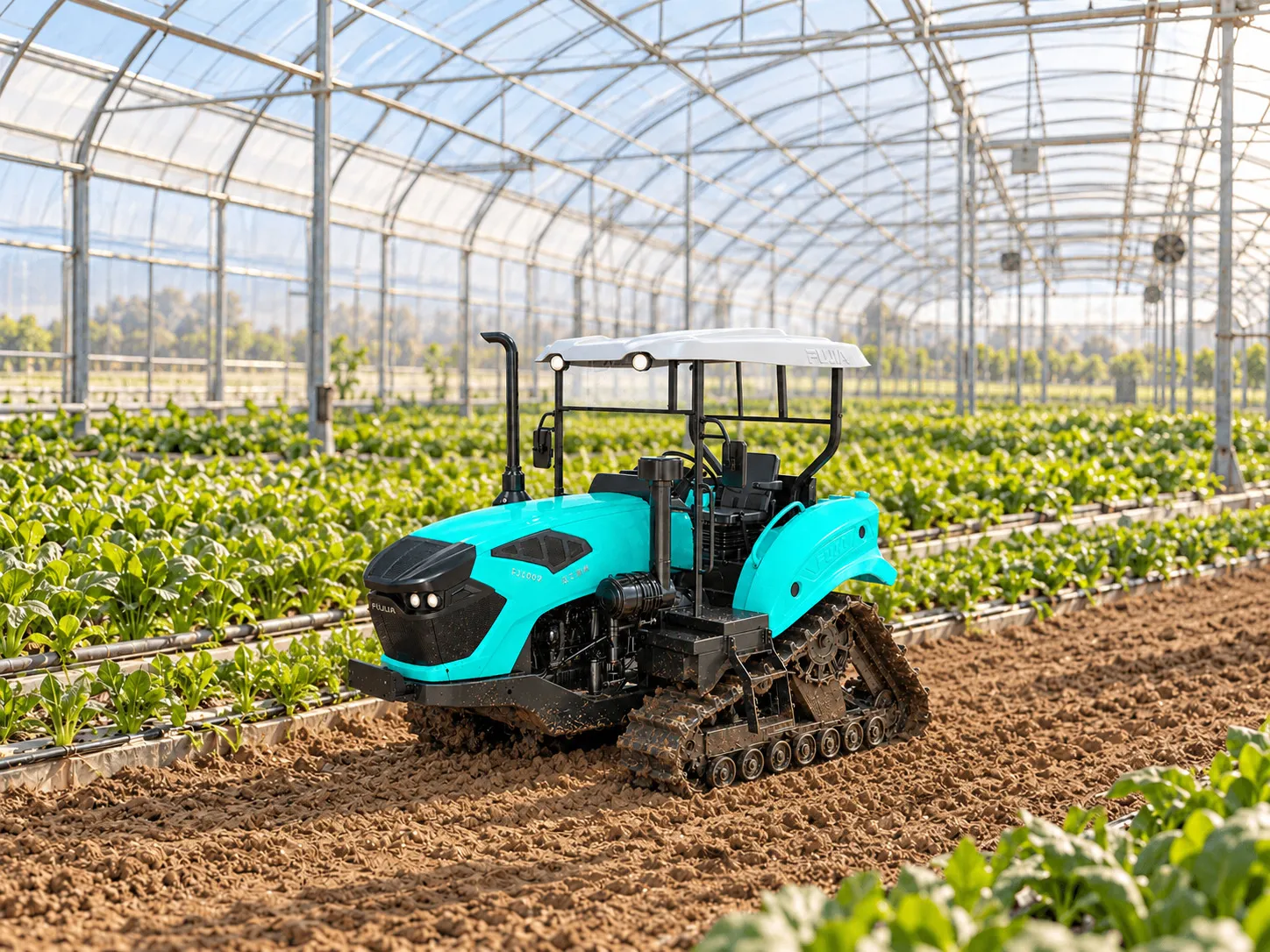
Agricultural land in the Philippines can range from open, relatively level fields to wet or uneven plots where traction and ground conditions influence how machinery can work. A crawler tractor may be worth assessing when a wheeled machine struggles for grip or when field access and soil disturbance need careful consideration. Suitability depends on the actual site, workload, and machine configuration; the available product information does not specify a crawler tractor model, operating weight, engine output, dimensions, or attachments. As an agricultural machinery manufacturer and supplier, we approach the discussion around the conditions the equipment must handle rather than assuming one machine fits every farm. Tell us about your soil, slopes, access routes, seasonal conditions, and intended tasks. Those details help establish what specifications need confirmation before a purchase decision, and reduce the risk of choosing equipment that is too large, too small, or mismatched to the work.

Technical Detail

Configured around process stability, mold life, and long-term uptime.

A crawler tractor for agriculture is considered where tracked travel may suit field conditions better than a wheeled layout, but the right choice depends on verified machine specifications and the work to be done. For buyers in the Philippines, relevant details may include whether fields are wet or firm during operation, how uneven the ground is, the space available for turning, and whether the tractor must travel between separate plots. No crawler tractor model or technical datasheet has been provided for this page, so engine power, operating weight, track dimensions, ground pressure, attachments, and performance limits cannot be stated. These should be confirmed against the intended workload before comparing offers. The supplier’s stated capabilities include a 68,000 m2 smart manufacturing base, intelligent R&D, and smart manufacturing processes. The brand also reports serving more than 150 customers and identifies CE among its certifications; buyers should verify which specific products and configurations that certification covers. Rather than treating these credentials as proof of a particular tractor’s field performance, use them as starting points for a technical discussion. Provide the work scope and site conditions, then request the applicable model documentation, configuration details, and compliance records. This keeps the decision grounded in the machine being quoted, not assumptions about crawler tractors as a category.

Intelligent Crawler Tractor

How tracked travel relates to field conditions

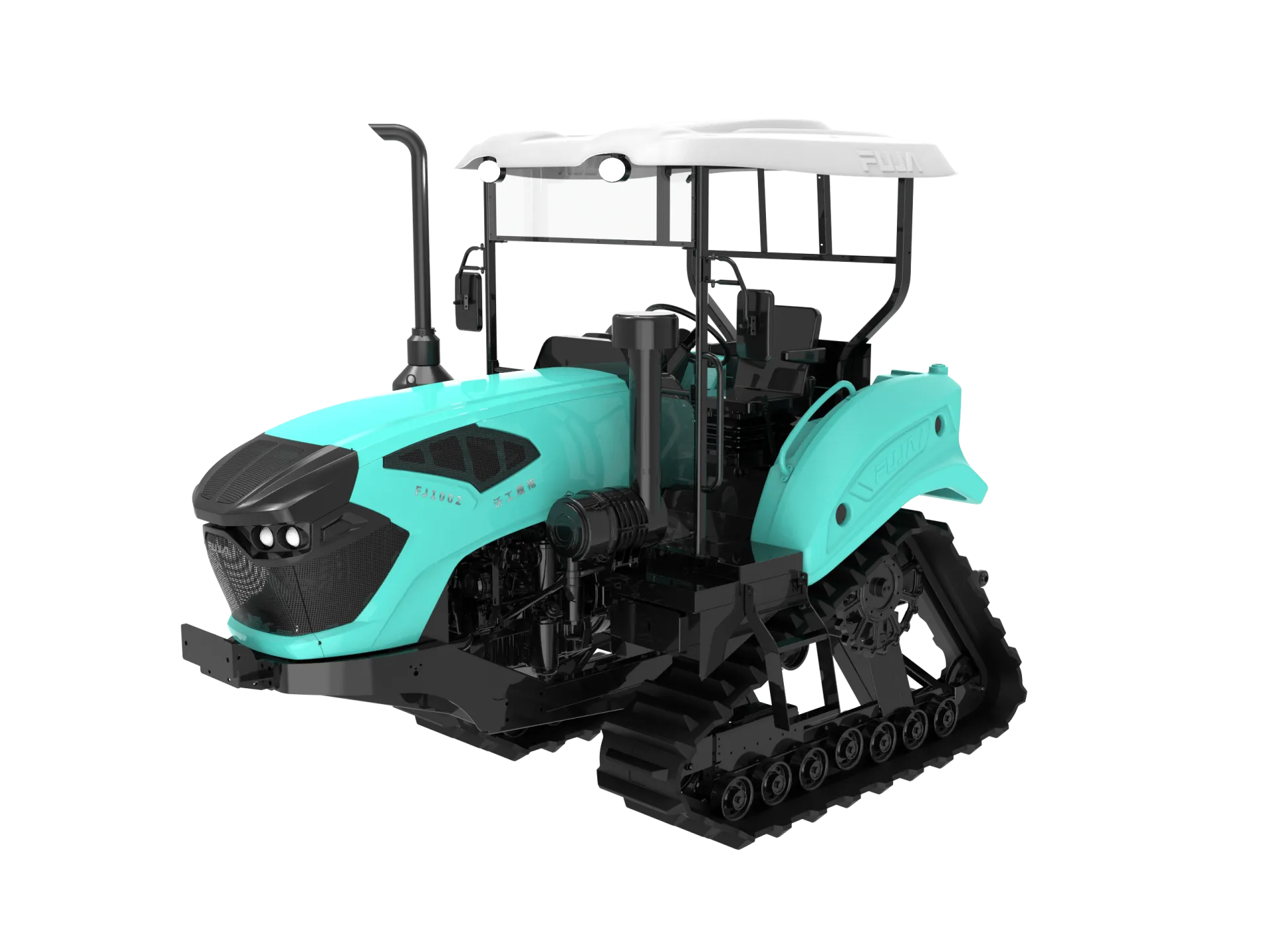
A crawler tractor moves on tracks rather than relying on tires, so its contact with the ground is distributed along the track assembly. This changes how the machine interacts with soft or uneven terrain, but it does not establish that every tracked tractor will suit every wet field. Track width, machine weight, ground pressure, undercarriage design, and the soil’s condition all affect the result. Those specifications are not available for a product in the supplied information and should be requested for any model under consideration. In Philippine agriculture, conditions can vary between plots and across seasons. A field that is firm during one operation may become soft after rainfall, while drainage and soil type can change how much traction is needed. Think of tracks as one part of the mobility system, not a guarantee against sinking, compaction, or loss of control. Ask the supplier for the machine’s operating weight and track details, and compare them with the field conditions where it will actually work. If the tractor must also travel on roads or narrow access paths, confirm those requirements separately; field mobility alone does not answer whether transport is practical.

Intelligent Crawler Tractor

Check suitability against the actual workload

Whether a crawler tractor is suitable depends on more than the word “agriculture” in the application. Establish the tasks first: for example, whether the machine will perform field preparation, pull an implement, or carry out another defined operation. Then compare the required drawbar or implement demands with the rated capacity and approved configuration of the specific tractor. Those ratings have not been supplied here, so they must be verified rather than inferred. Site conditions matter too. Record the steepest slopes, the narrowest turning areas, the softest ground, and any headlands or gateways that restrict movement. Note how far the tractor needs to travel between work areas and whether it will operate in wet conditions. A mismatch can mean inadequate capacity for the implement, difficult maneuvering in confined plots, or a machine whose size and weight do not suit the field. Ask for operating limits and recommendations for the precise model, then check them against the work plan. If essential requirements such as slope limits, ground pressure, or attachment compatibility cannot be confirmed, treat suitability as unresolved rather than assuming a crawler configuration will compensate.

Intelligent Crawler Tractor

Prepare a useful configuration inquiry

A productive inquiry gives the manufacturer enough information to identify what needs technical confirmation. Describe the work and expected hours of use, the soil and seasonal moisture conditions, the slope and turning space, and how the tractor will reach each plot. Include the implement or attachment type if one is planned, along with any relevant dimensions or operating requirements. Since no tractor model, engine rating, track specification, or attachment list is provided, request these details for each proposed configuration rather than relying on a general product description. Ask for the model’s technical datasheet, operating weight, track dimensions, rated capacities, recommended applications, maintenance schedule, and any applicable compliance documents. Confirm whether the quoted tractor is supplied with the intended attachment or whether compatibility must be assessed separately. The manufacturer describes intelligent R&D and smart manufacturing, but those statements do not replace model-specific documentation. A written comparison of the work requirements against confirmed specifications gives both parties a clearer basis for discussing fit. It also makes gaps visible before purchase, such as an unverified implement match or missing information about operation on slopes.

News

Industry updates

Products

Production modules

Why Choose Us

A manufacturing partner for agriculture equipment discussions

The manufacturer presents itself as an agricultural machinery supplier with a 68,000 m2 smart manufacturing base and an intelligent R&D function. For a buyer assessing a crawler tractor, these capabilities provide a basis for asking how a proposed machine is designed and built; they do not establish specifications or performance for an unspecified model. The company also reports serving more than 150 customers, indicating experience supplying agricultural machinery, though no customer names or crawler tractor case details are available here. Its stated global service positioning may be relevant to an overseas buyer, but the service scope for the Philippines should be confirmed directly, including available technical support, documentation, and parts arrangements. CE is listed among the brand’s certifications. Before treating it as applicable, request the certificate and verify that it covers the exact tractor model and configuration being quoted. A careful supplier discussion should connect the field conditions, intended tasks, machine specification, and compliance documents. This approach lets buyers assess the manufacturer’s stated R&D and production capabilities while keeping the purchase decision tied to evidence for the actual equipment.

FAQ

Common technical questions

What information should I provide to check if a crawler tractor suits my farm?

Share the intended tasks, soil and seasonal moisture conditions, slopes, turning space, access restrictions, and any planned implement. The supplier can then compare those requirements with the specifications of a specific model. No model data has been provided here, so suitability cannot be confirmed from the product category alone.

Can a crawler tractor work in wet rice fields in the Philippines?

It may be a candidate where traction on soft ground is a concern, but suitability depends on the tractor’s weight, track design, ground pressure, field depth, and soil condition. Request model-specific limits and recommendations, and verify them against the field rather than assuming all crawler tractors are suitable for paddy work.

How do I check whether an attachment will fit the tractor?

Provide the attachment type and its operating requirements, then request written confirmation of compatibility for the exact tractor configuration. Confirm relevant capacity ratings and connection details in the technical documentation; none are available in the supplied product information.

Does the brand’s CE certification cover the crawler tractor I am considering?

The brand lists CE among its certifications, but no tractor model or certificate scope was supplied. Ask for the applicable document and check that it names the specific model and configuration under consideration.

Need a solution for your project?

Share your product type, target capacity, and application requirements. Our team can review the details and recommend a practical next step.

Contact Us




