Home » Hilly and Mountainous Areas Crawler Tractor China

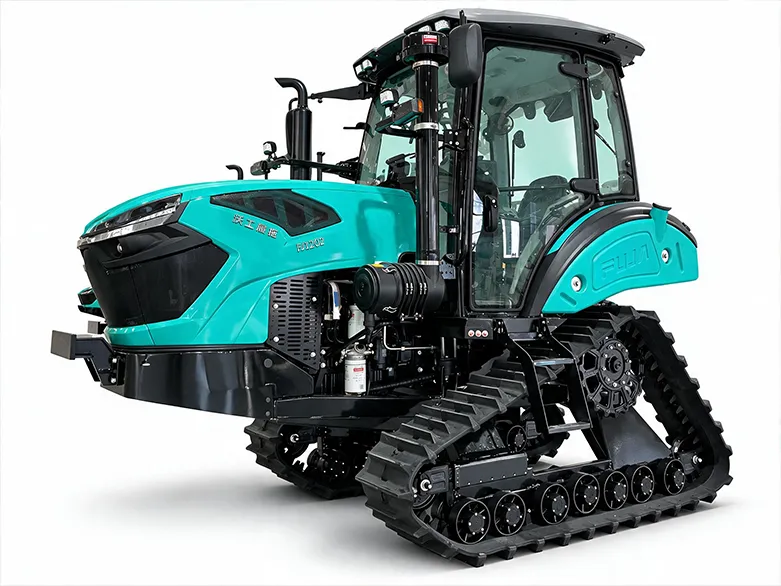
Hilly and Mountainous Areas Crawler Tractor China

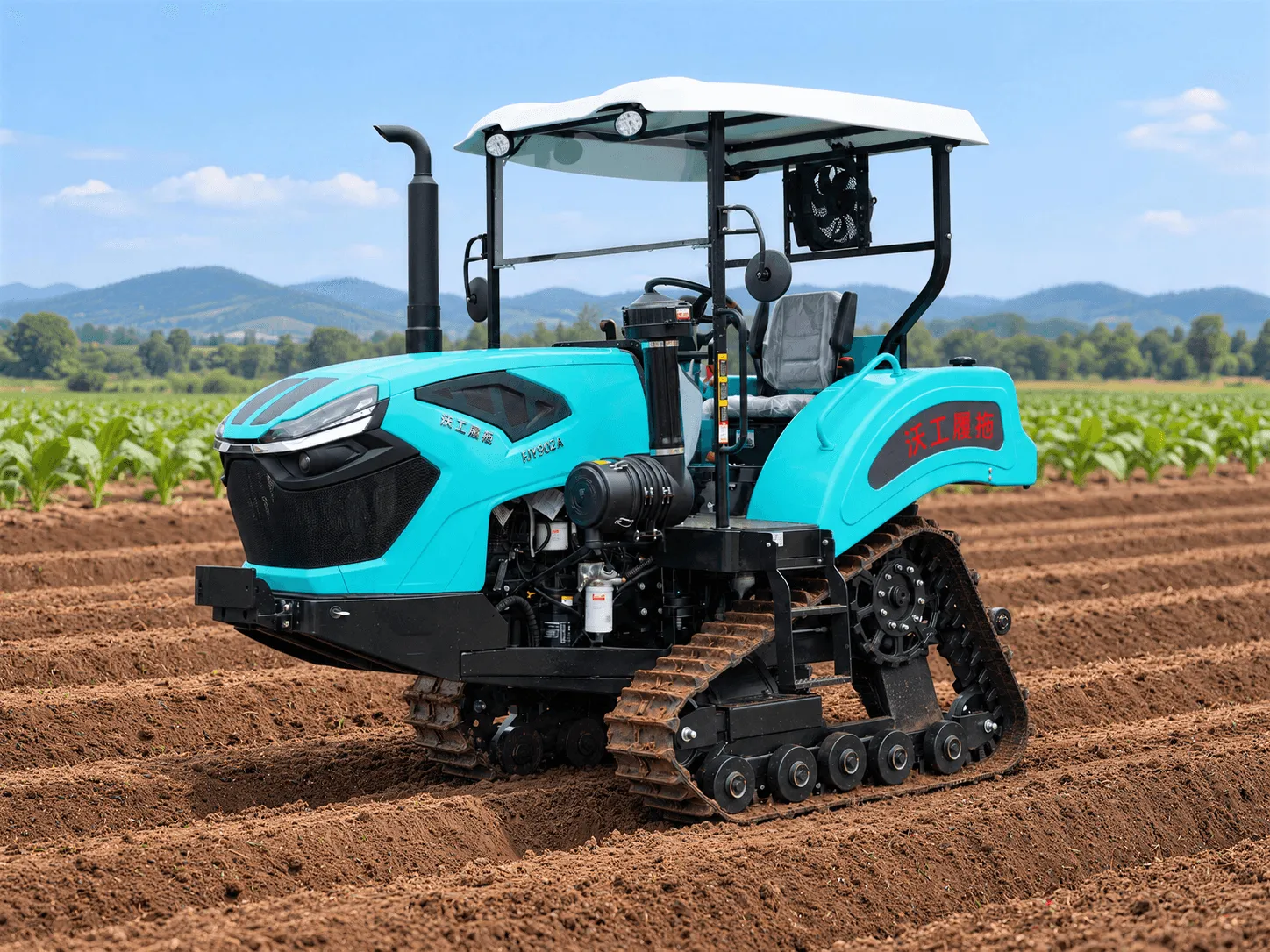
Hilly and Mountainous Areas Crawler Tractor China

Sourcing a crawler tractor for hilly or mountainous work involves more than comparing machine specifications. Buyers also need to establish whether a supplier can document its manufacturing capability, provide relevant compliance records, and respond clearly to technical questions. Agricultural Machinery Manufacturer & Supplier presents itself as a high-end, innovation-focused manufacturer, with a 68,000 m2 smart manufacturing base, intelligent R&D, and a stated CE certification. The company also reports serving more than 150 customers, though project details and references should be confirmed directly during supplier review. No specific crawler tractor models, operating limits, dimensions, or engine data have been provided here, so this page does not assume a particular machine configuration or claim suitability for a defined slope. Instead, it sets out what the available company information can establish and what a buyer should verify before moving to a formal inquiry. Use the discussion to frame an initial supplier assessment, then request product-specific documents for the terrain, workload, and operating conditions involved.

Technical Detail

Configured around process stability, mold life, and long-term uptime.

Agricultural Machinery Manufacturer & Supplier is positioned as a high-end agricultural machinery company with an innovation-led approach. Its stated 68,000 m2 smart manufacturing base and intelligent R&D capability provide a starting point for buyers assessing a China-based source for crawler tractors intended for hilly and mountainous areas. These are company-level details, not proof of a particular tractor’s performance on gradients, soil types, or uneven ground; product-specific evidence should be requested before technical approval. The brand describes its manufacturing approach as precision-oriented, linking smart production with consistent builds. For supplier screening, ask how this approach is applied to the specific crawler tractor under consideration, which production stages are monitored, and what inspection records can be shared. The company identifies CE among its certifications. Buyers should confirm that the certificate and associated declaration apply to the exact product, model, and configuration being quoted, and check whether the documentation meets the requirements of the destination market. The company also states that it has served more than 150 customers, a broad indicator of commercial activity rather than a substitute for relevant references or project evidence. Since no model list, tractor specifications, test results, or factory process documents were supplied, this description makes no claims about horsepower, gradeability, track dimensions, attachments, or production capacity. A sound next step is to request the current product range and supporting technical and compliance files, then compare them with the intended application before proceeding.

Hilly and Mountainous Areas Crawler Tractor

What the Smart Manufacturing Base Can Establish

A manufacturing site’s size is useful context, but it does not by itself establish how a crawler tractor is designed or assembled. The available company information identifies a 68,000 m2 smart manufacturing base and describes precision builds as part of its manufacturing approach. It also points to intelligent R&D focused on practical challenges. For a buyer considering work on steep or uneven terrain, the relevant question is how those capabilities connect to the machine being offered. Ask the supplier to identify the tractor’s production stages, explain which operations are handled at the facility, and provide a process overview for the quoted model. If assembly, component sourcing, or inspection is shared with other sites or suppliers, clarify those boundaries rather than assuming that every stage takes place at the stated base. Request dated photographs, a remote walkthrough, or an in-person visit where feasible, and match any evidence to the model and production line under review. These checks help distinguish general company claims from evidence tied to a specific product. The supplied information does not name production equipment, describe assembly steps, or provide process records, so these should be treated as verification questions, not established factory features.

Hilly and Mountainous Areas Crawler Tractor

Check Suitability Against the Actual Terrain

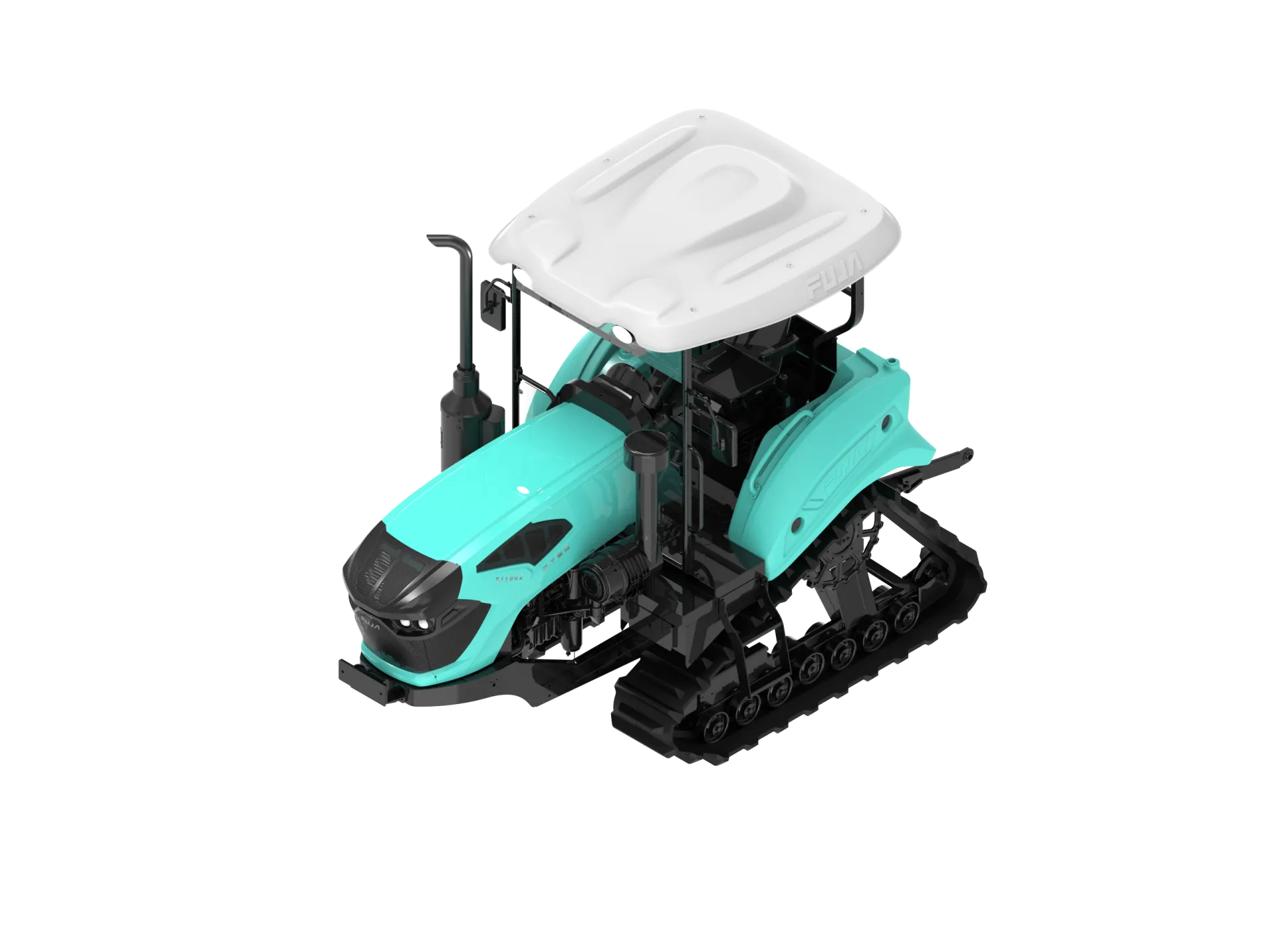
A crawler tractor may be considered for hilly or mountainous work because tracked machines distribute contact over tracks rather than relying on conventional wheels. That general design characteristic does not establish that an unspecified model is safe or capable on a particular slope. Conditions such as gradient, surface firmness, moisture, turning space, carried load, and operator procedure can change the risk substantially. The company information provided here contains no gradeability, ground pressure, track width, center-of-gravity data, braking details, or approved operating limits. Before evaluating a model, give the supplier a clear description of the work: the steepest operating gradient, typical surface, expected load or implement, travel distance, and whether the machine must turn or work across a slope. Ask for documented limits and operating guidance for the exact configuration, and have a qualified technical reviewer assess them against the site. Treat general statements about ruggedness or terrain use as insufficient without supporting figures and instructions. If the manufacturer cannot provide applicable limits or explain how they were established, pause the suitability decision rather than inferring performance from the word “crawler” or from factory credentials.

Hilly and Mountainous Areas Crawler Tractor

Prepare a Focused Supplier Review

To decide whether this manufacturer should advance to formal inquiry, request a compact evidence package tied to the crawler tractor you intend to buy. Start with the current model range and a specification sheet that identifies the exact configuration. Ask for the relevant CE certificate and declaration, and check the named manufacturer, product identification, and scope against the proposed machine; the company’s stated CE certification alone does not confirm coverage of every model. Request available inspection or test records, the manufacturing process overview, and written confirmation of which items can be customized. No model options, customization limits, test files, or export documents were provided in the source information, so confirm each point rather than assuming it is available. For an initial call or factory audit, prepare questions about production responsibility, quality checkpoints, traceability, packaging, export paperwork, and the route for technical support after delivery. Record which answers are supported by documents and which remain verbal. This gives procurement and engineering teams a consistent basis for deciding whether to request a quotation, arrange a deeper review, or hold the supplier assessment pending evidence.

News

Industry updates

Products

Production modules

Why Choose Us

A China-Based Supplier With Verifiable Credentials

Agricultural Machinery Manufacturer & Supplier offers several company-level facts that can support an initial review: a stated 68,000 m2 smart manufacturing base, an intelligent R&D focus, CE certification, and reported experience with more than 150 customers. The company’s positioning emphasizes high-end agricultural machinery and innovation, while its stated manufacturing approach centers on precision builds. These points are useful starting evidence, but they do not replace model-specific qualification. Buyers should check the certificate scope, request technical and inspection documents for the proposed crawler tractor, and confirm that the production arrangements match the supplier’s description. The available information does not identify particular tractor models, named customer references, audited quality standards, or export service commitments, so none should be assumed. A practical supplier review can begin with a request for the product range, applicable compliance files, and a written response to the intended terrain and workload. If those materials are consistent and sufficiently detailed, the supplier may merit a closer engineering and procurement assessment. This evidence-led approach lets buyers weigh the company’s stated manufacturing and R&D capabilities without treating broad brand claims as proof of a specific machine’s suitability.

FAQ

Common technical questions

What documents should I request to verify CE certification for a crawler tractor?

Ask for the certificate and the applicable declaration, then verify that the manufacturer, product identification, and scope match the exact tractor configuration being offered. The company states that it has CE certification, but the supplied information does not identify covered models or provide certificate documents.

Can I confirm that a crawler tractor from this supplier is suitable for a specific mountain slope?

Not from the information available here. Share the gradient, ground conditions, load, and operating pattern with the supplier, then request documented operating limits for the exact model and configuration. Have a qualified reviewer compare those limits with the worksite conditions.

What should I ask about quality inspections before placing an order?

Request the inspection stages used for the quoted model and ask which records can be provided, such as applicable test or final inspection documents. The supplied company information describes precision manufacturing but does not specify quality checkpoints or inspection files.

Does the supplier offer customization for crawler tractors?

No customization options or limits were provided. Ask the supplier to confirm in writing which configurations or components can be changed, how any change affects compliance documentation, and what technical information is needed to assess the request.

Need a solution for your project?

Share your product type, target capacity, and application requirements. Our team can review the details and recommend a practical next step.

Contact Us