

Home » tractors with tracks in Indonesia

tractors with tracks in Indonesia: Field Fit First

tractors with tracks in Indonesia

A tractor that works well on firm ground may struggle when a field becomes soft after rain. For buyers researching tractors with tracks in Indonesia, the starting point is how the machine interacts with the soil and the work it must complete. Tracks can distribute machine weight across a larger contact area than comparable wheel arrangements, but actual performance depends on the complete tractor, its load and the ground beneath it. Agricultural Machinery Manufacturer & Supplier presents a premium positioning supported by intelligent R&D, smart manufacturing and global service. Its stated credentials include a 68,000 m2 smart manufacturing base and more than 150 customers. This page is intended for farm owners, agricultural contractors and procurement teams considering tracked equipment for demanding field access or traction requirements. No model specifications have been supplied, so horsepower, operating weight and implement compatibility remain matters for confirmation. The following guidance explains the technology, identifies conditions that require closer assessment and sets out the information needed for a useful purchase discussion.

Technical Detail

Configured around process stability, mold life, and long-term uptime.

Manufacturing consistency matters when agricultural equipment must keep working through a limited fieldwork window. Agricultural Machinery Manufacturer & Supplier positions its offer around intelligent R&D, precision manufacturing and global service, giving buyers a framework for examining the engineering and production behind a proposed tracked tractor. The brand reports a 68,000 m2 smart manufacturing base and a customer base exceeding 150. Those figures describe its manufacturing footprint and customer reach; they do not establish the performance or availability of an individual model. Its R&D statement, smarter design for real-world challenges, is relevant to buyers who need engineering decisions connected to actual farm tasks. The smart manufacturing emphasis similarly makes production control a useful discussion point. Buyers can examine how assembly consistency, inspection records and component traceability are documented for the machine offered. These factors can affect ownership costs through repair planning and parts identification, although no cost savings can be quantified from the available information. CE is listed among the brand credentials. Any purchase should connect that credential to the exact machine and applicable documentation, rather than treating it as a general guarantee of field performance. For tractors with tracks in Indonesia, the premium proposition therefore rests on verifiable engineering and manufacturing evidence. A technical file, inspection documentation and a clearly identified machine configuration would allow buyers to assess that proposition more meaningfully than broad claims about durability or productivity.

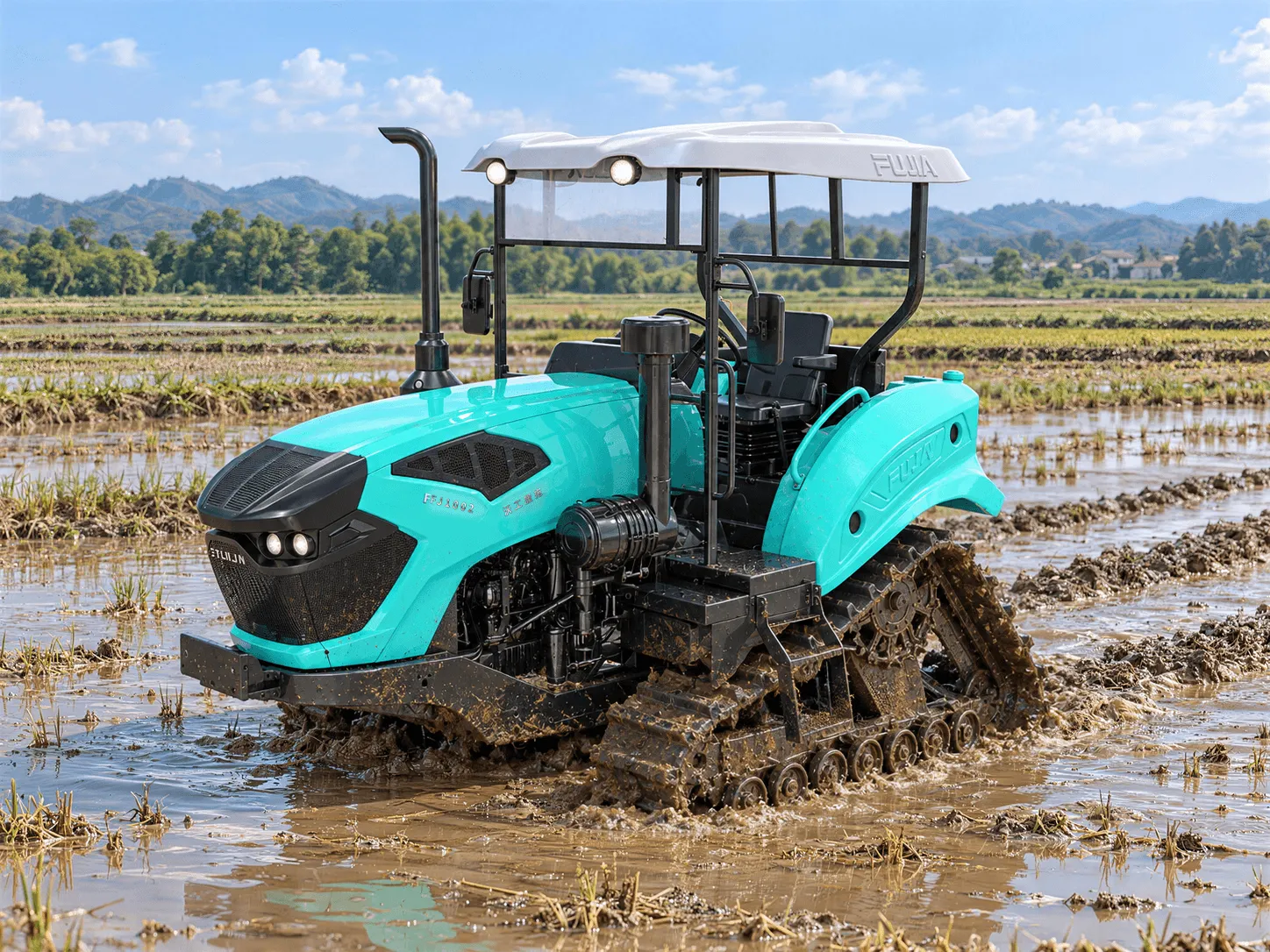
Paddy Field Crawler Tractor

How Tracks Transfer Weight and Traction to the Ground

A tracked tractor moves through a continuous track system supported and driven by components beneath the machine. The track provides the ground contact surface, while the drive arrangement transfers torque into forward motion. Track construction and steering layout vary between tractor designs, so the exact arrangement must be established from a model drawing or technical sheet. Ground pressure is related to the supported weight and effective contact area. A larger footprint can reduce average contact pressure, but the result changes with implement loads, ballast and how weight is distributed during work. Lower average pressure also does not mean that soil compaction disappears; deeper soil loading still depends partly on total machine weight. Traction is a separate consideration. Track contact and tread engagement can help transmit pulling force, while soil strength limits how much force the ground can support before slipping or shearing. Agricultural Machinery Manufacturer & Supplier identifies intelligent R&D as part of its engineering approach, but no track dimensions, undercarriage details or steering specifications have been provided. These principles explain the product category without attributing an unverified design to the brand.
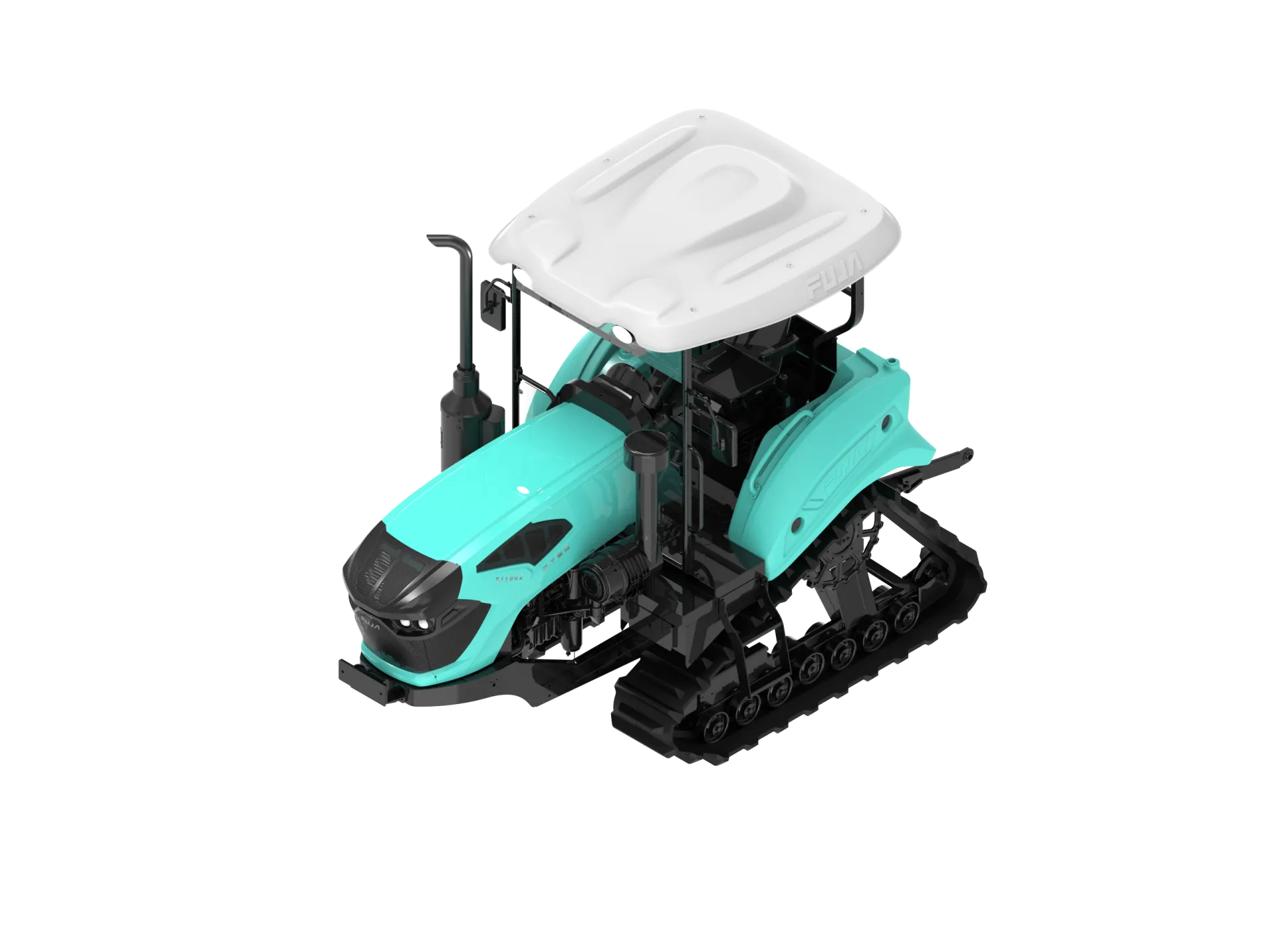

Paddy Field Crawler Tractor

Assess Soft Fields, Turning Areas and Travel Routes

Indonesian farms can present very different operating conditions, so suitability should be judged field by field. A soft, relatively level field presents a different problem from a steep access route or a flooded plot with weak soil beneath the surface. Tracks may help distribute load, but they cannot establish that a tractor will remain mobile in every wet environment. Begin with the ground's bearing capacity and the working load. A tractor that travels successfully without an implement may behave differently when pulling equipment or carrying a mounted load. Standing water introduces further questions about permitted immersion, component protection and cleaning access. None of those limits is available in the supplied product information. Turning space also matters. Depending on the steering system and soil condition, tight turns can disturb the surface and increase resistance. Evaluate headlands, drainage crossings and the route between storage and the field. Frequent paved travel requires a separate review of the proposed track system and transport arrangements. The brand's stated focus on real-world engineering provides a starting point for this discussion. Acceptance should depend on documented operating limits and, where feasible, a demonstration under representative conditions.

Paddy Field Crawler Tractor

Prepare an Inquiry Around the Tractor and Its Implements

A useful inquiry for tractors with tracks in Indonesia should describe the job before requesting a model recommendation. State the crop operation, field size, soil condition and typical seasonal access problems. Include photographs or a short field video if they help explain ruts, restricted entrances or difficult headlands. Next, identify the implements the tractor must operate. Provide implement weight, working width and draft requirements where known, together with hitch details. If the equipment requires PTO power or hydraulic functions, include those requirements separately. Engine power alone cannot establish compatibility. Ask the supplier to return a model-specific specification covering operating weight, track dimensions, overall dimensions, ground clearance and the relevant implement interfaces. Request confirmation of any proposed attachments rather than assuming they are included or available. Agricultural Machinery Manufacturer & Supplier states that it provides global service. For an Indonesian purchase, clarify the actual support arrangement, parts ordering process and maintenance documentation before placing an order. Also request the documents supporting the stated CE credential for the offered machine. Local delivery responsibilities, import requirements and acceptance criteria should be recorded in the quotation or purchase agreement.

News

Industry updates

Products

Production modules

Why Choose Us

Assess the Brand's Engineering and Manufacturing Foundation

Agricultural Machinery Manufacturer & Supplier offers several concrete points for buyers evaluating a premium equipment supplier. Its stated 68,000 m2 smart manufacturing base provides context for the production operation behind the offer. The brand also emphasizes precision manufacturing, which makes assembly controls and inspection evidence appropriate subjects for a supplier review. Intelligent R&D is another part of its positioning. For a tracked tractor purchase, the value of that capability should be demonstrated through a clear explanation of how the proposed machine addresses the buyer's field conditions and implement requirements. This gives engineering discussions a practical purpose. The brand reports more than 150 customers and identifies global service as a business focus. These statements provide context for its customer experience, while the support available for a specific Indonesian installation still needs confirmation. CE is also listed as a credential, with applicability to be checked against the exact equipment offered. Together, these points give procurement teams a basis for evaluating manufacturing capability, technical communication and service arrangements. Model documentation and a defined support scope can turn that background into a purchase decision supported by evidence.

FAQ

Common technical questions

Is a wider track always better than a narrower track?

A wider track can increase contact area when other factors remain comparable, but width alone does not determine suitability. Overall machine width, steering behavior, soil conditions and undercarriage design also matter. No track widths are supplied here, so request the dimensions and approved configurations for the proposed model.

Can I use a tracked tractor for work between established crop rows?

Potentially, if its overall width, track position, ground clearance and turning behavior suit the planting layout. Check clearance around crops and irrigation infrastructure throughout the operating route. The available brand information does not identify a model approved for a particular row spacing.

What should operators check after working in mud?

Follow the model's manual for cleaning and inspection. As a general practice, remove accumulated material using an approved method and inspect accessible track and undercarriage areas for damage or trapped debris. Track tension procedures and inspection intervals depend on the design; obtain the manufacturer's instructions before making adjustments.

Should I choose rubber tracks or steel tracks?

Base the choice on the surfaces travelled, the field task and the tractor manufacturer's approved configurations. Rubber and steel systems differ in surface interaction, wear behavior and construction. Neither is confirmed as available from this brand in the supplied information. Ask for the proposed track material and its operating restrictions before comparing offers.

Need a solution for your project?

Share your product type, target capacity, and application requirements. Our team can review the details and recommend a practical next step.

Contact Us




