

Home » small tracked tractor factory

Small Tracked Tractor Factory for Supplier Review

small tracked tractor factory

A supplier review for a small tracked tractor factory should begin with evidence, not broad claims. Buyers need to establish what the factory actually makes, how production is controlled, and which documents can be checked before moving to a commercial discussion. The available company profile identifies the business as an agricultural machinery manufacturer and supplier, with a 68,000 m2 smart manufacturing base, intelligent R&D, and global service positioning. It also states CE certification and experience serving 150+ customers. No specific small tracked tractor models, technical specifications, manufacturing steps, or inspection records have been provided here, so these should be confirmed directly rather than assumed. This page sets out what can be verified from the available information and what a procurement team should request next. Use it as an initial screening reference when deciding whether to invite the factory to share product documentation, answer technical questions, or proceed to a formal supplier assessment.

Technical Detail

Configured around process stability, mold life, and long-term uptime.

The company presents itself as an agricultural machinery manufacturer and supplier, with a 68,000 m2 smart manufacturing base and a stated focus on intelligent R&D. For buyers searching for a small tracked tractor factory, those details are useful starting points, but they do not by themselves confirm that a particular tracked tractor model is currently in production. The published profile also refers to smart manufacturing and states CE certification; buyers should request the applicable certificate and confirm its scope against the exact product and intended market. The company reports serving 150+ customers, although no customer list or project references are provided in the available information. Before treating the factory as a qualified source, ask for its current small tracked tractor range, model-specific specifications, product images or drawings, and an explanation of which components or configurations can be supplied. Request relevant quality-control records and testing documents for the model under review. These documents have not been supplied here, so their availability and content need to be verified with the company. A clear initial response to these requests can help procurement teams decide whether to schedule a deeper technical review, supplier audit, or quotation discussion. The information supports an initial screening, not a conclusion about product performance or factory capacity.

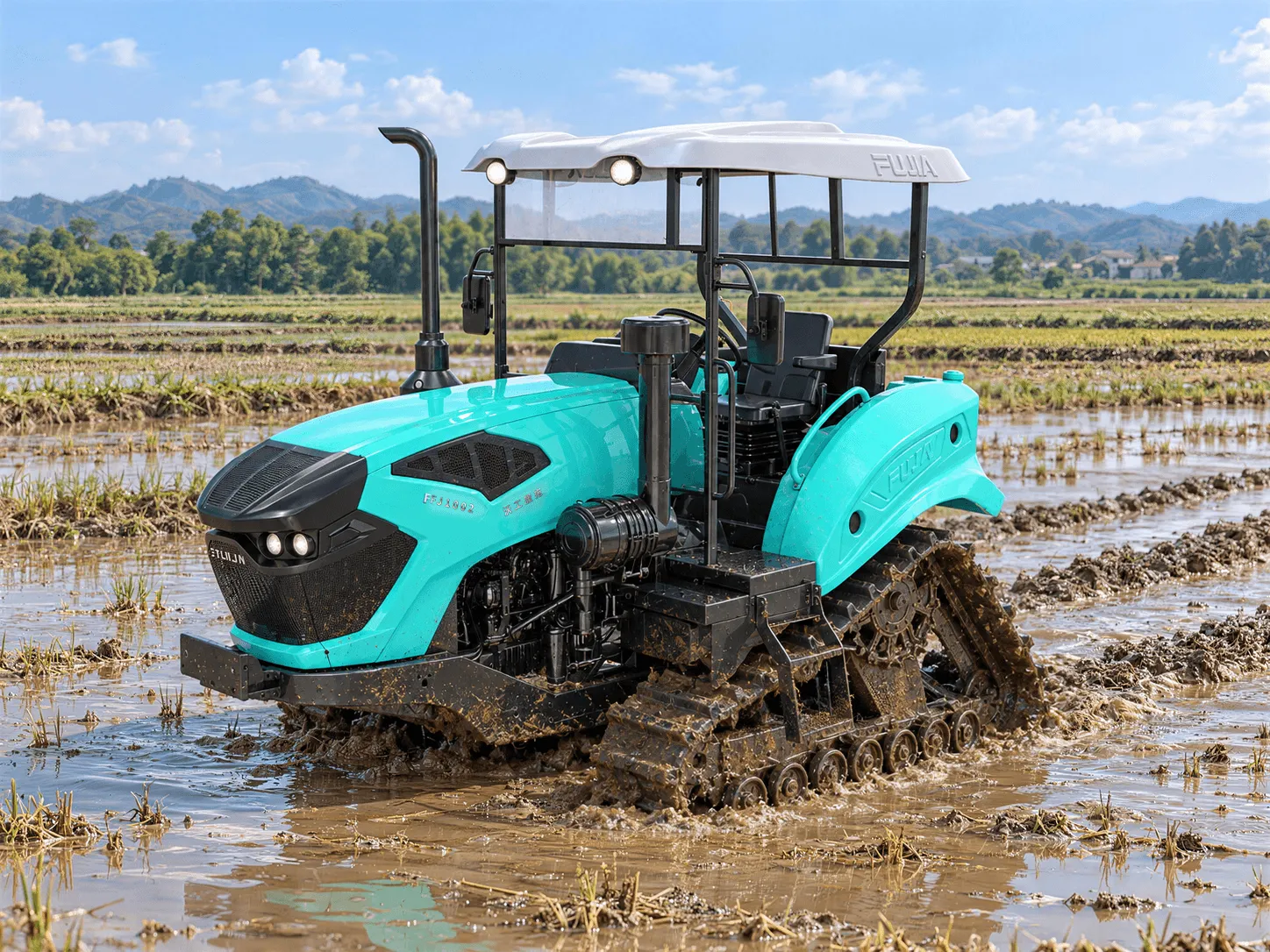
Paddy Field Crawler Tractor

What the Factory Profile Confirms—and What It Doesn’t

The available profile establishes three points that can guide an initial review: the company identifies as an agricultural machinery manufacturer and supplier, describes a 68,000 m2 smart manufacturing base, and highlights intelligent R&D. It also states that the business has served 150+ customers. These are company-level statements; they do not specify the small tracked tractor models, production lines, annual output, or the machinery and processes used to build them. Buyers should therefore separate general manufacturing credentials from evidence tied to the product being sourced. Ask whether small tracked tractors are part of the current product range, which model numbers are available, and whether the factory or another entity is responsible for assembly and final inspection. A product catalogue, specification sheet, and production-site overview can help establish the scope before a detailed technical assessment. If the supplier cannot identify the model and its responsible production location, the buyer has insufficient information to assess fit. Treat the stated manufacturing base and R&D focus as useful leads for discussion, then verify them against product-specific records rather than reading them as proof of a particular tractor capability.
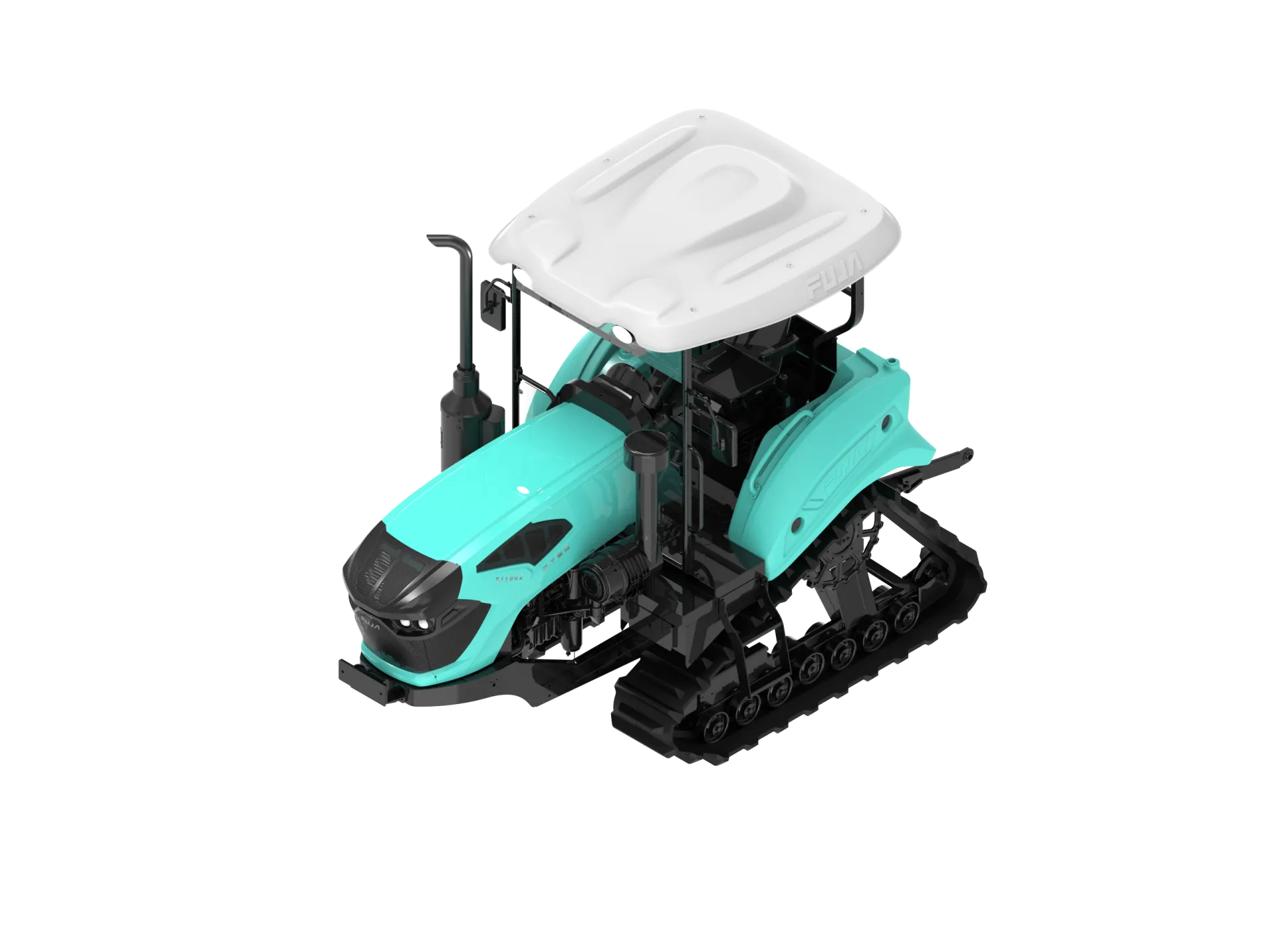

Paddy Field Crawler Tractor

Check Product Fit Before Advancing the Supplier

A small tracked tractor must suit the buyer’s intended work and operating conditions, but no product specifications or application details are available in the supplied company information. Do not infer engine type, power, dimensions, track configuration, attachment compatibility, terrain limits, or operating capacity from the factory’s general agricultural machinery profile. First define the work the machine needs to perform, the site conditions, and any transport or local compliance constraints. Then ask the factory for a model-specific data sheet and written confirmation of the relevant operating limits. Compare the offered configuration with the actual task, and record any assumptions that remain unresolved. For projects requiring attachments or a particular track setup, confirm compatibility in writing rather than relying on a general product description. If the supplier proposes a configuration, request the technical basis for that recommendation and identify which requirements are standard versus optional. This makes the review more useful than comparing headline claims alone. Where the documentation does not answer an application-critical question, keep the supplier at the information-gathering stage until the technical team has a verifiable response.

Paddy Field Crawler Tractor

Prepare a Clear Request for the Next Review Stage

Before inviting the factory to quote or arranging a supplier audit, send a focused request that ties every question to the intended small tracked tractor application. Ask for the current model range and specifications, confirmation of the manufacturing entity and site, applicable CE documentation for the offered model, and available quality-control or test records. The company profile states CE certification, but the certificate itself and its product scope have not been provided; request the document and verify that it matches the exact machine and destination market. If customization is being considered, describe the requested change and ask the factory to identify what it can confirm, what requires engineering review, and what documentation would be supplied. Avoid treating an unconfirmed modification as an available option. A practical next-step checklist is to collect the model data sheet, product-specific compliance evidence, inspection documents, and a written response to unresolved technical questions. These materials let procurement and engineering decide whether to request a formal quotation, conduct a deeper audit, or pause the review. No price, minimum order quantity, or delivery commitment is stated in the available information.

News

Industry updates

Products

Production modules

Why Choose Us

A Smart-Manufacturing Base to Put Through a Clear Review

The company’s stated profile gives prospective buyers several concrete areas to examine further: a 68,000 m2 smart manufacturing base, intelligent R&D focused on real-world challenges, a reported customer base of 150+, and stated CE certification. Together, these points provide a reasonable basis for an initial supplier conversation, but they should be verified against the specific small tracked tractor under consideration. Ask the company to connect its manufacturing and R&D capabilities to a current model, and request documentation that shows how product requirements, production checks, and final inspection are handled. For compliance, review the CE document and confirm its scope rather than relying on a general certification statement. The company also describes global service support; buyers should clarify the support channels and documentation available for their destination market before placing an order. No named customer references, audit results, service terms, or warranty details have been provided, so those should not be assumed. A supplier that can answer these questions with consistent, model-specific evidence is better positioned for further assessment than one relying only on broad capability claims.

FAQ

Common technical questions

Does the company currently manufacture small tracked tractors?

The available company information identifies it as an agricultural machinery manufacturer and supplier, but does not list small tracked tractor models. Ask for the current model range and confirm the responsible production site before proceeding.

What should I compare when reviewing two small tracked tractor offers?

Compare model-specific specifications against your task and operating conditions, then check which configuration and attachments are included. The company profile provides no tractor parameters, so request matching data sheets from each supplier rather than assuming specifications.

What documents should I request before a supplier audit?

Start with the product data sheet, applicable CE documentation for the exact model, and any available inspection or testing records. You can also ask for a production-site overview and clarification of the manufacturing entity; these materials are not included in the information provided here.

Can the factory customize a small tracked tractor for a particular application?

Customization capability has not been specified. Send the requested changes and intended use, then ask the factory to confirm feasibility and identify any supporting technical documents. Treat each modification as unconfirmed until the supplier responds in writing.

Need a solution for your project?

Share your product type, target capacity, and application requirements. Our team can review the details and recommend a practical next step.

Contact Us




