EN
 HR

How crawler tracks affect traction and ground contact
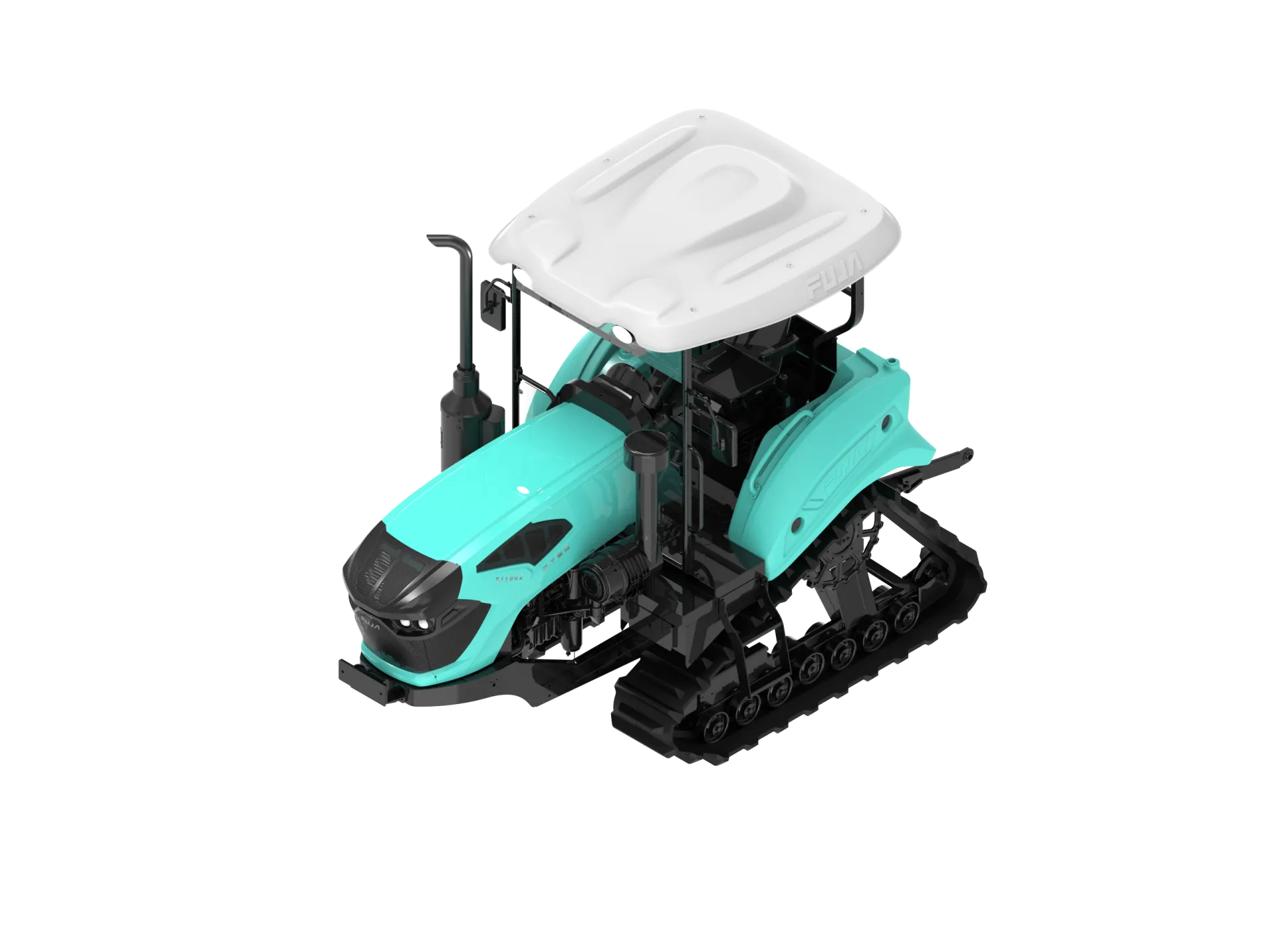
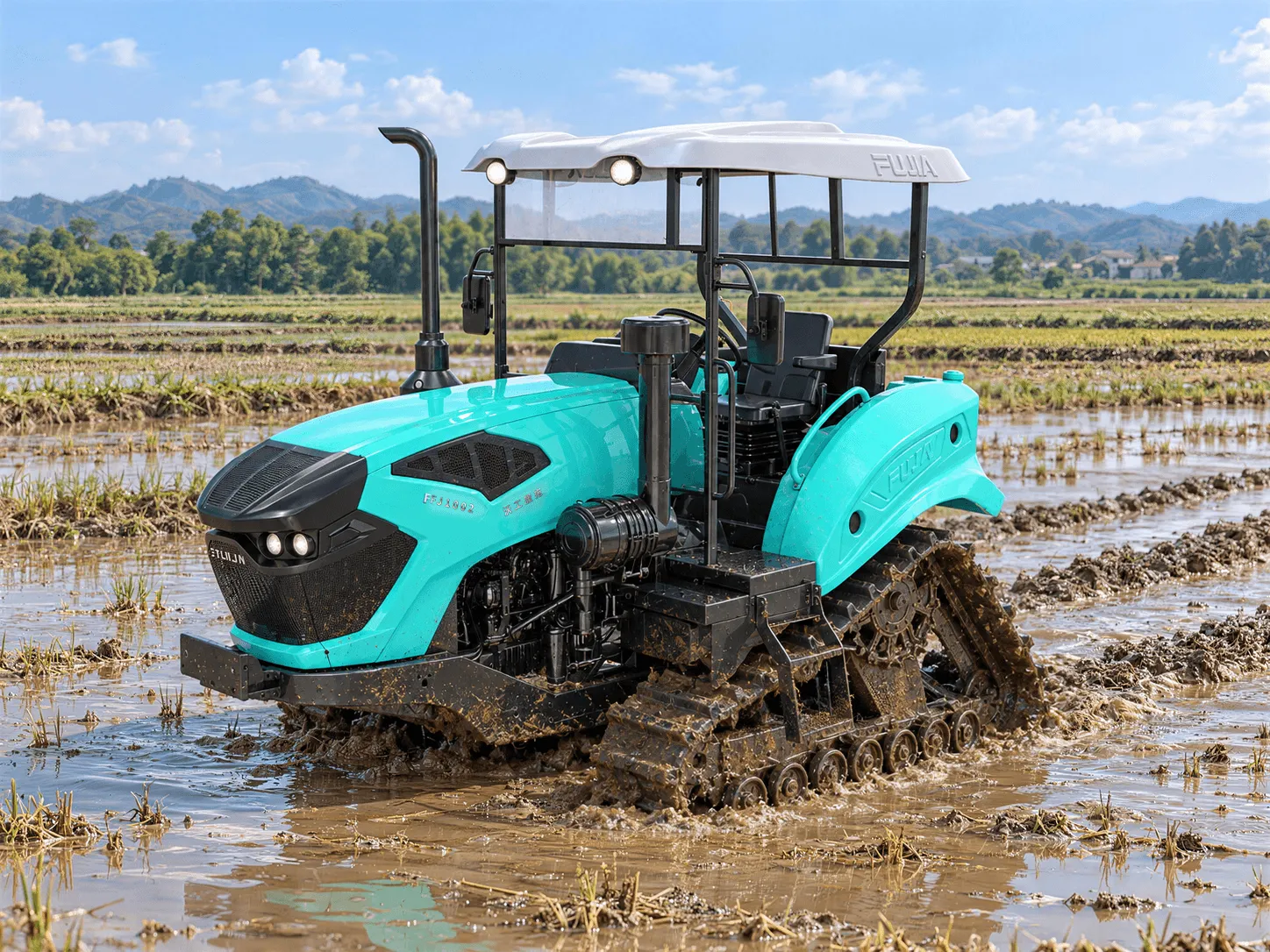
A crawler tractor uses continuous tracks rather than the separate wheels found on a conventional wheeled tractor. In general, the longer contact area can spread the machine’s weight over more ground and help it maintain traction on some soft or uneven surfaces. Actual performance still depends on machine weight, track design, ground pressure, power, operating technique and soil conditions. Tracks do not make a tractor immune to bogging, slipping or soil damage, and a crawler layout alone does not establish whether a machine can work in a particular field. For Malaysian agriculture, conditions can vary between plots and seasons, so the distinction matters: a wet lowland field, a compacted farm track and a sloping orchard are different operating environments. The manufacturer information provided identifies intelligent R&D and smart manufacturing, but gives no track dimensions or ground-pressure figures for a specific model. Ask for documented machine specifications and guidance for the intended surface. Treat track-related benefits as a reason to investigate fit, not as a substitute for checking the tractor’s rated capabilities and the condition of the ground.