EN
 HR

How a Tracked Agricultural Tractor Moves
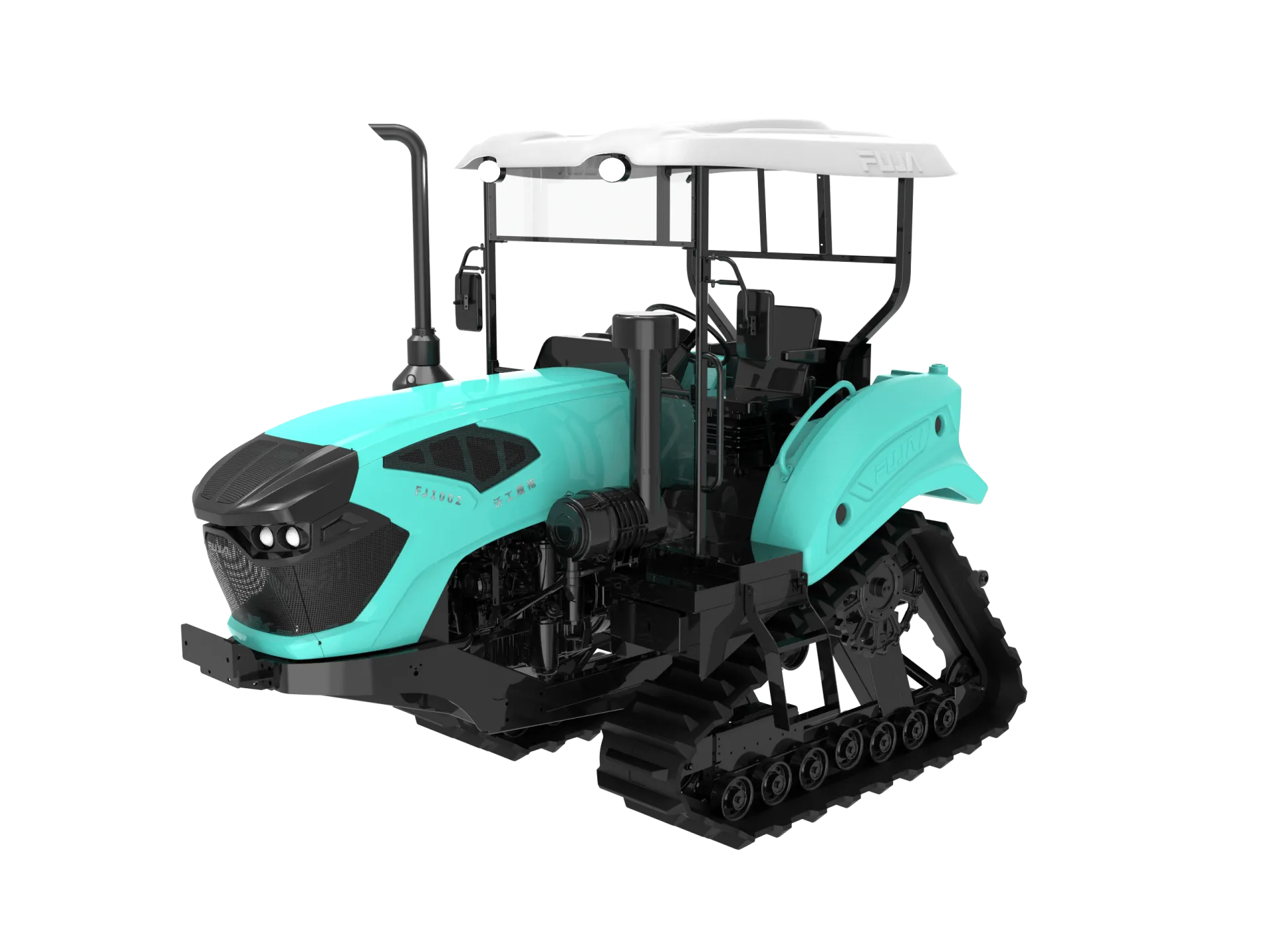
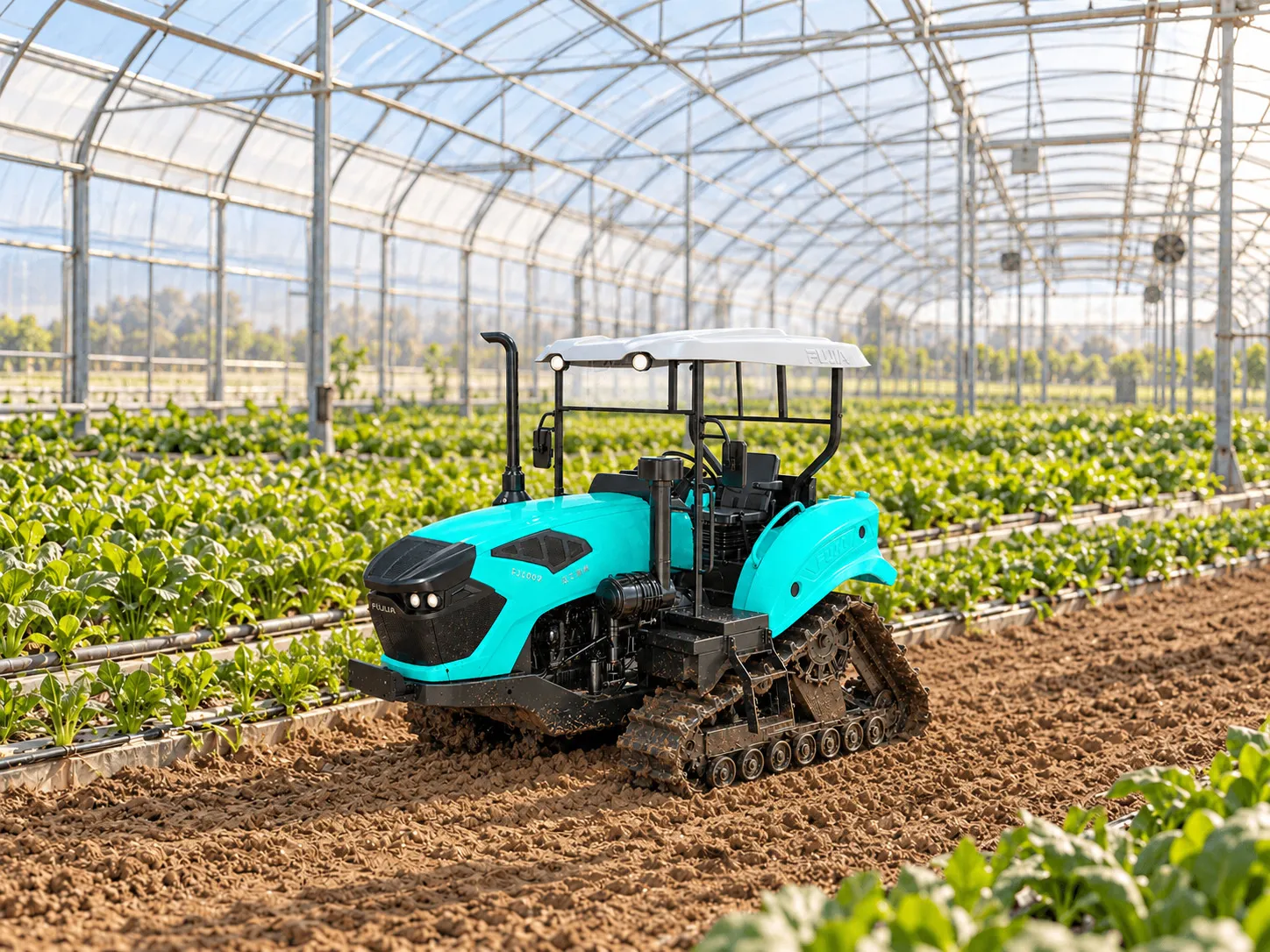
A tracked tractor propels itself through continuous tracks that run around wheels or rollers, rather than relying on separate tires. This broad layout can distribute the machine’s weight over a longer contact area, but the actual ground interaction depends on track width, track length, machine weight, soil, and operating conditions. Those dimensions are not available for the tractor referenced by this keyword, so buyers should not assume a particular ground pressure or traction advantage. The category can include machines with very different chassis layouts and implement connections; the word “small” alone does not identify a standard size class. Ask the supplier for a drawing or datasheet showing overall dimensions, track arrangement, weight, powertrain, and the intended method of attaching implements. If work requires turning in confined rows, also ask for the manufacturer’s turning and clearance information rather than inferring maneuverability from the tracked design. The manufacturer describes intelligent R&D as a way to address real-world design challenges, but no model-specific construction details were provided. A technical discussion should therefore begin with the exact machine identity and documentation, then relate its structure to the task.