EN
 HR

How Track Drive Changes Field Mobility
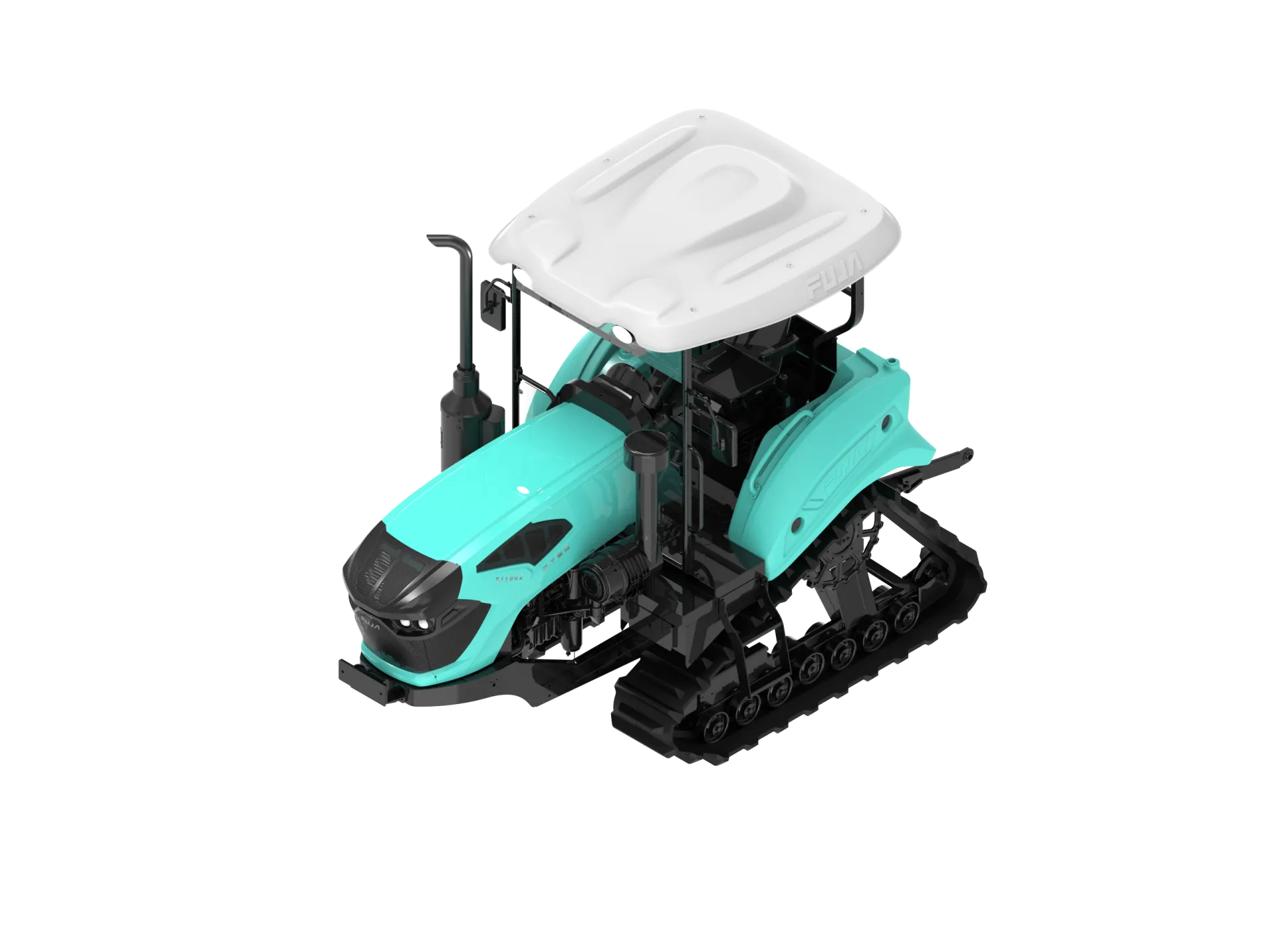
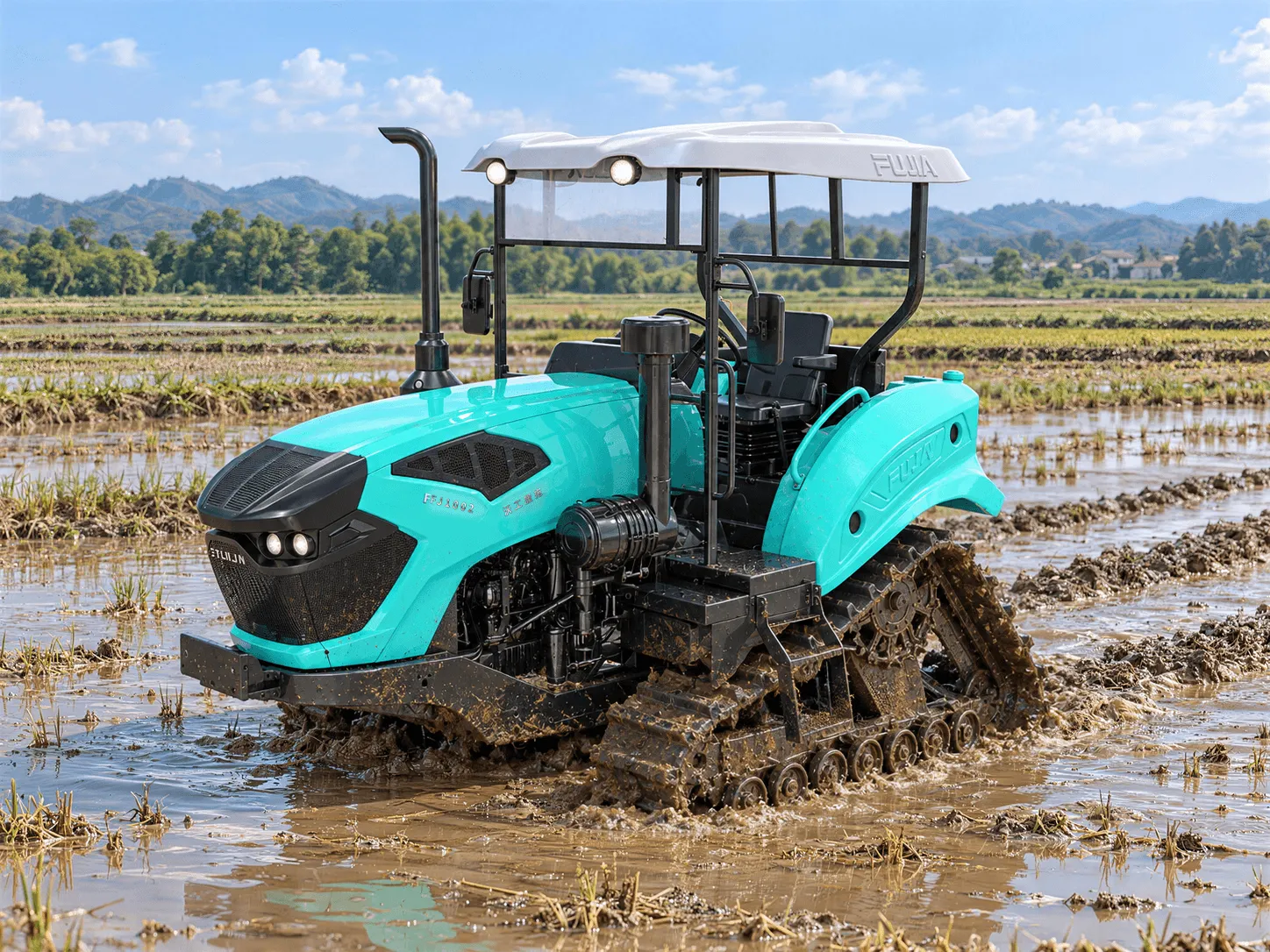
A tracked tractor distributes its contact with the ground across tracks instead of relying on tires. That design can be relevant where buyers are considering traction and ground contact as part of the machine’s role, but it does not by itself prove suitability for every wet, steep, soft, or confined site. Actual performance depends on the tractor’s design, track dimensions, weight, power, implements, and operating conditions; none of those model-specific details were included in the supplied product information. The manufacturer describes intelligent R&D aimed at real-world challenges, which is a useful starting point for asking how a proposed machine is engineered for its intended work. Request a technical datasheet and ask the supplier to explain the drive layout, track specification, turning behavior, and any stated operating limits for the offered model. If possible, provide photographs or a description of the field and access routes so the discussion addresses the real task rather than relying on the broad label “small tracked tractor.” Keep claims about soil protection, slope capability, or traction tied to documented specifications or a demonstration of the exact configuration.