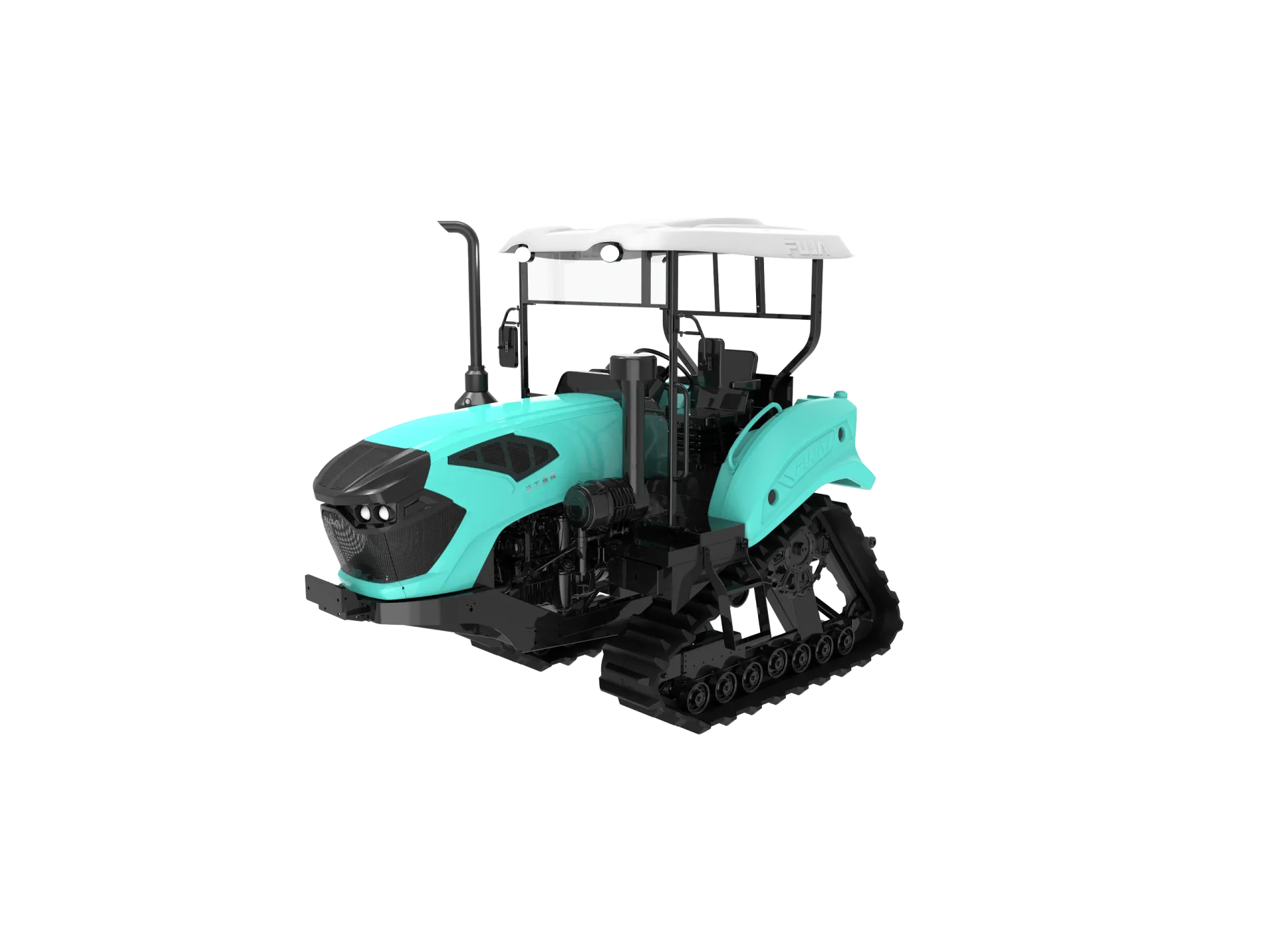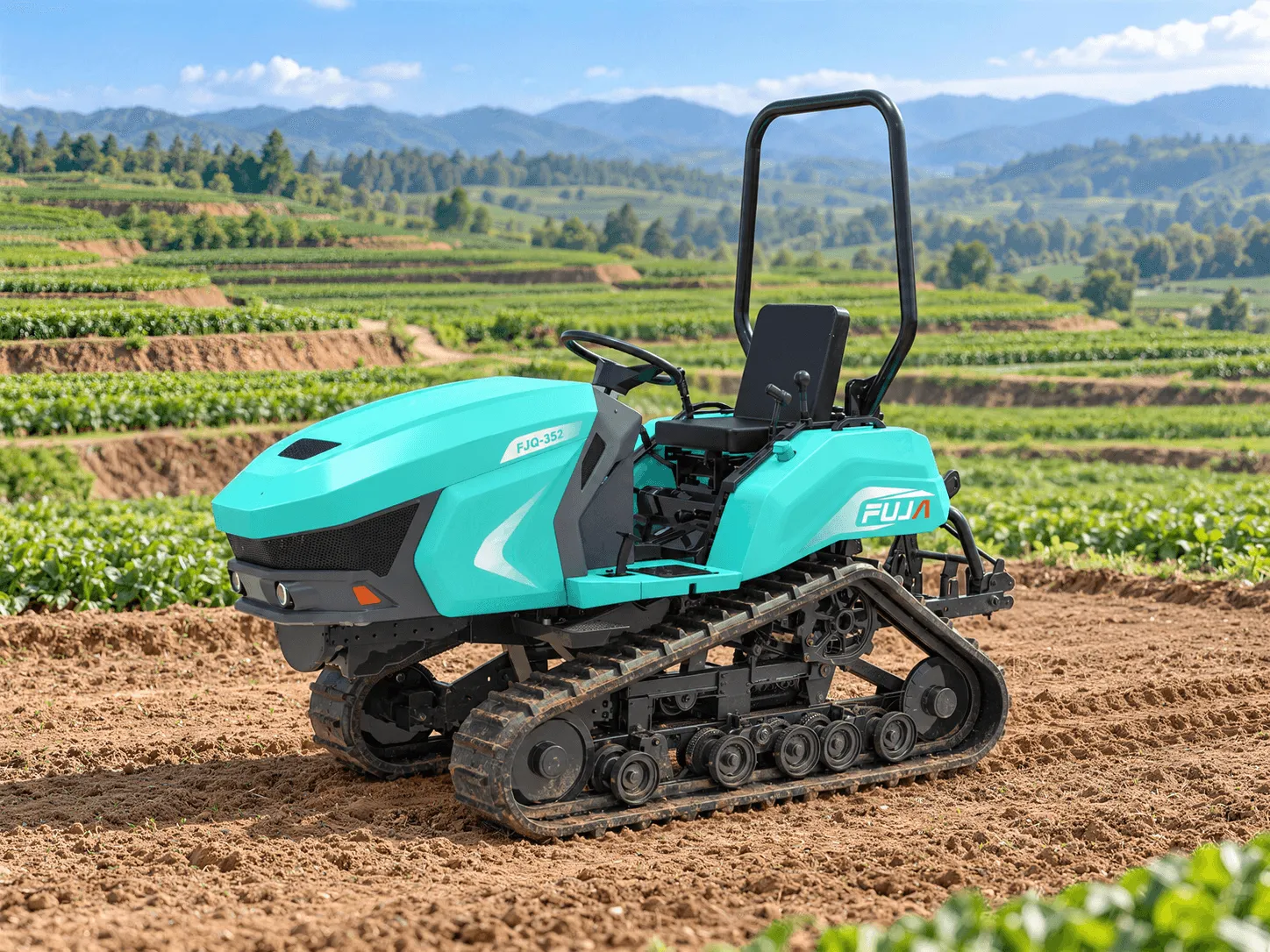
Home » track tractors in Argentina

Track Tractors in Argentina for Demanding Field Conditions

track tractors in Argentina

Track tractors in Argentina are considered by farms and agricultural contractors that need to work across soil conditions where traction, ground pressure, or field access matter. The right machine depends on more than the country or crop: buyers should assess soil type, seasonal moisture, terrain, implement requirements, annual operating hours, and available maintenance support. This page is for Argentine buyers comparing tracked agricultural machinery and preparing a technical discussion with a manufacturer or supplier. The manufacturer behind this offer describes its position as high-end and innovation-focused, with a 68,000 m² smart manufacturing base, intelligent R&D, and experience serving more than 150 customers. However, no model list, engine data, dimensions, track configuration, or Argentina-specific application details were supplied. Those details should be confirmed before comparing machines or requesting a quotation. Use the questions below to define the work the tractor must perform, then ask the supplier to confirm model specifications, compatible equipment, documentation, and the conditions under which the machine is intended to operate.

Technical Detail

Configured around process stability, mold life, and long-term uptime.

A track tractor is an agricultural tractor that uses a tracked undercarriage instead of conventional wheels to move and work in the field. For buyers in Argentina, it may be worth evaluating where soil conditions, field access, or traction requirements make a tracked machine relevant to the operation. Suitability cannot be established from the product category alone: performance depends on the specific model, its operating weight and track design, the implement being used, and the condition of the ground. No tractor model or technical datasheet was provided for this page, so engine output, working width, track dimensions, ground pressure, fuel use, and attachment compatibility cannot be stated as product facts. The manufacturer identifies itself as a high-end agricultural machinery supplier, with a 68,000 m² smart manufacturing base and an intelligent R&D function focused on practical design challenges. It also reports serving more than 150 customers. These are company-level details, not specifications for a particular track tractor. Buyers should request the exact model documentation and verify that the stated configuration matches their intended operation in Argentina. The company lists CE among its certifications; confirm which product and documents the certification covers before relying on it for a purchase or compliance decision. A useful first step is to provide the supplier with the tractor’s main tasks, field conditions, implement requirements, and expected operating schedule so that any proposed machine can be assessed against the actual job.

Mini Crawler Tractor

How a Tracked Agricultural Tractor Works

A track tractor transfers its weight to the ground through a continuous track system rather than a set of conventional tires. That difference changes how the machine contacts the soil and how it moves under load. The practical result depends on the complete configuration: track design, operating weight, power delivery, steering arrangement, and the implement attached to the tractor all affect field behavior. A tracked undercarriage does not by itself establish that a machine will suit every soft, uneven, or sloping field. Buyers need the model’s technical documentation and operating limits to understand what the equipment is designed to do. The manufacturer describes an intelligent R&D function aimed at smarter design for real-world challenges, but no undercarriage drawings, track measurements, or tractor specifications were supplied here. Ask for the relevant technical data rather than assuming that all track tractors use the same layout or offer the same performance. For a useful comparison, request details on the track system, rated operating conditions, turning method, and approved implement interfaces for the specific model under consideration.
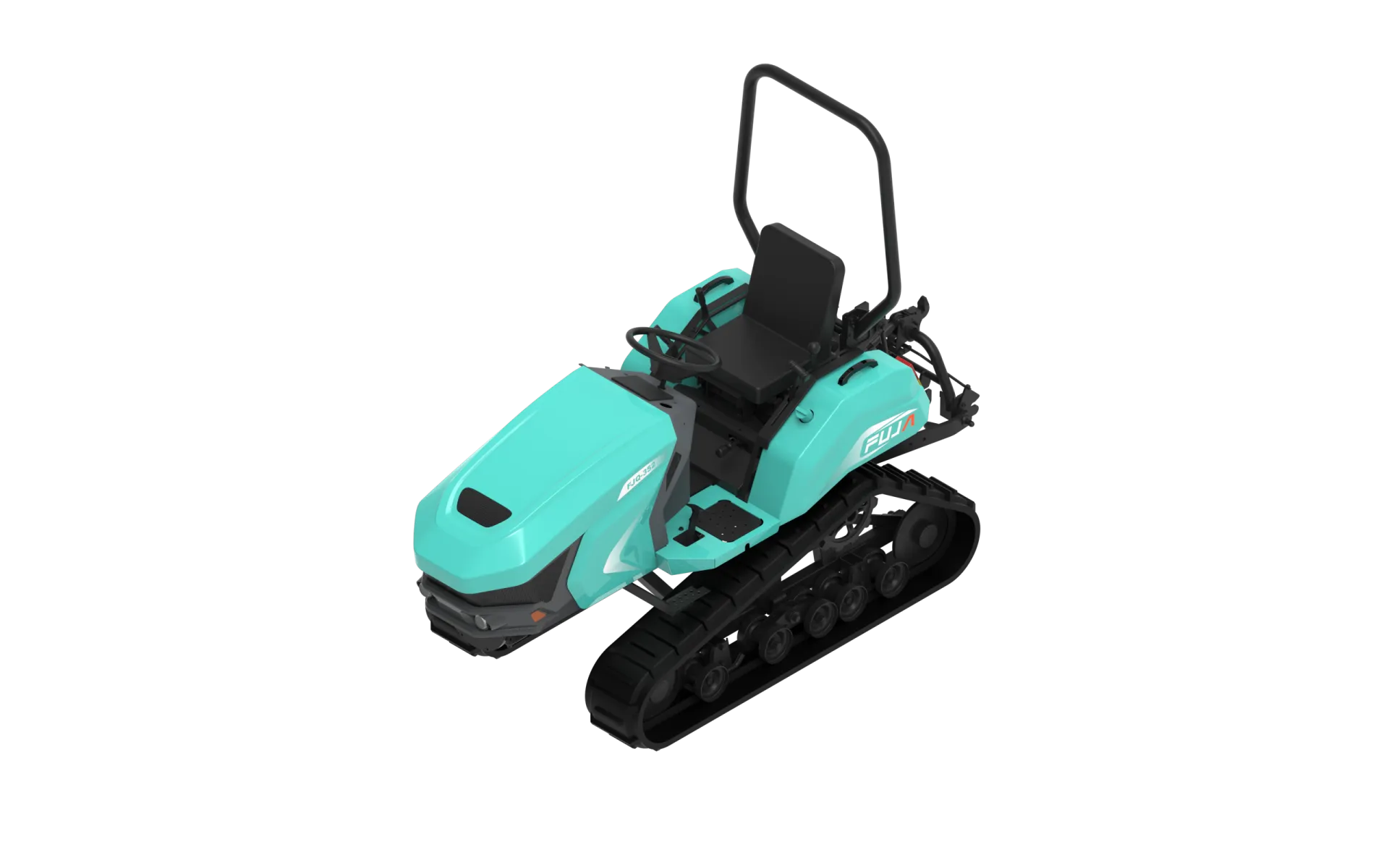

Mini Crawler Tractor

Check Argentine Field Conditions Before Assessing Fit

A track tractor should be assessed against the fields and tasks where it will actually work. Start with the ground: note soil type, moisture changes through the season, slopes, headland space, and any access routes that constrain machine width or turning. Then list the main jobs, such as pulling the implements used on the farm, and record their working requirements. These details help determine which model data matter; without them, a general claim about traction or soil suitability is not a reliable basis for selection. No Argentina-specific operating limits, crop recommendations, or field-condition ratings were provided for this product. Ask the supplier to identify the intended operating conditions for each offered configuration and to explain any restrictions. Also check whether the tractor can travel between fields and work sites using the routes and transport arrangements available to you. If a proposed machine’s dimensions, weight, or implement compatibility do not match the operation, the purchase may create practical constraints even when the tractor category appears appropriate. Treat fit as a model-and-job assessment, not a country-level assumption.

Mini Crawler Tractor

Prepare a Useful Track Tractor Inquiry

Before contacting the supplier, assemble a short technical brief so that a proposed configuration can be checked against the job. Include the farm location in Argentina, the principal field tasks, typical soil and seasonal moisture conditions, terrain, annual use expectations, and the implements the tractor must operate. Add any site limits, including access width, storage constraints, and transport arrangements. Then ask for the exact model designation and a current datasheet covering engine output, operating weight, track dimensions, overall dimensions, operating limits, and compatible implements. These figures have not been provided for the tractors discussed on this page, so they should be supplied and verified by the manufacturer rather than inferred. Request confirmation of which CE documentation applies to the specific machine, along with the documents available for import and use in your intended market. The manufacturer states that it serves more than 150 customers and has a smart manufacturing base, but those company details do not replace model-level evidence. A clear inquiry lets both sides identify missing information before discussing a final configuration or commercial offer.

News

Industry updates

Products

Production modules

Why Choose Us

Manufacturer-Led Support for Track Tractor Evaluation

The supplier presents itself as a high-end agricultural machinery manufacturer with an innovation-focused approach. Its stated resources include a 68,000 m² smart manufacturing base and an intelligent R&D function intended to address practical machinery challenges. For a buyer evaluating track tractors, these details can inform an initial supplier discussion, but they are not substitutes for evidence about a specific model. Ask for the machine’s datasheet, configuration details, applicable operating limits, and documentation before making a technical comparison. The company also reports serving more than 150 customers, providing broad company-level context without naming particular projects or claiming results for Argentine farms. CE is listed among the brand’s certifications; buyers should confirm the scope and product coverage of the relevant certificate and request copies of applicable documents. Global service is a stated company strength, but Argentina-specific parts availability, technical support arrangements, and response terms were not supplied. Confirm those points directly, including the process for obtaining service information and replacement parts. This evidence-led approach helps buyers assess the manufacturer’s capabilities while keeping the purchase decision grounded in verifiable tractor and support details.

FAQ

Common technical questions

What specifications should I compare between track tractor models?

Compare the exact model’s engine output, operating weight, track dimensions, overall dimensions, implement compatibility, and stated operating limits. No model-specific figures were supplied here, so request the current datasheet and compare machines against the same field tasks.

Are track tractors suitable for every farm in Argentina?

Not automatically. Suitability depends on the farm’s soil, seasonal moisture, terrain, access, implements, and operating schedule. Ask the supplier to confirm the intended conditions and limitations of the specific model against your farm’s requirements.

What should I include when requesting a quotation?

Provide your location, intended tasks, field conditions, implements, annual use expectations, and any transport or access constraints. Request the model designation, technical datasheet, proposed configuration, applicable CE documents, and details of available service and parts support for your market.

Does the listed CE certification confirm that every track tractor model is covered?

The brand lists CE, but the information provided does not identify which products or configurations the certification covers. Ask for the relevant certificate and confirm that it applies to the exact model and configuration being considered.

Need a solution for your project?

Share your product type, target capacity, and application requirements. Our team can review the details and recommend a practical next step.

Contact Us