Home » Rice Seeding Machine supplier

Rice Seeding Machine Supplier for Supplier Review

Rice Seeding Machine supplier

Choosing a rice seeding machine supplier starts with evidence that the business can support a serious technical and commercial review. Agricultural Machinery Manufacturer & Supplier presents a 68,000 m² smart manufacturing base, intelligent R&D, and global service as part of its supplier profile. The company also lists CE certification. These details provide useful starting points, but they do not establish which rice seeding machine models are available, what specifications they meet, or which documents apply to a particular order. Buyers should confirm those points directly before comparing offers. This page is intended to help procurement and engineering teams decide what to verify next: the supplier’s relevant product scope, the evidence behind its manufacturing and quality claims, and the information needed for a technically meaningful inquiry. Rather than assume a machine configuration, ask the supplier to identify the proposed model and provide applicable technical documents. A clear response to those questions can help determine whether the supplier merits a deeper audit or a formal quotation request.

Technical Detail

Configured around process stability, mold life, and long-term uptime.

Agricultural Machinery Manufacturer & Supplier positions its operations around a 68,000 m² smart manufacturing base and intelligent R&D. For a buyer researching a rice seeding machine supplier, these are useful company-level indicators to verify during supplier qualification; they are not, by themselves, proof of a specific machine’s design, capacity, or suitability for a given rice-growing system. The company describes its R&D focus as smarter design for real-world challenges and its manufacturing approach as precision builds reliable performance. Ask how those principles apply to the rice seeding machine under consideration, and request model-specific specifications rather than relying on general company statements. The brand also lists CE certification. Before treating that as relevant to a purchase, confirm the certificate’s scope, the named manufacturer and model, and whether it applies to the machine and destination market in your project. The supplier profile cites 150+ customers and global service, but does not specify customer references, service locations, response terms, or support arrangements for a particular market. Those details should be established in writing. Since no product range, machine parameters, or quality inspection records are provided here, the next step is document-based verification: request the available rice seeding machine models, technical files, applicable conformity documents, and evidence of inspection for the exact configuration being quoted. This gives procurement teams a factual basis for deciding whether to proceed with an audit or inquiry.

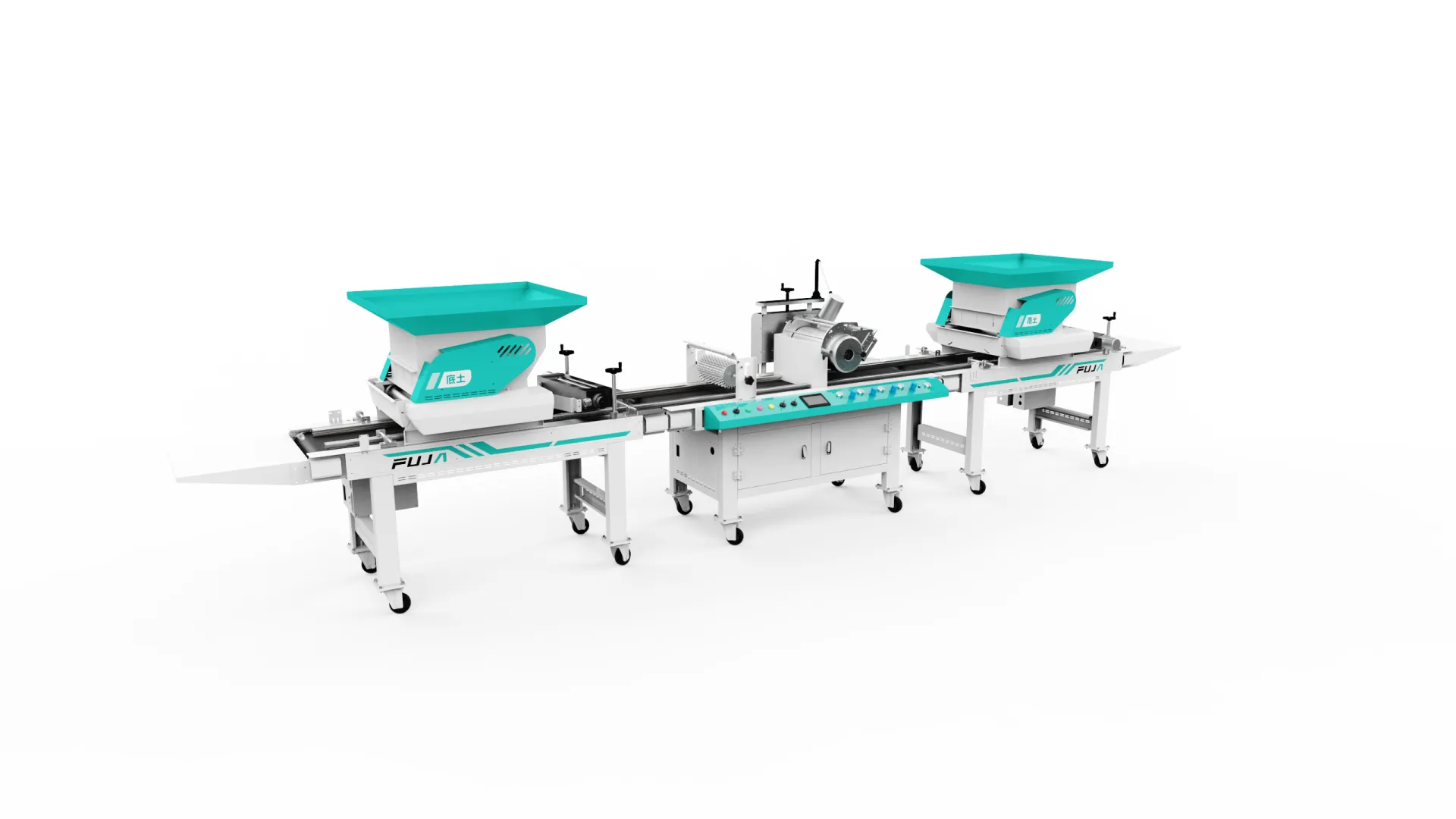
High-speed Seedling Sowing Line

What to Verify About the Manufacturing and Quality Process

A stated 68,000 m² smart manufacturing base gives buyers a reason to ask how the production system works, but the company profile does not describe individual production steps, equipment, or inspection checkpoints. Treat manufacturing capability as a topic for evidence gathering rather than an assumption. Ask whether the rice seeding machine is produced at this site and which stages are performed there. Then request a process overview that identifies incoming-material checks, in-process controls, and final inspection, if those records are available for the proposed model. Ask what inspection criteria are used and whether the supplier can share a sample inspection record with sensitive commercial details removed. The company describes precision manufacturing and intelligent R&D, but no tolerances, test methods, or test results are specified in the available information. Those should be confirmed against the machine configuration being discussed. If a factory visit or remote audit is possible, align the review with the documents first: compare the stated process with the records and the machine’s identification details. This approach helps a buyer distinguish general manufacturing claims from controls that can be demonstrated for the product in scope.
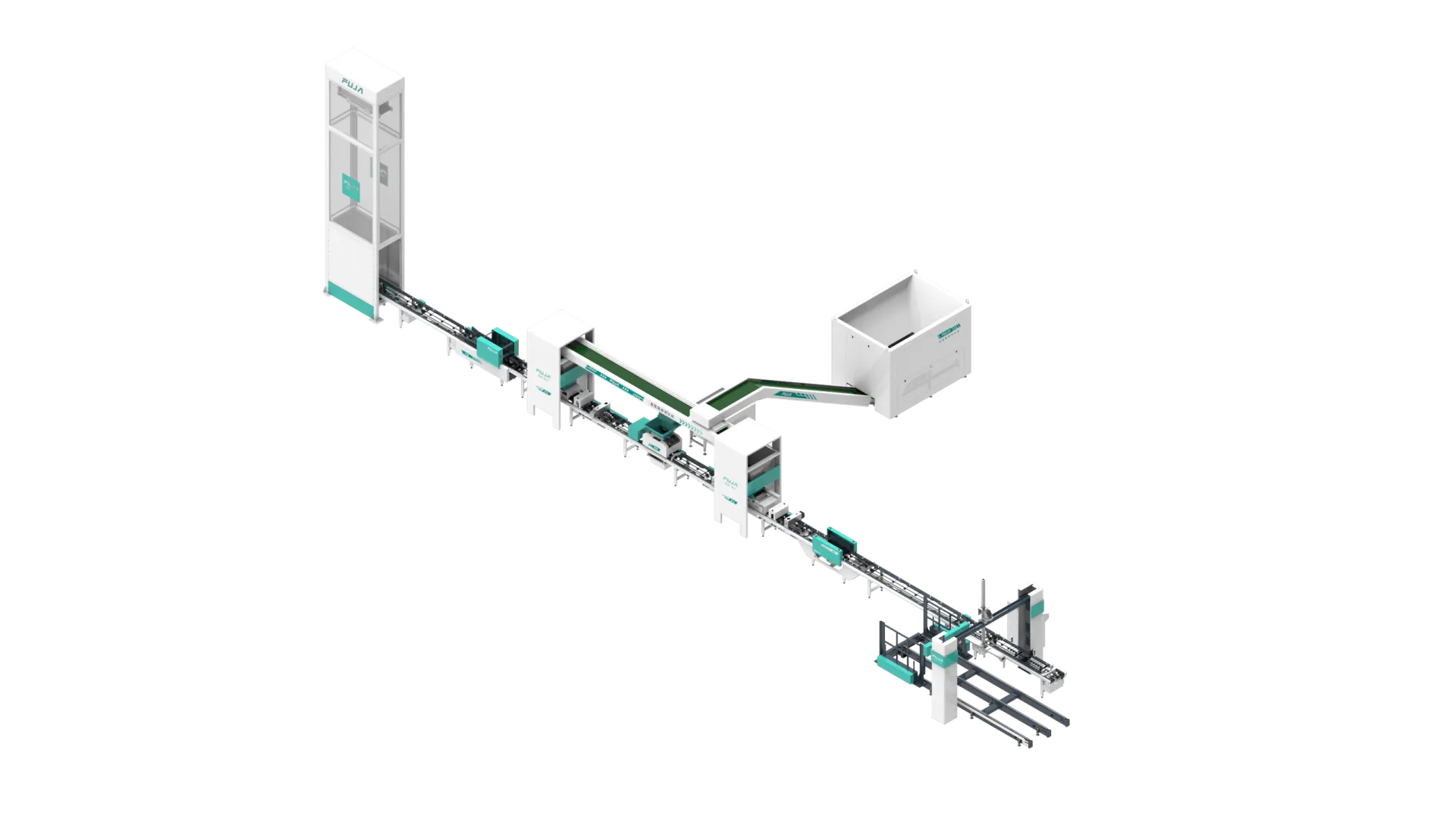

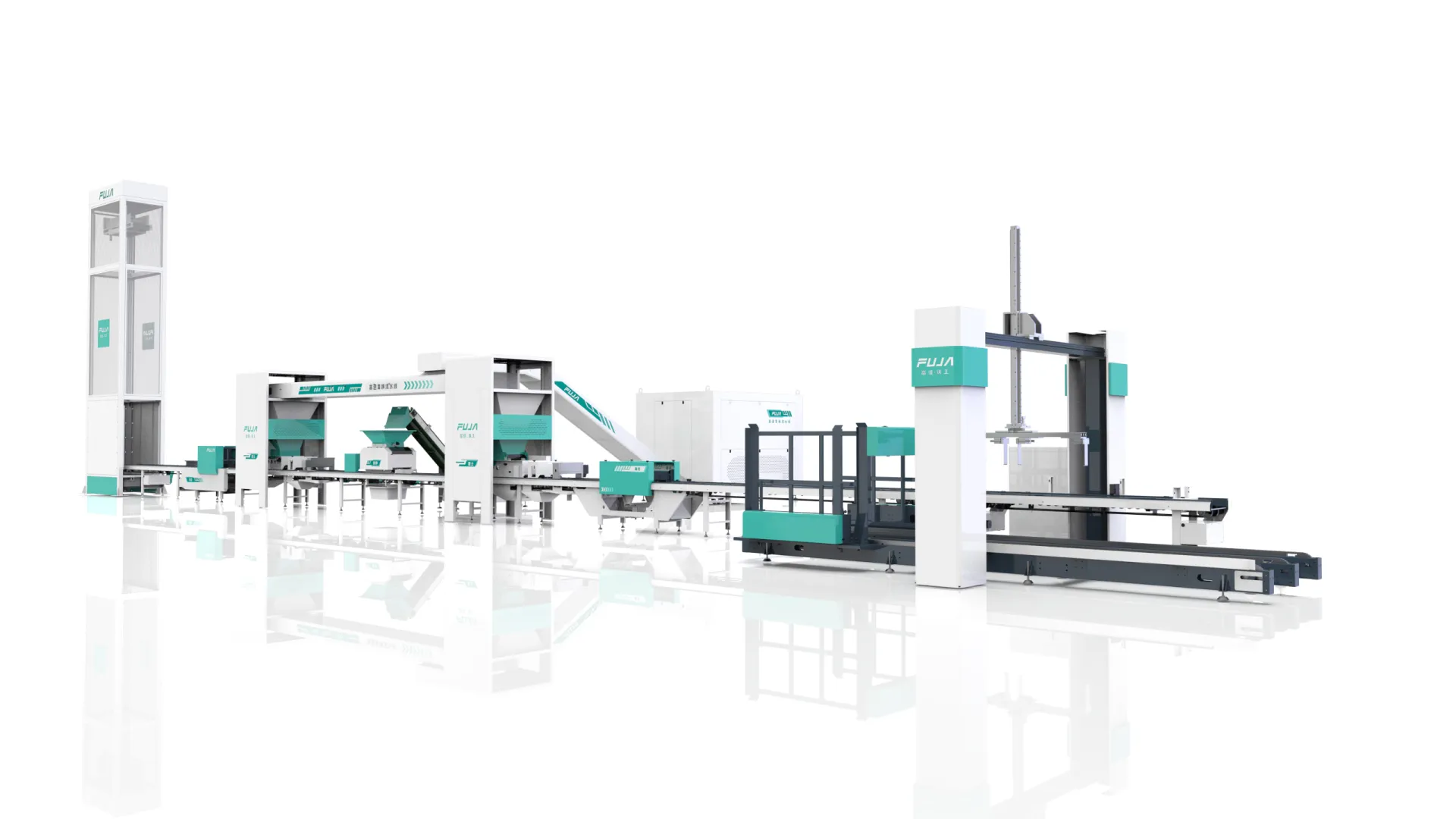
High-speed Seedling Sowing Line

Check Whether the Supplier Fits Your Project Requirements

A supplier may have substantial manufacturing capacity and still require technical clarification before it can be considered for a particular rice-seeding project. No machine models, operating specifications, or supported planting systems are listed in the available product information, so buyers should not infer compatibility from the supplier’s name or company profile. Define the conditions that matter for your operation, such as the intended planting method, field conditions, tractor or power arrangement if applicable, and the output or working capacity required. Share those requirements and ask the supplier to respond against each item for a named model. Separate confirmed capabilities from options that need further engineering review. If the response uses broad terms such as “suitable” or “customizable,” request the relevant specification or written explanation. The company’s R&D positioning may be relevant when a project has specific requirements, but no customization boundaries are stated; confirm what can be changed and whether proposed changes affect compliance or validation. A practical evaluation outcome is a documented fit-gap list: requirements met, requirements not met, and items still awaiting evidence. That lets engineering and procurement decide whether further review is justified without assuming unlisted product capabilities.

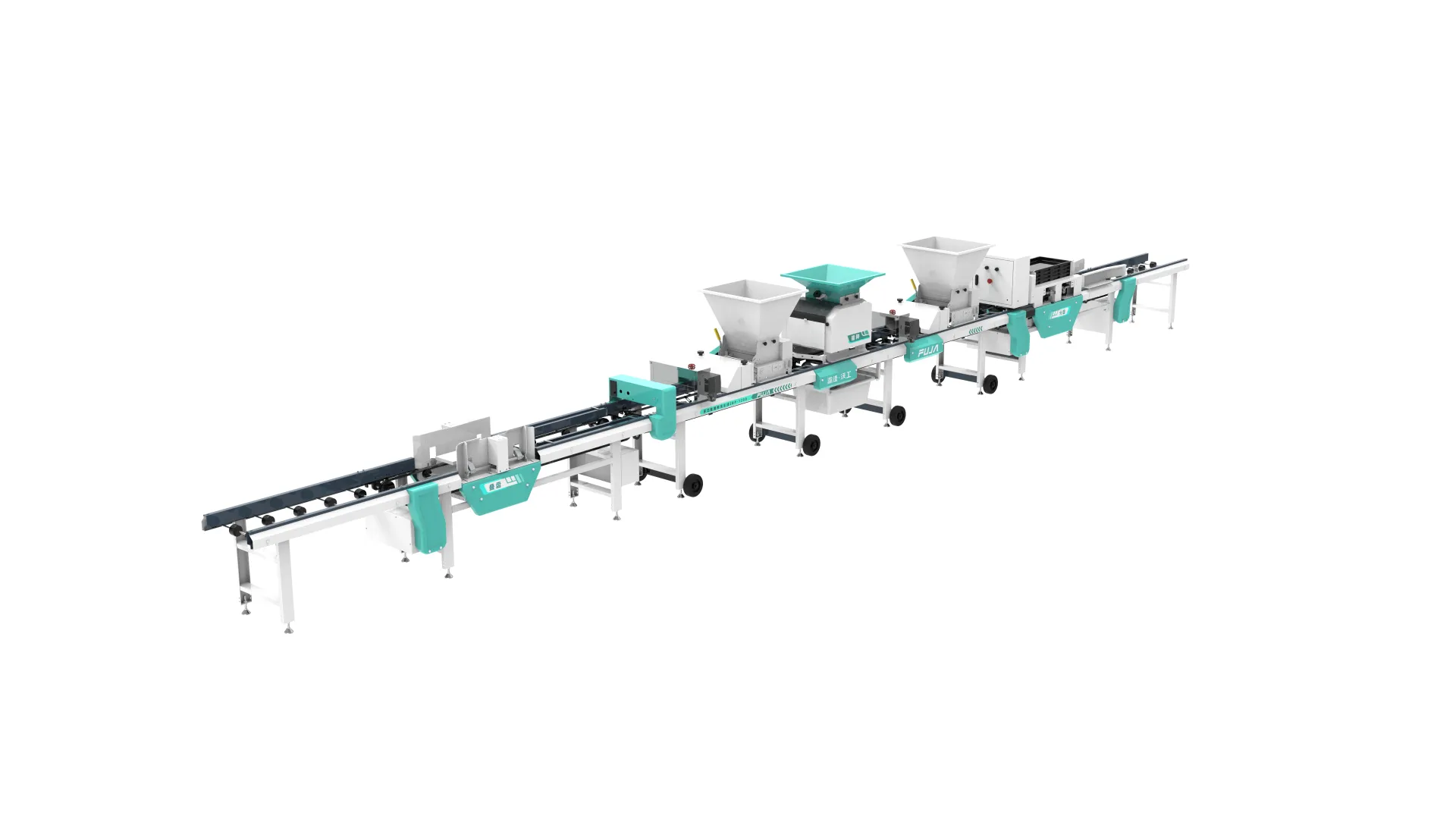
High-speed Seedling Sowing Line

Prepare a Documented Inquiry Before Requesting a Quote

A focused inquiry helps the supplier identify the right rice seeding machine configuration and gives your team a record to use during review. Include your destination country, intended use, planting method, operating conditions, required capacity, and any interface or power requirements that apply. Ask the supplier to identify the exact model it proposes and return its available specifications, drawings or product literature, and applicable CE documentation. The company lists CE certification, but the available information does not identify the certificate number, covered models, or scope; request the relevant document and check that its details match the offer. Also ask which quality or final-inspection records can be supplied for the quoted configuration, and whether user or maintenance documentation is available. For export planning, confirm which shipping and customs documents the supplier can provide for your destination rather than assuming a standard package. The company states that it offers global service, but no specific service terms or local coverage are given, so ask what support is available in your market and how requests are handled. Keep responses tied to the model and project requirements; this makes the next decision—technical review, audit, or continued sourcing—more defensible.

News

Industry updates

Products

Production modules

Why Choose Us

A Supplier Profile Buyers Can Put to the Test

Agricultural Machinery Manufacturer & Supplier offers several concrete points for an initial supplier screen: a stated 68,000 m² smart manufacturing base, intelligent R&D, a customer base described as 150+, and CE certification listed in its brand information. The company also describes precision manufacturing and global service. These claims give procurement teams specific subjects to validate, rather than requiring a decision based only on general sales language. Request documentation that connects the proposed rice seeding machine to its manufacturer, production location, inspection evidence, and applicable conformity documents. Ask the R&D team or sales contact to explain how the proposed configuration addresses your stated operating requirements, since no model-level technical information is supplied here. For the CE claim, verify the certificate scope and model coverage before treating it as evidence for your purchase. For global service, confirm the actual support available in your destination market. The available profile does not establish particular service response times, customization options, or export arrangements, so these should be agreed and recorded during qualification. A supplier review built around named models and verifiable documents will show whether the company’s stated capabilities match the needs of your project.

FAQ

Common technical questions

Does the listed CE certification cover the rice seeding machine I plan to buy?

The available brand information lists CE certification but does not identify the covered models or certificate scope. Request the applicable document and confirm that its manufacturer, model, and scope match the machine being offered.

Can this supplier provide a rice seeding machine for my planting system and field conditions?

No product models or operating specifications are provided here, so compatibility cannot be confirmed from the company profile alone. Send your planting method, field conditions, and required capacity, then ask for a model-specific written response.

What should I request before arranging a supplier audit?

Start with the proposed model’s technical documents, manufacturing-process overview, available inspection records, and applicable conformity documents. Use them to define what needs to be checked during an onsite or remote review.

What information should I include in a first inquiry?

Include your destination market, intended use, operating conditions, planting method, required capacity, and any relevant power or interface requirements. Ask the supplier to identify a model and state which requirements are confirmed or still need technical review.

Need a solution for your project?

Share your product type, target capacity, and application requirements. Our team can review the details and recommend a practical next step.

Contact Us