EN
 HR


How Track Design Relates to Field Performance
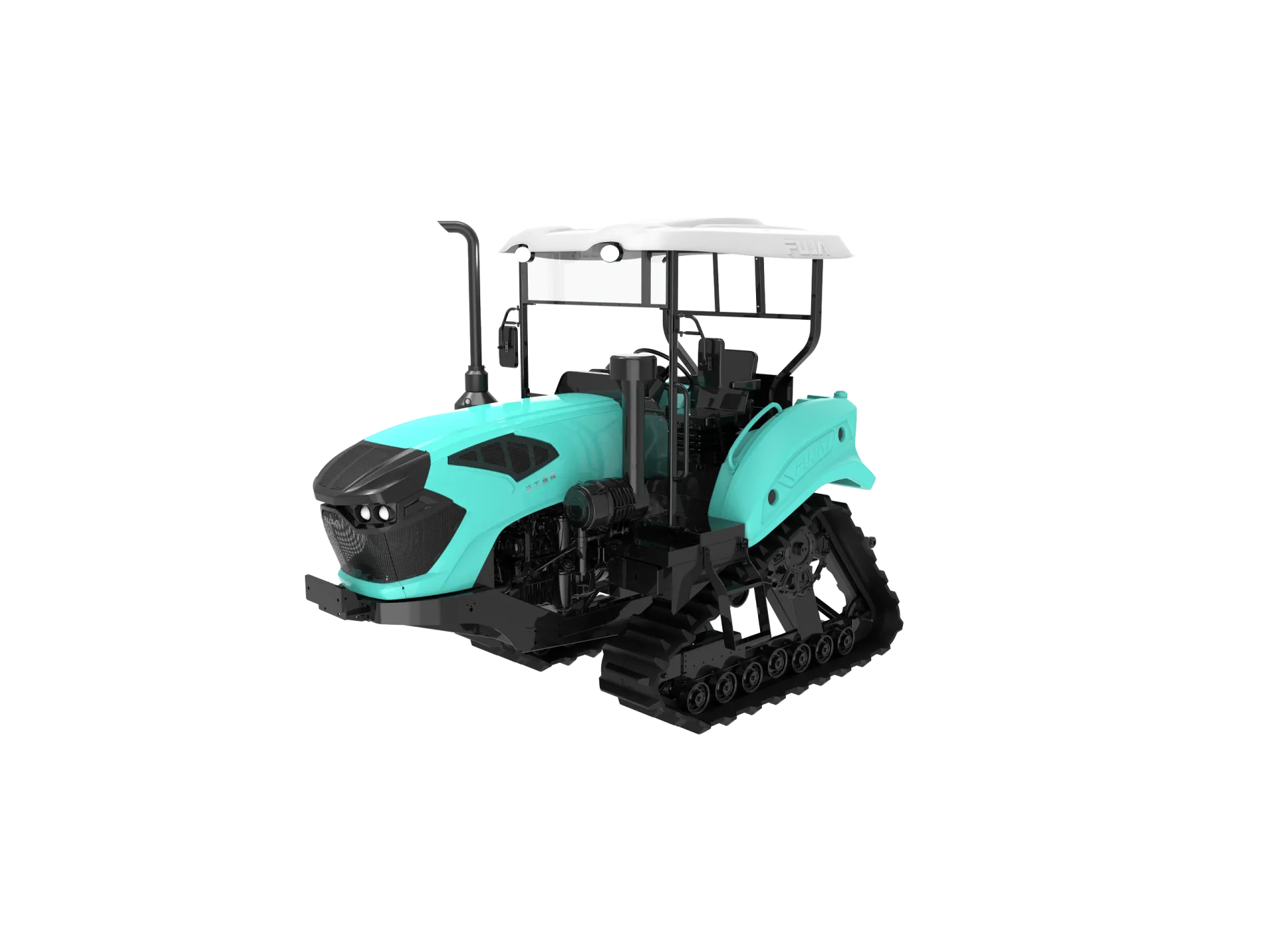
A tracked tractor moves on continuous tracks rather than relying on individual tires for ground contact. In general, this changes how the machine transfers force to the soil and how it may travel over uneven ground. Actual traction, soil pressure, turning behavior, and field impact are determined by the complete machine design, including its weight, track geometry, powertrain, and operating setup. No drawings or specifications for the supplier’s tracked tractor have been supplied, so those performance characteristics cannot be stated for a particular model. For a technical review, request a model-specific datasheet and, where available, track and undercarriage information. Ask the supplier to identify the intended operating conditions and any limits described in the documentation. This is especially useful when comparing tracked and wheeled machines: a general description of track technology is not a substitute for measured specifications or a field assessment. The relevant question is not simply whether a tractor has tracks, but whether the documented machine and its configuration suit the soil, terrain, and task. Keep model-specific claims separate from general explanations until the manufacturer confirms them in writing.