EN
 HR

How a Tracked Tractor Delivers Ground Contact
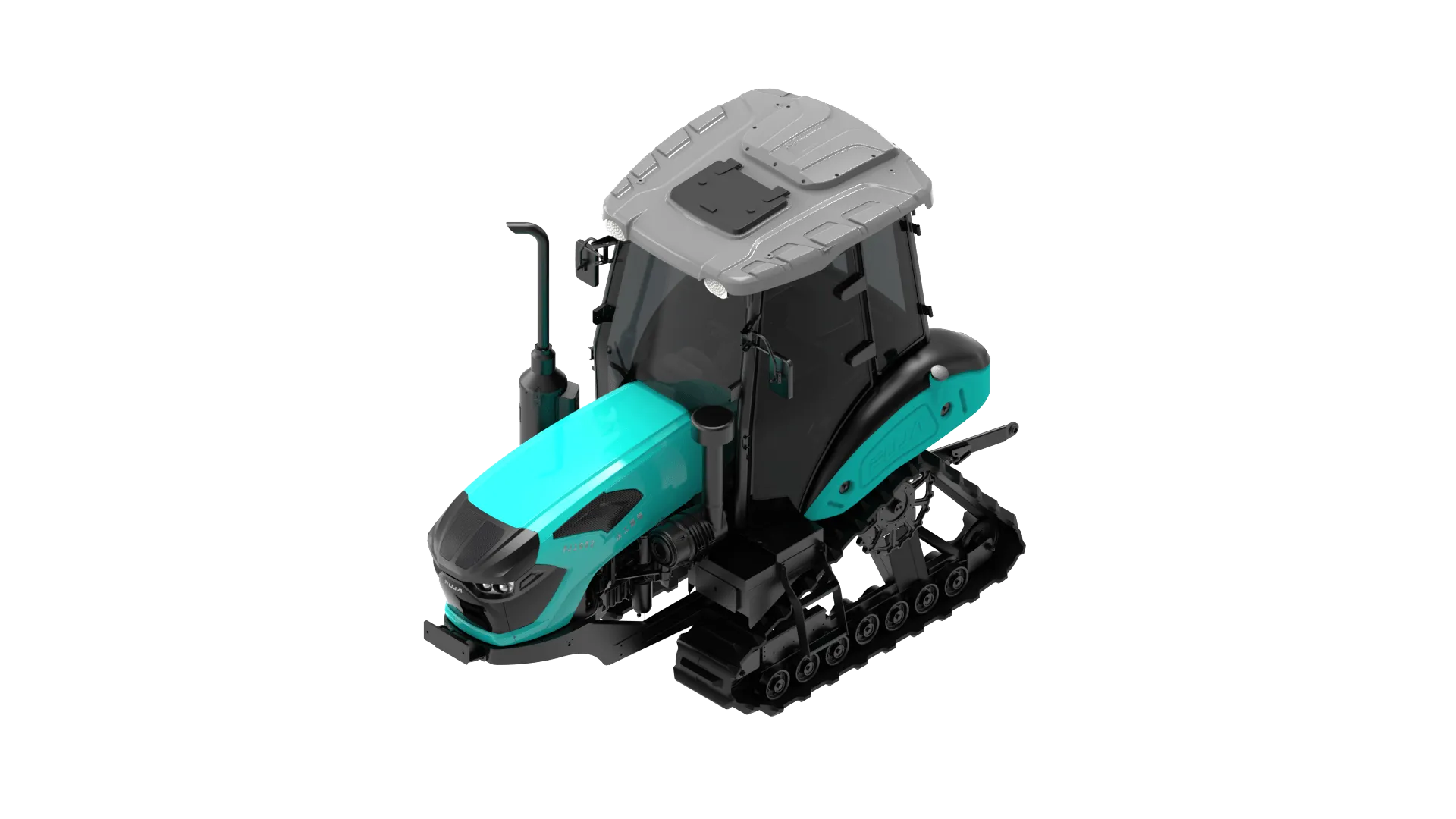
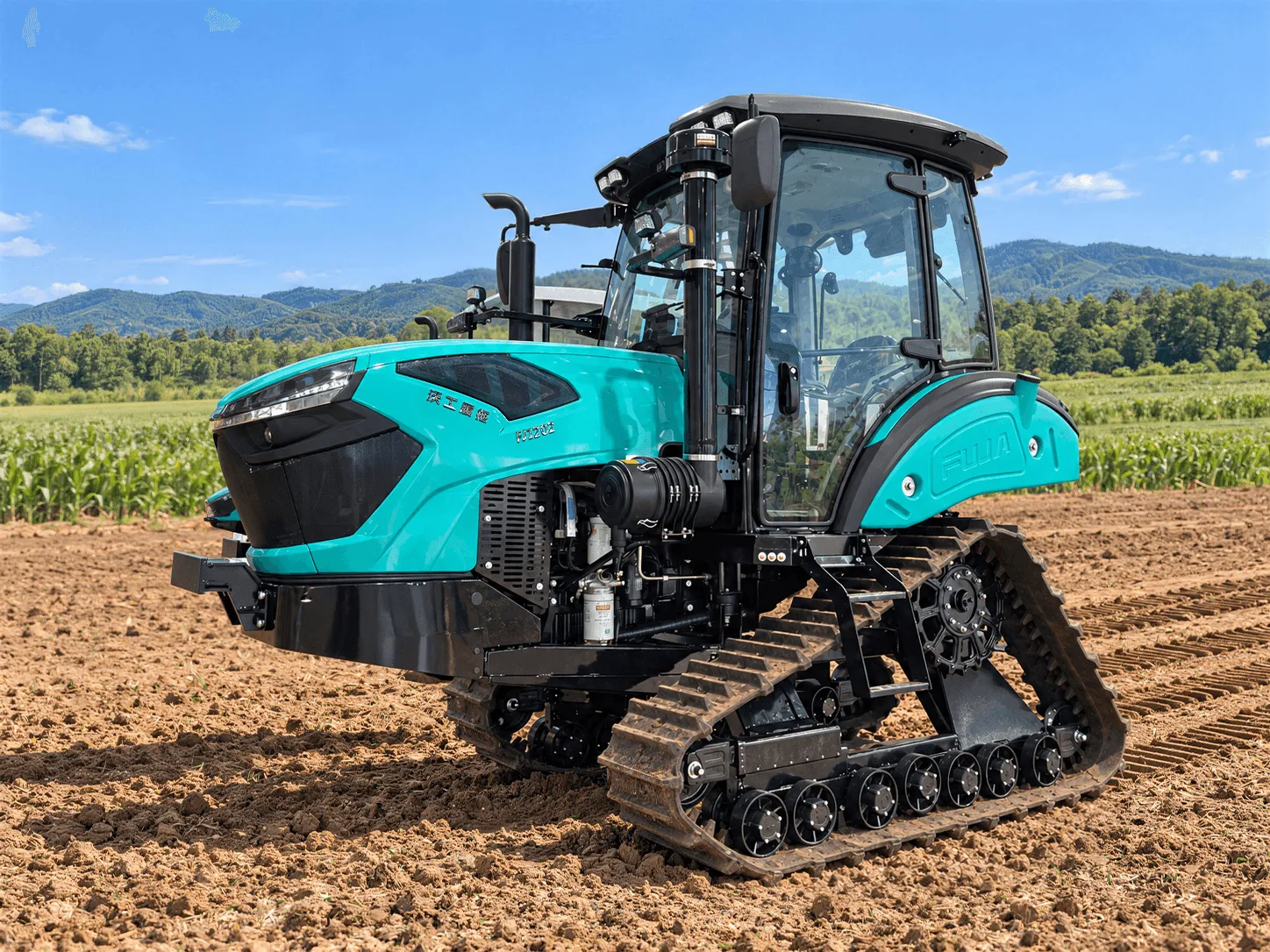
A tracked tractor replaces the separate tire contact patches of a wheeled machine with a continuous belt assembly on each side. The track wraps around wheels or rollers and is driven by the tractor’s powertrain; its contact with the ground supports the machine and provides propulsion. Because the contact area can be larger than that of tires, ground pressure may be lower in comparable conditions. That principle can be useful on some soft or uneven surfaces, but it does not guarantee flotation or prevent soil damage. Track material, width, tension, machine weight, and the surface itself all matter. A crawler layout can also change how the tractor turns and how loads are transmitted through the undercarriage. For buyers considering tractors with tracks in Turkey, request a diagram or technical description of the proposed machine rather than assuming every tracked design uses the same arrangement. The manufacturer’s supplied profile mentions intelligent R&D and smart manufacturing, but gives no details about track construction, suspension, or drivetrain. Those points need confirmation for the actual model. Ask for the manufacturer’s specified track type and maintenance requirements, and check whether the design is intended for agricultural field work rather than another tracked-vehicle use.