Home » tractor with tracks in Ecuador

Tractor with Tracks in Ecuador: Confirm the Right Fit

tractor with tracks in Ecuador

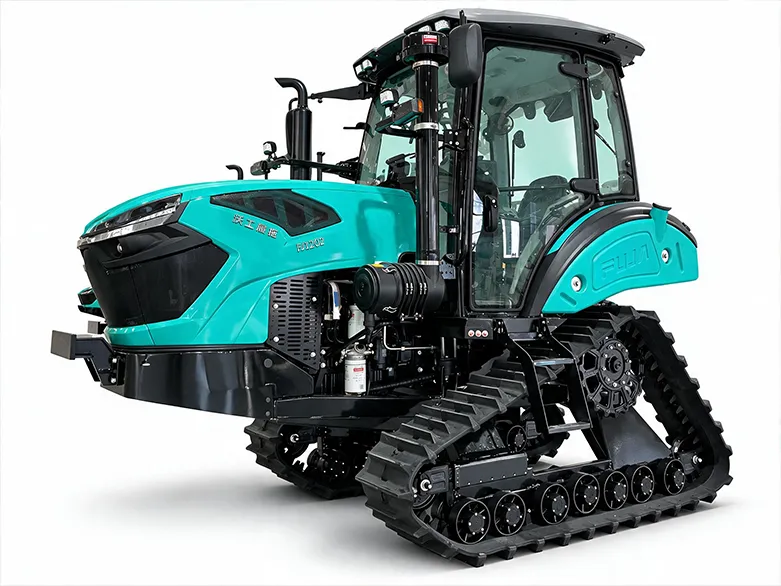
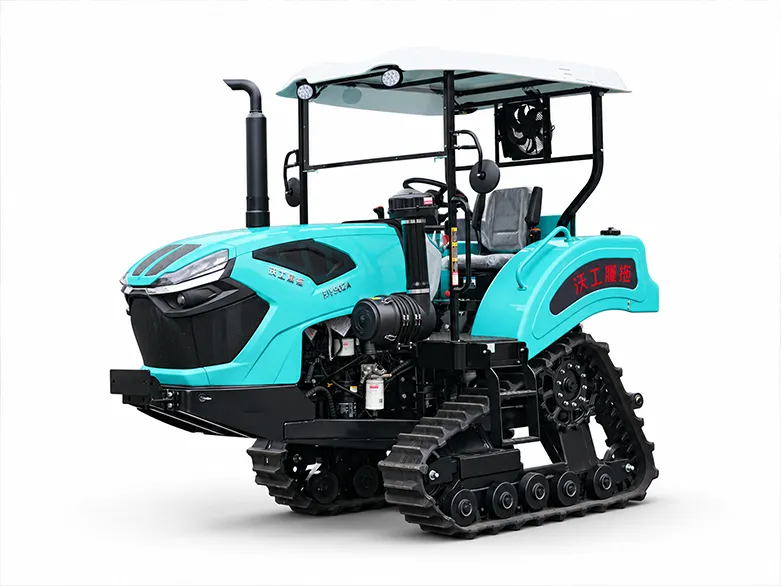
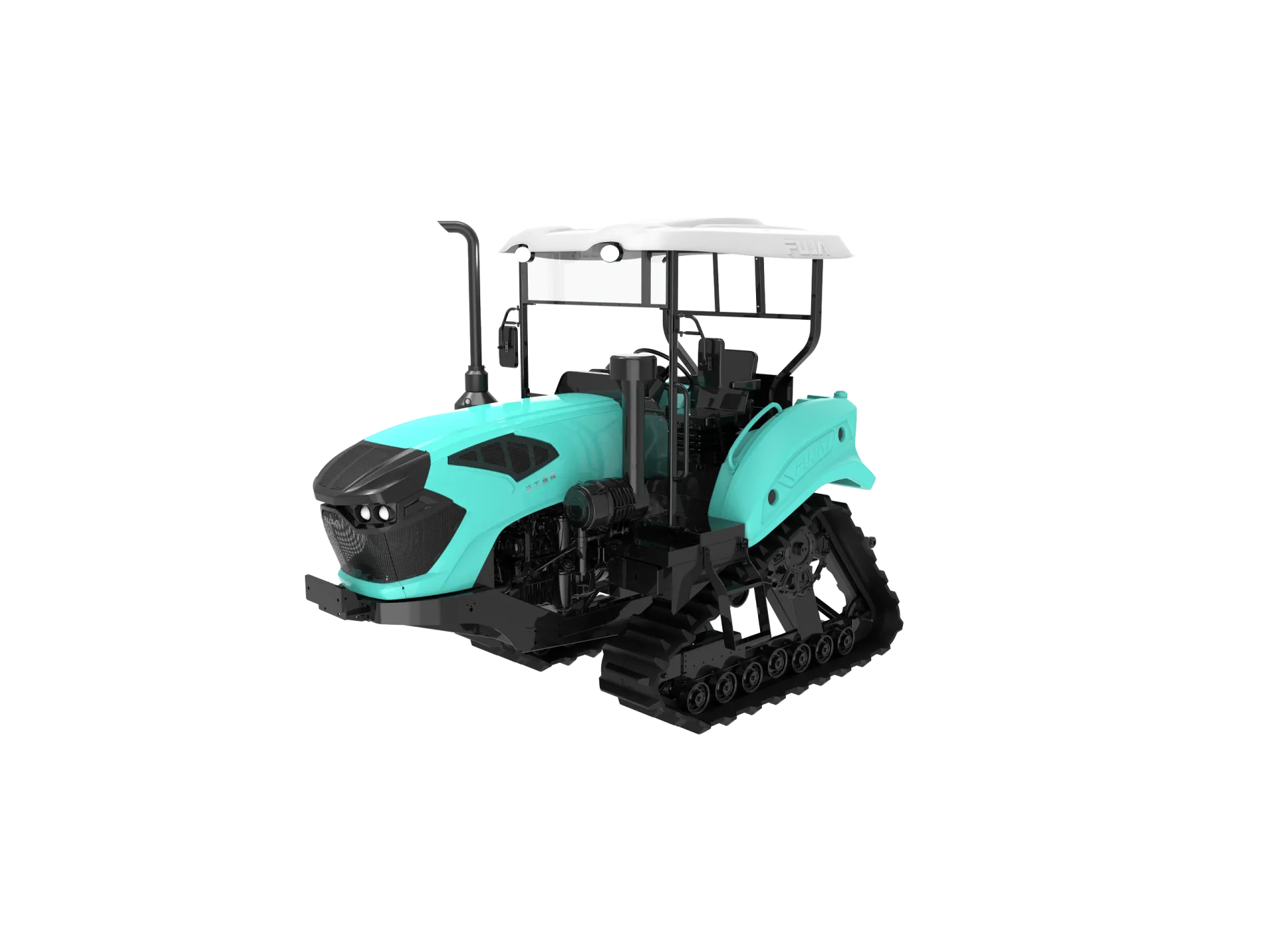
A tractor with tracks in Ecuador may be worth considering when farm work involves soft ground, uneven terrain, or conditions where tire traction needs careful assessment. The phrase can refer to different machine types and configurations, so the exact product, power, dimensions, and track design should be confirmed before comparing suppliers. Agricultural Machinery Manufacturer & Supplier serves agricultural buyers with a high-end, innovation-focused approach, supported by a 68,000 m2 smart manufacturing base and intelligent R&D. However, no model-specific product sheet has been provided for this request. That means buyers should treat suitability, performance, and available configurations as items to verify rather than assume. This page helps farms, contractors, and equipment distributors identify the questions that matter: what work the tractor must perform, what ground conditions it will encounter, and which technical details are needed for a reliable comparison. Share those requirements with the supplier to establish whether an available tracked tractor matches the intended operation in Ecuador.

Technical Detail

Configured around process stability, mold life, and long-term uptime.

A tractor with tracks is an agricultural machine that uses continuous track assemblies in place of conventional wheels for ground contact and movement. Its suitability depends on the machine’s design and the conditions at the work site; the keyword alone does not specify horsepower, operating weight, track width, speed, or implement compatibility. No product model or technical specification sheet was supplied, so these figures should be requested before making a purchase decision. Agricultural Machinery Manufacturer & Supplier positions its offering around intelligent R&D and smart manufacturing. The company reports a 68,000 m2 smart manufacturing base and experience serving 150+ customers. Its stated manufacturing approach focuses on precision builds, while R&D is directed at practical operating challenges. The supplied brand information also lists CE; buyers should confirm which products and configurations this certification covers and request the applicable documentation for the specific machine under consideration. For buyers in Ecuador, the practical starting point is to define the intended tasks and site conditions rather than assume that every tracked tractor suits every farm. Ask the supplier to identify the available model, track configuration, rated power, dimensions, operating weight, compatible implements, and any operating limits in writing. These details make it possible to check transport, field access, and operational fit against local requirements. Once the configuration is identified, compare its documented specifications with the work the machine is expected to do and confirm any relevant compliance paperwork before ordering.

Hilly and Mountainous Areas Crawler Tractor

How Track Drive Changes Ground Contact

A tracked tractor moves through track assemblies that travel around the machine’s drive and guiding components. Compared with a wheeled layout, the continuous ground-contact surface changes how the machine transfers motion to the soil. The real effect depends on the track design, machine weight, width, tension, and operating conditions; none of those specifications is available for the product referenced here. For a buyer, this distinction matters because “tracked” describes a drive arrangement, not a guaranteed level of traction or reduced soil impact. Ground conditions, slope, turning space, and the task being performed all influence performance. A track system designed for one operating environment may not be appropriate for another, and the product name alone cannot establish its limits. When reviewing a proposed tractor, request a diagram or description of its track system and the manufacturer’s documented operating guidance. Ask how the machine is intended to be driven and maintained, including any checks for track condition or tension. These details help operators understand the equipment before using it and give the purchasing team a clearer basis for assessing whether the design fits the farm’s daily work.

Hilly and Mountainous Areas Crawler Tractor

Check Ecuador Work Conditions Before Assuming Fit

A tracked tractor may be considered for farms or agricultural contractors dealing with ground that is soft, uneven, or difficult for a wheeled machine to cross. That does not establish that a particular model will suit every Ecuadorian farm. Soil, rainfall, slope, field access, crop layout, turning room, and transport arrangements vary by site, so suitability needs to be checked against the actual job. Start by documenting the surfaces the tractor will cross, the steepest or softest areas, the work season, and the tasks it must complete. Then compare those conditions with the supplier’s stated operating range and machine dimensions. If the operation includes narrow access routes, road travel, or frequent turns between crop rows, ask specifically whether the proposed configuration can accommodate those constraints. Request written guidance where the terrain or task may be near an operating limit. A poor match can create avoidable delays, access problems, or excessive wear. Since no model-specific limits or Ecuador application data were provided, do not treat general claims about track drive as proof of local suitability. Provide the supplier with site details and ask for a model-specific response before selecting a machine.

Hilly and Mountainous Areas Crawler Tractor

Prepare a Model-Specific Request for Quote

Before requesting a quotation, assemble the information needed to identify a suitable configuration. State the main jobs the tractor must perform, the terrain and soil conditions, expected working hours, access constraints, and the implements it may need to operate. If the machine will be used by a dealer or contractor, clarify who will operate it and where routine support or maintenance will take place. Ask Agricultural Machinery Manufacturer & Supplier to confirm the exact model and provide its technical sheet. The document should identify rated power, operating weight, overall dimensions, track specifications, travel speed, implement compatibility, and stated operating limits. These values are not included in the supplied product information, so they should not be inferred from the keyword or from general descriptions of tracked tractors. Also request the applicable CE documentation for the specific product and configuration, since the brand information alone does not establish which model it covers. With those documents, compare the proposed machine against the task list and site constraints. Ask the supplier to explain any specification that is unclear and to identify what information it needs to validate the match. This creates a practical basis for a purchase decision without relying on unverified performance claims, price assumptions, or availability promises.

News

Industry updates

Products

Production modules

Why Choose Us

Manufacturing and R&D Backed by a Global Supplier

Agricultural Machinery Manufacturer & Supplier presents a manufacturing base of 68,000 m2 and reports serving more than 150 customers. For buyers evaluating a tractor with tracks, those details provide context about the company’s production and market experience, but they do not replace model-specific technical evidence. The supplier describes its R&D as focused on real operating challenges and its smart manufacturing approach as precision-oriented. Buyers can use a technical discussion to ask how those capabilities apply to the particular tractor configuration they need. The brand also lists CE certification and global service as part of its company profile. Before ordering for Ecuador, request the certification documents relevant to the exact product and configuration, and clarify what support is available for the intended destination. No country-specific service terms, response times, or product certifications were provided here, so those points should be confirmed directly. A useful supplier evaluation comes down to documentation and fit: can the company identify the model, provide its specifications, explain its operating limits, and respond to the farm’s requirements? Share terrain, tasks, implement needs, and access constraints so the technical team can address the actual application rather than offer a generic recommendation.

FAQ

Common technical questions

What specifications should I compare between tracked tractor models?

Start with rated power, operating weight, track width and configuration, overall dimensions, travel speed, and implement compatibility. Compare only values documented for the exact models under consideration; no model-specific specifications were supplied for this page.

Can a tracked tractor work on steep or wet farms in Ecuador?

Possibly, but suitability depends on the specific machine, slope, soil, drainage, and operating limits. Provide the supplier with site conditions and request written confirmation for the proposed model rather than relying on the fact that it has tracks.

What information should I send when asking for a recommendation?

Describe the main tasks, terrain and soil, access and turning constraints, expected implements, and any transport or operating requirements. Ask for the exact model’s technical sheet and applicable CE documentation so you can assess the proposed configuration.

Does the CE certification listed for the brand confirm that every tracked tractor model is covered?

Not by itself. Ask the supplier to identify the CE documentation that applies to the exact product and configuration you are considering.

Need a solution for your project?

Share your product type, target capacity, and application requirements. Our team can review the details and recommend a practical next step.

Contact Us