EN
 HR

How a Tracked Tractor Transfers Power to the Ground
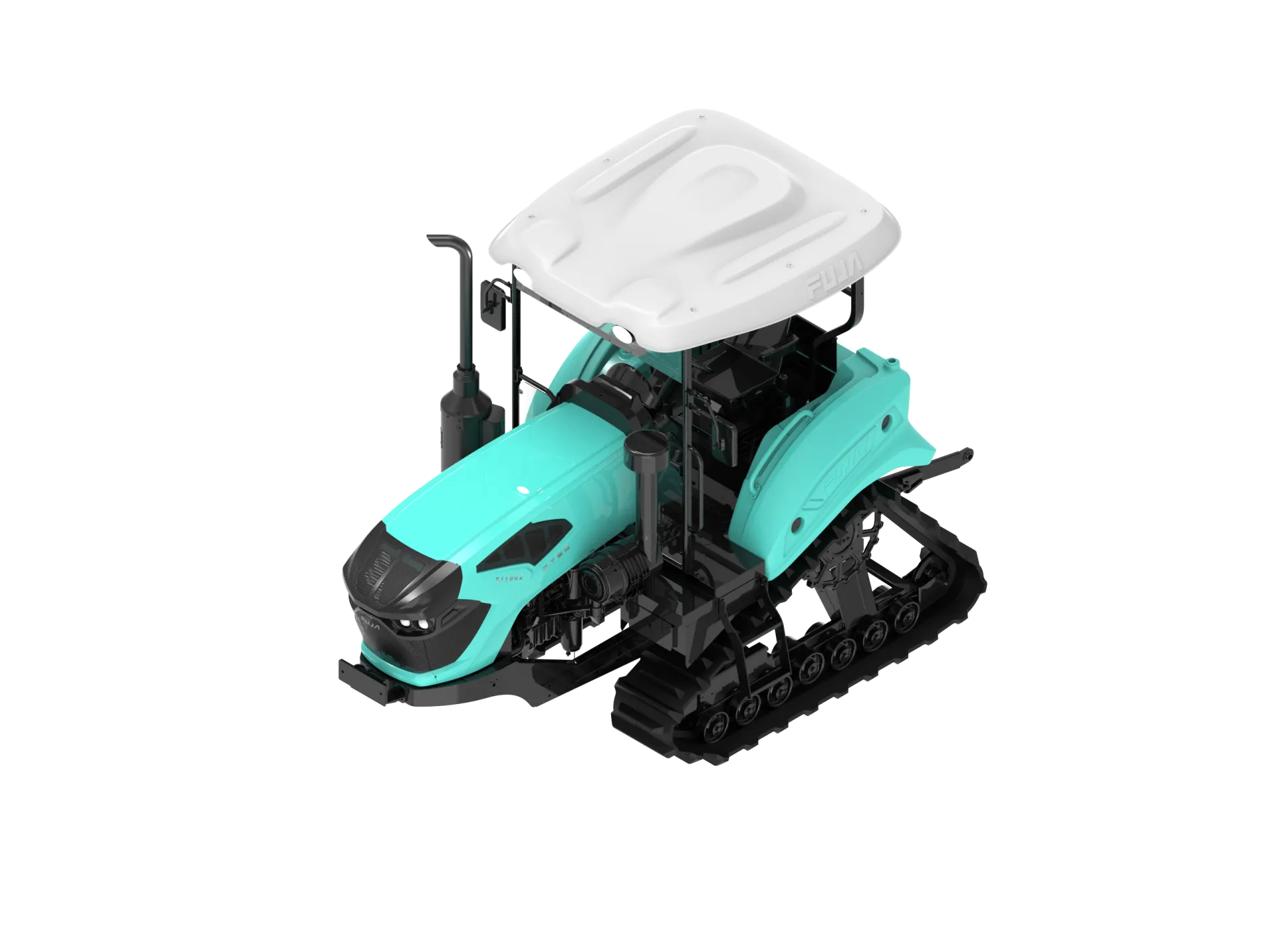
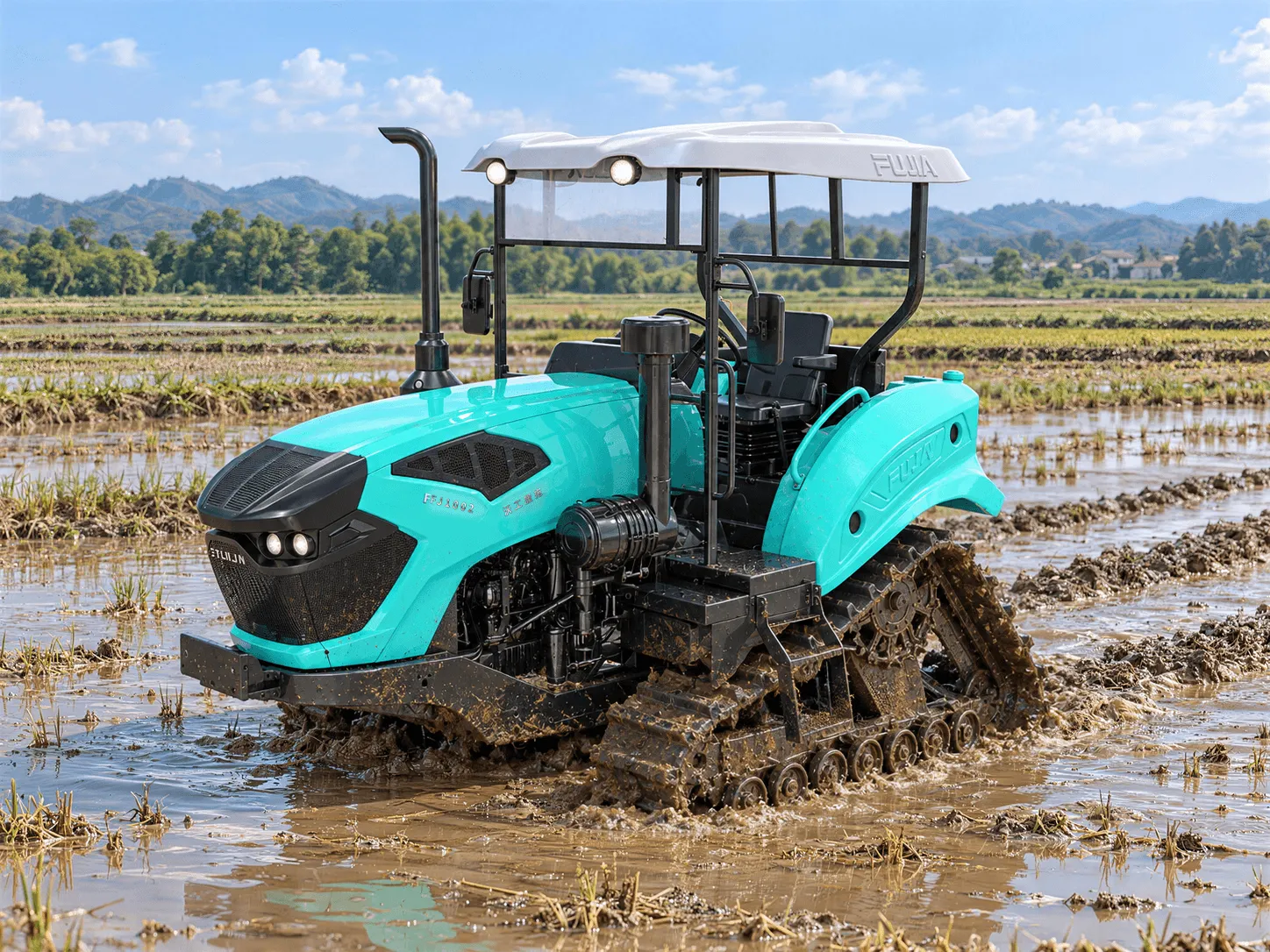
A tractor with tracks uses a continuous track assembly instead of conventional tires. The engine sends power through the transmission and final drive to the track system, while the track spreads contact over a larger footprint. That arrangement can improve traction on suitable soft or uneven ground and may reduce the concentration of machine weight at individual tire contact points. It also changes how the tractor turns, transports, and works around crops. Track material, tread pattern, undercarriage design, tensioning method, drive components, and the frame connection all affect behavior, but these details are not included in the available product information and must be confirmed by model. Buyers should also distinguish between a purpose-built tracked tractor and a wheeled tractor fitted with a different undercarriage arrangement. The distinction affects maintenance access, maneuvering, road use, and implement balance. A technical drawing, operating manual, and undercarriage description will help the buyer understand what is actually being offered. The brand’s intelligent R&D positioning may support this technical discussion, but the selected model remains the basis for any engineering conclusion.