Home » Walk-Behind Paddy Weeder

Walk-Behind Paddy Weeder for Paddy Field Work

Walk-Behind Paddy Weeder

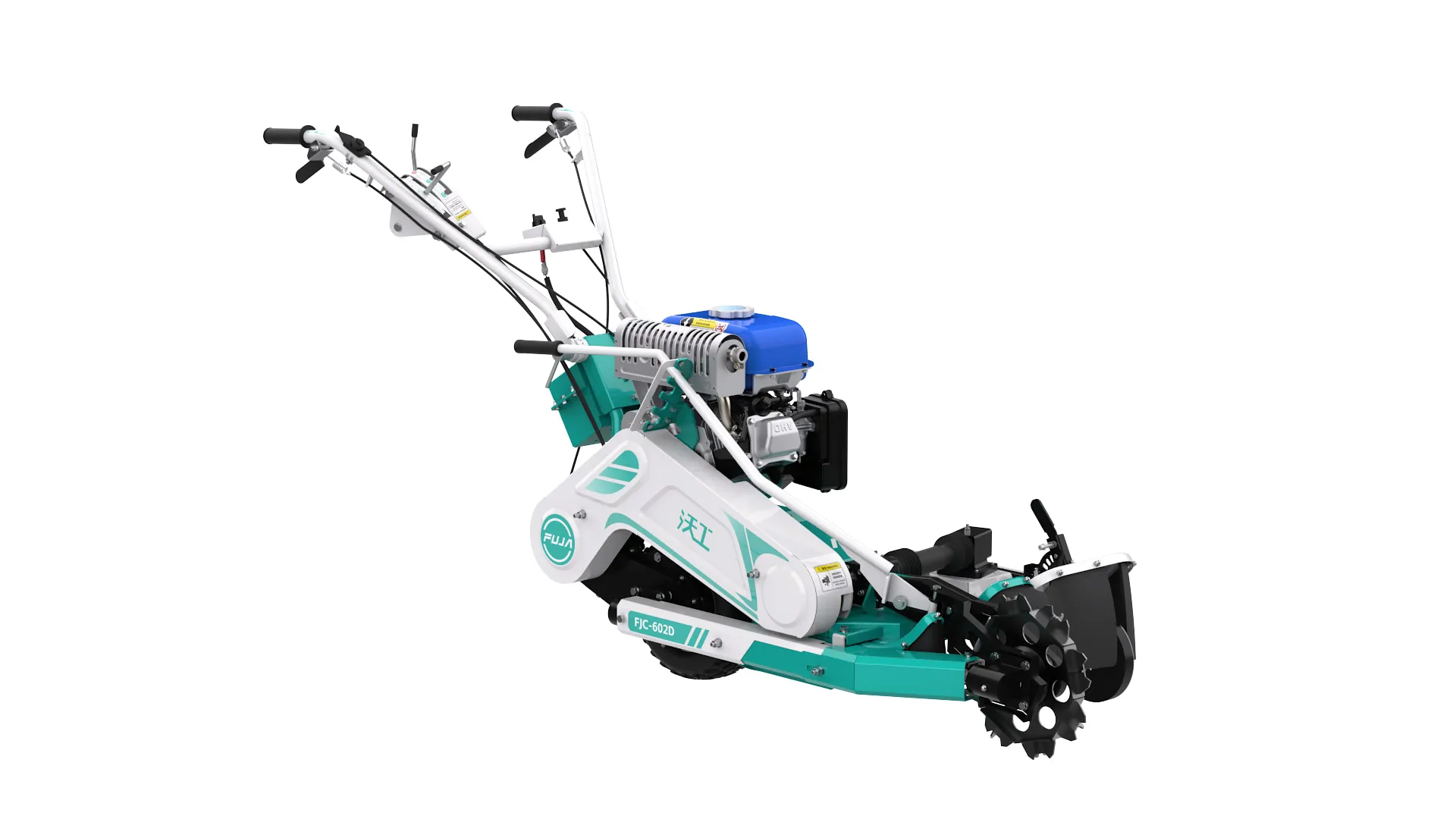
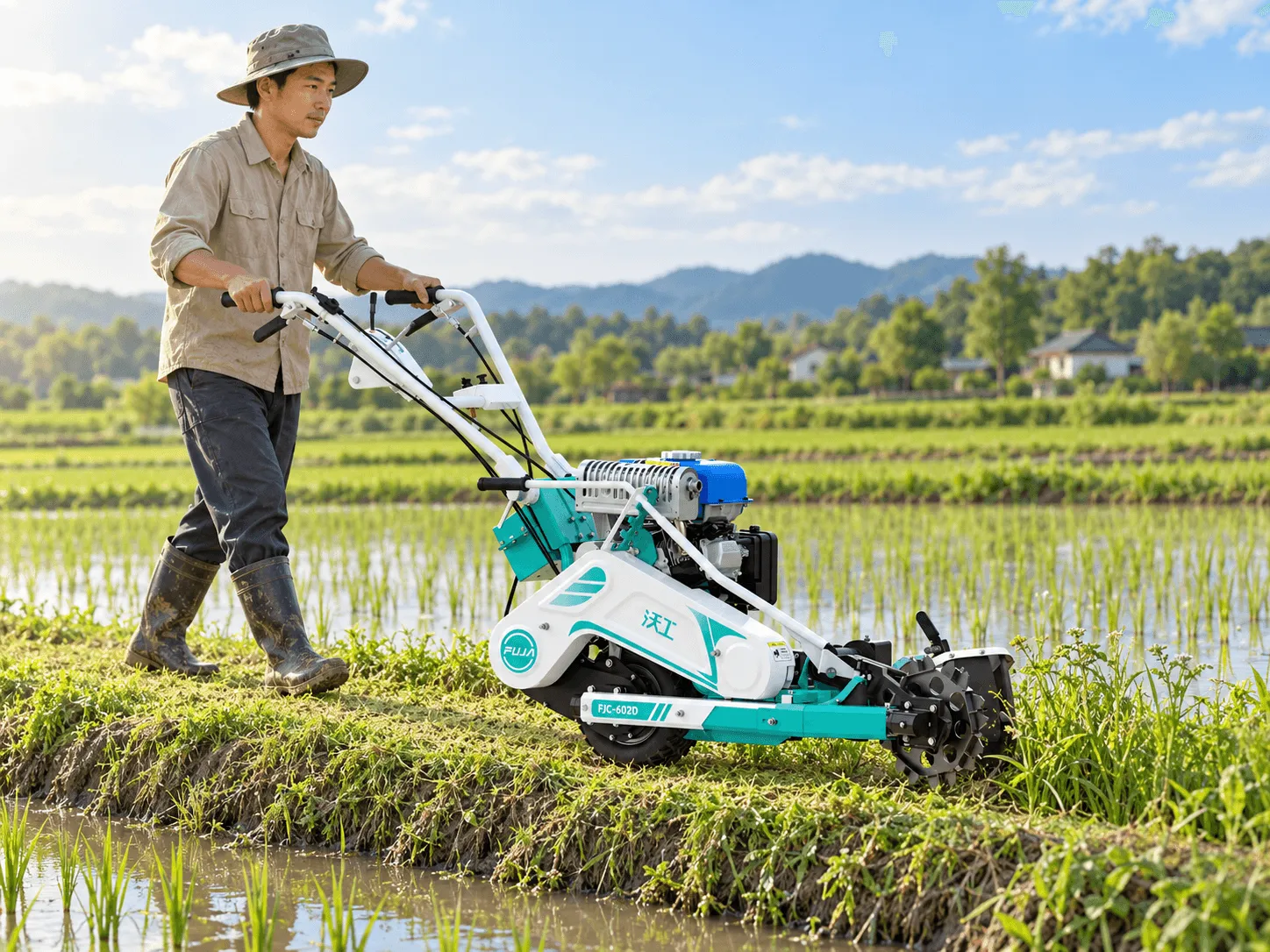
A Walk-Behind Paddy Weeder is a manually guided machine category intended for weed-control work in rice paddies. It may suit farms, agricultural contractors, and machinery distributors evaluating equipment for wet-field operations, but the right configuration depends on field conditions and the machine’s verified specifications. Those details are not provided here, so buyers should not assume a particular working width, engine type, depth, or output. Start by confirming the field’s soil and water conditions, row spacing, plot access, and the scale of planned work. Agricultural Machinery Manufacturer & Supplier positions its business around a 68,000 m2 smart manufacturing base, intelligent R&D, and global service. That context can support a technical discussion, but it does not substitute for product-specific evidence. Before comparing offers, ask for the exact model’s specification sheet, operating instructions, and available configuration details. This helps establish whether a walk-behind machine can move through the intended plots and perform the required weeding task without relying on assumptions.

Technical Detail

Configured around process stability, mold life, and long-term uptime.

The term Walk-Behind Paddy Weeder describes a guided machine for weeding in paddy fields; it does not, by itself, identify a particular design or performance level. No product-specific brochure, technical drawing, model range, or operating data has been supplied for this page. As a result, figures such as engine power, working width, weight, fuel consumption, operating depth, and field capacity cannot be stated reliably. Buyers should treat these as open points for confirmation rather than infer them from the product name. Agricultural Machinery Manufacturer & Supplier presents itself as a high-end agricultural machinery supplier with a 68,000 m2 smart manufacturing base and an intelligent R&D focus on practical farming challenges. Its stated manufacturing approach emphasizes precision, while the company reports serving more than 150 customers. These are company-level details, not verified specifications for a specific weeder. CE is listed among the brand’s certifications; confirm whether the exact model being quoted is covered and request relevant documentation. For a meaningful comparison, evaluate the offered machine against the same field conditions and task requirements, then check which technical values are documented for that configuration. A written specification and clear model identification give procurement teams a sound basis for assessing suitability, requesting a quotation, and comparing supplier responses.

Walk-Behind Paddy Weeder

How a Walk-Behind Paddy Weeder Is Defined

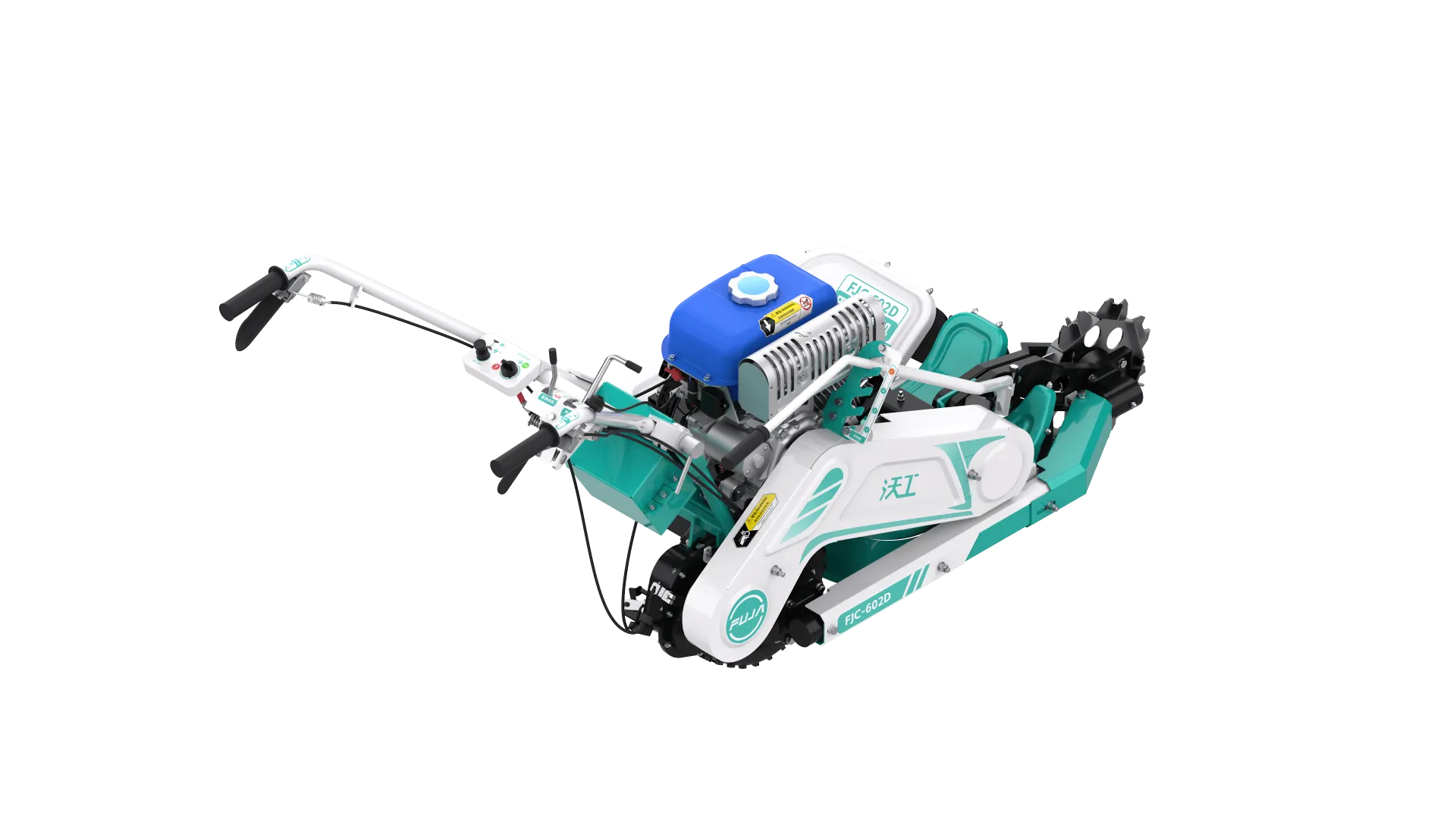
A walk-behind paddy weeder is guided by an operator rather than driven as a ride-on machine. In paddy work, the machine’s purpose is to travel through planted or prepared wet-field areas and manage weeds, but the exact mechanism varies by design. A product may use different working components, transmission arrangements, or power sources; none of those details have been confirmed for the model offered by Agricultural Machinery Manufacturer & Supplier. That distinction matters because a name alone does not tell a buyer how the machine interacts with soil, water, or crop rows. Request a product drawing or clear photographs of the complete machine and its working parts. Ask the supplier to identify how movement is controlled, how the weeding components engage the field, and what operator adjustments are available. If technical documents describe working depth, width, or travel speed, check that each value applies to the quoted model rather than to another configuration. With this information, purchasing and farm teams can understand what the equipment actually does before judging whether it suits their own operation.

Walk-Behind Paddy Weeder

Check Field Conditions Before Assessing Fit

Suitability depends on the paddy field, not simply on whether the machine is described as a weeder. Before assessing a Walk-Behind Paddy Weeder, document the field’s soil consistency, water level during operation, crop stage, row spacing, plot size, and access at field edges. These factors can affect movement, maneuverability, and the ability to work between rows. No operating limits or recommended field conditions have been provided for this product, so do not assume it can handle every soil type, water depth, or planting pattern. Compare your site information with written recommendations for the exact model. If the machine’s dimensions or working width are unavailable, ask for them before deciding whether it can pass through narrow rows or turn within smaller plots. Likewise, ask which conditions may reduce performance or make operation unsuitable. A farm with uneven access or varied plot layouts may need a different assessment from a large, regular paddy. A field trial or supplier-approved demonstration may help where available, but confirm its scope and terms directly rather than assuming one is included.

Walk-Behind Paddy Weeder

Prepare a Clear Request for Quotation

A useful inquiry gives the supplier enough detail to identify a suitable Walk-Behind Paddy Weeder configuration without filling gaps with assumptions. Include the intended application, field size and layout, soil and water conditions, crop row spacing, expected operating period, and destination market. Ask the supplier to respond with the exact model name and a specification sheet covering the machine’s dimensions, power source, working width, operating depth, weight, and any other values relevant to your site. Request a list of included components and any optional attachments, making clear which items are confirmed for the quoted configuration. For export procurement, also ask which CE documentation applies to that model and what documents can be provided for shipment and import review. Agricultural Machinery Manufacturer & Supplier states that it has global service support, but the availability and scope for a specific destination should be confirmed in writing. Use the same checklist with each supplier so offers can be compared on equivalent technical and commercial terms. Do not approve a purchase until model identity, configuration, documentation, and the intended working conditions are clearly aligned.

News

Industry updates

Products

Production modules

Why Choose Us

A Manufacturing and R&D Base for Practical Equipment Discussions

Agricultural Machinery Manufacturer & Supplier describes a 68,000 m2 smart manufacturing base and an intelligent R&D team focused on practical agricultural challenges. For buyers evaluating a Walk-Behind Paddy Weeder, those company capabilities provide a basis for asking detailed questions about design and production, but they should be verified against the specific model and its documentation. The brand also states that precision manufacturing is part of its approach and reports serving more than 150 customers. Those figures are company-provided background, not performance claims for this product. CE is listed as a certification; procurement teams should check the applicable certificate and confirm that it covers the exact machine and configuration under consideration. The company further identifies global service as an area of support. Buyers should clarify what assistance is available in their destination market, including the appropriate contact route and the documents or technical information supplied for the order. This evidence-led process lets purchasers assess the supplier’s stated strengths while keeping product-level decisions grounded in verifiable specifications.

FAQ

Common technical questions

What details should I compare between Walk-Behind Paddy Weeder models?

Compare documented working width, machine dimensions, power source, weight, operating depth, and any stated field-capacity or fuel-use figures. Check that the figures refer to the same configuration and ask the supplier to identify the test or operating conditions behind them. No product-specific values are available for this listing.

Can this type of weeder be used in every rice field?

Not necessarily. Soil consistency, water level, row spacing, crop stage, and access can affect whether a walk-behind machine is suitable. Ask for the exact model’s recommended operating conditions and limitations, then compare them with your field rather than relying on the product category alone.

What should I ask before confirming an order?

Confirm the exact model, included configuration, available attachments, written specifications, and applicable CE documentation. Share your field conditions and destination market, and request written confirmation of the technical details and service-support scope relevant to your purchase.

Need a solution for your project?

Share your product type, target capacity, and application requirements. Our team can review the details and recommend a practical next step.

Contact Us