Home » small tracked tractor in Vietnam

Small Tracked Tractor in Vietnam: Start with Your Field Needs

small tracked tractor in Vietnam

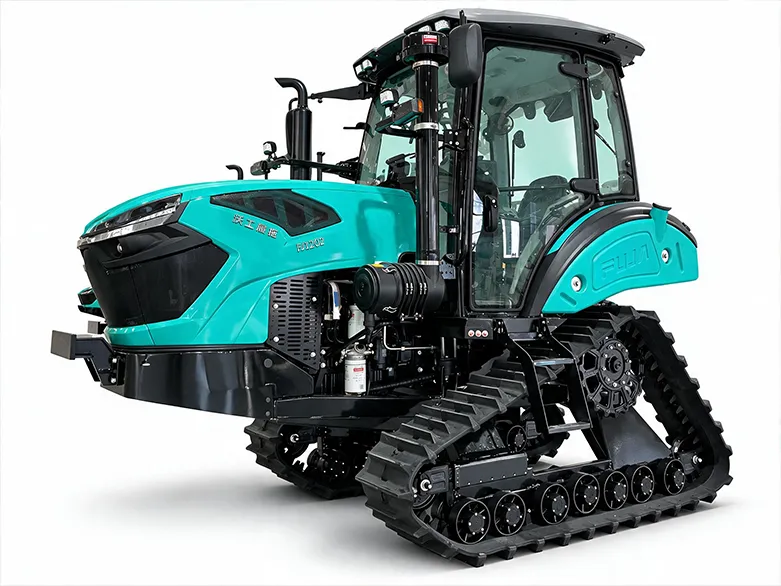
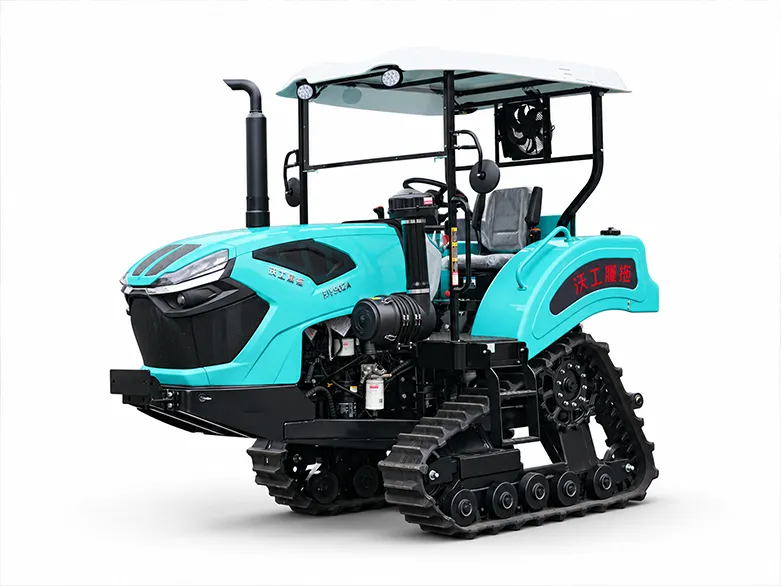
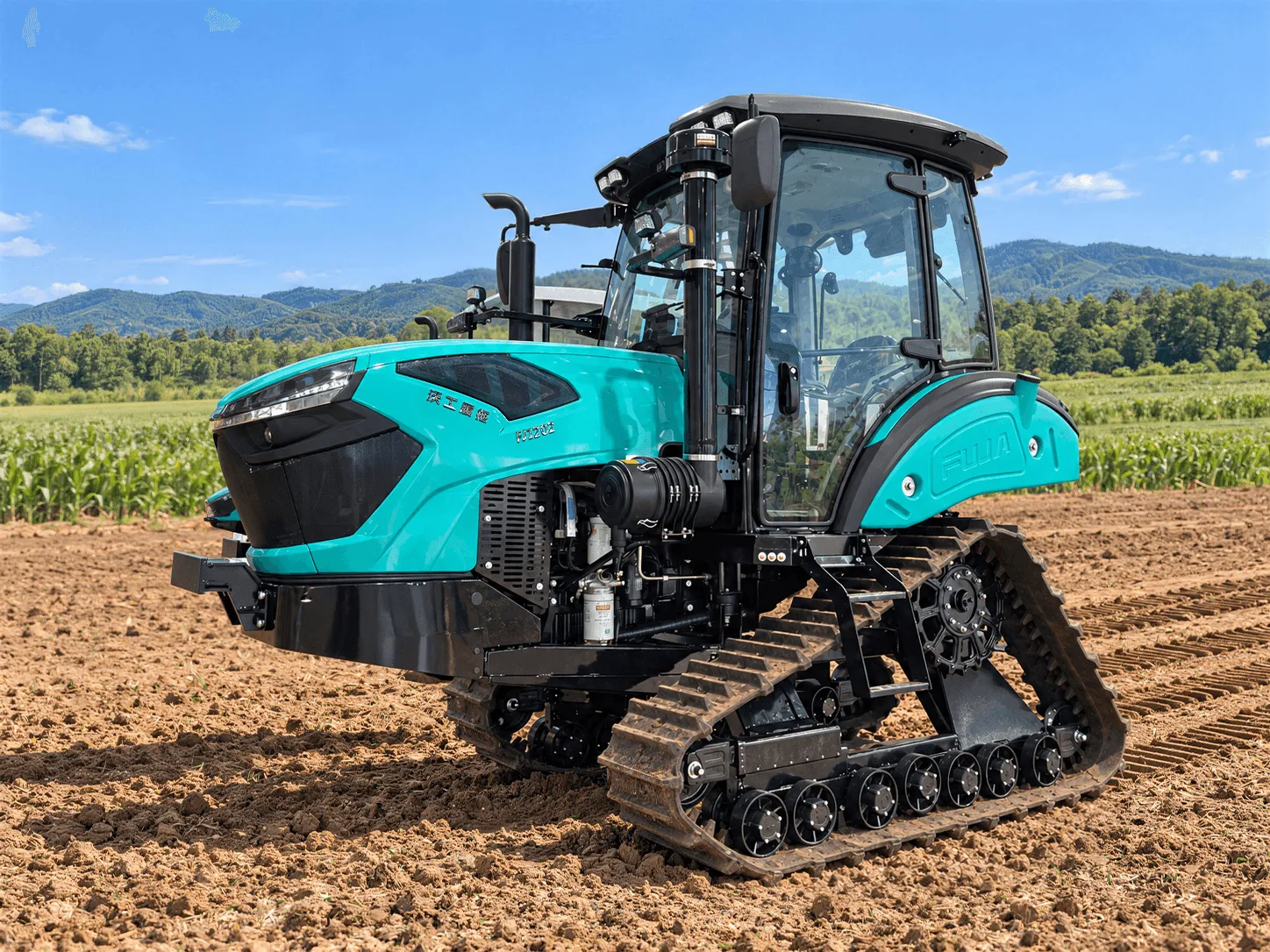
A small tracked tractor is a compact agricultural machine that uses continuous tracks instead of standard wheels to move across the ground. Buyers in Vietnam may consider this type of machine for farm work where access is narrow or soil conditions make traction an important question. The right fit depends on more than the word “small”: field layout, soil condition, crop rows, slope, transport access, and the implements required all affect whether a tracked machine suits the job. Agricultural Machinery Manufacturer & Supplier presents itself as a high-end machinery brand with a 68,000 m2 smart manufacturing base, intelligent R&D, and a global service focus. However, no model specifications or product configurations were provided for this page. Before comparing options, buyers should confirm that the supplier offers a tracked tractor for the intended work in Vietnam, then request its dimensions, power, operating limits, compatible implements, and applicable documentation. These details make it possible to assess the machine against the actual farm rather than relying on a broad product label.

Technical Detail

Configured around process stability, mold life, and long-term uptime.

The phrase “small tracked tractor in Vietnam” describes a buyer’s search for a compact tractor using tracks, but it does not identify a specific model or verified configuration. Agricultural Machinery Manufacturer & Supplier positions its business around high-end agricultural machinery and reports a 68,000 m2 smart manufacturing base, intelligent R&D, and a customer base of more than 150. The company also lists CE certification; buyers should confirm which products and configurations that certification covers before treating it as applicable to a particular machine or destination market. No product file was supplied with details such as engine power, track width, ground clearance, dimensions, weight, hydraulic capacity, or implement compatibility. Those specifications should not be assumed from the search term. For farms in Vietnam, the useful first step is to describe the work: crop and row spacing, field access, soil condition, slope, wet-season use, and the tasks the tractor must perform. The supplier can then confirm whether it has a suitable tracked model and provide the relevant technical sheet. This information also helps buyers distinguish a machine intended for field traction from one that may be too wide, heavy, or limited for their site. Ask for model-specific specifications and documentation before comparing proposals or planning operation.

Heavy-Duty Farm Crawler Tractor

How Tracks Change Ground Contact and Movement

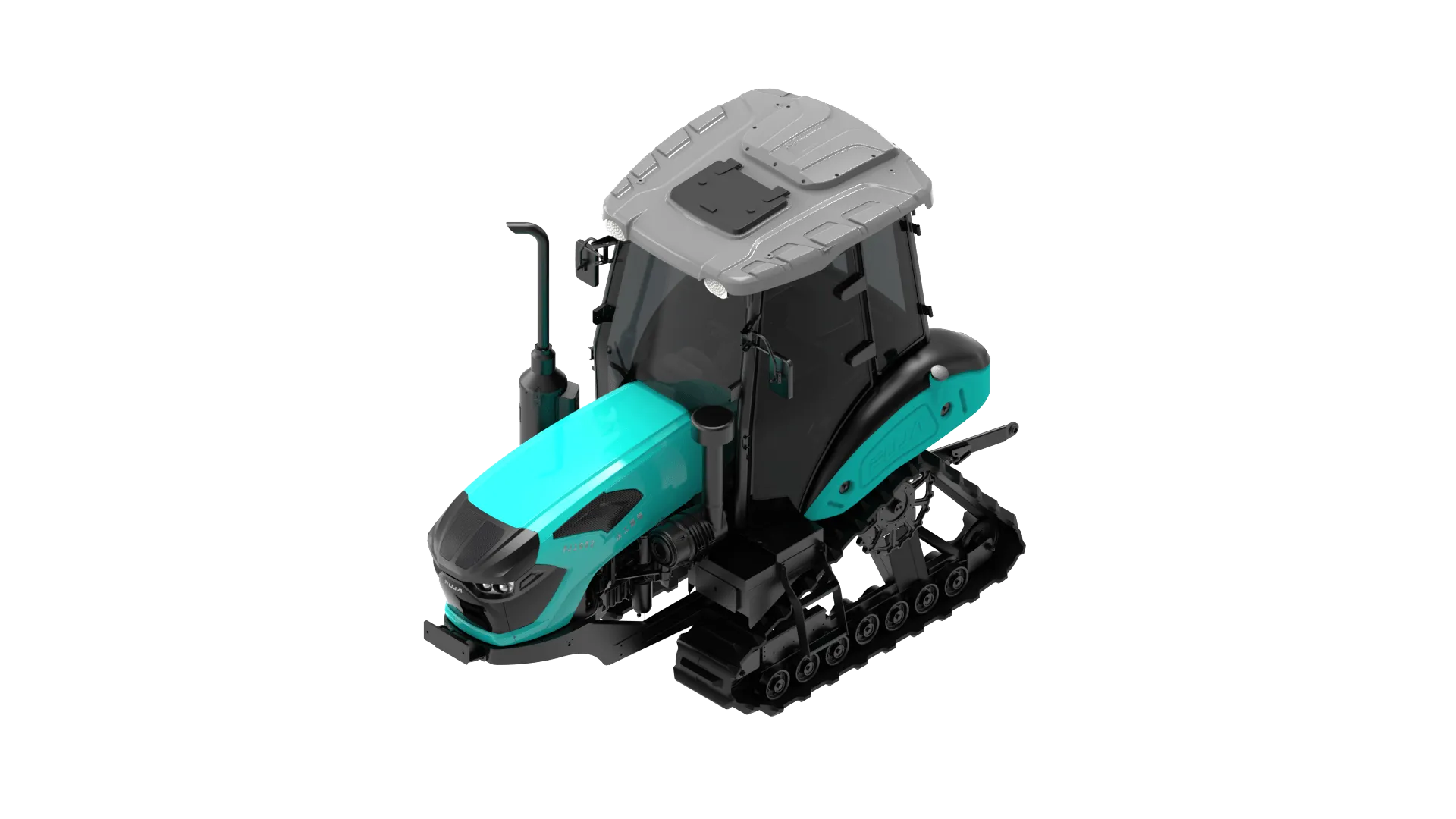
A tracked tractor replaces the separate tire contact patches of a wheeled machine with a continuous track assembly. In general, this changes how the machine distributes its weight over the ground and how it gains traction, although the actual result depends on the tractor’s design, total weight, track dimensions, and soil. Tracks do not by themselves establish that a machine can work in every wet field or on every slope. Track width, ground clearance, turning method, and the surface beneath the machine all matter. For the model under consideration, request a diagram or specification sheet showing the track arrangement and principal dimensions. Ask whether the listed operating weight includes standard equipment, since attachments can change ground pressure and handling. The manufacturer identifies intelligent R&D as one of its capabilities, with a stated focus on practical challenges, but no engineering details for a tracked tractor were provided. Buyers should therefore ask for the model’s construction details instead of inferring them from the brand description. A clear explanation of the track system helps the farm team understand what the machine can do and what conditions still require caution.

Heavy-Duty Farm Crawler Tractor

Check Field Access and Operating Conditions

Suitability in Vietnam depends on the farm, not simply the country or the tractor’s size label. Start by measuring the narrowest gate, path, and crop-row opening the machine must pass through. Compare those measurements with the tractor’s overall width, length, turning clearance, and any attached implement. For soft or wet ground, ask the supplier for the machine’s operating weight and ground-contact information, then discuss the expected soil conditions; without model data, traction or soil-pressure performance cannot be confirmed. Slopes, drainage channels, terraces, and transitions between field and road also affect safe use. A tracked layout may be relevant where traction is a concern, but it does not remove the need to check the manufacturer’s stated slope and surface limits. Consider whether the tractor will travel on public roads or be transported between plots, and verify the applicable transport and local requirements separately. The supplier’s global service positioning is a starting point for asking about support, not proof of a specific service arrangement in Vietnam. Request written confirmation for the intended work conditions before deciding that a particular model is suitable.

Heavy-Duty Farm Crawler Tractor

Prepare a Model Inquiry That Can Be Evaluated

Before requesting a proposal, send the supplier a concise operating brief. Include the crop, field area, row or access width, soil condition, slope, seasonal water conditions, and the main jobs expected of the tractor. List the implements needed, such as cultivation or transport equipment, but ask the supplier to confirm compatibility rather than assuming that an attachment will fit. Request the exact model designation and a technical sheet covering engine power, dimensions, operating weight, track specifications, ground clearance, controls, and any available hydraulic or power take-off details. Also ask which configurations are available, what is included as standard, and which items are optional. For a purchase intended for Vietnam, confirm the machine’s documentation, the scope of any CE certification, shipping and import paperwork responsibilities, parts availability, and the process for technical support. These are questions to resolve, not services or terms established by the information provided. Agricultural Machinery Manufacturer & Supplier reports a smart manufacturing base and more than 150 customers, but no model-specific lead time, price, minimum order, or Vietnam reference was supplied. A complete brief lets the supplier respond against the actual farm requirement.

News

Industry updates

Products

Production modules

Why Choose Us

Smart Manufacturing Backed by Practical R&D

Agricultural Machinery Manufacturer & Supplier describes a 68,000 m2 smart manufacturing base and an intelligent R&D function focused on real-world challenges. For a buyer assessing a small tracked tractor, those capabilities are useful points to investigate: ask how design requirements are translated into a specific model, and what production checks apply to the configuration being quoted. The brand also reports serving more than 150 customers, which provides company-level context without establishing that those customers operate tracked tractors or are based in Vietnam. Its stated global service focus is another reason to ask directly about technical support, parts, and service arrangements for the destination market. The company lists CE certification, but buyers should verify the certificate’s scope and match it to the product and configuration under consideration. No product specifications, local case studies, or service commitments were provided here, so the strongest basis for a purchasing decision is a model-specific technical response and written confirmation of relevant documentation and support. This approach connects the brand’s stated manufacturing and R&D strengths to evidence a buyer can evaluate.

FAQ

Common technical questions

What details should I compare between two small tracked tractor models?

Compare the intended power rating, operating weight, overall width and length, track dimensions, ground clearance, turning requirements, and compatible implements. Check that figures refer to comparable configurations, and ask whether attachments are included in the stated weight or dimensions.

Can a small tracked tractor work in wet rice fields in Vietnam?

That depends on the specific model, soil bearing conditions, water depth, field access, and the manufacturer’s operating limits. The information available does not confirm a model’s suitability for rice fields. Give the supplier your field conditions and request written model-specific guidance before purchase.

What should I check before operating the tractor on sloped ground?

Ask the manufacturer for the model’s slope limits and operating instructions, and confirm how attachments or loads affect safe operation. Inspect the route and ground condition before use; do not assume that tracks alone make a machine safe on a particular slope.

Does the brand’s CE certification automatically cover the tractor I am buying?

Not necessarily. Request the certificate and confirm its product scope, model coverage, and configuration. Also check which documentation is required for importing and operating the machine in Vietnam.

Need a solution for your project?

Share your product type, target capacity, and application requirements. Our team can review the details and recommend a practical next step.

Contact Us