Home » tractors with tracks in Ecuador

Tractors with Tracks in Ecuador for Challenging Terrain

tractors with tracks in Ecuador

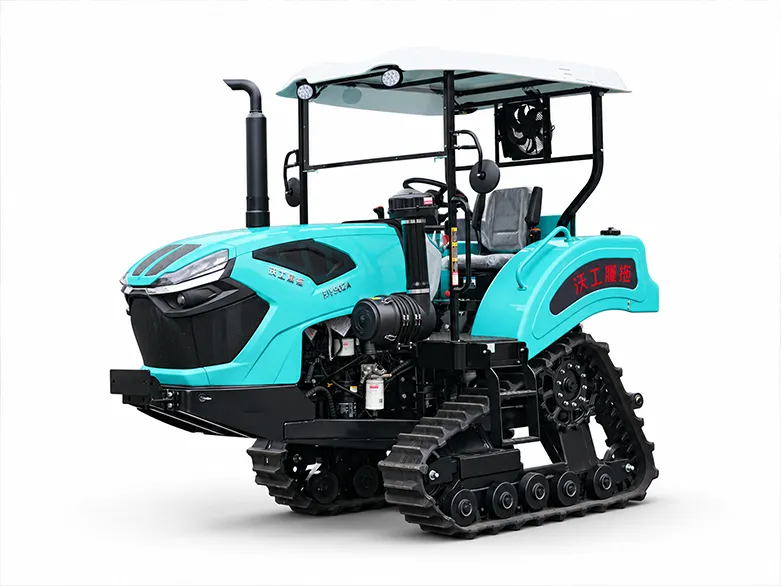
For buyers searching for tractors with tracks in Ecuador, the first question is whether a tracked machine matches the land and work—not simply whether it can travel over rough ground. Tracked tractors use continuous tracks instead of conventional wheels, a configuration that can help distribute machine weight over a larger contact area. The actual result depends on the tractor design, soil, slope, load and operating conditions. This page is for farms, agricultural contractors and machinery distributors assessing tracked equipment for work where traction or ground pressure may matter. No tractor model, engine rating, track dimensions or attachments have been provided for this offer, so specific performance cannot be confirmed here. Agricultural Machinery Manufacturer & Supplier reports a 68,000 m2 smart manufacturing base, 150+ customers, intelligent R&D, smart manufacturing, global service and CE certification at brand level. Before requesting a proposal, identify the tasks, terrain, expected workload and any local import or compliance requirements. Those details help establish whether a tracked tractor is appropriate and what product documentation you should review next.

Technical Detail

Configured around process stability, mold life, and long-term uptime.

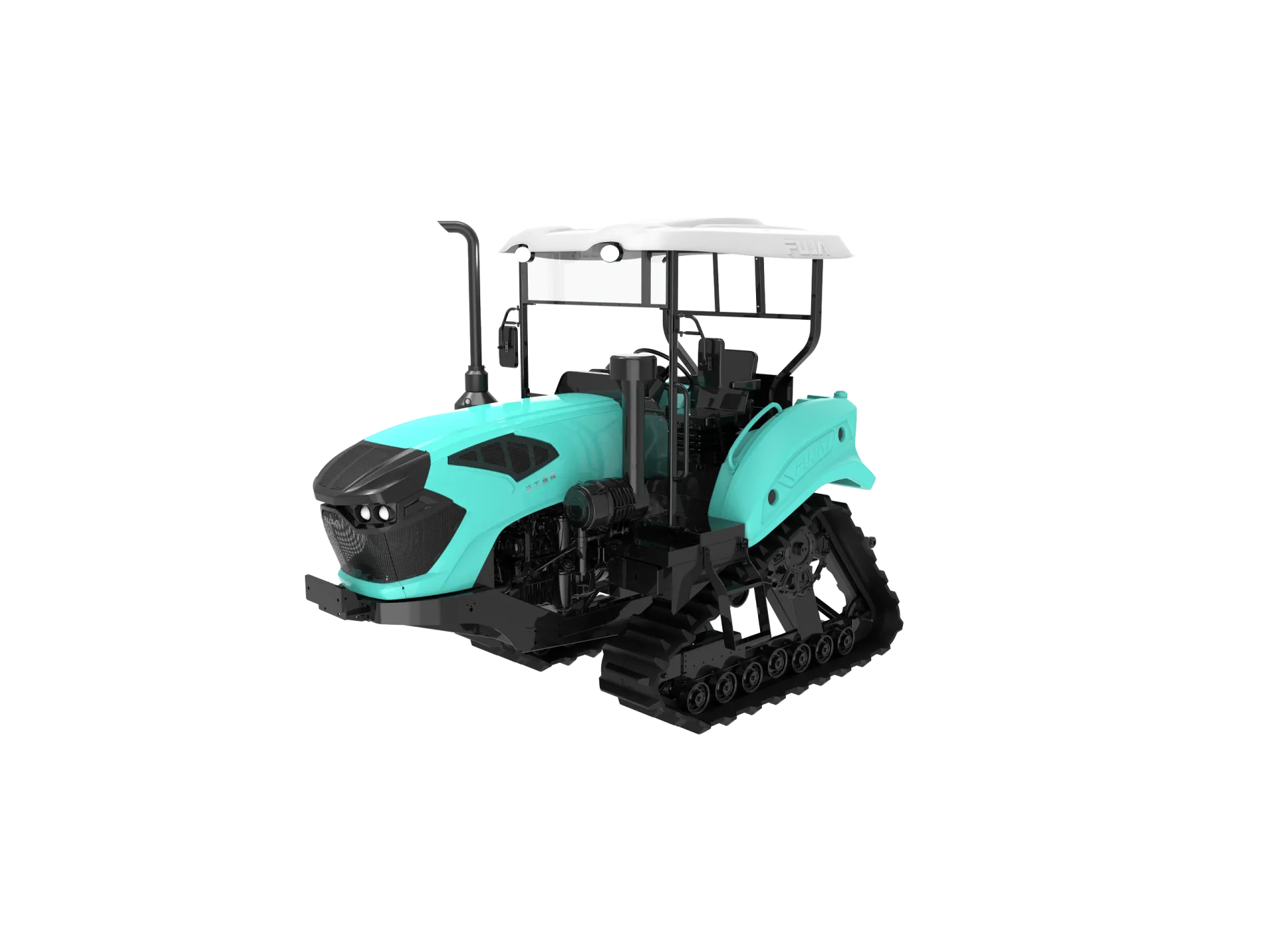
A tractor with tracks is an agricultural machine that moves on continuous track assemblies rather than standard tires. Buyers looking for tractors with tracks in Ecuador may be considering this format for field operations where soil traction, uneven ground or the effect of wheel loading deserves close attention. Track design and machine configuration vary, so the keyword alone does not identify a particular model or establish its operating limits. Agricultural Machinery Manufacturer & Supplier describes its manufacturing base as 68,000 m2 and reports serving 150+ customers. Its profile also highlights intelligent R&D focused on practical design challenges and smart manufacturing intended to support consistent production. These are company-level details, not specifications for a particular tracked tractor. No model number, engine output, operating weight, track width, ground pressure, dimensions or compatible attachments have been supplied. Buyers should request a technical sheet for the exact machine under consideration rather than rely on general assumptions about tracked equipment. The brand profile lists CE certification. That statement should be checked against the specific tractor, its nameplate and the applicable conformity documents before purchase; brand-level information does not confirm that every product or configuration carries the same documentation. For Ecuador-bound orders, also confirm the requirements that apply to the intended import and use. A useful first inquiry should identify the work, terrain and operating conditions, then request the matching model information and supporting documents. This keeps the discussion grounded in verifiable details and makes it possible to assess whether the proposed machine fits the buyer’s needs.

Paddy Field Crawler Tractor

How Continuous Tracks Change Ground Contact

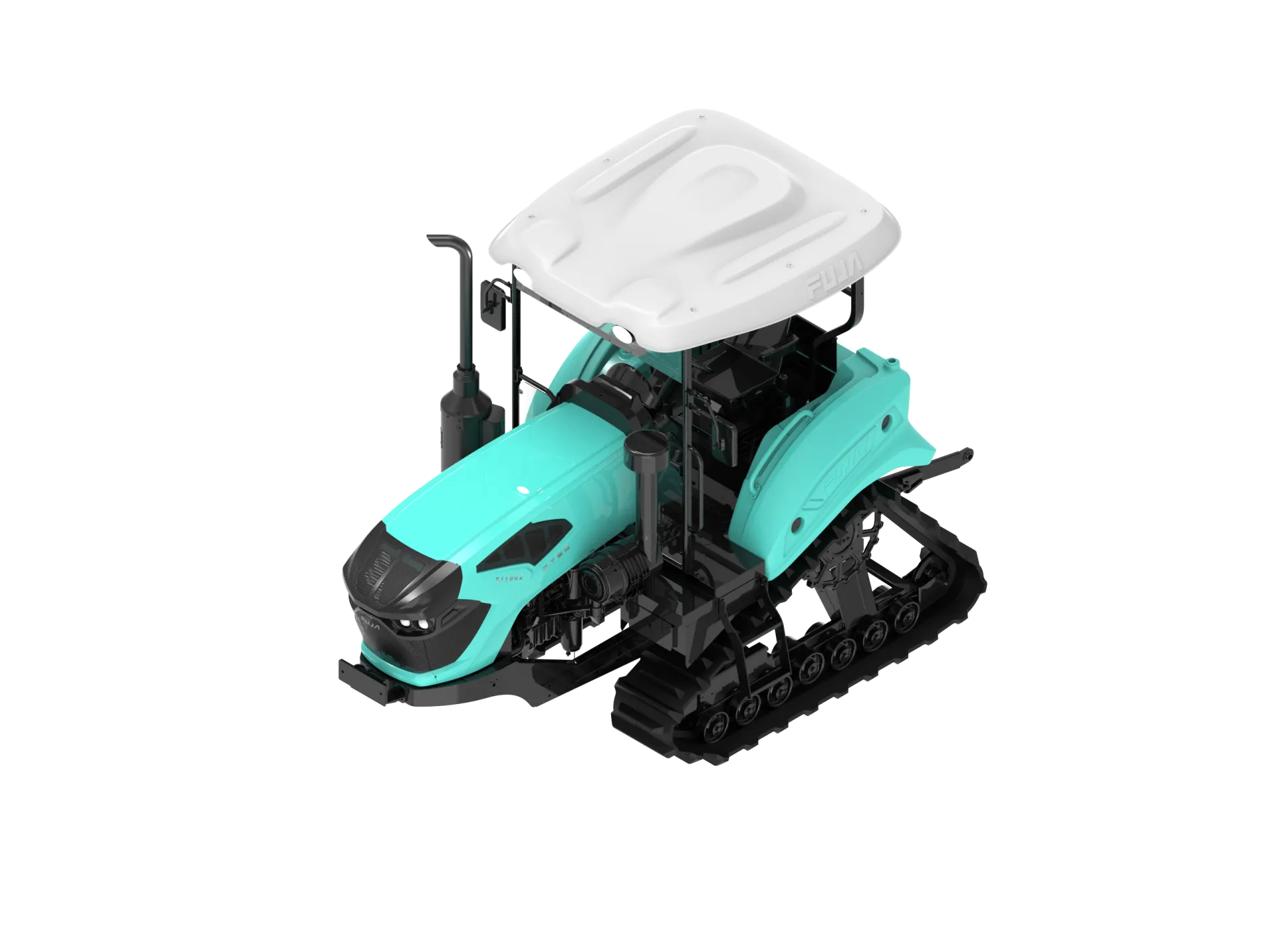
A tracked tractor carries its load through linked track assemblies that circulate around the running gear. Unlike a wheeled tractor, its contact with the ground is spread along the track footprint. In suitable conditions, this arrangement can help reduce concentrated loading and maintain traction; it does not guarantee lower soil impact or better mobility in every field. Soil moisture, slope, machine mass, track dimensions, speed and implement load all affect the outcome. For a buyer comparing tractors with tracks in Ecuador, the useful technical distinction is the complete machine configuration, not the word “track” on a listing. Ask whether the offered machine is designed and manufactured as a tracked tractor or is a wheeled model with a conversion arrangement. Request diagrams or product documentation showing the track system and the tractor’s operating configuration. Since no product file or specifications have been supplied for this offer, track type, undercarriage layout and service access cannot be stated as established facts. Confirm them with the supplier before comparing performance claims or planning maintenance.

Paddy Field Crawler Tractor

Match the Machine to Ecuador’s Work Conditions

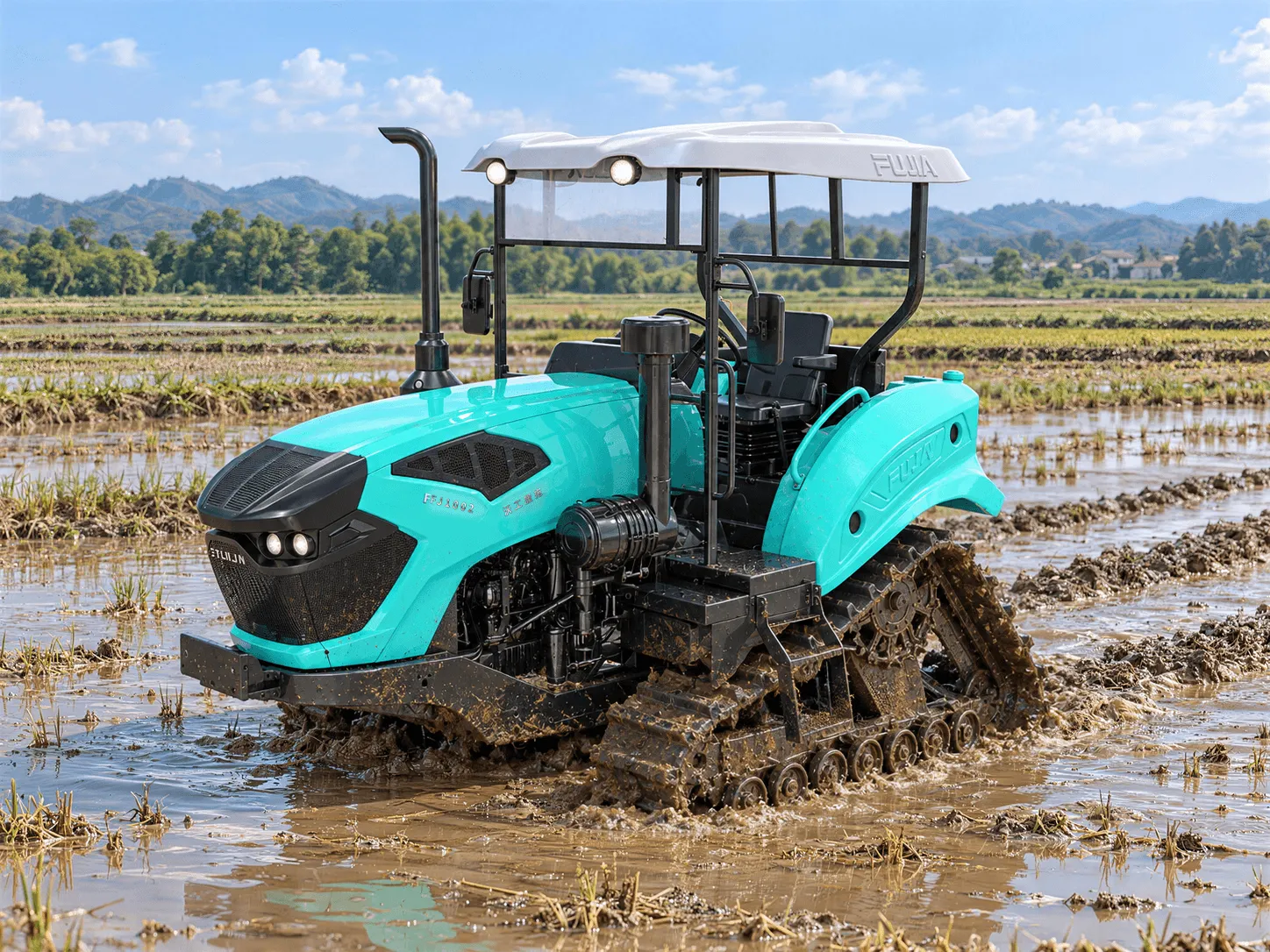
Tracked equipment may be worth assessing when the job involves soft or uneven ground, slopes, or a need to consider how machine weight is distributed. These are starting points for evaluation, not a guarantee that a particular tractor will work safely or efficiently. Conditions vary between farms and even between fields: a wet lowland, a firm access road and a sloping plot place different demands on traction, turning and ground contact. Before treating a tracked tractor as a fit, write down the work to be done, the ground conditions during the operating season, the steepest areas, access restrictions and the implements or loads involved. Consider where the machine must turn and whether it will travel on paved or hard surfaces, where track wear and surface damage may be concerns. The manufacturer has not provided a model, operating limits or application list here, so suitability for Ecuadorian crops, terrain or climate cannot be confirmed from the available information. Use these job details to ask the supplier for a written match against the exact tractor’s operating limits, and do not assume that a tracked configuration removes the need to assess slope or soil conditions.

Paddy Field Crawler Tractor

Prepare a Product-Specific Inquiry

A useful inquiry should make it possible to identify a real machine and check its fit. Send the supplier the intended tasks, typical terrain and soil conditions, expected hours of use, transport or access constraints, and the implements you plan to operate. If you already have a tractor specification or procurement requirement, include it for comparison. Avoid asking for a general assurance that the machine is suitable; ask for the model and documents that support the answer. Request the exact model designation, technical data sheet, operating weight, engine information, track dimensions, stated operating limits, compatible implements and parts documentation, where available. Ask which attachments or configurations are actually offered for that model rather than assuming they are included. The brand profile reports a 68,000 m2 smart manufacturing base and global service, but it does not specify Ecuador service arrangements, parts availability or delivery terms. Confirm those items in writing for the proposed order. The profile also lists CE certification; request the relevant documentation for the specific product and configuration. This checklist helps buyers compare proposals on verifiable details without presuming price, lead time or minimum order quantity.

News

Industry updates

Products

Production modules

Why Choose Us

A Manufacturing Partner With Stated R&D and Global Reach

Agricultural Machinery Manufacturer & Supplier presents itself as a high-end agricultural machinery brand, with a stated 68,000 m2 smart manufacturing base and more than 150 customers. Those figures provide company context, but they do not replace inspection of the tractor model being quoted. Buyers can use the supplier’s intelligent R&D focus as a reason to discuss how a machine is intended to address real operating challenges, then request specifications and evidence for the proposed configuration. The company also describes smart manufacturing as part of its production approach and lists global service among its strengths. For an Ecuador purchase, clarify what global service means for the destination: who handles technical questions, which parts documents are available and how support is arranged. Do not assume a local office or a particular response time unless the supplier confirms it. The profile lists CE certification, which should be verified against the product’s own conformity documents rather than treated as proof that every model is covered. A practical procurement discussion can connect the company’s stated capabilities to the specific tractor, its documentation and the support plan available to the buyer.

FAQ

Common technical questions

What information should I compare between tracked tractor offers?

Compare the exact model, operating weight, engine data, track dimensions, stated operating limits and compatible implements. These specifications have not been provided for this offer, so request the product data sheet and compare like-for-like configurations.

Are tractors with tracks suitable for every farm in Ecuador?

No. Suitability depends on the tractor’s documented limits and the farm’s soil, slope, access routes, workload and operating season. Ask the supplier to assess your actual conditions against a specific model; the available brand information does not confirm suitability for a particular farm or crop.

What should I check before operating a tracked tractor on a slope?

Follow the exact model’s operator manual and stated slope limits. Check the ground condition, route, load and implement setup, and do not use a general tracked-tractor claim as a substitute for the manufacturer’s safety instructions. No model-specific limits or manual were provided here.

Does the brand’s CE certification apply to every tracked tractor it sells?

The brand profile lists CE certification, but it does not identify the covered models or configurations. Ask for the conformity documents and product identification for the exact tractor you are considering, and verify that they correspond to the supplied machine.

Need a solution for your project?

Share your product type, target capacity, and application requirements. Our team can review the details and recommend a practical next step.

Contact Us