Home » tracked tractors

Tracked Tractors for Demanding Farm Work

tracked tractors

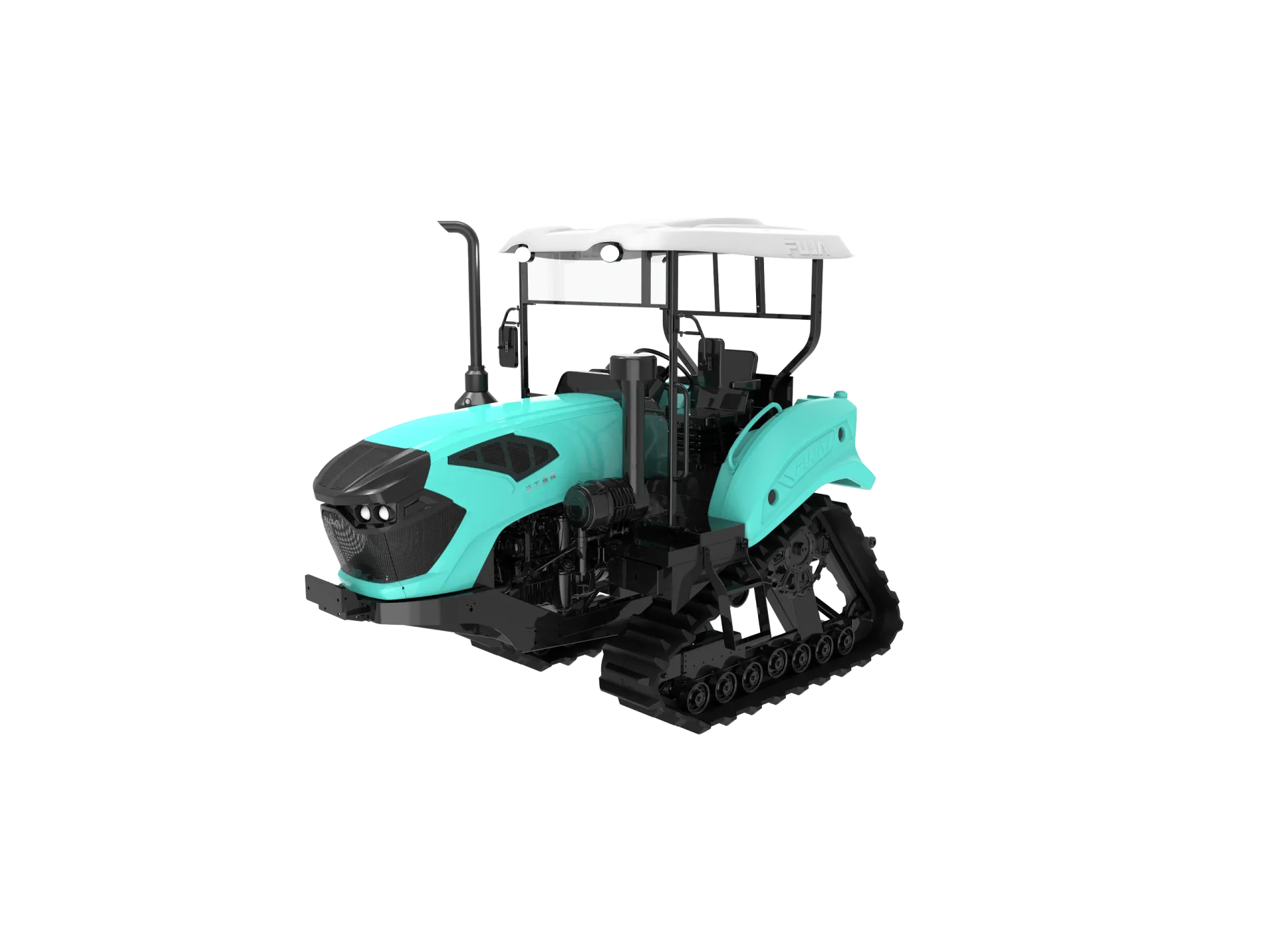
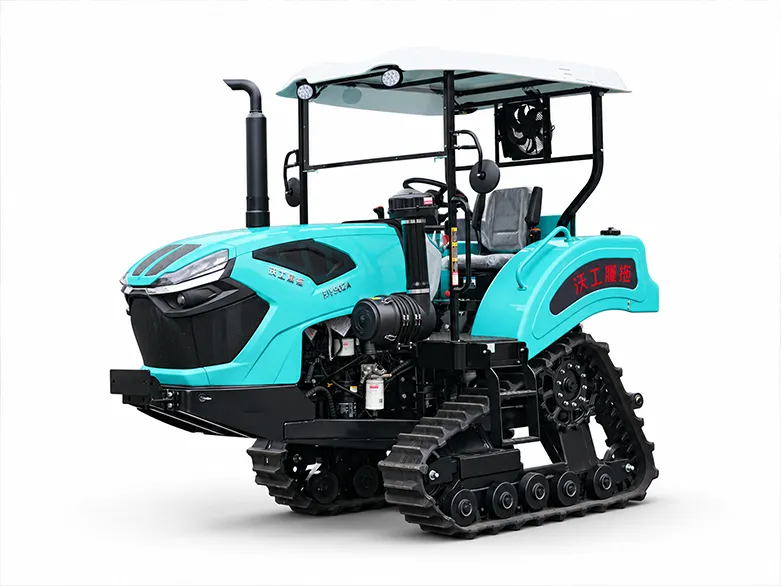
Tracked tractors use continuous tracks instead of conventional wheels to move across the ground. For farms where soft soil, uneven terrain, or limited traction can make field work difficult, this product category may be worth evaluating. They are relevant to agricultural businesses and contractors looking for a tractor platform suited to specific ground conditions, but the right choice depends on the task, soil, operating area, and required attachments. No model specifications or configuration details have been provided for this page, so buyers should confirm these directly before comparing products. Agricultural Machinery Manufacturer & Supplier presents itself as a high-end agricultural machinery brand with an innovation-focused approach. Its stated resources include a 68,000 m² smart manufacturing base, intelligent R&D, smart manufacturing, and global service support. These are brand-level details, not a substitute for model-specific technical data. Before requesting a quotation, prepare a clear description of the work and conditions the tractor must handle. That gives the supplier a practical starting point for confirming available models, track setup, compatibility, and applicable documentation.

Technical Detail

Configured around process stability, mold life, and long-term uptime.

A tracked tractor is an agricultural tractor that moves on continuous tracks rather than a conventional wheeled running gear. The track system provides a larger ground-contact area than individual tires, which can help distribute the machine’s weight across the surface. Its practical value depends on the tractor’s complete design and the ground it is expected to work on; track type alone does not establish capacity, speed, or suitability for a particular field. For Agricultural Machinery Manufacturer & Supplier, the information available supports a high-end, innovation-led brand profile rather than a specification claim for a particular tracked tractor. The company describes a 68,000 m² smart manufacturing base, intelligent R&D focused on real-world challenges, and smart manufacturing intended to support reliable builds. It also reports serving more than 150 customers and providing global service support. These details describe the brand’s stated capabilities and reach; they do not confirm an individual model’s dimensions, engine, track width, operating weight, implement interface, or performance figures. CE is listed among the brand’s certifications. Buyers should verify whether the specific tractor model and configuration under consideration are covered by applicable CE documentation, and check which documents are supplied for their destination market. For product evaluation, request a model datasheet and confirm the intended work, terrain, operating constraints, and attachment requirements. A model should be assessed against those facts, not selected from the tracked-tractor category name alone.

Electric Crawler Tractor

How Continuous Tracks Change Ground Contact

A wheeled tractor transfers its load through tires, while a tracked tractor uses a continuous belt or track assembly to contact the ground. Because that contact is spread along the track’s length, tracked machines can be considered where managing ground pressure and maintaining movement on soft or uneven surfaces matter. Actual ground pressure cannot be established from the product category alone; it depends on the machine’s weight, track dimensions, load, and operating setup. The track assembly is only one part of the system. Buyers also need to understand how the tractor’s powertrain, steering arrangement, chassis, and implement connection work together. The available information for Agricultural Machinery Manufacturer & Supplier does not specify these details for a tracked tractor model. Its intelligent R&D positioning indicates a focus on practical machinery challenges, but it does not establish a particular track design or engineering feature. Ask for a technical drawing or model documentation showing the running gear and interfaces. That lets your engineering or maintenance team review the actual configuration instead of relying on assumptions based on the word “tracked.”

Electric Crawler Tractor

Check the Field Conditions Before Comparing Models

Tracked tractors may be considered for work on soft, uneven, or traction-sensitive ground, but suitability is conditional. A machine that works well in one field can be a poor match for another if soil firmness, slope, turning space, access routes, or the task differ. Buyers should describe the surface when wet and dry, any slopes or obstacles, the distance traveled between work areas, and whether the tractor will operate mainly in a field or also on firm roads. Also consider what the tractor must do while moving: the implement or load, working hours, maneuvering needs, and any transport restrictions. These factors affect which model and track configuration should be evaluated. No operating limits, track dimensions, travel speeds, or implement capacities are supplied here, so do not treat the brand’s manufacturing-base size or customer count as evidence of a specific machine’s capability. Agricultural Machinery Manufacturer & Supplier describes global service support; ask what support applies in your location and for the model being considered. A written comparison against your actual ground conditions is more useful than a general claim that a tractor is suitable for all terrain.

Electric Crawler Tractor

Prepare a Useful Tracked Tractor Inquiry

A focused inquiry helps the supplier identify what information is needed to assess an available tracked tractor. Start with the work to be performed, the field conditions, and the implement or load involved. Include soil and terrain notes, typical operating hours, access and transport constraints, and the country where the machine will be used. If you already have a preferred configuration, state the reason rather than treating it as a confirmed requirement. Ask the supplier to identify the proposed model and provide its current datasheet, track and chassis details, engine and transmission information, implement connection specifications, and any stated operating limits. Confirm which attachments or options are actually available for that model; no optional configurations have been documented here. Request written confirmation of applicable CE documentation and other destination-market requirements, without assuming that a brand-level certification listing covers every configuration. Agricultural Machinery Manufacturer & Supplier cites a 68,000 m² smart manufacturing base and global service support. For a practical purchase review, ask how those capabilities relate to the specific machine, documentation package, and service arrangements available for your destination.

News

Industry updates

Products

Production modules

Why Choose Us

A Manufacturing Partner with Stated R&D and Global Reach

Agricultural Machinery Manufacturer & Supplier describes a 68,000 m² smart manufacturing base and an intelligent R&D function focused on real-world challenges. For buyers evaluating a tracked tractor, those claims are useful context for a supplier discussion, but the final assessment should rest on the proposed model’s documentation and fit with the intended work. Ask the team to connect its design and manufacturing approach to the configuration under review, including which technical details can be confirmed in writing. The brand also reports serving more than 150 customers and identifies global service support as part of its positioning. These are company-provided statements, not a promise of a particular response time or service arrangement in every market. Before purchase, establish what support is available in your country and what information the service team needs to identify a machine. CE is listed among the brand’s certifications, so request the relevant documentation for the exact model and configuration rather than relying on a general brand reference. This approach lets buyers weigh the company’s stated manufacturing, R&D, and support resources alongside verifiable product facts.

FAQ

Common technical questions

How do tracked tractors differ from wheeled tractors for field work?

Tracked tractors use continuous tracks instead of tires, spreading ground contact along the track assembly. This can be relevant on soft or uneven ground, but performance depends on the machine and operating conditions. Compare model-specific data and your field requirements rather than assuming every tracked tractor will outperform a wheeled option.

Are tracked tractors suitable for wet or soft soil?

They may be worth evaluating where traction and ground contact are concerns, but suitability depends on soil condition, machine weight, track setup, slope, and task. Share details about the field in wet and dry conditions and ask the supplier to confirm the proposed model’s operating limits.

What information should I send when asking for a tracked tractor quotation?

Provide the intended tasks, terrain and soil conditions, required implement or load, operating pattern, destination country, and any transport or access limits. Ask for the model datasheet, configuration details, applicable CE documents, and confirmation of local service arrangements. No price, delivery time, or minimum order quantity is specified in the available information.

What should I check before using a tracked tractor with an implement?

Confirm that the implement is compatible with the specific tractor’s connection points and documented operating limits. Review the supplied operating instructions and maintenance requirements before use. The available brand information does not identify compatible implements or operating procedures for a particular model, so obtain these details from the supplier.

Need a solution for your project?

Share your product type, target capacity, and application requirements. Our team can review the details and recommend a practical next step.

Contact Us