

Home » Paddy Field Crawler Tractor supplier

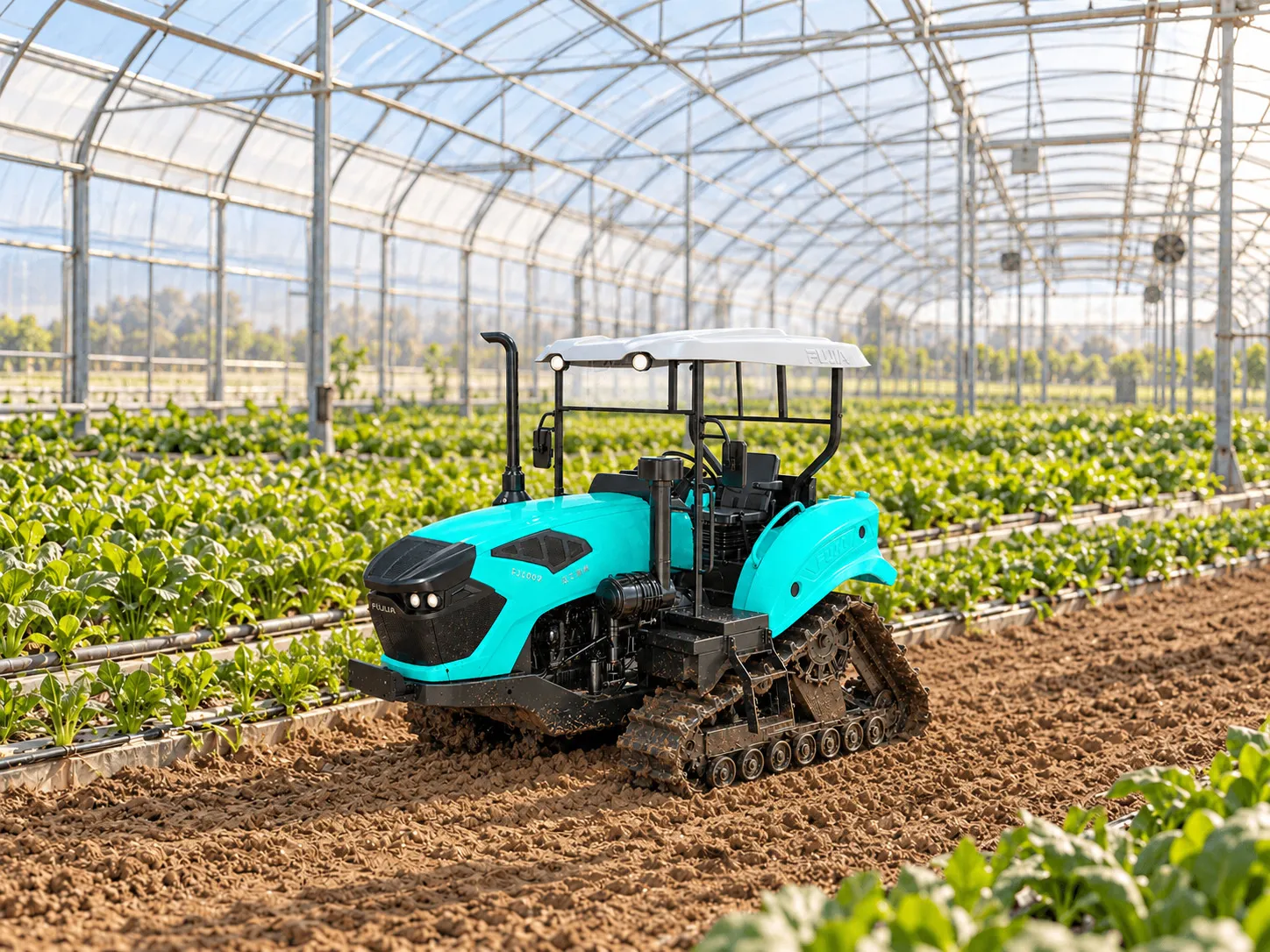
Paddy Field Crawler Tractor Supplier for Buyer Review

Paddy Field Crawler Tractor supplier

Choosing a Paddy Field Crawler Tractor supplier involves more than comparing product photos. Buyers need to establish what the manufacturer actually builds, how production is controlled, and whether its documentation fits the destination market. Agricultural Machinery Manufacturer & Supplier positions itself as a high-end agricultural machinery provider, with a 68,000 m2 smart manufacturing base, an intelligent R&D focus, and a stated customer base of more than 150. Those details provide a starting point for supplier qualification, but they do not replace a model-specific technical review. No tractor model, operating specification, production equipment list, inspection record, or export procedure has been provided here. Buyers should therefore confirm the exact crawler tractor configuration, intended paddy-field conditions, and supporting documents directly before treating the supplier as technically approved. The company identifies CE among its certifications; the relevant certificate scope and applicability to the requested machine should also be verified. Use this page as a practical screening brief, then request the evidence needed for your market and application before moving to a formal quotation.

Technical Detail

Configured around process stability, mold life, and long-term uptime.

For buyers searching for a Paddy Field Crawler Tractor supplier, the first due-diligence question is whether the company can document the exact machine being offered. Agricultural Machinery Manufacturer & Supplier describes itself as a high-end agricultural machinery manufacturer and supplier. Its stated 68,000 m2 smart manufacturing base and intelligent R&D capability indicate an organizational focus on manufacturing and product development, but the available information does not identify specific crawler tractor models, engine options, track dimensions, ground pressure, or working capacity. These must be confirmed against the buyer’s requirements rather than assumed from the supplier profile. The brand also reports serving more than 150 customers and lists CE certification. Treat these as screening points, not a substitute for verification: ask for relevant references where disclosure is permitted, and request the certificate and its scope for the product and market under review. Before technical approval, obtain a model-specific datasheet, configuration list, and available inspection or test records. The supplier’s manufacturing base may justify a closer assessment, while the missing product-level evidence remains an open qualification item. Buyers can use the initial inquiry to establish whether the supplier offers a suitable paddy-field crawler tractor, what is standard versus configurable, and which compliance documents can be supplied. A clear, document-backed response is the basis for deciding whether to proceed to a factory audit or commercial discussion.

Intelligent Crawler Tractor

What to Verify About the Manufacturing Setup

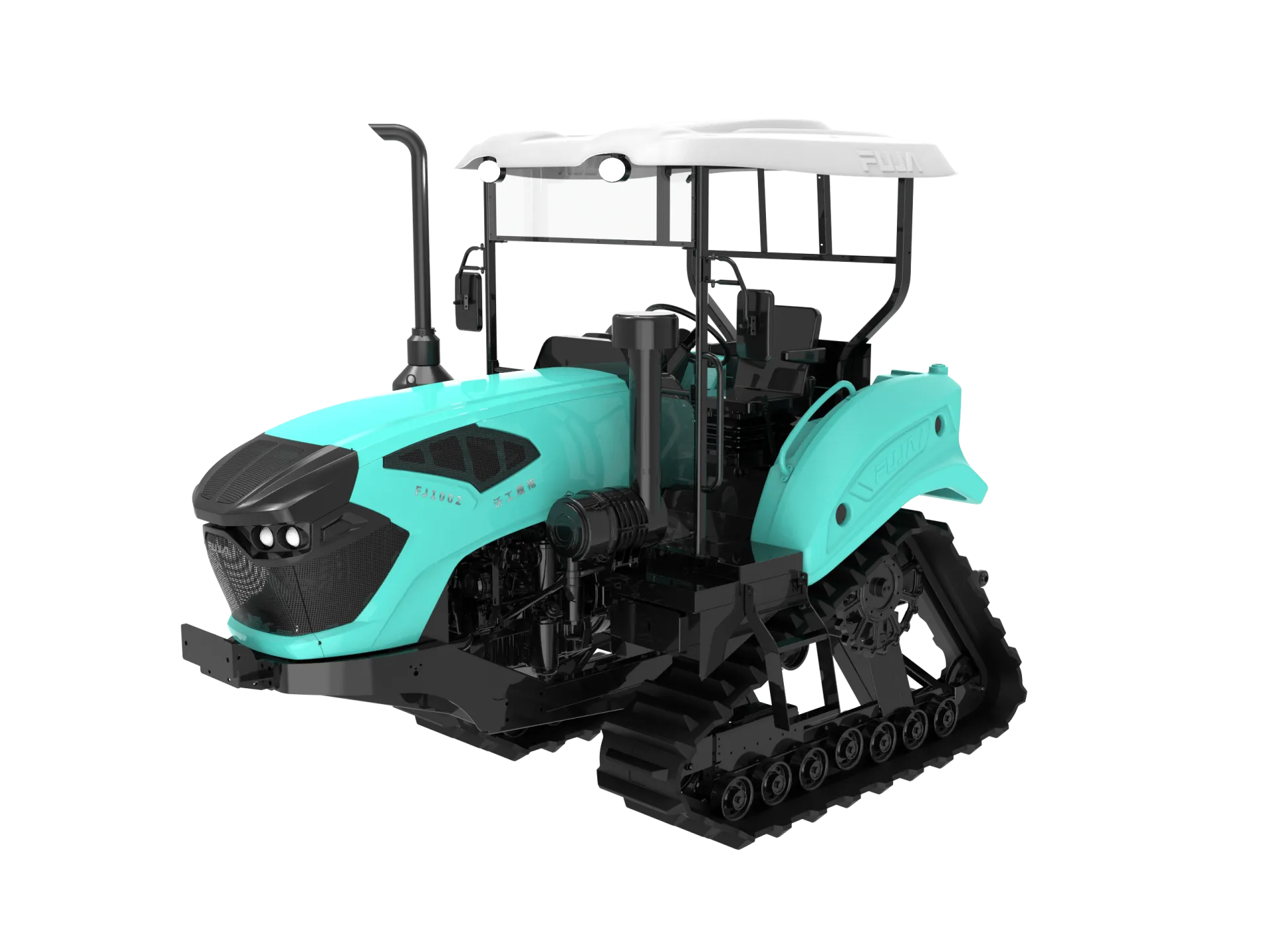
A stated 68,000 m2 smart manufacturing base is useful context, but size alone does not establish how a particular crawler tractor is produced. During supplier review, ask which production steps take place at the site and which components, if any, are sourced externally. Request a process overview that connects the proposed machine’s configuration to assembly and inspection records. The company describes its approach as smart manufacturing and precision builds, but no equipment inventory, process flow, or quality-control checkpoints were provided with the product information. Avoid treating these phrases as evidence of a specific production method until the supplier shares supporting material. For a remote review, ask for current photos or video of relevant production and assembly areas, with the proposed product or comparable machinery clearly identified. Confirm whether serial or batch identification can connect the finished machine to its inspection documents. If a visit is planned, agree beforehand on which processes and records can be reviewed. These questions help distinguish a manufacturing capability that is relevant to the requested tractor from a general corporate claim, without assuming unlisted machinery or factory procedures.

Intelligent Crawler Tractor

Assess Fit for Your Paddy-Field Conditions

Supplier qualification should connect the proposed tractor to the actual field, not just to the phrase “paddy field.” No operating limits or technical specifications have been supplied for this product, so suitability cannot be confirmed from the available information. Provide the supplier with the soil and water conditions, field access constraints, typical implement or load, and the tasks the machine must perform. Ask it to identify the exact model and configuration it considers appropriate, then request written operating limits and the technical reasoning behind that recommendation. Check that the response addresses conditions that can affect mobility and traction, such as soft ground, standing water, field entrances, and transitions between wet plots and firmer paths. Do not infer ground pressure, clearance, track width, or grade capability without model documentation. If your operation includes different soil conditions or implements, ask whether one configuration is suitable for all of them or whether limitations apply. A credible supplier response should make those boundaries explicit and identify any assumptions that need field validation. If the manufacturer cannot provide specifications or explain the limits, keep the machine at the information-gathering stage rather than approving it for procurement.

Intelligent Crawler Tractor

Prepare a Supplier Audit and RFQ Package

Before requesting a formal offer from a Paddy Field Crawler Tractor supplier, send a concise requirement package: destination country, intended work, field conditions, preferred configuration if known, applicable language needs, and the documents required for import or internal approval. Ask the supplier to return a model-specific quotation basis, technical datasheet, configuration breakdown, and a list of available inspection records. This makes it easier to compare responses without assuming unconfirmed price, lead time, minimum order quantity, or included equipment. For a supplier audit, request evidence that maps to the machine under discussion: production-process information, relevant quality checkpoints, finished-product inspection or test records, and traceability details if available. Agricultural Machinery Manufacturer & Supplier lists CE among its certifications, so request the certificate itself and verify the holder, product scope, validity, and relevance to the destination and proposed model. Keep a written record of open points, including any documents that are unavailable or require clarification. Move to commercial evaluation only when the product identity, technical fit, compliance evidence, and inspection basis are sufficiently clear for your organization’s approval process.

News

Industry updates

Products

Production modules

Why Choose Us

A Manufacturer Profile Buyers Can Put Through Due Diligence

Agricultural Machinery Manufacturer & Supplier presents several concrete reasons for a closer supplier review: a stated 68,000 m2 smart manufacturing base, an intelligent R&D focus, a reported customer base of more than 150, and CE listed among its certifications. These points give procurement teams a basis for opening a technical conversation, but they should be tested against the specific crawler tractor and destination market rather than accepted as blanket proof of suitability. The brand describes its R&D work as addressing real-world challenges and its manufacturing approach as precision-focused. Buyers can assess those claims by asking for the proposed model’s technical file, production and inspection evidence, and a clear explanation of which configuration matches their paddy-field conditions. The reported customer experience may also support a reference request, subject to customer confidentiality. For compliance review, request the actual CE documentation and confirm its scope; the available information does not establish that a particular crawler tractor configuration is covered. This evidence-led process allows buyers to judge whether the company’s manufacturing, development, and certification claims align with their purchasing requirements before committing to the next review stage.

FAQ

Common technical questions

Does CE certification confirm that every crawler tractor configuration is compliant?

Not by itself. The brand lists CE among its certifications, but buyers should request the certificate and verify its holder, scope, applicable product or model, and relevance to the destination market. The available information does not confirm coverage for a specific crawler tractor.

What should I provide so the supplier can assess a tractor for my fields?

Share the field and soil conditions, water level or wet-work conditions, intended tasks, implements or loads, access constraints, and destination country. Ask the supplier to identify a model and provide the specifications and operating limitations that support its recommendation.

What documents should I request before approving a supplier?

Start with a model-specific datasheet and configuration list, then request applicable compliance documents and available inspection or test records. For an audit, ask how production and quality checks relate to the proposed machine. Confirm document availability directly; no export-document or packaging details were provided.

Can I compare this supplier’s crawler tractor with another model using track width alone?

No. Track width is only one specification and no value has been provided here. Compare complete, model-specific data relevant to your operation, such as ground contact and clearance information if available, operating limits, and compatibility with your intended tasks. Ask both suppliers to explain their figures and test basis.

Need a solution for your project?

Share your product type, target capacity, and application requirements. Our team can review the details and recommend a practical next step.

Contact Us




