EN
 HR

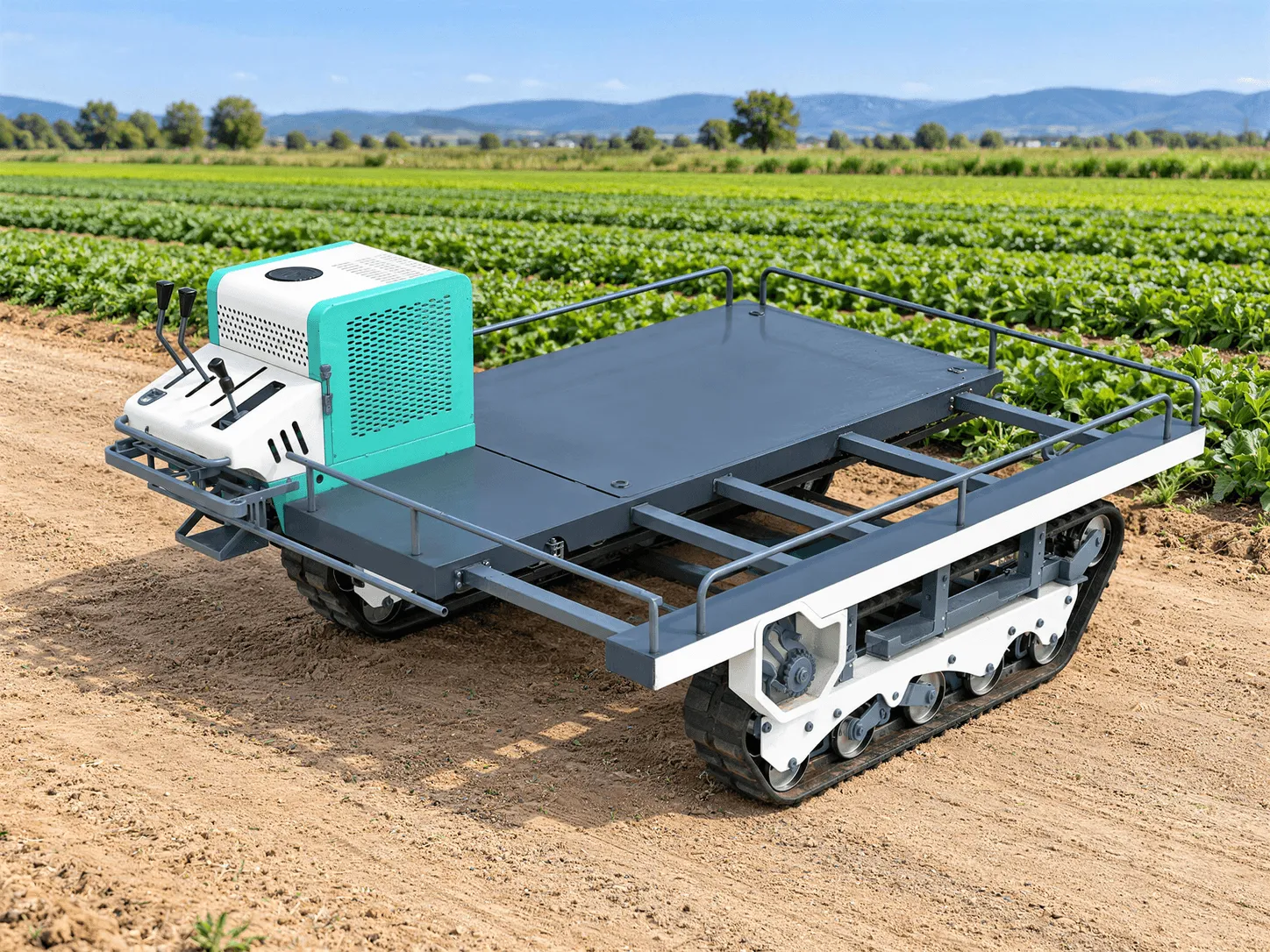
How Tracks Support Material Movement
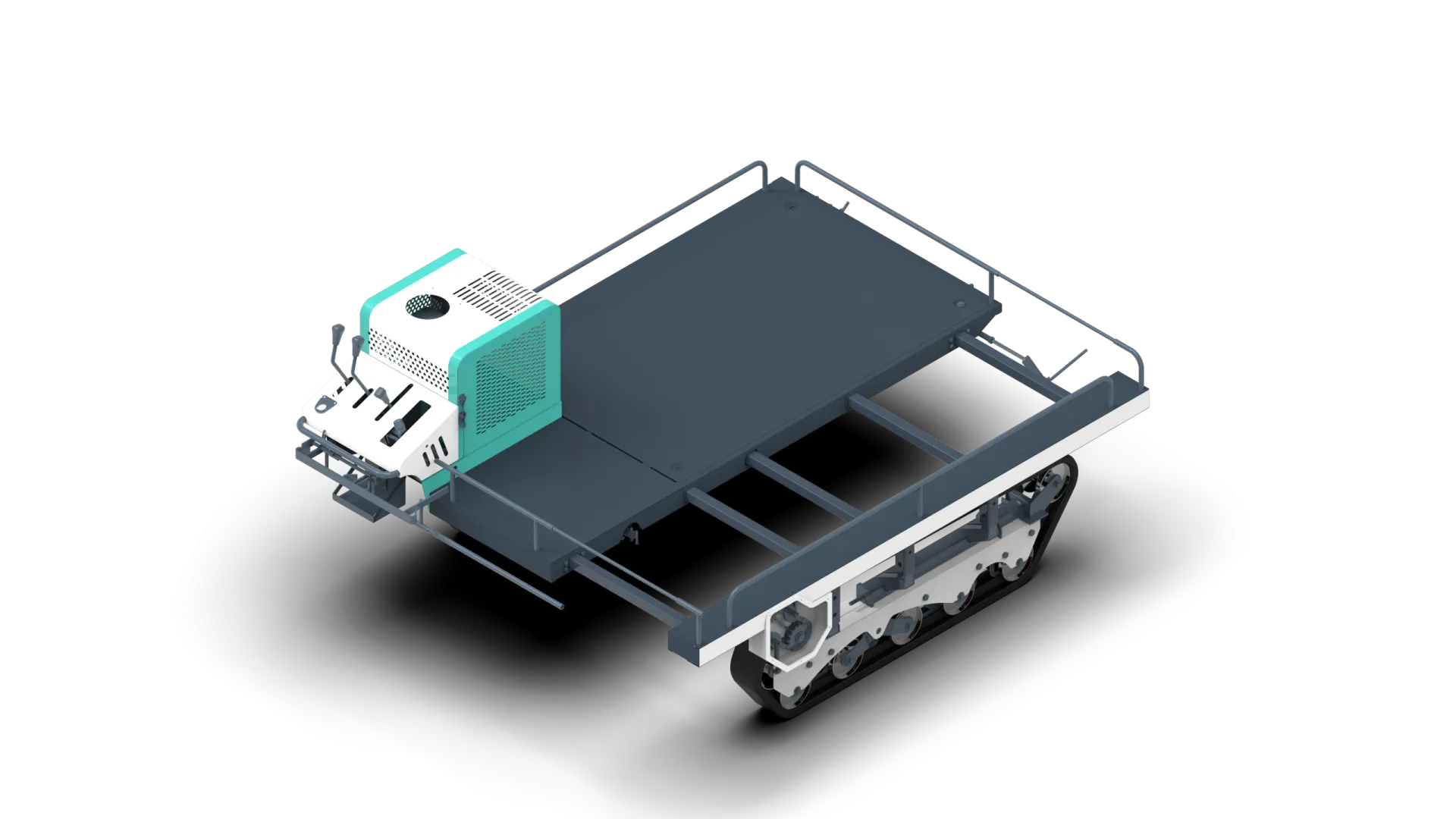
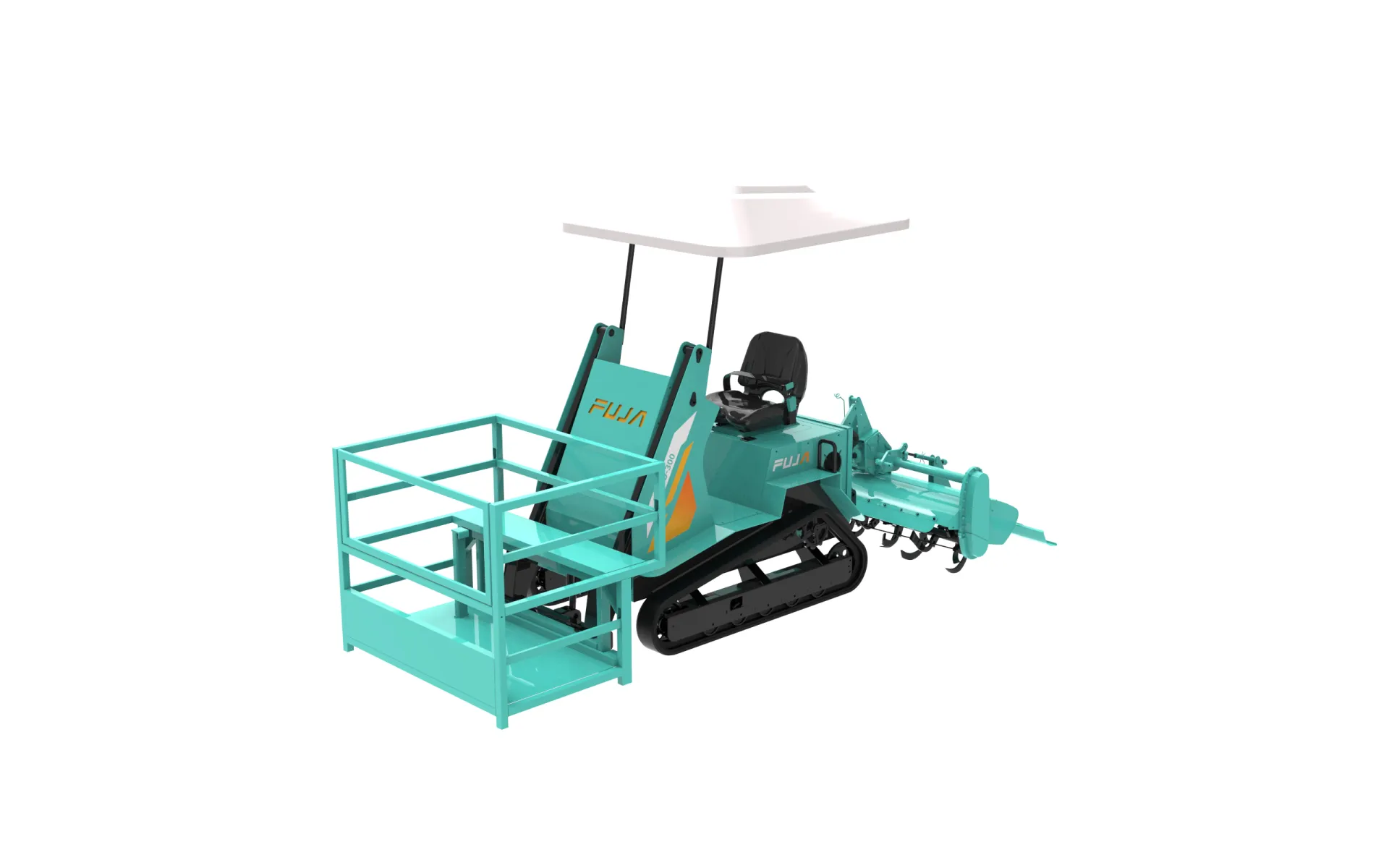
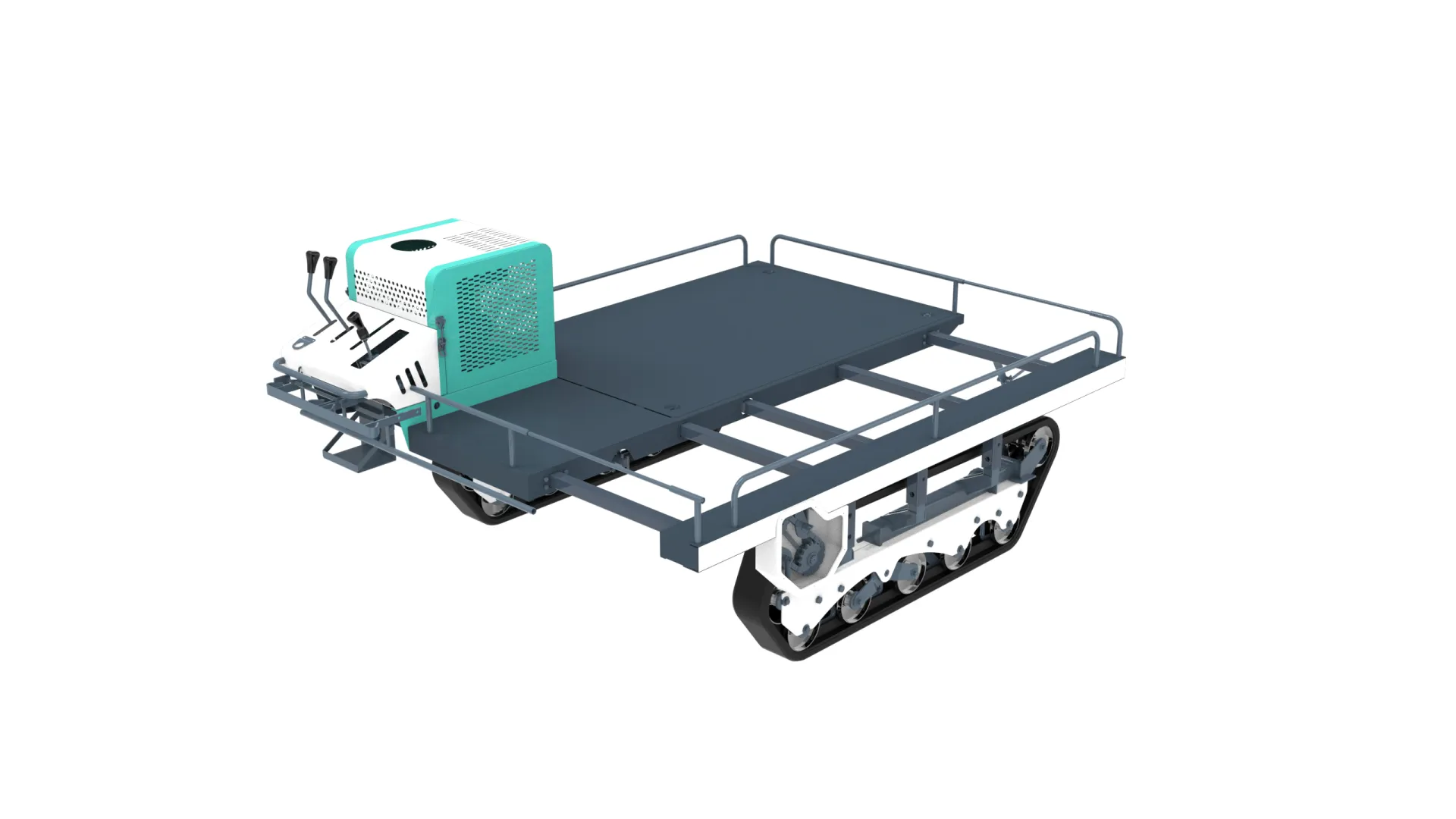
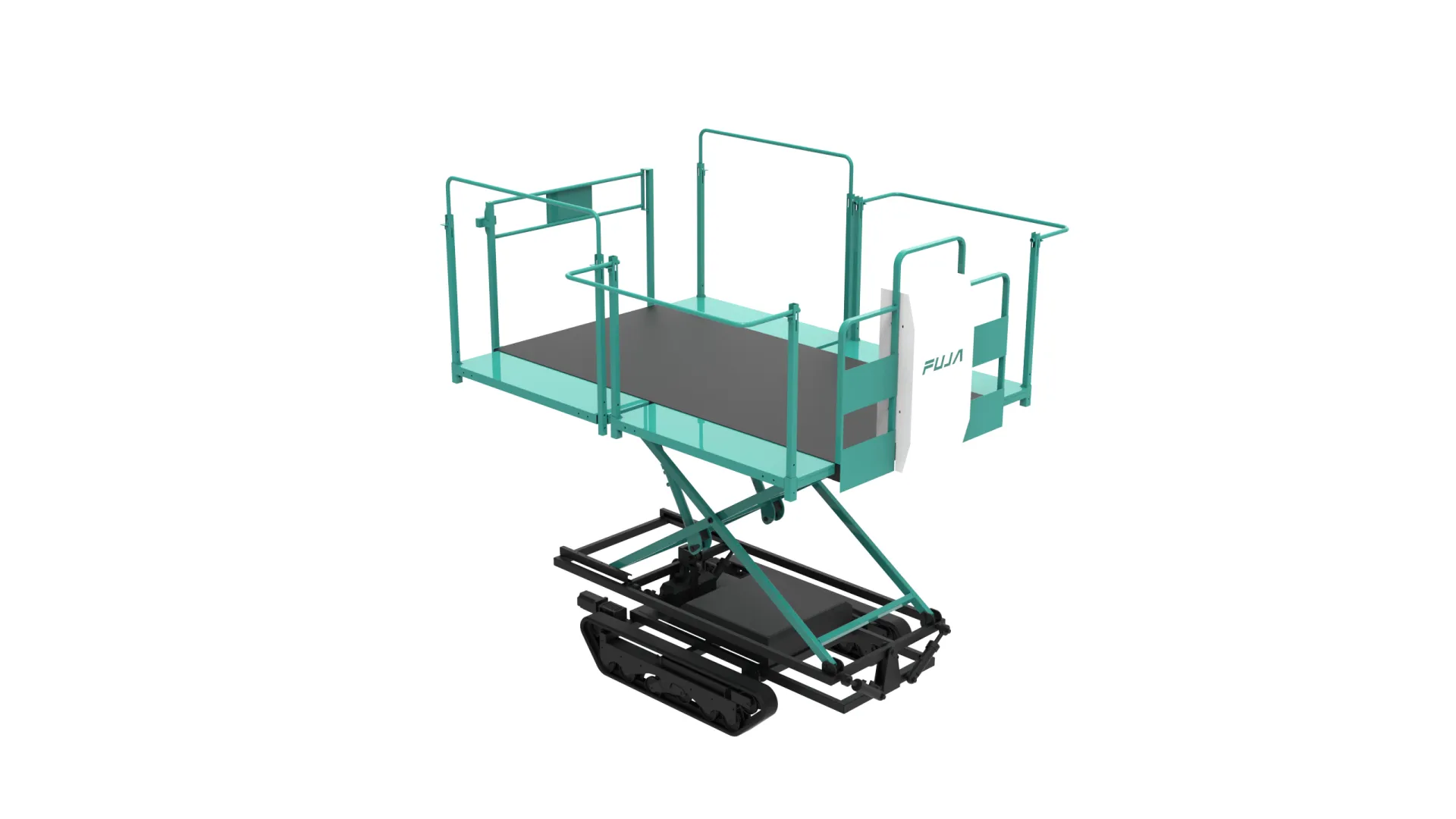
Crawler carriers use tracks instead of conventional wheels to move a vehicle and its load. In general, a tracked undercarriage distributes contact across a longer ground area than a wheel at a similar point, which can help a vehicle travel over some soft or uneven surfaces. Actual traction and ground pressure depend on design, load, track dimensions, and soil conditions; they cannot be determined from the term “crawler carrier” alone. A complete machine may combine an undercarriage with a load-carrying body or platform, operator controls, and other systems. The exact layout varies by model. The information supplied by Agricultural Machinery Manufacturer & Supplier describes intelligent R&D and a smart manufacturing base, but does not identify crawler carrier components, track type, drive system, or body design. Buyers should therefore treat these as points to verify, not assumed features. Ask for a model drawing or technical sheet showing the undercarriage and carrying arrangement, then compare it with the actual route and load. This gives engineering and operations teams a shared basis for discussing how the machine moves and carries materials.