Home » crawler multi-purpose platform

Crawler Multi-Purpose Platform for Agricultural Work

crawler multi-purpose platform

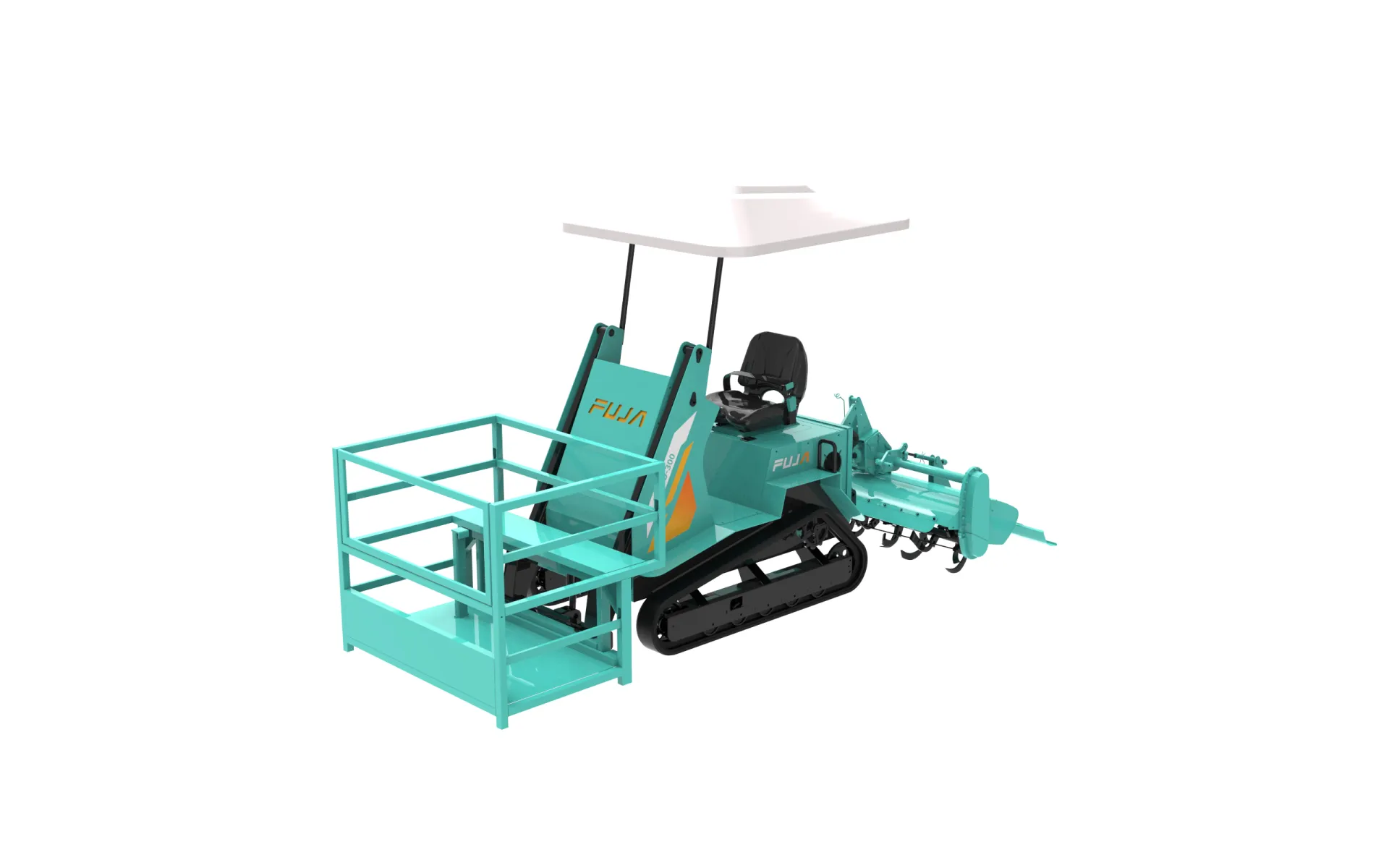
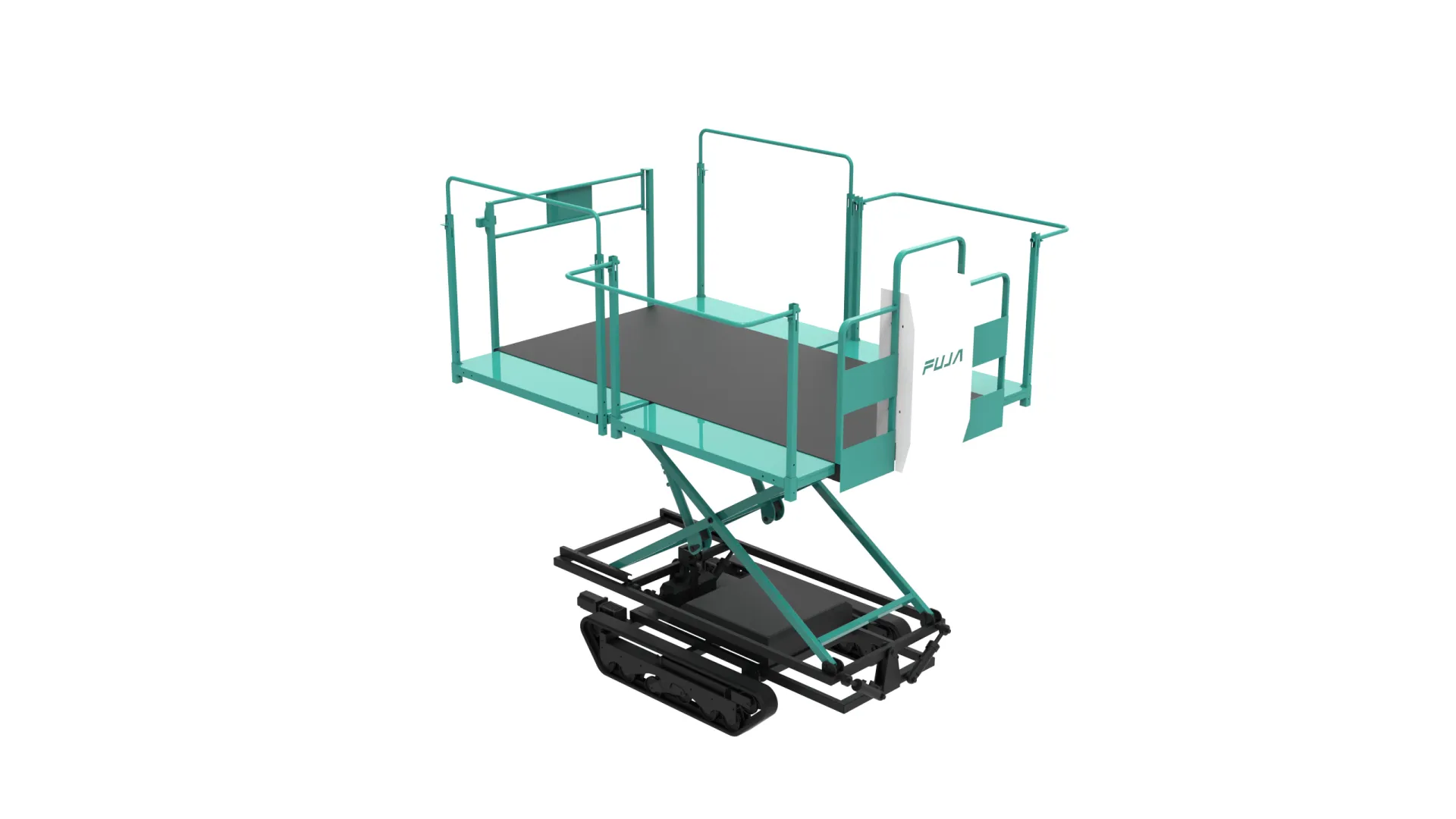
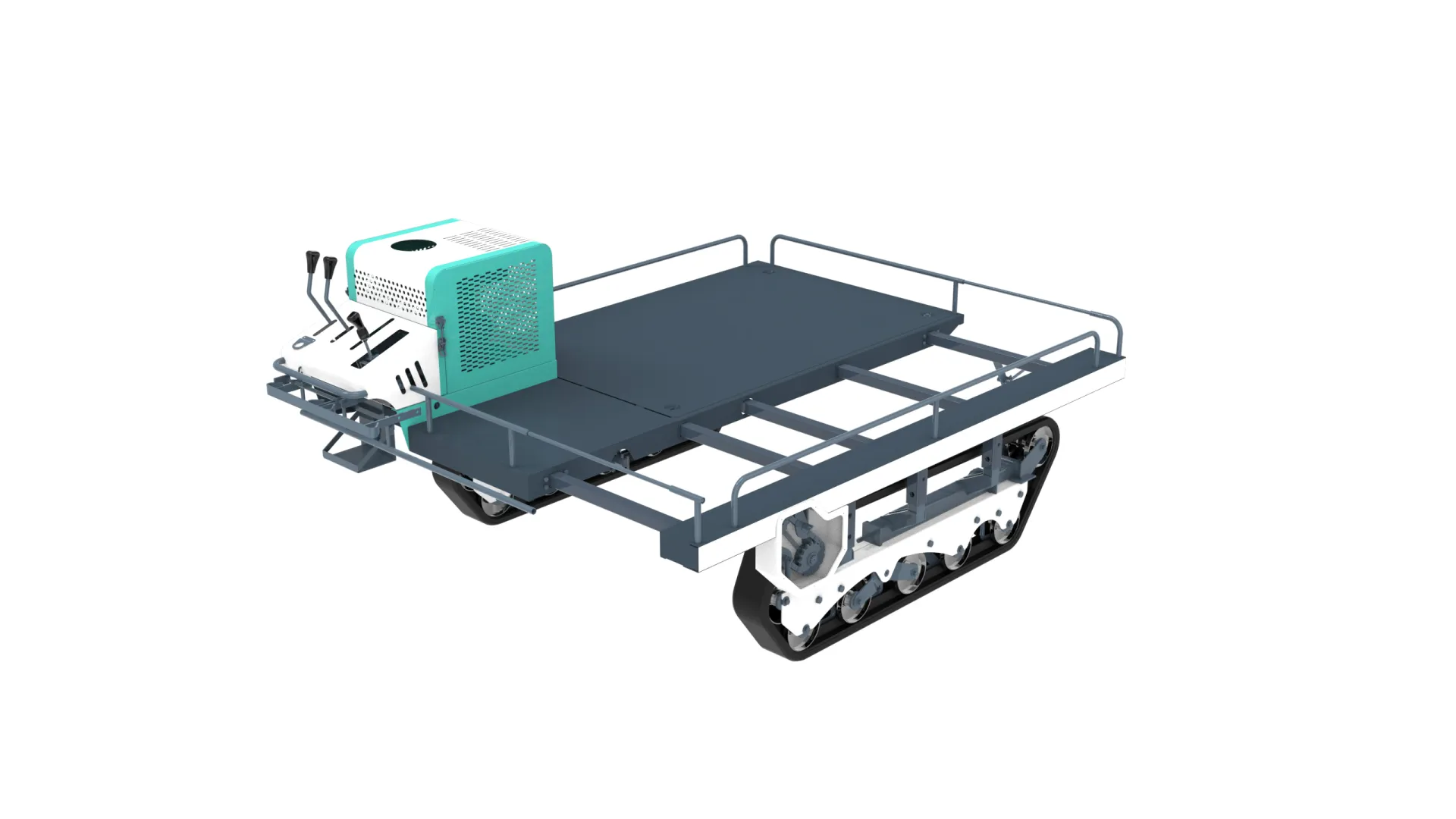
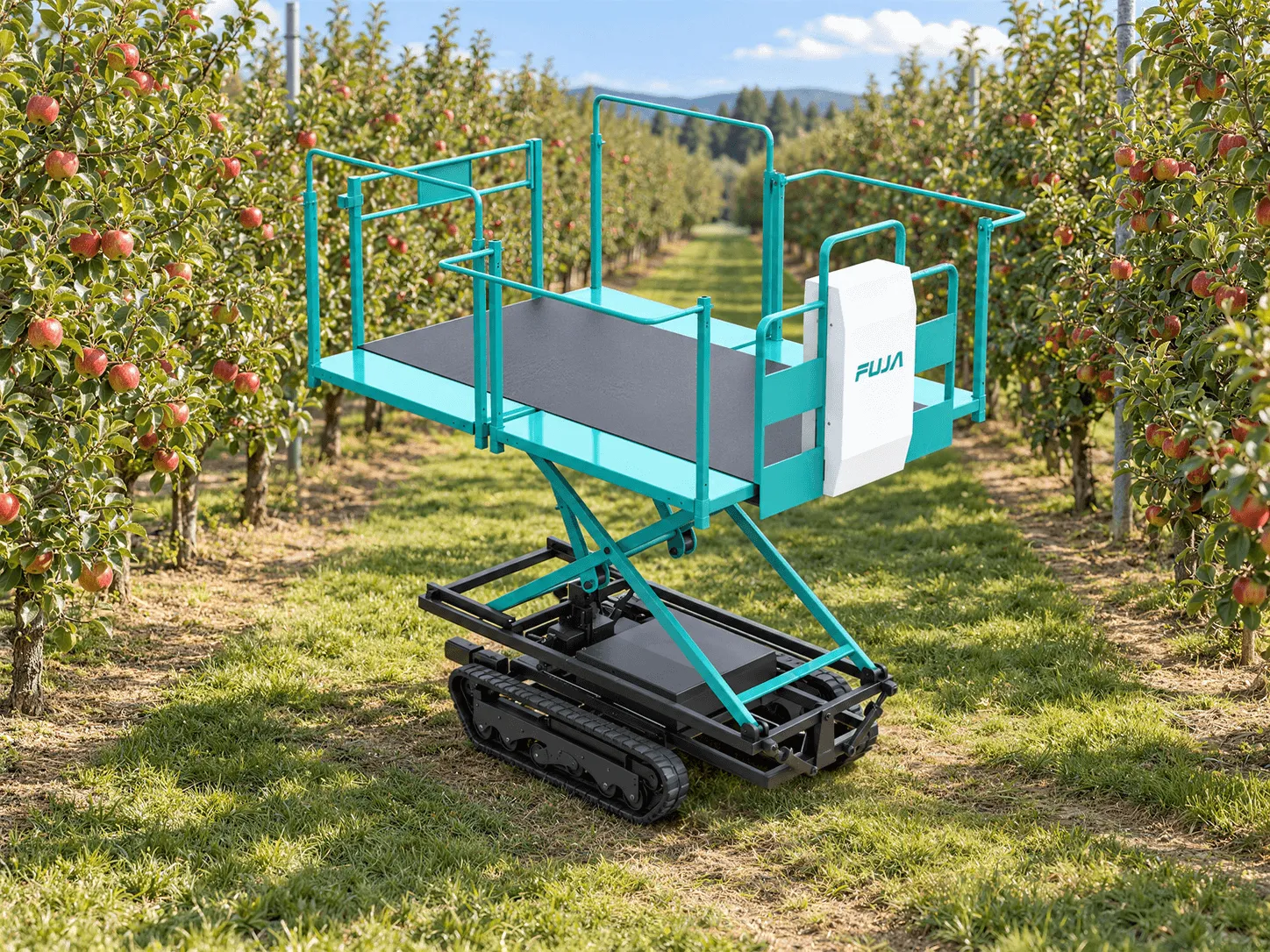
A crawler multi-purpose platform is a tracked machine carrier intended to support different work tasks through an appropriate upper structure or equipment configuration. For agricultural buyers, the term can describe a platform concept rather than a specific machine specification, so details such as payload, track dimensions, power source, attachments, and operating limits need confirmation before purchase. It may be relevant to farms or machinery businesses assessing equipment for uneven ground, but suitability depends on the actual terrain, load, crop layout, and task. Agricultural Machinery Manufacturer & Supplier presents itself as a high-end manufacturer focused on practical design and global service. Its stated resources include a 68,000 m2 smart manufacturing base, intelligent R&D, and a customer base of more than 150 customers. No model-specific product data has been supplied for this page, so no capacity, speed, dimensions, or attachment compatibility can be confirmed here. Buyers should first define the intended job and working conditions, then request the relevant model specifications and applicable CE documentation for evaluation.

Technical Detail

Configured around process stability, mold life, and long-term uptime.

The crawler multi-purpose platform is a product category for buyers seeking a tracked carrier that may be configured for more than one task. Unlike a complete machine specification, the phrase alone does not identify a particular chassis, power system, load rating, or implement interface. Those details determine what the platform can do and whether it fits a farm’s work pattern. Agricultural Machinery Manufacturer & Supplier positions its offering around intelligent R&D and smart manufacturing, with a stated 68,000 m2 manufacturing base. The company also reports serving more than 150 customers. These are brand-level details; they do not establish the capabilities of a specific crawler model. No product file was provided with measurable specifications or a list of available attachments, so buyers should treat configuration and performance as items to verify rather than assume. The company identifies CE among its certifications, but purchasers should confirm which model and configuration are covered and request the relevant documents. A useful first inquiry describes the task, surface conditions, required payload, working dimensions, and any equipment the platform must carry. With those details, the manufacturer can clarify whether a suitable configuration exists and provide documentation for technical review. This approach helps distinguish a genuinely multi-purpose platform from a tracked carrier whose interfaces or operating limits restrict it to a narrower set of jobs.

Crawler Multi-purpose Platform

How a Tracked Platform Supports Different Tasks

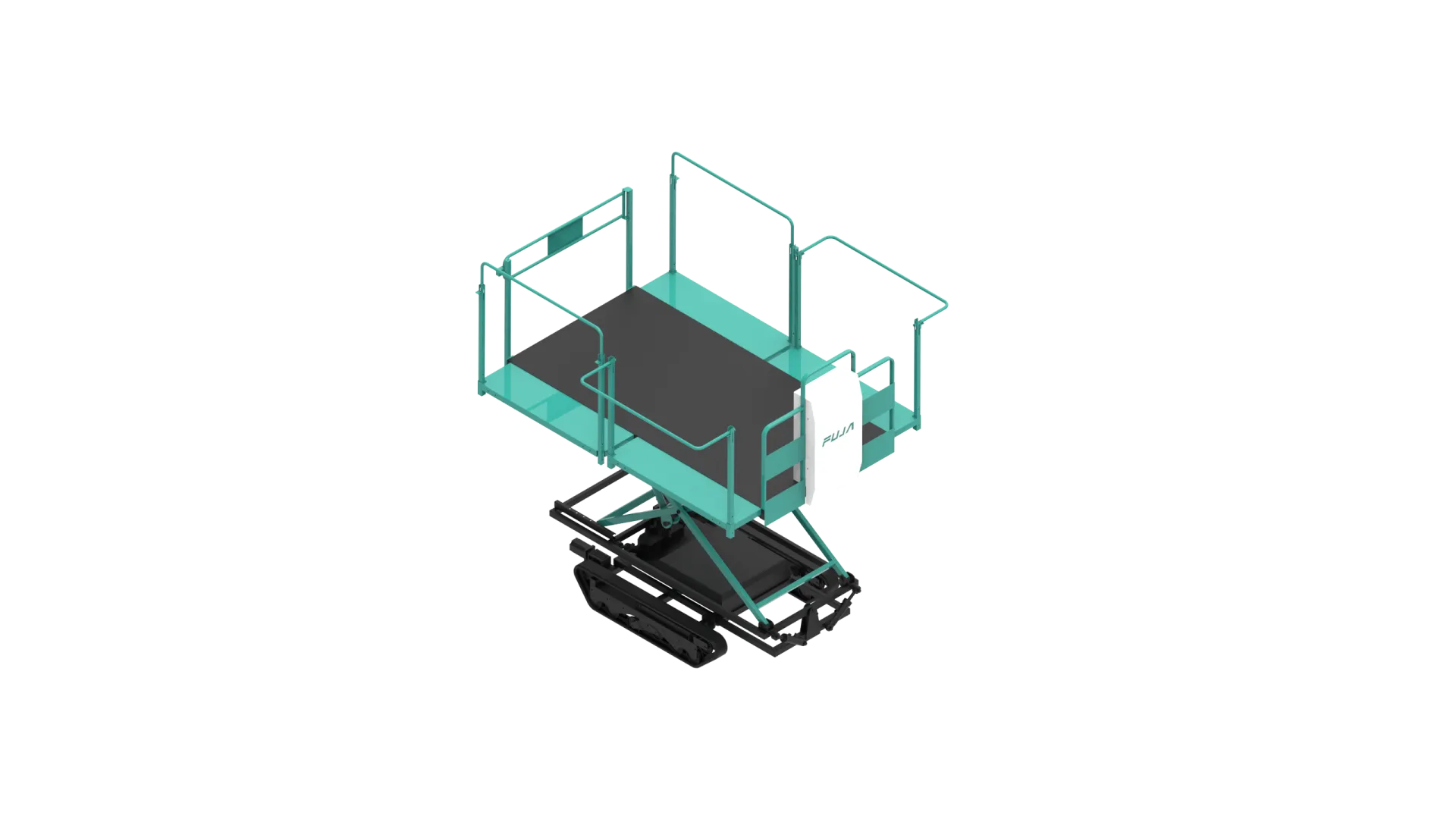
A crawler platform uses tracks as its ground-contact system and carries a chassis or deck intended to support a machine body, load, or work equipment. The term “multi-purpose” usually refers to the possibility of using a carrier in different roles, but the actual range depends on the machine’s design. A platform may need specific mounting points, hydraulic or electrical connections, or control interfaces to operate an attachment. None of these interfaces has been specified for the product discussed here, so their availability should be confirmed rather than inferred from the name. Tracks can be relevant where a wheeled carrier may have difficulty maintaining mobility on softer or uneven ground, but track type and machine weight affect ground pressure and maneuverability. Ask the supplier for a layout drawing or technical description showing the track assembly, equipment mounting area, connection points, and operator controls. Agricultural Machinery Manufacturer & Supplier cites intelligent R&D as part of its approach to real-world design challenges. For a buyer, the practical question is whether that design process has produced a configuration matching the intended task. Request the model-specific explanation and drawings before treating the platform as compatible with equipment already in use.

Crawler Multi-purpose Platform

Check Terrain, Load, and Worksite Constraints

A crawler multi-purpose platform may be worth assessing for agricultural work on ground where traction and access matter, but the word “crawler” does not by itself establish suitability for mud, slopes, wet fields, or narrow crop rows. The load rating, track footprint, overall width, ground clearance, turning method, and permitted slope are all relevant, and none is available in the supplied product information. Start by recording the surface type and its condition during the intended season, the narrowest access route, any turning-space limits, and the heaviest expected payload. Include how that payload is distributed and whether the machine must travel with an implement raised or operating. These factors help reveal risks such as insufficient clearance, excessive ground loading, restricted turning, or a load beyond the chassis limit. If the worksite includes steep grades, soft soil, or transport on public roads, ask specifically for the applicable operating limits and restrictions; do not rely on general crawler-machine assumptions. Agricultural Machinery Manufacturer & Supplier states that it serves more than 150 customers, but that figure does not confirm a particular application. Request relevant configuration details and evaluate them against your own site conditions before deciding that the platform is a fit.

Crawler Multi-purpose Platform

Prepare a Focused Request for Model and Configuration Details

Before requesting a quotation, send the manufacturer a short technical brief that makes the job and constraints clear. Identify the agricultural task, required operating season, surface conditions, expected payload, worksite access width, and any implement or body you intend to mount. If you already use equipment, include its model and interface requirements, but ask the supplier to confirm compatibility in writing. Then request the available crawler platform model information, including rated load, machine dimensions, track details, power source, operating limits, mounting interfaces, and any documented attachment options. These specifications have not been supplied for this product, so they should not be assumed from the category name. Ask which configuration is covered by the stated CE certification and request the corresponding documentation for review. Agricultural Machinery Manufacturer & Supplier identifies smart manufacturing and intelligent R&D as company capabilities; a clear brief gives its team the information needed to assess whether a suitable design or configuration is available. Compare the response against your task requirements and any local transport, safety, or procurement rules. If a required specification is missing, keep it as an open technical question rather than treating it as an included feature.

News

Industry updates

Products

Production modules

Why Choose Us

Manufacturer Resources for Practical Platform Discussions

Agricultural Machinery Manufacturer & Supplier describes a 68,000 m2 smart manufacturing base and an intelligent R&D function focused on design challenges in real working conditions. For buyers considering a crawler multi-purpose platform, these stated capabilities provide a basis for discussing whether a configuration can address a defined agricultural task. The company also reports serving more than 150 customers, indicating experience across a customer base without identifying specific crawler-platform installations or outcomes. Its stated global service focus may be relevant to buyers who need to discuss support arrangements across markets; confirm the actual support scope for your location, machine, and purchase. CE is listed among the company’s certifications, but certification should be checked against the exact model and configuration under consideration. Request the applicable declaration and supporting documents rather than assuming that every version is covered. No model specifications, attachment list, or service terms were supplied for this page. The most productive next step is therefore a technical conversation based on your task, site conditions, and required equipment, followed by review of the manufacturer’s model-specific data and documentation.

FAQ

Common technical questions

What should I compare when evaluating crawler platforms with different track widths?

Compare track width alongside overall machine width, ground clearance, turning space, payload, and the width of your access routes. A wider track does not alone establish lower ground pressure or better suitability; request the model-specific track footprint and operating data.

Can this platform be used in wet fields or on slopes?

That cannot be confirmed from the information provided. Ask for the specific model’s permitted slope, traction-related operating limits, ground clearance, and any restrictions for wet or soft soil, then compare them with your field conditions.

What information should I send when asking for a recommendation?

Describe the task, expected payload, terrain and seasonal ground conditions, access and turning limits, and any body or implement you want to use. Include interface requirements if known, and ask the manufacturer to confirm compatibility and provide the relevant model specifications.

Does the stated CE certification apply to every platform configuration?

The supplied information lists CE but does not identify the covered models or configurations. Ask for the applicable declaration and confirm that it matches the exact machine and configuration being evaluated.

Need a solution for your project?

Share your product type, target capacity, and application requirements. Our team can review the details and recommend a practical next step.

Contact Us