EN
 HR

How Tracks, Machine Weight and Implements Work Together
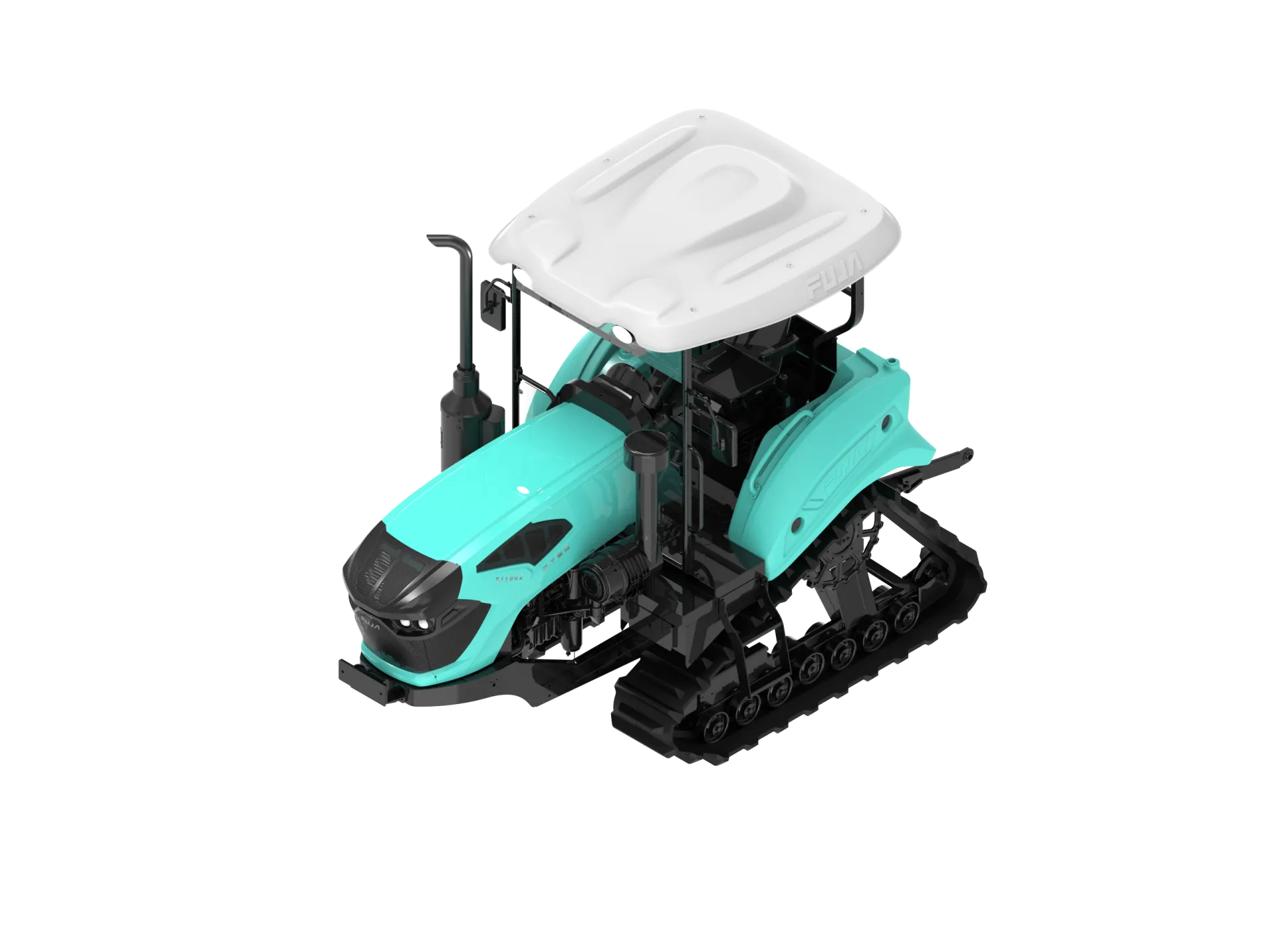
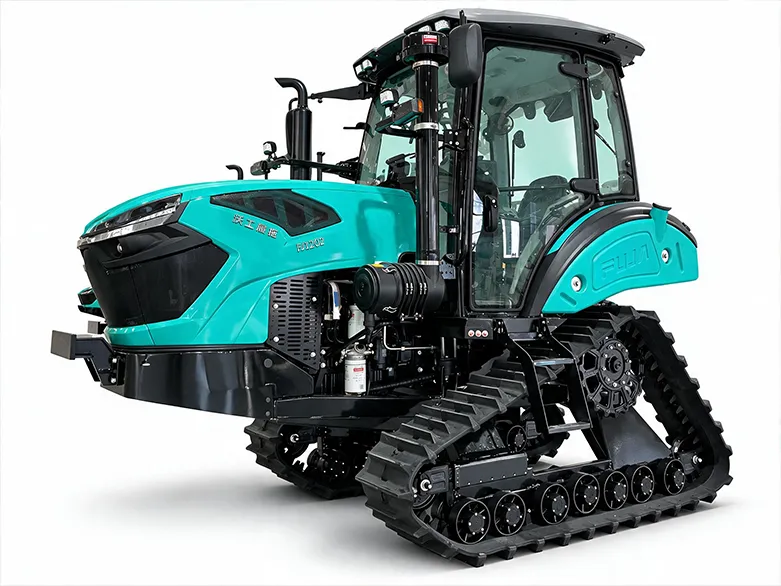
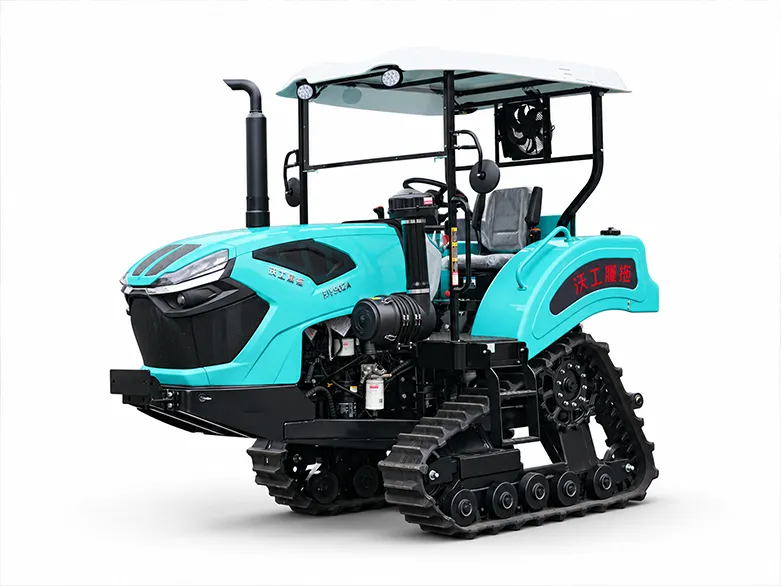
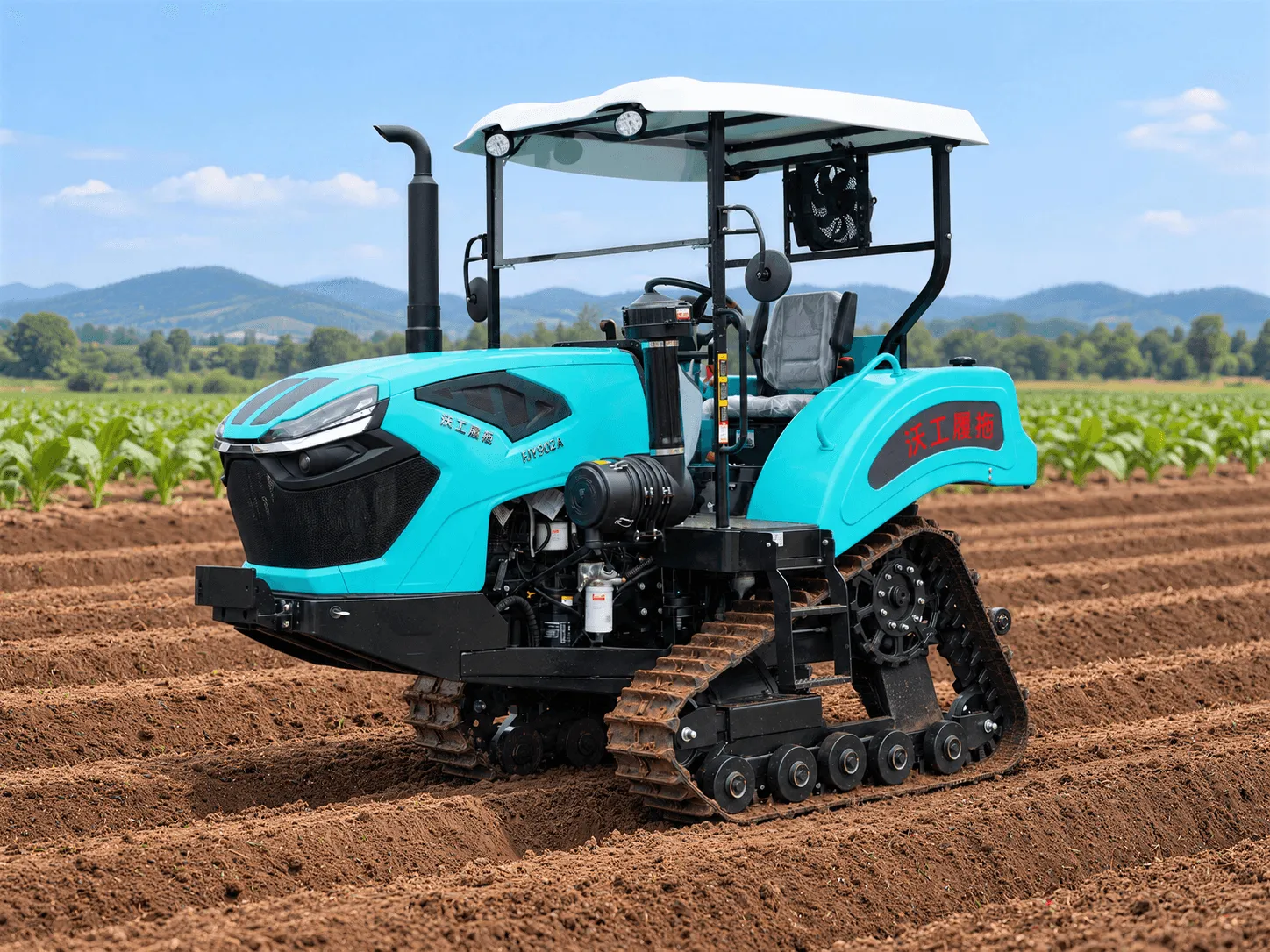
A crawler tractor transmits drive through sprockets to continuous tracks, which move around an undercarriage and carry the machine across the ground. Compared with wheel contact patches, tracks generally distribute the machine's weight over a larger contact area. Actual ground pressure still depends on operating weight and the effective track contact area; the word mini does not define either figure. Steering arrangements vary between crawler designs. Turning changes how the two tracks move relative to each other, and tight turns can disturb the soil surface. Track material and undercarriage design also influence wear and behaviour on different surfaces. No construction details are provided for this supplier's proposed tractor, so rubber tracks, steel tracks or a particular steering system should not be assumed. Implements introduce another load path. Depending on the equipment, work may require drawbar pull, a compatible hitch, hydraulic flow or a power take-off. These are separate capabilities. The brand's stated focus on smarter design provides context for technical discussion, but only a model drawing and specification sheet can explain how its actual drivetrain and implement interfaces are arranged.