Home » small tractor with tracks in Ecuador

Small Tractor with Tracks in Ecuador: Check Fit

small tractor with tracks in Ecuador

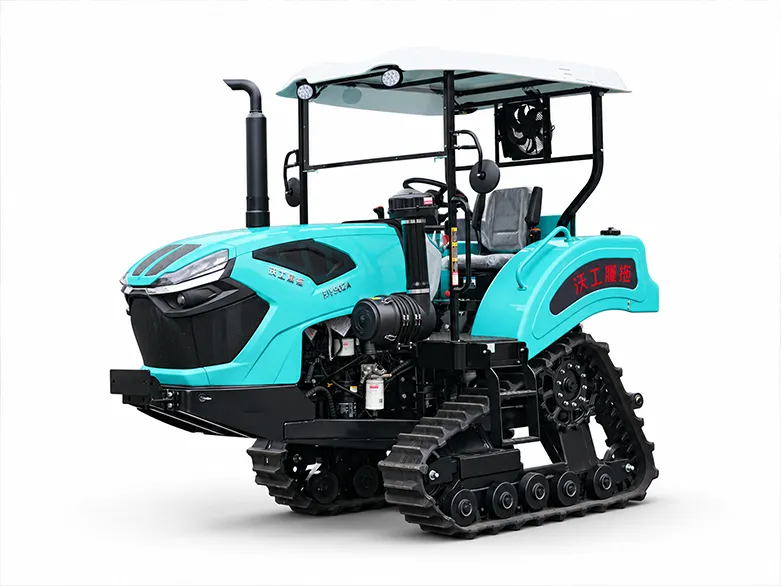
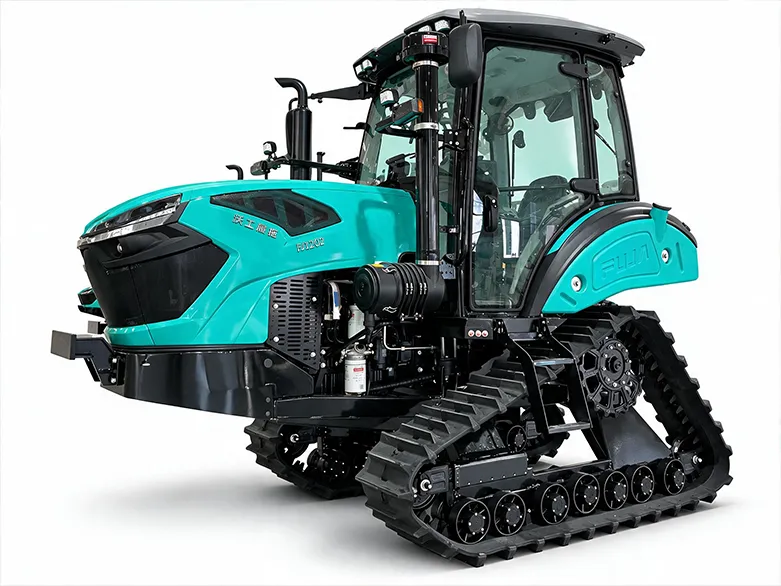
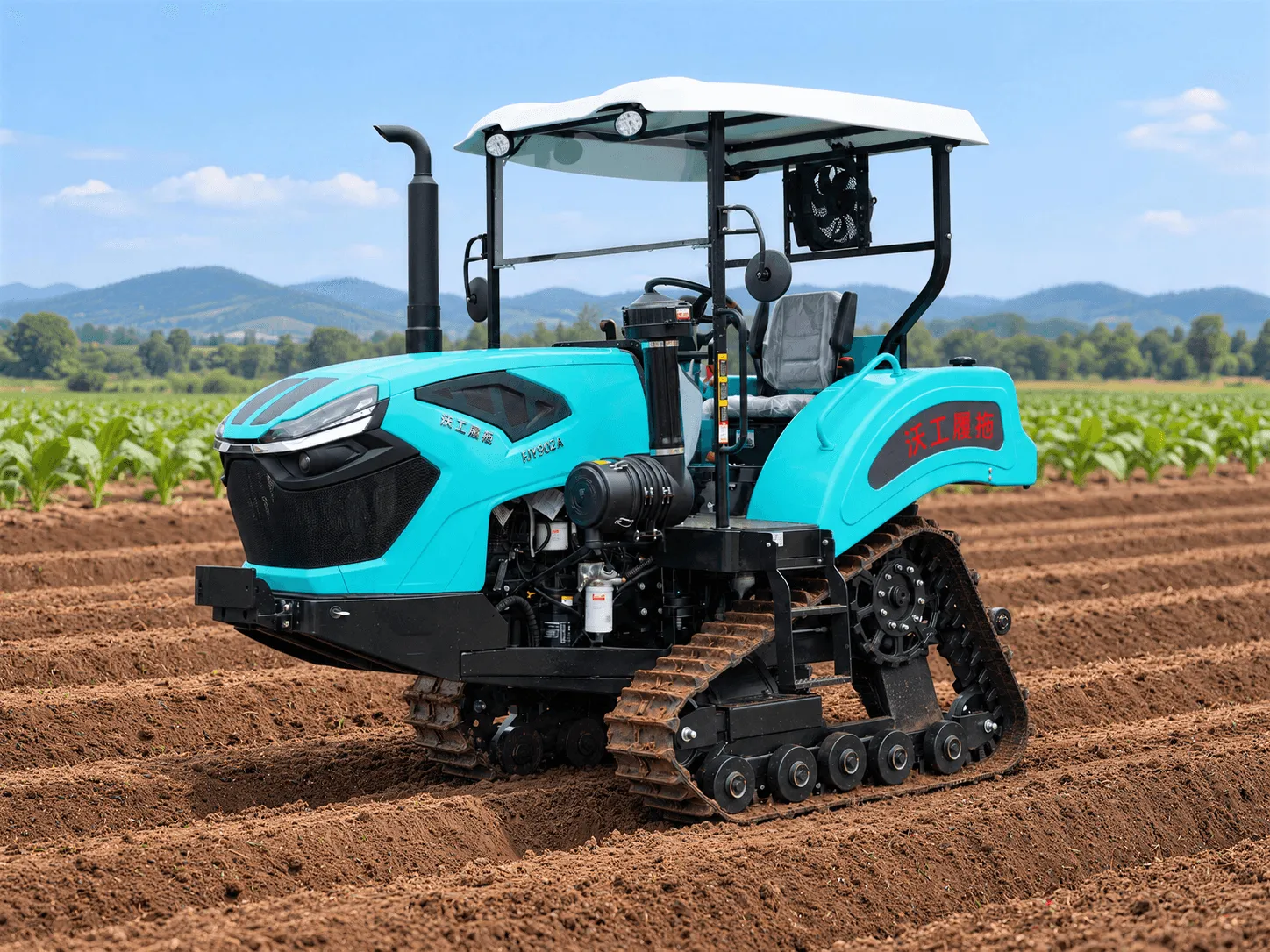
A small tractor with tracks in Ecuador may suit buyers who need a compact agricultural machine for work where wheeled access or traction could be a concern. The right choice depends on the actual terrain, soil conditions, slope, crop layout, and tasks planned; the keyword alone does not identify a particular model or confirm its capabilities. Agricultural Machinery Manufacturer & Supplier presents itself as a high-end manufacturer with a 68,000 m2 smart manufacturing base, intelligent R&D, and global service. However, no product sheet, model name, engine data, dimensions, track details, attachments, or operating limits were provided for this request. Buyers should therefore treat this page as an initial fit-check, not as a confirmed specification offer. Before requesting a quotation, describe the work and site conditions in Ecuador, then ask the supplier to confirm the available tracked models and their documented operating limits. This helps establish whether a machine is suitable for the job before comparing configurations or discussing procurement.

Technical Detail

Configured around process stability, mold life, and long-term uptime.

A small tractor with tracks is an agricultural tractor category that uses continuous tracks instead of conventional wheels for ground contact. Whether a specific machine is suitable depends on its design and published specifications, which have not been supplied here. No engine rating, operating weight, track width, ground clearance, turning dimensions, implement capacity, or model options can be verified from the available product information. Buyers should not infer these details from the word “small” or assume that tracks make every tractor appropriate for steep, wet, soft, or confined sites. The manufacturer identifies a 68,000 m2 smart manufacturing base and an intelligent R&D function focused on practical design challenges. It also reports serving more than 150 customers and lists CE among its credentials; the scope and applicability of any certification to a particular model should be confirmed before purchase. For Ecuadorian buyers, the useful first step is to match a specific model’s documented capabilities to the intended farm tasks and local ground conditions. Request a model datasheet and written confirmation of the relevant operating limits, compatible implements, and certification documentation. Until those details are available, product comparisons and performance claims remain unverified. This approach keeps the inquiry grounded in evidence rather than assumptions about tracked tractors as a category.

Hilly and Mountainous Areas Crawler Tractor

How tracked tractors differ in ground contact

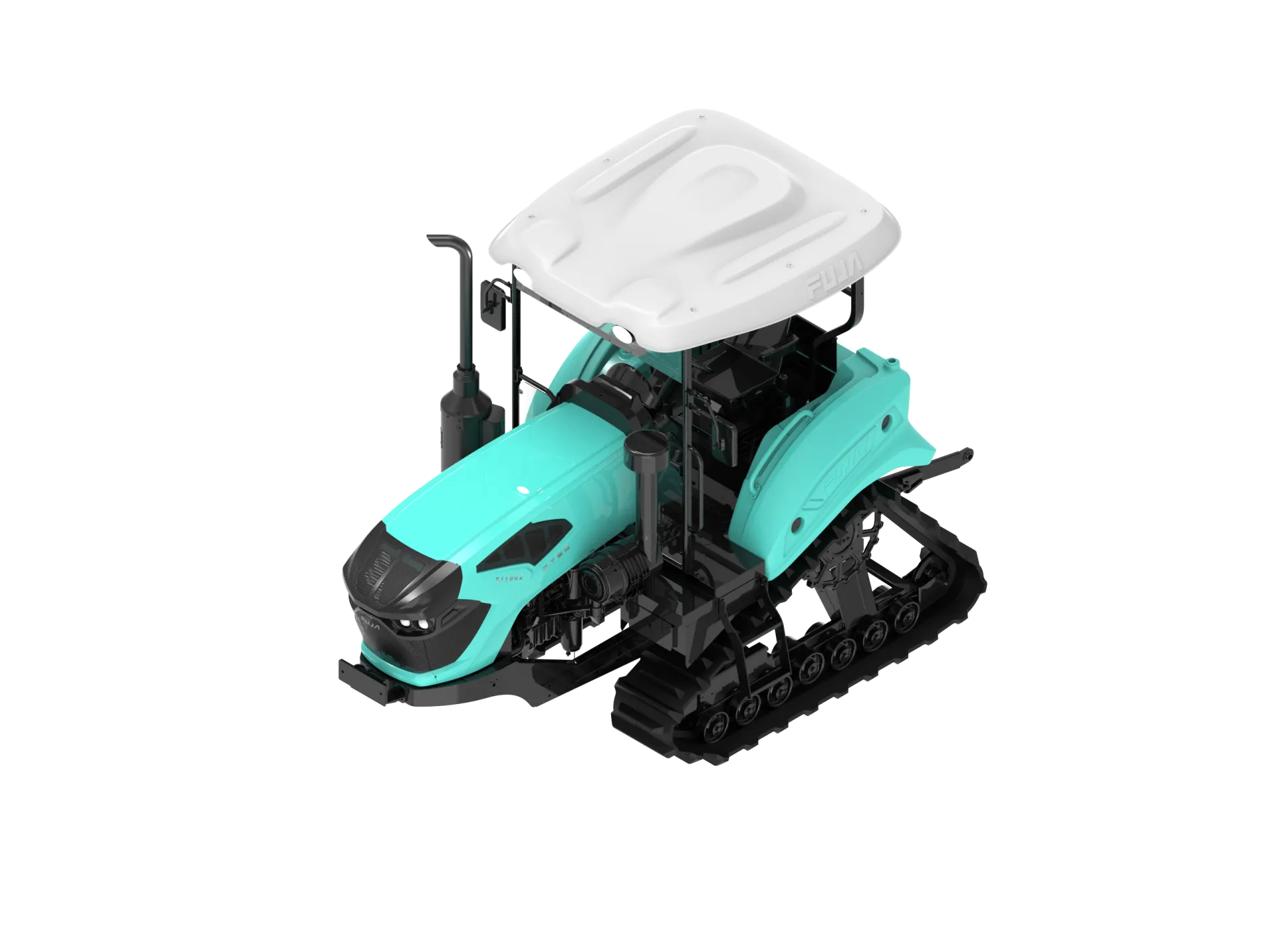
A tracked tractor carries its weight through track assemblies rather than individual tires. That design changes how the machine contacts the ground, but it does not by itself establish traction, soil pressure, slope capability, or maneuverability for a particular model. Those outcomes depend on track dimensions, machine weight, undercarriage construction, power, and operating conditions. None of these product specifications were provided for the tractor referenced by this keyword, so a buyer should ask for the manufacturer’s technical documentation instead of relying on a generic description of tracked machines. Agricultural Machinery Manufacturer & Supplier identifies intelligent R&D as one of its capabilities, with a stated focus on designing for real-world challenges. For a technical discussion, explain the surface and work cycle rather than asking only whether the machine has tracks. For example, note whether the ground is firm, loose, muddy, or sloped, and whether travel occurs repeatedly over the same route. Ask the supplier to identify which documented design features address those conditions. This separates the general operating principle of tracks from verified performance claims for an actual model.

Hilly and Mountainous Areas Crawler Tractor

Check the Ecuador farm conditions before judging fit

The same tracked tractor can be a reasonable candidate for one worksite and unsuitable for another. In Ecuador, buyers should assess their own farm rather than assume that one configuration covers every region or crop system. Record the steepest sections, soil condition during the working season, access width, turning space, transport route, and the tasks the machine must perform. Consider whether it will work in open fields, between crop rows, or on compact paths, and whether wet-season access changes the ground conditions. These are screening questions, not claims that an unspecified model is approved for those environments. No product limits or application list are available here, so confirm operating slope, ground clearance, width, turning requirements, and any restrictions directly against the proposed model’s documentation. A mismatch can arise even when a tractor has tracks: the machine may be too wide for a route, lack the required implement compatibility, or have limits that do not fit the terrain. The manufacturer reports global service support, but buyers should confirm what assistance is available for their location and intended application before treating it as part of the purchase decision.

Hilly and Mountainous Areas Crawler Tractor

Prepare a model-specific inquiry

Once the worksite and tasks are clear, send the supplier a concise request that allows a specific configuration to be assessed. Include the country and delivery destination, intended crops or farm use, terrain description, seasonal ground conditions, access and turning constraints, expected daily work, and any implements that must be compatible. Ask which tracked tractor models are available and request each relevant datasheet, including engine output, operating weight, overall dimensions, track specifications, operating limits, and implement interface details. These figures are not provided in the current information, so they need written confirmation rather than estimation. Also ask for the applicable CE documentation and clarify which model and configuration it covers. Agricultural Machinery Manufacturer & Supplier states that it has a 68,000 m2 smart manufacturing base and more than 150 customers; these brand-level details do not replace a model-level specification or establish local support arrangements. Before comparing offers, confirm the exact model designation, included configuration, documentation, and any items that are optional. This gives both parties a clear basis for checking suitability and preparing a comparable quotation without assuming price, lead time, or minimum order terms.

News

Industry updates

Products

Production modules

Why Choose Us

A manufacturing and R&D partner for model-specific evaluation

Agricultural Machinery Manufacturer & Supplier presents a manufacturing-led profile for agricultural equipment buyers. Its stated 68,000 m2 smart manufacturing base gives procurement teams a clear point to investigate when reviewing production capability, while its intelligent R&D positioning is focused on practical design challenges. The company also reports serving more than 150 customers, providing broad customer experience as a context for a technical conversation rather than a guarantee for any particular Ecuador application. Global service is listed as a company strength, so buyers should ask what support channels, parts information, and service arrangements apply to their destination and selected model. CE is included in the supplied brand credentials; request the relevant certificate and verify its product and configuration scope before relying on it for a purchase or compliance decision. Because no tracked tractor model or technical sheet was provided, the strongest next step is a documented fit review: share the farm conditions and work requirements, then ask the supplier to identify a model and substantiate its suitability with specifications. This keeps the discussion tied to evidence while making use of the manufacturer’s stated R&D and manufacturing capabilities.

FAQ

Common technical questions

What does “small” mean for the dimensions of this tracked tractor?

No dimensions or model designation were supplied, so “small” cannot be translated into a verified width, length, weight, or turning radius. Request the exact model datasheet and compare its dimensions with your access routes, storage space, and working area.

Could a tracked tractor work between crop rows in Ecuador?

Potentially, but row spacing alone is not enough to confirm fit. You need the machine’s overall width and turning requirements, plus confirmation that the proposed configuration is suitable for the ground and task. No crop-specific application approval is available in the supplied product information.

What should I send when requesting a quotation?

Provide your destination in Ecuador, farm task, terrain and seasonal soil conditions, access constraints, required implements, and expected use. Ask for the exact model, technical datasheet, included configuration, applicable CE documentation, and confirmation of local support arrangements. Pricing and delivery terms must come from the supplier.

How should I compare track width and tractor weight?

Compare figures only for the specific models being considered, and ask the supplier to explain how the documented track dimensions and operating weight relate to your soil and operating conditions. Neither figure alone establishes safe operation or suitability; request the manufacturer’s stated limits for the intended work.

Need a solution for your project?

Share your product type, target capacity, and application requirements. Our team can review the details and recommend a practical next step.

Contact Us